Himeji Castle in Himeji (Hyogo): The 2026 Admission Fee, Opening Hours, Shoes Off and Steep Stairs
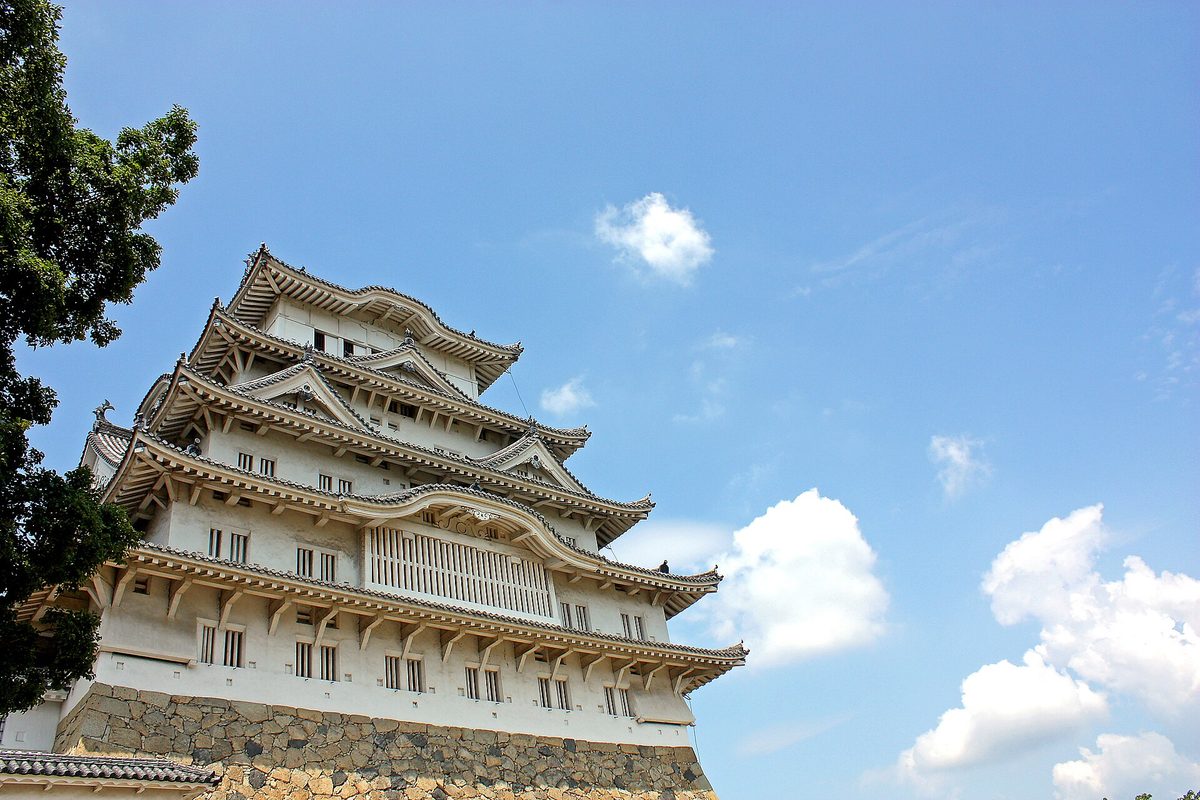
Himeji Castle in Himeji (Hyogo) is a World Heritage Site and a National Treasure, and its white main keep is the real thing, not a modern rebuild. That is also why a visit comes with a few rules that surprise first-time visitors: you take your shoes off inside, climb steep wooden stairs with no elevator, and leave wheeled bags in a locker. On top of that, the admission fee changed on March 1, 2026. This guide sets out the new prices, the hours and the rules from the official pages of the castle and the city government of Himeji (Hyogo), so you can plan a relaxed day, and ends with a short guide to Kobe (Hyogo) and how to tell real Kobe beef.
If you saw an older price online and are wondering which one is right, you're not alone: the fee for most visitors more than doubled this year, so it's worth checking before you go.
This page may contain affiliate links. If you buy through them, we may earn a commission at no extra cost to you.
- Since March 1, 2026: 2,500 yen for visitors aged 18 and over, free for under-18s
- Hours, last entry and the timed digital tickets
- Inside the keep: shoes off, a free shoulder bag, steep stairs
- Luggage, strollers, pets, photos and other rules
- On to Kobe (Hyogo): how to tell real Kobe beef
The 2026 admission fee
The city of Himeji (Hyogo) raised the castle's admission fee on March 1, 2026, to pay for the upkeep and repair of the castle over the next ten years. Visitors aged 18 and over now pay 2,500 yen. Adults who live in the city pay 1,000 yen, the same as the old adult price, and need to show an ID with their address. Anyone under 18 now enters free (this includes 18-year-olds until the first March 31 after their 18th birthday).
- Kokoen Garden, the Japanese garden next to the castle, has a combined ticket for 2,600 yen. On a digital ticket, the garden part is valid only on the day you booked for the castle.
- The annual ticket (5,000 yen) lets the same person visit as often as they like for one year from the day they buy it.
- Groups of 30 or more pay 2,000 yen per adult; the digital tickets can't be used for group bookings.
- Visitors with a disability certificate and one caregiver enter free (up to three caregivers for a wheelchair user). The original certificate is required; copies or photos aren't accepted.
- December 11 is the anniversary of the castle's World Heritage listing, and the castle and nearby facilities are free that day, so no tickets are sold for it.
- You can pay by cash, credit card, IC transit cards such as ICOCA and Suica, and several QR code apps.
Opening hours and the closing time
The castle is open 9:00 to 17:00, with last entry at 16:00, and it closes only on December 29 and 30. The time that matters most is earlier than it looks: the main keep and the West Bailey buildings start closing their windows from 16:30, and the castle asks anyone who wants to see the main keep to reach its entrance by 16:10. From the ticket gate to the keep entrance is about a 15-minute walk.
Plan on about one hour for the main keep and the smaller keeps, and 1.5 to 2 hours for the whole paid area including the West Bailey. In busy seasons you may wait about an hour, so leave time to spare. The castle is lit up on most evenings from sunset until about midnight, which you can enjoy from outside after closing.
Tickets: buy a timed digital ticket ahead
The city recommends the official digital ticket site, especially on holidays and in the busy seasons, when the ticket gate gets very crowded. What the official pages say:
- You can buy a ticket for a set date and time from 90 days before your visit. Slots run every 30 minutes from 9:00 to 15:30, with 500 tickets per slot.
- One purchase covers up to 10 people. A ticket is valid only on the day you booked. You can cancel an unused ticket on the site's "My Page" before it expires, but not after its QR code has been scanned at the gate.
- Same-day tickets are still sold at the castle, but depending on digital sales there may be times when no same-day tickets are sold.
- A digital ticket gets you through the gate smoothly; it doesn't give you priority inside. For safety, the main keep takes 1,000 people per hour, so on busy days you may queue at the keep entrance whatever ticket you hold.
- For visitors from abroad, the ticket site says to choose "Adult (ages 18+)" or "Child (Under 18 years old)" and to show an ID such as a passport for children at the ticket counter.
The official ticket site also sells, in limited numbers, a ticket set that comes with a 1,000-yen coupon for restaurants and souvenir shops in the castle town.
Inside the keep: shoes off and steep stairs
The castle is an early Edo-period hilltop castle on a small hill about 46 meters high, and the castle says the walk up to the main keep is like climbing a small mountain. Wear clothes that are easy to move in. Inside the buildings:
- No outdoor shoes. The floors are old wood. Since March 1, 2026, every visitor is handed a free shoulder bag just inside the paid area. Carry your shoes in it when you enter the main keep and the Hyakken Roka corridor, and use it for your things as you walk. You keep the bag. The castle asks you not to wear bags over your shoes as covers, because they're slippery.
- Bring socks. The castle suggests thick socks or indoor shoes; splinters from the old floors happen now and then. Our guide to taking your shoes off in Japan explains the custom.
- Steep, narrow stairs. There are handrails but no elevators in the keeps or turrets. Keep your hands free and use the handrails.
- No air conditioning, elevators or escalators anywhere in the castle. In hot weather, bring a drink with a lid and a hat. Water dispensers are in front of the Hishi Gate and at the Bizen Maru, and the only drinks vending machine is in front of the Hishi Gate.
Wheelchairs can't go inside the buildings. With two or three experienced helpers, a wheelchair user can follow a route with fewer steps from the gate to the Bizen Maru area near the keeps; the castle doesn't lend wheelchairs and has no staff for assistance, and there's no accessible restroom in the paid area.
Bags, strollers, pets and other rules
- Wheeled bags must go into the paid coin lockers near the ticket gate. Lockers are limited and very large items may not be accepted, so the castle asks you to use lockers around JR Himeji Station or your hotel's cloakroom where you can. A backpack that leaves your hands free is the easiest.
- Strollers and walkers can't be used inside, in principle; you leave them at a set place when you enter.
- Pets haven't been allowed in the paid area since March 1, 2026, even in a carrier, and the castle doesn't look after them. Guide dogs and hearing dogs are still welcome.
- Tripods, monopods and selfie sticks are banned inside the buildings and may be banned outside when it's crowded.
- Drones may not be flown over the castle and the area around it; the castle warns of fines of up to 100,000 yen. See our drone rules guide.
- No smoking, and there's no smoking area inside the paid area; the nearest one is on the south side of Sannomaru Square. There are no trash bins, so take your rubbish with you.
- The castle turns away visitors who have been drinking alcohol, for safety. No re-entry once you leave, and the castle may close without notice in bad weather.
A tip from the city: at the ticket gate, volunteers holding a "Free Guide" sign offer free tours in foreign languages when they're available (no reservations). You can eat a packed lunch in Sannomaru Square and the other open spaces outside the paid area.
Getting there
The castle is a 20-minute walk from JR Himeji Station and Sanyo Himeji Station, or a 5-minute walk from the Otemon-mae stop on the Shinki bus from the station's North Exit. Himeji (Hyogo) is about 30 minutes from Shin-Osaka on the Sanyo Shinkansen, about one hour from Osaka (Osaka) on the JR Special Rapid Service, and about 40 minutes from Sannomiya in Kobe (Hyogo).
On to Kobe (Hyogo): how to tell real Kobe beef
Many visitors pair Himeji (Hyogo) with Kobe (Hyogo), and a Kobe beef meal is often the plan. "Kobe beef" is a registered trademark, and the Kobe Beef Marketing & Distribution Promotion Association, which runs it, explains what makes it genuine:
- It comes from Tajima cattle born in Hyogo Prefecture from a pure Tajima bloodline, raised by registered farmers in the prefecture, processed there, and it must pass strict grading rules.
- Every business that sells it, from wholesalers to restaurants, is a registered member. Registered shops and restaurants display their certificate and a bronze statue as proof that they handle real Kobe beef. Look for them at the door.
- Shops and restaurants show a 10-digit ID number for each animal. With it, the association's Tajima beef certification system shows where the animal was born and raised and whether it is certified Kobe beef.
- The association publishes a list of registered stores and restaurants, so you can check a restaurant before you book.
More on the area on our Kobe & Himeji (Hyogo) destination page.
Last reviewed: October 13, 2026. Prices, hours and rules change, and the city posts changes on the castle's official pages. Please check them before you go.
References
- Himeji City (Hyogo): Himeji Castle admission fees from March 1 (Japanese)
- Himeji City (Hyogo) press release: New fees and digital tickets for Himeji Castle and nearby facilities (Japanese)
- Himeji City (Hyogo): Himeji Castle visitor guide (Japanese)
- Himeji City (Hyogo): Please use the digital tickets (Japanese)
- Himeji City (Hyogo): Please visit with your hands free (Japanese)
- Himeji Castle official site (English)
- Himeji Castle official site: FAQ (Japanese)
- Himeji Castle official digital ticket site (English)
- Kobe Beef Marketing & Distribution Promotion Association: FAQ (English)
- Kobe Beef Marketing & Distribution Promotion Association: Registered stores, the certificate and the bronze statue (Japanese and English)
- Kobe Beef Marketing & Distribution Promotion Association: List of registered stores (Japanese and English)