Travel Insurance for Japan: Why Visitors Need It, What to Check, and How to Find a Hospital
Japan is a safe country, and most trips go without a single visit to a doctor. But if you do fall ill or get hurt, there is one thing many visitors don't know: Japan's public health insurance doesn't cover you, and neither does the health insurance from your own country. You pay the hospital bill yourself, in full. This guide explains, from the Japanese government's and JNTO's own guidance, why travel insurance with medical cover is recommended, what to look for in a policy, and how to find a hospital that speaks your language.
Thinking about getting sick on holiday isn't fun, and it's natural to want to skip this part. A few minutes now, though, means that if something does happen, you can focus on getting better rather than on the bill.
- Visitors pay the full cost of treatment in Japan; home insurance usually doesn't cover it
- JNTO gives examples of 7,500,000 and 10,000,000 yen for serious cases
- Look for medical cover, interpretation, hospital referral and cashless payment
- Some insurance can be bought online even after you arrive in Japan
- Find hospitals by language with JNTO's Medical Institution Search
Why your own insurance doesn't work in Japan
The Government of Japan's public relations office reminds visitors that public health insurance and medical insurance from their own country don't cover costs at a Japanese hospital. Without insurance, you pay the full cost of treatment, which "can amount to a substantial sum even in the case of minor injuries". It also warns that visitors who leave medical bills unpaid may be refused entry to Japan in the future.
Patients without Japanese insurance are treated as self-paying patients, and hospitals set their own prices for them. In a survey of hospitals by the Ministry of Health, Labour and Welfare (published in 2024, for September 2023), more than one in ten of the hospitals that base these prices on the national fee table charged more than the standard rate.
The same survey shows why hospitals worry about this. Of the 2,813 hospitals that treated foreign patients in September 2023 (residents and visitors together), 516, or 18.3%, had at least one bill that went unpaid. That's one reason hospitals may ask how you will pay before treatment.
What treatment can cost
JNTO, Japan's national tourism organization, gives two real examples on its guide for when you are feeling ill, from the assistance company Tokio Marine International Assistance:
These are serious cases, but smaller costs add up too. The government notes that even without a hospital stay, an illness or injury can mean extra nights in Japan and extra hotel costs. And at the pharmacy, medicine is paid for separately from the doctor's bill.
What to look for in a policy
The Embassy of Japan in the United States and JNTO point to the same features:
- Enough medical cover. The private insurance JNTO describes for visitors covers up to 10,000,000 yen, enough for expensive treatment.
- Cashless payment. The insurer (or its assistance company) settles the bill with the hospital, so you don't pay on the spot. JNTO notes that the conditions vary by insurer, so check them before you go.
- Medical interpretation and help finding and booking a hospital.
- What isn't covered. The embassy gives one example: care around pregnancy and childbirth is usually not covered by travel insurance, and it can be expensive.
Already have cover? Many people get travel insurance through a credit card or a policy at home. Check that it covers medical treatment abroad, how much it pays, and whether it offers cashless payment in Japan, and keep the policy number and the emergency phone number on your phone.
Forgot to buy it? Insurance you can buy after you land
If you've already arrived without insurance, it isn't too late. JNTO says there is private medical insurance for visitors that you can buy online, instantly, after entering Japan, with up to 10,000,000 yen of cover, interpretation, hospital referral and help arranging cashless payment. The sign-up page linked from JNTO's guide can only be opened after you enter Japan. The government's own page strongly recommends it.
If you get sick: finding a hospital
JNTO's Medical Institution Search lets you search by prefecture, by the language you need (English, Chinese, Korean, Portuguese, Spanish and others), by medical department, and by the credit cards a hospital accepts. You can also download a PDF list for each prefecture. JNTO asks you to contact the hospital before visiting when you can.
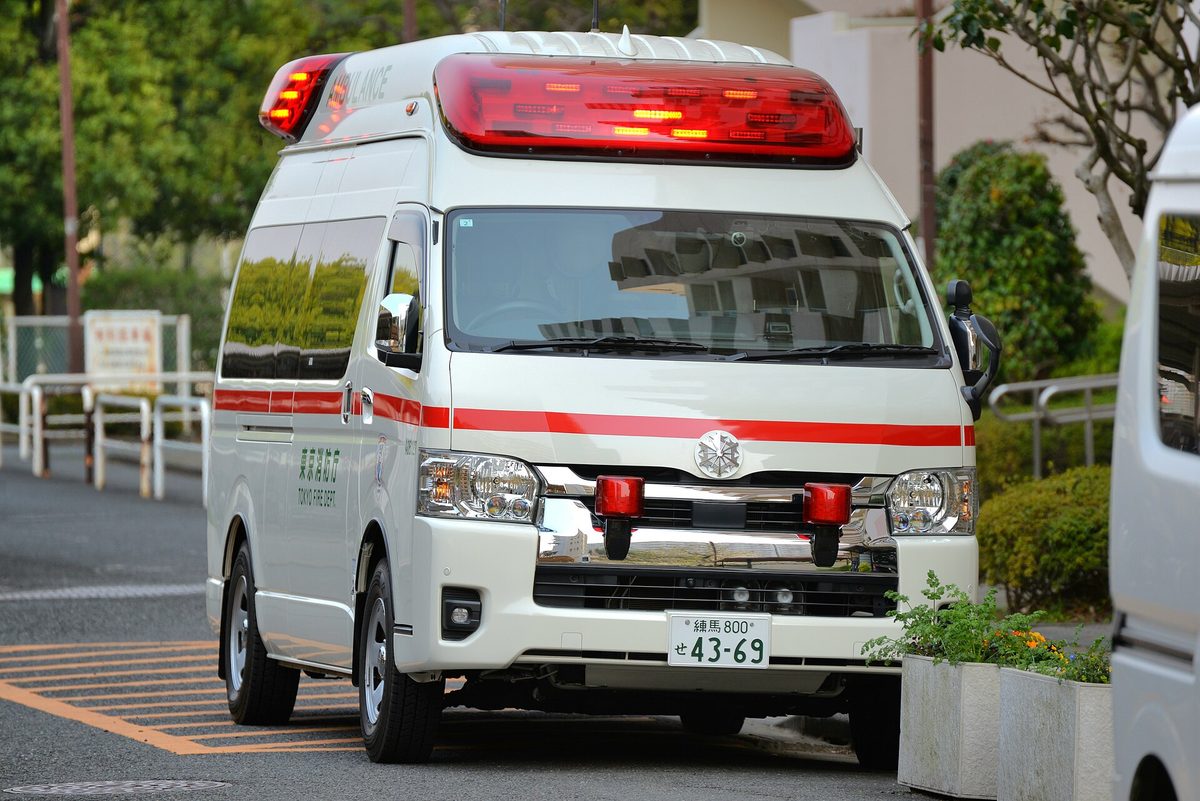
- Emergencies: call 119 for an ambulance. You can't choose the hospital it takes you to. Our guide to 119, 110 and #7119 has the words to use.
- Not an emergency, but you need a doctor: visit a clinic or general hospital during normal hours.
- Minor problems: a pharmacy or drugstore. Some medicines can only be sold when a pharmacist is present.
- Help in English, Chinese or Korean: JNTO's Japan Visitor Hotline, 050-3816-2787 (from abroad, +81-50-3816-2787), 24 hours a day, can introduce hospitals where you can be seen in a foreign language.
At the hospital: what to expect
- At reception, ask for a rough estimate of the cost.
- Fill in the medical questionnaire. JNTO offers sheets for pointing to your symptoms.
- See the doctor and get a prescription.
- Pay. JNTO notes that only major hospitals take credit cards; clinics generally accept cash only. With cashless insurance, you may not need to pay here.
- Take the prescription to a pharmacy and pay for the medicine there.
Keep every receipt and medical document: your insurer will ask for them. If you take regular medicine, check before you fly that it's allowed in Japan: see medicines you can't bring into Japan.
Before you go: three small steps
- Buy travel insurance with medical cover, or check the cover you already have.
- Save your insurer's emergency number and the Japan Visitor Hotline in your phone.
- Bookmark JNTO's Medical Institution Search, and carry some cash in yen for clinics.
The rest of the preparation is in our checklist before you go.
Last reviewed: October 17, 2026. Please check the official pages below for the latest information.
References
- JNTO: For safe travels in Japan, guide for when you are feeling ill (Medical Institution Search, travel insurance, emergency contacts)
- Government of Japan, Highlighting Japan (December 2025): Ensuring safety and peace of mind for all visitors traveling to Japan
- Japan Tourism Agency: Flyer on travel insurance for visitors (PDF)
- Embassy of Japan in the United States: Important information for visitors to Japan, travel insurance
- Ministry of Health, Labour and Welfare: Results of the FY2023 survey on hospitals accepting foreign patients (Japanese)
- Ministry of Health, Labour and Welfare: FY2023 survey summary (Japanese, PDF)