How to Use an Onsen or Sento in Japan: Step by Step, Tattoos and Staying Safe
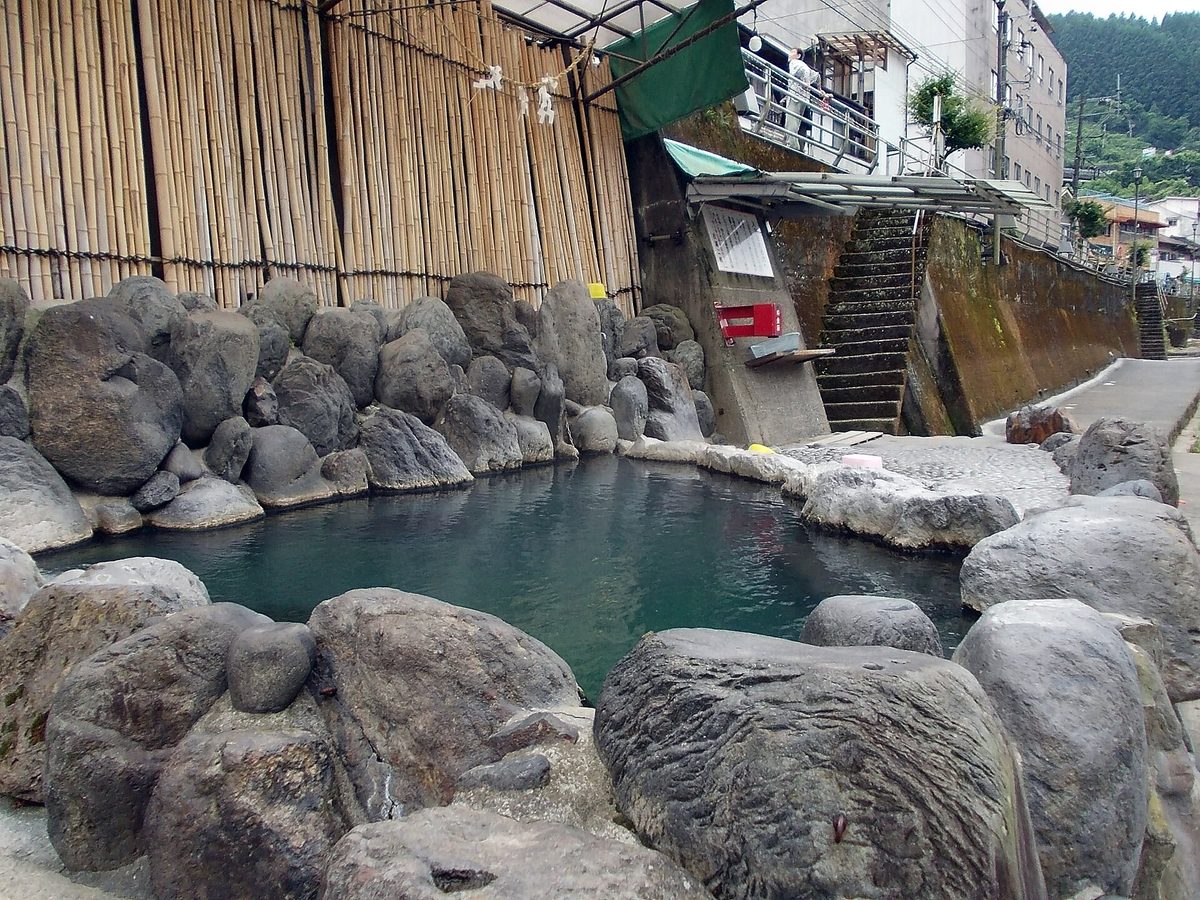
Sinking into a hot spring after a day of walking is one of the best things you can do in Japan, and a neighborhood public bath (sento) is a small window into everyday life. The first visit can feel nerve-racking, though: you're naked with strangers, and you don't want to be the person who gets it wrong. The good news is that the rules are few and logical, and almost all of them exist to keep the shared water clean. This guide walks you through a visit in order, explains how tattoos are really handled (it depends on the place, so check), why tattoos are a sensitive topic in Japan, and how to bathe safely.
This page may contain affiliate links. If you buy through them, we may earn a commission at no extra cost to you.
- From the entrance to the bath: the steps in order
- OK and not OK at a glance
- Tattoos: how to check before you go, with phrases you can copy
- Why tattoos are sensitive in Japan: a short history
- Safe bathing, and sento prices in Tokyo (Tokyo)
Please read this first. Rules differ between facilities; the sign and the staff where you are always come first. This guide is based on the Japan Tourism Agency, the Ministry of the Environment, the Consumer Affairs Agency, JNTO and the Tokyo Sento Association, checked in October 2026. It is not medical advice.
Onsen or sento?
An onsen uses natural hot spring water, at a ryokan (inn), a resort or a day-trip bath. A sento is a public bath in town, often using heated tap water, with a fixed price. The manners are the same.
Your visit, step by step
A few details from the official guides:
- What to bring. The Tokyo Sento Association suggests a bath towel, a small towel, soap and shampoo, but says you can come empty-handed: most sento sell mini soap and shampoo and rent or sell towels. Onsen at inns usually provide towels.
- Paying. At a sento you pay at the front desk (or the traditional raised booth, bandai); some have a ticket machine. Saunas can cost extra.
- Washing and kakeyu. The Japan Tourism Agency asks you to wash your body at the showers before getting in, and to pour water over yourself first (kakeyu). JNTO notes that kakeyu helps you adjust to the temperature and prevents a sudden rise in blood pressure.
- Towels and hair. Don't put your towel in the bath, and tie up long hair so it doesn't touch the water. Many people fold the small towel on their head.
- Too hot? If you want to add cold water, the Tokyo Sento Association asks you to check with the people bathing with you first.
- Photos. The Japan Tourism Agency asks guests not to take photos, since other bathers may feel their privacy is invaded. Keep your phone in the locker.
Tattoos: it depends on the place, so check first
You may read that "you can't go to an onsen with a tattoo." That is not accurate. Some facilities welcome tattoos, some accept them if covered, and some refuse them. The decision is made by each facility.
- What the government told facilities. In March 2016, the Japan Tourism Agency sent industry groups a notice on foreign travelers with tattoos. It says that refusing someone only because they have a tattoo is not appropriate, that people have tattoos for religious, cultural, fashion and other reasons, and that tattoos cause no hygiene problem. It listed examples of what facilities could do: ask guests to cover the tattoo with a sticker (or wear a hygienic bathing garment), make no special request for small tattoos (for example, palm-sized), suggest times when few families are bathing, or offer a private bath or a room with its own bath. These are examples, not rules facilities must follow.
- Sento. The National Sento Association's English page says that ordinary neighborhood sento are "tattoo friendly at most of them," while many larger "super sento" and onsen don't allow tattoos. The Tokyo Sento Association's English guidebook shows a tattoo policy for each sento.
- Some places publish lists. For example, the official tourism site of Beppu (Oita) says it has over 100 tattoo-friendly spots, with a map (checked October 4, 2026). Policies change, so confirm with the facility.
- Small cover sheets. JNTO notes that many onsen sell small tattoo cover sheets, generally only suitable for very small tattoos.
How to check before you go:
- Read the facility's official website, especially the usage rules (利用規約, riyo kiyaku) or FAQ.
- Ask by email or phone. You can copy the message below.
- If you're unsure, book a private bath (貸切風呂, kashikiri-buro) or a room with its own bath.
Copy and send (English):
Hello. I have a tattoo about (size) on my (body part). May I use your bath? If I cover it with a sticker, is that OK? Do you have a private bath I can book? Thank you.
Japanese version:
こんにちは。(体の場所)に(大きさ)くらいのタトゥーがあります。お風呂を利用できますか。シールで隠せば利用できますか。貸切風呂の予約はできますか。よろしくお願いいたします。
Why tattoos are sensitive in Japan: a short history
Japanese attitudes to tattoos have changed many times. Knowing the background helps explain why some facilities are careful, without assuming anything about you.
- Punishment. Tattooing criminals was written into law in 1720, under the eighth shogun, as a punishment marked on the arm; it was later included in the 1742 legal code.
- Fashion and craft. In the early 1800s, the ukiyo-e artist Utagawa Kuniyoshi's prints of the Water Margin heroes with full-body tattoos were a huge hit. Museums note that pictorial tattoos became popular among working men such as couriers, steeplejacks and firefighters; scholars are unsure whether the prints started the fashion or reflected it.
- Bans. The Meiji government banned decorative tattooing in 1872. Indigenous traditions were banned too: Ainu women's tattoos in 1871, and the hand tattoos of women in Okinawa and Amami (hajichi) in 1899. Tattooing remained an offence (under the 1908 Police Offenses Ordinance) until 1948.
- Postwar image. Researchers describe how, after the war, yakuza films and news linked tattoos with organized crime in the public mind. The Japan Tourism Agency's own Q&A says tattoos have reminded people of anti-social groups, which is why many inns refused them.
- Today. In a 2015 Japan Tourism Agency survey (581 responses), 55.9% of accommodations said they refused guests with tattoos, 30.6% did not, and 12.9% allowed them under conditions. In 2016, the agency told facilities that refusing someone only for a tattoo is not appropriate. In 2020, the Supreme Court ruled that tattooing is not a medical act.
Staying safe in hot water
The Consumer Affairs Agency warns that bathing accidents, especially among older people, are most common from November to April. Its advice:
- Warm the changing room and bathroom before bathing.
- Keep the water at 41°C or below, and soak for up to 10 minutes.
- Don't stand up suddenly from the bath.
- Avoid bathing right after a meal, after drinking alcohol, or after taking medicine.
- Tell someone before you bathe.
The Ministry of the Environment's hot spring guidelines add: start with about 3 to 10 minutes per soak; older people and people with high blood pressure or heart disease should avoid baths of 42°C or more. The Tokyo Sento Association recommends drinking water before and after bathing.
Children
Japan's national guideline for public baths (revised December 2020) says children of about 7 or older should not bathe with the opposite sex. The Tokyo Metropolitan Government's ordinance sets the age at 7 (from January 1, 2022). Ages can differ between prefectures and wards, so ask at the front desk if you're traveling with a child.
Sento: Tokyo (Tokyo) prices
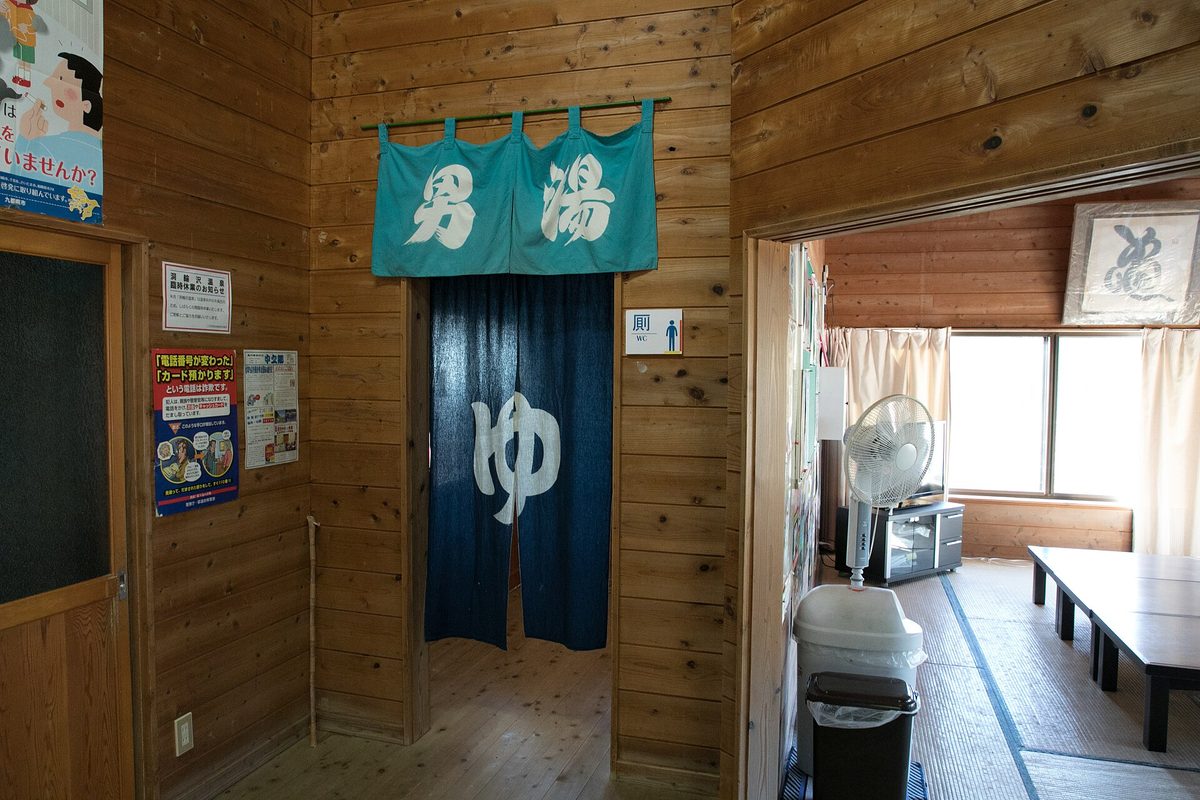
The Tokyo Metropolitan Government sets the maximum price for a sento. From August 1, 2026, the maximum is 600 yen for adults (12 and over), 200 yen for children aged 6 to 11, and 100 yen for children under 6. It is a ceiling, and some sento charge less. The Tokyo Sento Association says about 410 sento are open in Tokyo (Tokyo) (as of March 2026). Saunas may cost extra.
Saunas
Many onsen and sento have a sauna and a cold bath. They come with their own manners and health tips: see our guide to sauna manners in Japan.
Last reviewed: October 4, 2026. Facility rules and prices change. Please check the official pages below and the facility itself.
References
- Japan Tourism Agency: Ryokan Q&A, bathing (Japanese)
- JNTO: How to best enjoy onsen
- Tokyo Sento Association: How to use a sento (Japanese)
- Ministry of the Environment: Bathing guidelines for hot springs (Japanese, PDF)
- Consumer Affairs Agency: Preventing bathing accidents (Japanese, November 19, 2020)
- Japan Tourism Agency notice on bathing by foreign travelers with tattoos (2016), as forwarded by the Ministry of Health, Labour and Welfare (Japanese, PDF)
- National Sento Association: How to find a sento (English)
- Beppu (Oita) official site: Tattoo-friendly onsen (English)
- Ministry of Health, Labour and Welfare: Public bath hygiene guideline revision, December 10, 2020 (Japanese)
- Tokyo Metropolitan Government: Public bath ordinance (Japanese)
- Tokyo Metropolitan Government: New maximum sento prices from August 1, 2026 (Japanese)
- Tokyo Sento Association: About the association (Japanese)
- imidas (Shueisha): Irezumi as punishment, by historian Yamamoto Hirofumi (Japanese)
- nippon.com: Irezumi, the Japanese tattoo unveiled, by Yamamoto Yoshimi
- Museum of Fine Arts, Boston: Tattoos in Japanese Prints
- Japan Center for Asian Historical Records: Modern history of indigenous peoples (Japanese)
- Okinawa Prefectural Library: Hajichi (Japanese, PDF)
- Chonnam National University Law School journal: article on tattoo regulation in Japan (Japanese)
- Supreme Court decision of September 16, 2020 (text, Kyoto Sangyo University) (Japanese)
- Nikkei: Japan Tourism Agency survey on tattoos at accommodations (Japanese, October 22, 2015)