Food Allergies in Japan: What Labels Show, Why Restaurants Differ, and How to Ask
If you live with a food allergy, eating in a country where you can't read the menu takes planning. Japan has strict allergen labeling for packaged food, which helps a lot in convenience stores and supermarkets. Restaurants are a different story: the labeling law does not require them to show allergens, so you need to ask. This guide explains what Japanese labels must show (the list changed in April 2026), where the gaps are, and the free official tool that helps you ask in Japanese.
This page may contain affiliate links. If you buy through them, we may earn a commission at no extra cost to you.
- The 9 allergens packaged food must show, and 20 more that are recommended
- Why restaurants and food stalls are different
- The government's free allergy communication sheet
- A step-by-step plan for eating out
Please read this first. This guide is not medical advice. If you have a severe allergy, talk to your doctor before you travel, carry your prescribed medicine, and save the emergency number 119 (ambulance). Labeling rules come from Japan's Consumer Affairs Agency and were checked in October 2026.
Packaged food: what the label must show
Japan's Consumer Affairs Agency (CAA) requires labels on packaged food to show 9 "specified ingredients" chosen because they cause many or severe reactions: shrimp, cashew nut, crab, walnut, wheat, buckwheat (soba), egg, milk and peanut. Cashew nut was added on April 1, 2026, with a transition period for labels until March 31, 2028, so for now some packages may not list it yet.
Another 20 ingredients are recommended to be labeled, but not required: almond, abalone, squid, salmon roe, orange, kiwi fruit, beef, sesame, salmon, mackerel, soybean, chicken, banana, pistachio, pork, macadamia nut, peach, yam, apple and gelatin.
Restaurants: you have to ask
The CAA's rules say that food sold without a container or package, and food sold by restaurants and the food service industry, are not required to carry allergen labels. Japan's Consumer Hotline for Tourists says the same in English: restaurants and places that sell food over the counter or by weight don't have to provide allergen information. Some chains publish allergen tables on their websites or in the store, which is worth checking, but you cannot assume it.
Things that are easy to miss:
- Dashi (soup stock) can contain fish, and many sauces use soy and wheat.
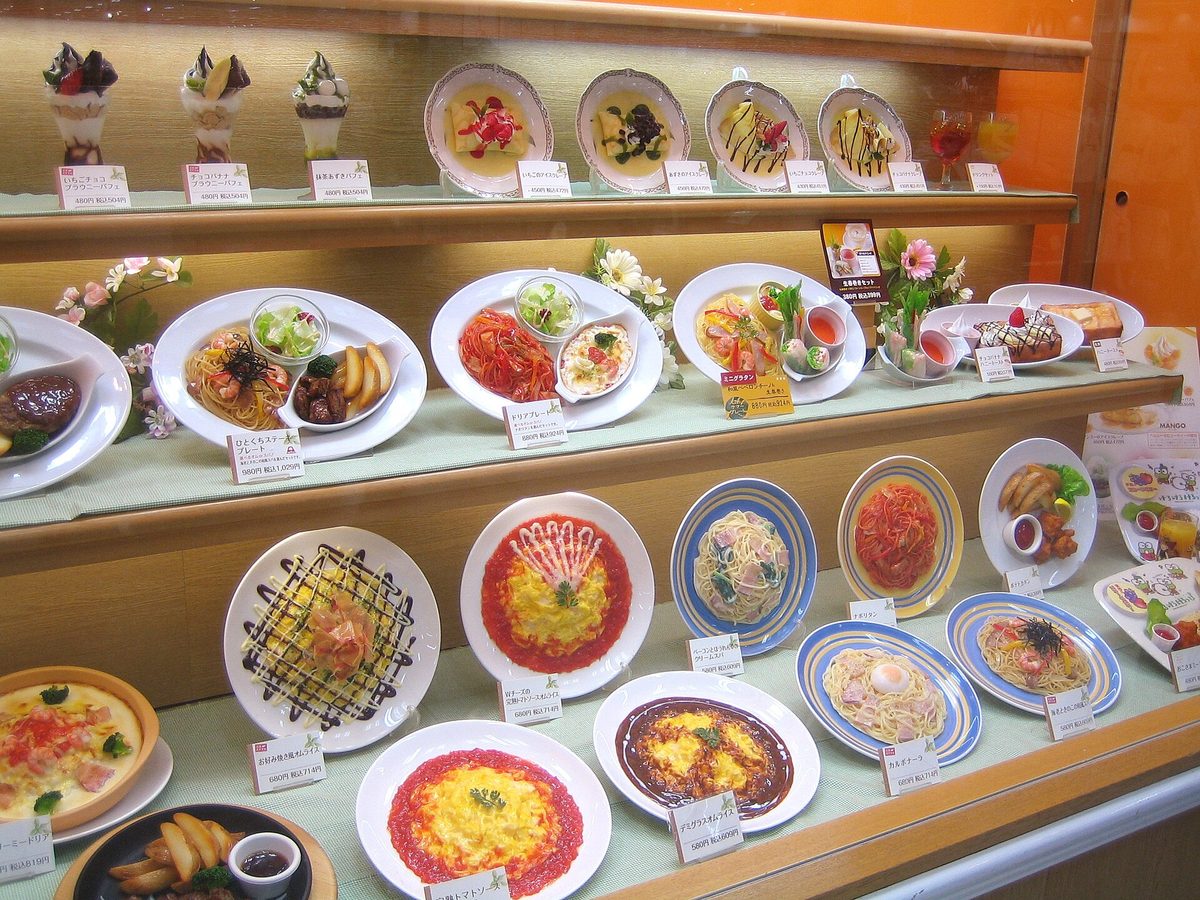
- Plastic food samples in windows show what a dish looks like, not what is in it.
- The Japanese words to look for on labels: えび (shrimp), かに (crab), くるみ (walnut), 小麦 (wheat), そば (buckwheat), 卵 (egg), 乳 (milk), 落花生 or ピーナッツ (peanut), カシューナッツ (cashew nut).
The free communication sheet
The CAA publishes a Food Allergy Communication Sheet in English (and other languages), including a version for smartphones. You tick your allergens and show it to staff. The CAA notes that you should download the sheet before using it, or the check boxes won't work.
A short phrase to show staff
English: I have a food allergy to (food). Does this dish contain it, including in the stock or sauce?
Japanese: 私は(食べ物)のアレルギーがあります。この料理に、だしやたれも含めて入っていますか。
Staff will usually check with the kitchen. If they can't be sure, they may say so honestly; that is useful information, not a refusal.
My visit
Coming soon: notes from our editor's own meals in Japan.
More about eating out in Japan: which medicines you can bring, including allergy medicine.
Last reviewed: October 4, 2026. Labeling rules change. Please check the official pages below.
References
- Consumer Affairs Agency: Food allergy labeling handbook for processed food (Japanese, PDF, April 2026)
- Consumer Affairs Agency: Cashew nut added to specified ingredients (Japanese, PDF)
- Consumer Affairs Agency: Notice on labeling, including restaurants (Japanese, PDF)
- Consumer Hotline for Tourists (National Consumer Affairs Center): Food allergies (English)
- Consumer Affairs Agency: Food labeling, including the Food Allergy Communication Sheet (English)
- JNTO: Japan Visitor Hotline