Biei and Furano (Hokkaido) Farm Fields: Why You Shouldn't Step In
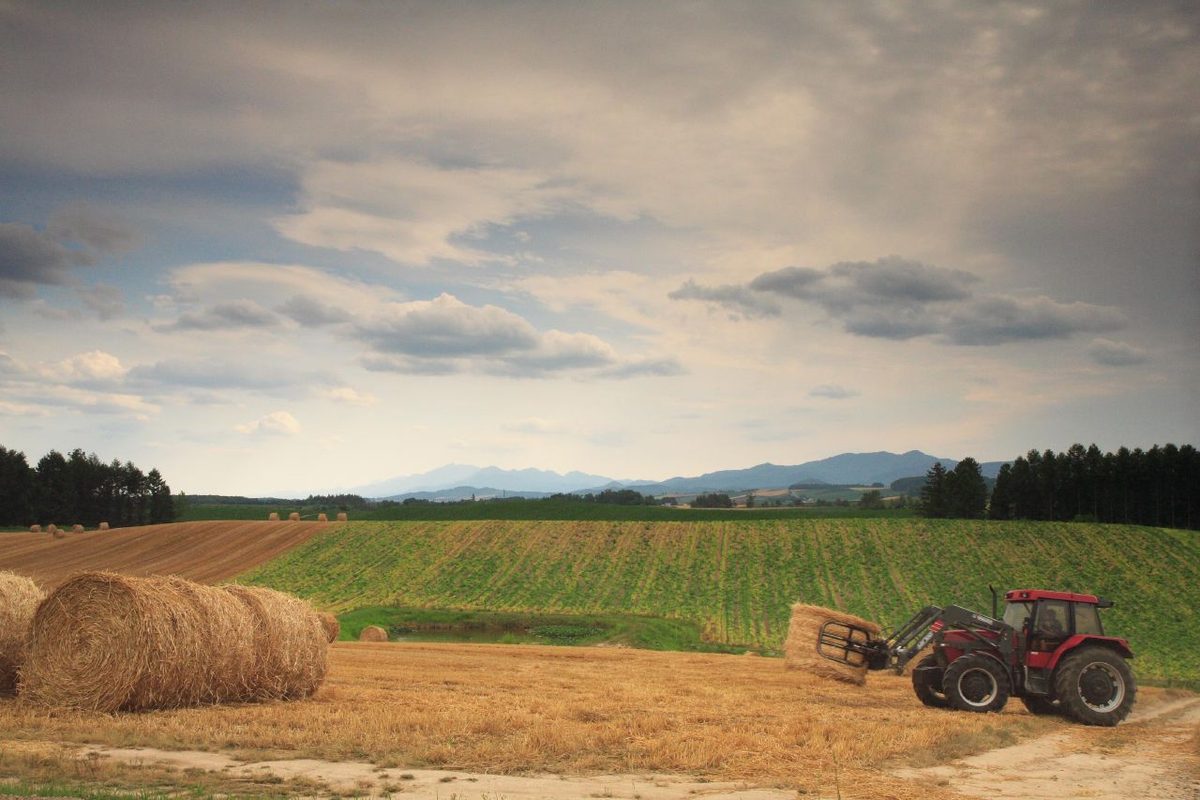
The rolling "patchwork hills" of Biei (Hokkaido) and the lavender of Furano (Hokkaido) look like a giant park. They aren't. Almost every hill you see is a working farm, and the town and its tourism association say visitors keep walking into the fields for photos. This guide explains, from Biei Town (Hokkaido)'s own pages, why stepping in does real damage, what the local photo rules say, and where you can enjoy the same view without worrying anyone.
This page may contain affiliate links. If you buy through them, we may earn a commission at no extra cost to you.
- Why one step into a field can hurt a farm for years
- Snow-covered fields in winter: still crops underneath
- Biei Town (Hokkaido)'s photo and drone rules
- Where to stand instead, and when the flowers bloom
Please read this first. This guide is based on the official pages of Biei Town (Hokkaido), the tourism associations of Biei (Hokkaido) and Furano (Hokkaido) (checked October 2026). Signs on site always take priority.
The hills are farms, not a park
Biei Town (Hokkaido) says on its tourism page that most of the hills are private land belonging to farmers. Entering a field without permission is trespassing, and the town adds a second reason that many visitors don't know: germs and pests on the soles of your shoes can infect the crops.
The tourism association goes further. It explains that once a disease such as a nematode infestation gets into a field, that field may be unable to grow certain crops for a long time, which can cost a farming family its livelihood. That is why the town asks you to enjoy the view from viewpoints and paved roads, even where there is no "keep out" sign. Its photo rules say plainly: don't enter farmland, even if there is no sign.
In winter, the snow is still a field
A smooth white hill looks like an open snowfield. Biei Town (Hokkaido) says that even when the fields are covered in snow, crops such as autumn-sown wheat are growing underneath. The tourism association asks visitors never to step off public roads that have been cleared of snow. Its list of requests also includes two winter warnings for the Blue Pond (Aoi-ike): don't walk on the frozen pond, because the ice can break, and don't throw stones or litter into it.
Biei Town (Hokkaido)'s photo rules
The town publishes photo rules for everyone taking pictures or video. In short:
- Don't enter farmland (fields, pasture, woodland) or house lots, even without a sign.
- Parking: don't block field entrances or get in farmers' way.
- Farm vehicles: when one is moving, stop shooting and step aside.
- Litter: don't drop any, and pick up what you find, even if it isn't yours.
- Tripods only where it's safe; no hogging a spot; don't break branches to improve a shot.
- People at work: respect the portrait rights of farmers. The tourism association asks you never to point a camera at people working in the fields without permission.
Drones: Biei Town (Hokkaido) says flying and aerial filming in the town are prohibited in principle, except for people who have permission under the national Civil Aeronautics Act and the landowner's consent, with an application to the town about a week before.
On the road: don't stop in the middle
The tourism association also asks visitors not to stand or sit in the middle of the road for photos, and to move away quickly when a car comes; it calls this very dangerous. If you stop a car on a narrow road, don't block traffic, and stay on paved roads rather than gravel farm tracks. If you drive, park only where parking is allowed.
Furano (Hokkaido): lavender and sunflowers
The same thinking applies in and around Furano (Hokkaido). The tourism association of Furano (Hokkaido) notes two things worth knowing before you go:
- Lavender season: lavender usually starts to color in late June and is at its best from early to mid July. Most farms cut the flower heads in August to prepare for the next year, so in August you may find little lavender left.
- Sunflowers in Furano City (Hokkaido) are often grown by farmers as fertilizer for the soil, not for tourists, and may not appear in the same place every year. If you come across a field, enjoy it without getting in the farmers' way.
Flower farms and gardens that welcome visitors, such as those listed by the association, are the places to walk among the flowers. Even there, stay on the paths.
A respectful visit in four steps
- Plan your stops at viewpoints and visitor-friendly flower farms.
- Take every photo from a paved road, a cleared road or a marked path.
- When a tractor comes, lower the camera and step aside.
- Carry your litter out with you.
The view exists because farmers grow it every year. Keeping your feet on the road is the simplest way to say thank you. For more of Hokkaido, see bears and foxes in Hokkaido, walking on icy sidewalks in Sapporo (Hokkaido) and our Hokkaido destination page.
Last reviewed: October 4, 2026. Rules and signs can change; please follow the signs on site and the official pages below.
References
- Biei Town (Hokkaido): Tourism information and the town's requests (Japanese)
- Biei Town (Hokkaido): Photo rules and drone rules (Japanese)
- Biei Tourism Association: Requests to visitors (Japanese)
- Biei Tourism Association: Why entering fields harms crops (Japanese)
- Biei Tourism Association: Tourism and traffic rules (Japanese)
- Furano Tourism Association: FAQ, lavender season and sunflowers (Japanese)