Japan Autumn Leaves 2026: Kyoto (Kyoto) Night Tickets, Forecasts and Photo Rules
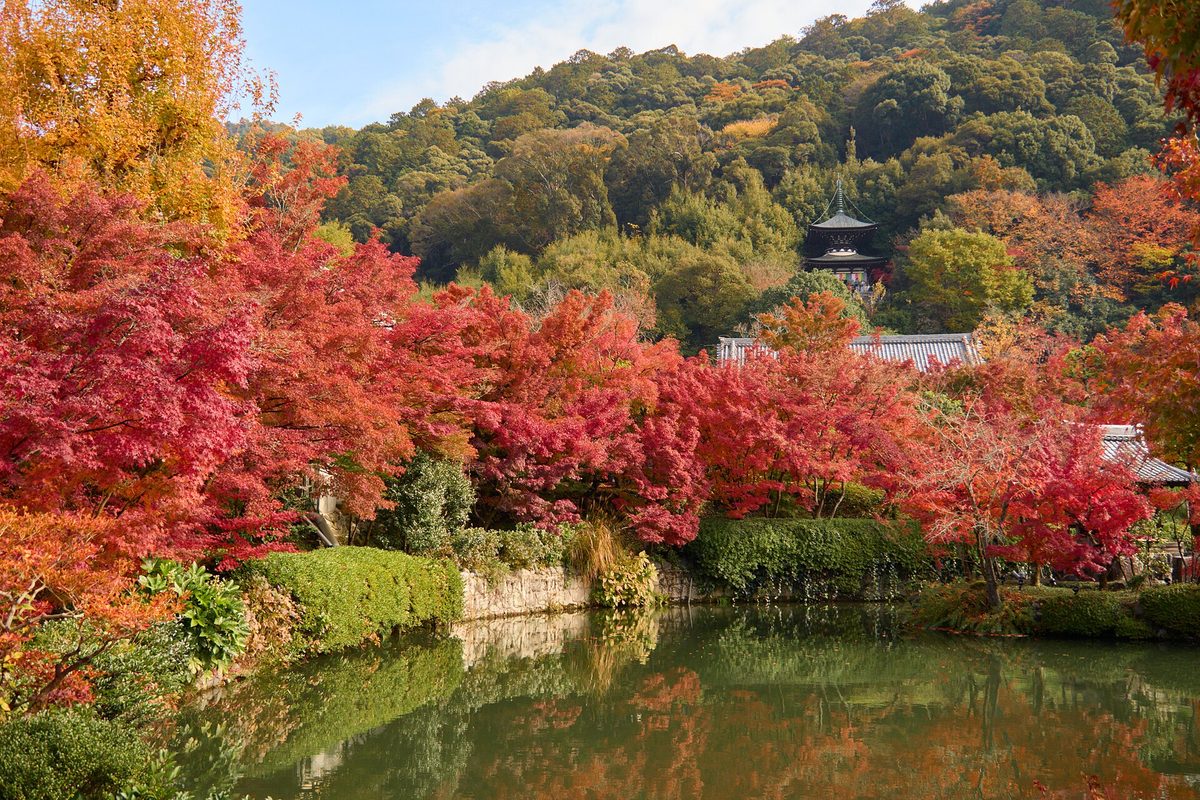
Planning autumn leaves in Kyoto (Kyoto), with a stop in Tokyo (Tokyo)? A red-leaf forecast, a temple's illumination dates and its admission rules answer different questions. This guide helps you choose a visit without assuming that every garden peaks together or that a daytime ticket covers the evening.
It is natural to want both the bright leaves and the view after dark. Start with a place you want to see, then check its current leaf report and its own ticket rules.
- Use the 2026 forecasts as a guide, not a promise for an individual temple.
- Kiyomizu-dera needs no night reservation; Eikando sells same-day tickets and clears the grounds between daytime and evening visits.
- Rikugien needs a separate night ticket; ticket-sale details were still pending when checked.
- Keep paths open. Photography and tripod rules depend on the site.
When are the leaves expected in 2026?
The Japan Weather Association's forecast, published on October 1, 2026, expects western Japan to reach peak color around the usual time or later. Its forecast can change. For a familiar planning window, the Kyoto Prefecture Tourism Federation lists Kiyomizu-dera's autumn leaves in late November to early December; that is a general seasonal guide, not a confirmed peak for this year.
The Japan Meteorological Corporation's separate forecast, also published on October 1, 2026, gives the dates below. Its city dates refer to the first day when most leaves on the reference tree have changed color, using Japan Meteorological Agency observation criteria. They do not predict that every temple or garden in the city will be at its best on that day. Maple and ginkgo dates also differ.
In particular, the city maple forecast can fall after an illumination has ended. Do not delay a temple visit solely to match the city date. The Kyoto City Tourism Association's autumn leaf reports still show last year's conditions as reference material; the 2026 survey is scheduled to start on October 30. Check the year on the report before treating it as today's conditions.
Kyoto (Kyoto): night openings
Kiyomizu-dera: no night reservation
The temple confirms autumn night viewing for 2026-11-21 to 2026-11-30. The official event listing for Kyoto (Kyoto) gives the evening hours as 17:30–21:00 for reception, with admission of 500 yen for adults and 200 yen for elementary and junior-high pupils. The temple closes at 21:30 and explicitly says reservations are not needed. Its regular opening time is 6:00, which makes an early daytime visit an option if you prefer daylight.
Follow the temple's current entrance signs and ticket guidance. Do not assume that another site's reserved-entry system applies here. Its FAQ directs visitors to current notices for leaf conditions.
Eikando: same-day ticket, separate evening session
Night illumination runs 2026-11-20 to 2026-12-6, with reception 17:30–20:30 and closure at 21:00. Night admission is 1,000 yen for junior-high age and above. The temple does not issue advance tickets for the autumn exhibition or illumination: buy on the day, and the ticket is valid only that day. Daytime and evening visits are separate sessions, so you cannot stay inside from the daytime exhibition into the illumination.
Eikando expects especially heavy attendance in late November and may end reception early for crowd management. Leave room in your plan for a queue rather than arriving just before the advertised cutoff. The temple asks visitors to use public transport during this period.
Daigo-ji: a night ticket you can buy before you go
If you would rather hold a ticket before the day, Daigo-ji in the southeast of Kyoto (Kyoto) is another night option. A booking site already sells its autumn night viewing as an open pass for one entry at any time from November 20 to December 6, 2026, with last admission at 20:10. Daytime and evening admission run separately. The temple's own 2026 notice had not been posted when we checked on October 14, 2026, so check the temple's website again before you go.
Tokyo (Tokyo): Rikugien's separate night ticket
The Tokyo Metropolitan Park Association announced this year's event on September 3, 2026. It runs 2026-11-25 to 2026-12-6, from 18:00–20:30, with last entry at 19:30. The garden closes at 17:00 and reopens for the evening, which requires a night-viewing ticket.
Announced prices are 1,000 yen for advance online tickets and 1,200 yen for same-day tickets, sold online or at the gate; gate sales are cash only. Ticket numbers are limited. The announcement says the sale date and detailed sales method will be announced later, so this guide does not claim that booking is already open. Follow the official event page below for updates.
The garden's usual guide describes the maples around Tsutsuji-no-chaya turning red in late November. Treat this as a seasonal clue, not a guarantee for your visit.
Busy places and times: make room in your plan
The city's tourism guidance for Kyoto (Kyoto) identifies mid-November to early December as a particularly busy visitor season. Its morning-tourism advice suggests visits before 9:00 where the site's opening hours allow. That is a planning option, not a promise of empty paths. Evening illuminations can have their own queues, as Eikando's crowd warning makes clear.
Before choosing a route, check the official crowding map and live cameras (affiliate link). The tourism association also suggests outer areas such as Ohara and Takao as alternatives to central sightseeing. Choose a reachable area and check opening hours rather than trying to fit several distant temples into one evening.
Photos, tripods and stopping on paths
- Kiyomizu-dera: no drone, monopod or tripod photography. Do not sit down or spend a long time photographing from the same spot if you obstruct worshippers or pedestrians. Commercial filming and location shoots require permission.
- Eikando: no monopods or tripods in the grounds. Photography of cultural treasures inside the halls is prohibited. Selfie sticks are prohibited inside, and the temple asks visitors to avoid them in crowded parts of the grounds.
- Rikugien: the night announcement checked for this guide does not set out a specific tripod rule. Check current signs and staff guidance rather than assuming the temple rules also apply to this garden.
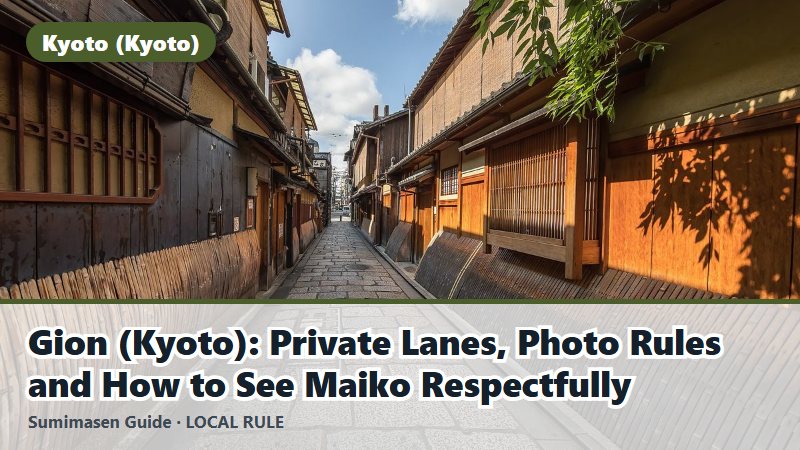
For a handheld leaf photo, find a permitted spot where you can stand without blocking the route, take the picture, then let others pass. Stay out of planted areas and respect no-photo signs. For the wider customs, read shrine and temple etiquette; if your route includes Gion (Kyoto), see the private-lane and photography rules rather than treating the whole neighborhood as a photo location.
Before you leave
Choose your daytime garden or evening temple first. Check that day's leaf report, the venue's notice and the ticket arrangement, and keep enough time to travel and queue. A flexible plan is more useful than a promise of peak leaves on one date.
Last reviewed: October 13, 2026. Forecasts, ticket sales, prices and opening arrangements can change. Check the official pages again before visiting.
Official sources (checked October 2026)
- Japan Weather Association: autumn forecast published October 1, 2026 (Japanese)
- Japan Meteorological Corporation: 2nd autumn forecast, October 1, 2026 (Japanese)
- Kyoto Prefecture Tourism Federation: Kiyomizu-dera's general autumn season (Japanese)
- Kyoto City Tourism Association: leaf reports and survey year (Japanese)
- Kiyomizu-dera: 2026 night viewing and no-reservation notice (Japanese)
- Kiyomizu-dera: 2026 opening hours (Japanese)
- Kyoto (Kyoto) official event listing: Kiyomizu-dera night reception and admission (Japanese)
- Kiyomizu-dera: photography and visitor rules (Japanese)
- Eikando: autumn night admission, session changes and photo rules (Japanese)
- Tokyo Metropolitan Park Association: Rikugien night viewing announcement, September 3, 2026 (Japanese)
- Tokyo Metropolitan Park Association: Rikugien garden guide (Japanese)
- Kyoto (Kyoto) tourism FAQ: busy seasons (Japanese)
- Kyoto City Tourism Association: morning and night sightseeing (English)
- Kyoto (Kyoto) tourism FAQ: avoiding autumn crowds (English)
- Kyoto City Tourism Association: crowding map (Japanese)