Kamikochi (Nagano): No Private Cars, and How to Get There by Bus or Taxi
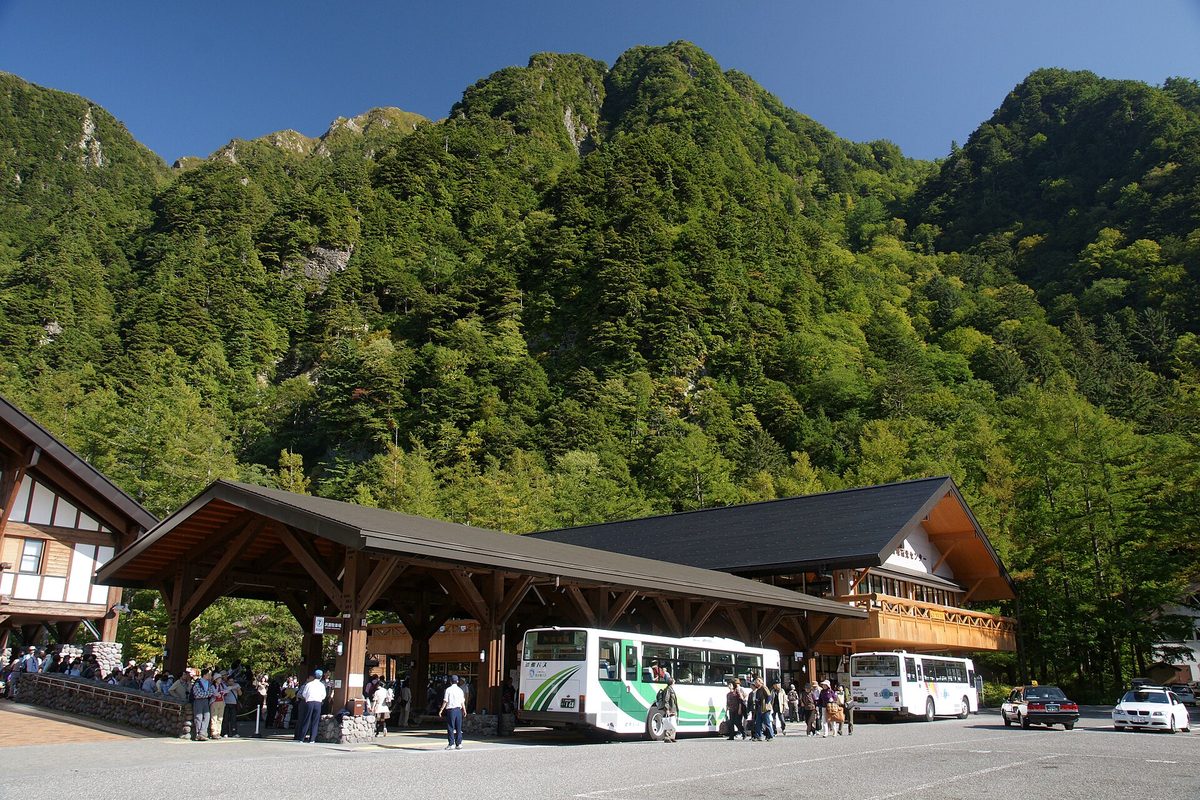
Kamikochi (Nagano) is a high mountain valley in the Chubu Sangaku National Park, famous for the Azusa River, Kappa Bridge and the peaks of the Northern Alps. One thing catches out visitors with rental cars: you cannot drive your own car into Kamikochi (Nagano). You park outside and switch to a bus or taxi. This guide explains the rule, the two gateways, the 2026 season dates and prices, and the bus reservations that started in 2025, using the Ministry of the Environment and the bus company's own pages (checked October 2026).
This page may contain affiliate links. If you buy through them, we may earn a commission at no extra cost to you.
- What the car rule is, and when the road is open
- Driving: where to park and switch
- Public transport from Matsumoto (Nagano) and Takayama (Gifu)
- Which buses need a reservation
The rule in one paragraph
During the 2026 season, April 17 to November 15, the Ministry of the Environment says private cars cannot be driven into Kamikochi (Nagano), for traffic safety and to protect the natural environment. Only buses, taxis and bicycles may use the road, and only from 5:00 to 19:00 (5:00 to 20:00 in July and August). Outside those hours even buses, taxis and bicycles can't pass. The official Kamikochi (Nagano) website adds that private cars and motorcycles are kept out throughout the year. Between November 16 and April 16 there are no buses into Kamikochi (Nagano) at all.
Two gateways: park, then switch
- From the Matsumoto (Nagano) side: park at the Sawando parking lots and change to a bus or taxi. The Ministry lists parking at 800 yen per day for a car.
- From the Takayama (Gifu) side: park at the Akandana parking lot near Hirayu Onsen and change to a bus or taxi. Parking is 600 yen per 24 hours for a car.
The shuttle from Sawando is a non-reserved bus: buy the ticket on the day and join the queue, according to ALPICO, the bus operator. It adds extra buses on busy days but can't guarantee a seat on the first bus, and there is no toilet on board.
Bus or taxi from the parking lot?
The Ministry's notice lists bus fares of 1,600 yen one way or 3,000 yen round trip between Sawando and Kamikochi (Nagano), and 1,500 yen or 2,800 yen between Akandana or Hirayu and Kamikochi (Nagano). Taxis charge fixed fares; from Hirayu, the Abo Tunnel toll is charged separately. A round-trip bus ticket from Sawando can be used for the return within 7 days of the outbound trip, according to ALPICO.
Without a car: from Matsumoto (Nagano) or Takayama (Gifu)
- From Matsumoto Station: take the ALPICO railway line (not JR) to Shin-Shimashima, then the bus. ALPICO says the train ticket, 710 yen, is sold at vending machines at Matsumoto Station and is cash only. Two direct buses, the "National Park Liner," leave the bus terminal in Matsumoto (Nagano) at 5:30 and 10:15, and there is no direct bus back.
- From Takayama Station: bus to Hirayu Onsen, then the bus to Kamikochi (Nagano).
Book the bus from the Matsumoto (Nagano) side. The Ministry says that since 2025 the bus between Shin-Shimashima and Kamikochi (Nagano) runs on reservations in both directions. ALPICO's timetable page for Matsumoto (Nagano) and Kamikochi (Nagano) says reservations open one month before travel, and that you can buy a ticket at the counter on the day only if seats are left; online and counter sales share the same seats. Cancelling costs 100 yen per person.
One more rule from ALPICO: bear spray may not be carried in the bus cabin. If you bring it for hiking, check ALPICO's notice before you travel. Before you set off on the trails, read our guide to trail manners, bears and wildlife in Kamikochi (Nagano).
Quick checklist
- Check that your date is between April 17 and November 15 (2026 season).
- Coming by rental car? Navigate to Sawando or Akandana, not to Kamikochi (Nagano) itself.
- Coming by train from Matsumoto (Nagano)? Reserve the Shin-Shimashima bus up to a month ahead, and carry cash for the train ticket.
- Check the last bus back before you start walking.
The castle in town is worth a stop too: see what to expect inside Matsumoto Castle.
Last reviewed: October 4, 2026. The Ministry says the July and August road hours are planned to become 5:00 to 19:00 from the 2027 season. Season dates, fares and timetables are updated each spring; please confirm on the official pages below.