Mt. Fuji Outside the Climbing Season: Closed Trails, the Rules, and Why It's So Dangerous
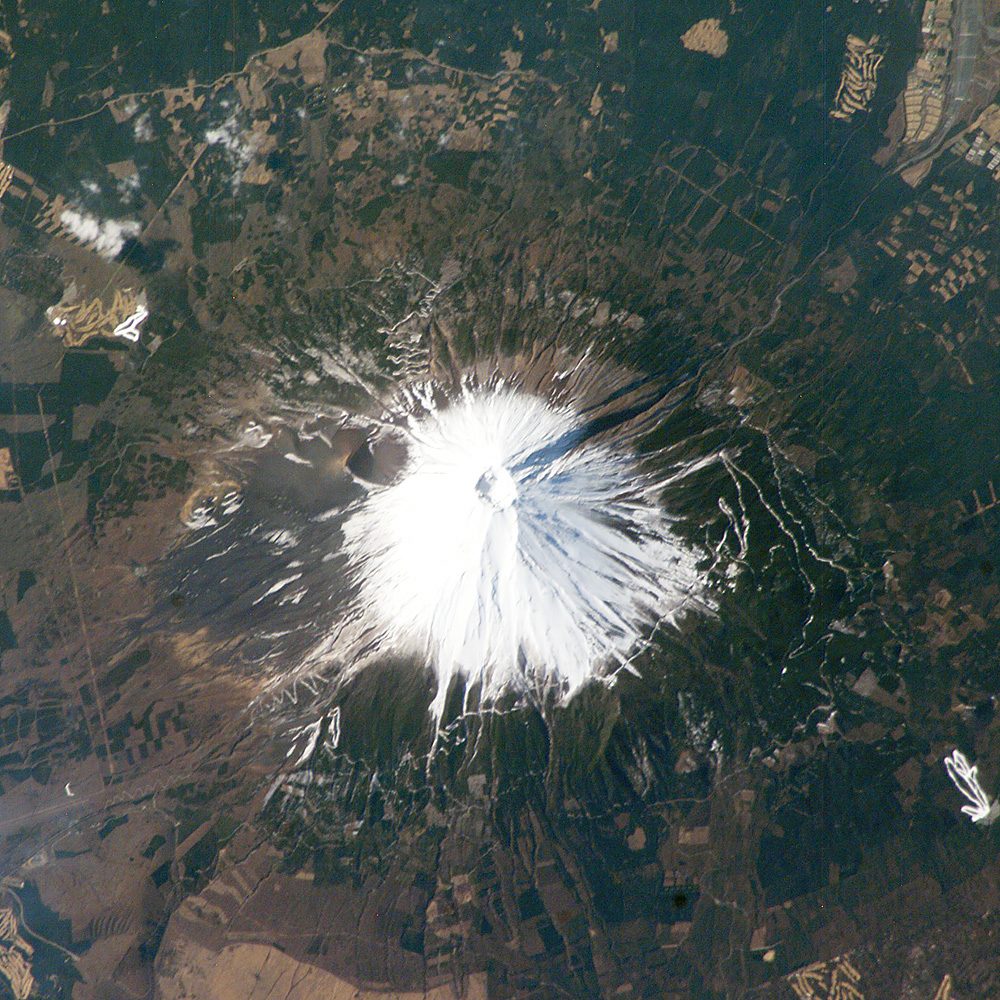
From mid-September to early July, Mt. Fuji looks calm and inviting from the lakes below, and every year some visitors decide to climb it anyway. The trails are officially closed in this period, the huts and first-aid stations are shut, and the weather near the summit is harsh: freezing cold and very strong winds. Rescues in this season put rescuers' lives at risk too. In September 2026, Yamanashi Prefecture announced plans to start charging for helicopter rescues of unprepared climbers. This guide explains, from the official climbing site and the prefectures' pages, what the rules are, why the mountain is so dangerous outside the season, and what you can enjoy instead.
This page may contain affiliate links. If you buy through them, we may earn a commission at no extra cost to you.
- When the trails are open, and the legal basis for the closure
- Six reasons the closed season is dangerous
- The three rules for off-season climbers
- Yamanashi Prefecture's new plans, and the safe alternatives
Please read this first. The official climbing site says it absolutely does not recommend climbing Mt. Fuji outside the season. This page explains the rules; it is not a guide to climbing in winter. Checked October 2026.
When the trails are closed
The official climbing site gives the usual season above the 5th stations as July 1 to September 10 on the Yoshida Trail (Yamanashi) and the Subashiri Trail (Shizuoka), and July 10 to September 10 on the other two Shizuoka trails (Fujinomiya and Gotemba). The rest of the year, the trails from the 5th station to the summit are closed to use under Article 46 of the Road Act (on one Shizuoka trail, from the 6th station up for part of the year). The site warns that violating the closure may be punished by imprisonment of up to six months or a fine of up to 300,000 yen.
Six reasons the closed season is dangerous
The official site lists these, and says even experienced climbers with knowledge and equipment have died:
- Cold: for most of the closed season, the summit is below freezing, and from November to April it averages below minus 10°C.
- Wind: average wind speeds are said to exceed 15 m/s, with gusts over 40 m/s. Volcanic gravel and snow are blown into faces, and people are blown over or slide on ice; early spring sees many accidents.
- No facilities: first-aid stations, toilets and mountain huts are closed and can't be used as shelters. Breaking into them is a crime; there have been break-ins, theft and even arson.
- Trails aren't maintained: after the season, landslide damage isn't repaired, and signs, maps and guide ropes are removed. Rockfall risk goes up.
- Almost no phone signal: extra mobile base stations installed for the summer are removed, and power to facilities is cut.
- Rescue may be impossible: severe weather can stop rescues, and puts the rescuers at risk too.
The site also asks people not to climb just before or after the season: that's when huts are repaired and erosion control work is done, with work vehicles on the trails.
The three rules for off-season climbers
A guideline agreed in 2013 by the national government, the two prefectures, local governments and others (the "Guidelines for safe climbing on Mt. Fuji") sets three rules for climbing outside the summer season:
- Climbing without full preparation is prohibited. Only people with enough skill, experience, knowledge, equipment and a plan should even consider it.
- A climbing plan must be prepared and submitted. Submitting it does not mean you're permitted to use the closed trail.
- Carry a portable toilet and take your waste home, since the toilets are closed.
What's changing: Yamanashi Prefecture's plans
On September 14, 2026, Yamanashi Prefecture announced the direction of a package of measures against reckless climbing in the closed season:
- Fees for rescue by the prefecture's disaster-prevention helicopter, reduced or waived for climbers who submitted a climbing plan and took proper safety measures (equipment, plan and insurance meeting the standards, and acting according to the plan).
- A new Mt. Fuji climbing registration system (provisional name).
- Stronger measures to stop people entering closed trails, and more publicity.
The prefecture says it will consult the people concerned and introduce the measures that can be implemented, so details such as the fee amount and the start date were not fixed when we checked. If you're reading this later, check the prefecture's page for the current rules.
What to do instead
- Visit a 5th station by road, when the roads are open. On the Yamanashi side, the toll road to the 5th station is open year-round within its operating hours, weather permitting; see our guide to visiting without climbing.
- See the mountain from below. The Ministry of the Environment has picked 100 viewpoints of Mt. Fuji in and around the national park.
- Plan the climb for next summer. The rules for the season are in our climbing rules guide.
Quick checklist
- Between September 10 and early July, the trails above the 5th stations are closed.
- No winter mountaineering skills, gear and submitted plan? Don't go up.
- Rescue may be impossible, and Yamanashi Prefecture plans to charge for helicopter rescues.
- Enjoy a 5th station or a view instead, and climb in summer.
Mt. Fuji also appears in "Please don't": what made the news. More on our Mt. Fuji area page.
Last reviewed: October 4, 2026. Yamanashi Prefecture's new measures were still being designed. Please check the official pages below.
References
- Official Website for Mt. Fuji Climbing: Outside the climbing season
- Council for the Proper Use of Mt. Fuji: Guidelines for safe climbing on Mt. Fuji (Japanese, PDF)
- Yamanashi Prefecture: Package of measures against reckless climbing in the closed season (Japanese, September 14, 2026)
- Ministry of the Environment: Mt. Fuji climber numbers, summer 2025, with off-season rules (Japanese, PDF)