Tax-Free Shopping Changes on Nov 1, 2026: How the New Refund Works
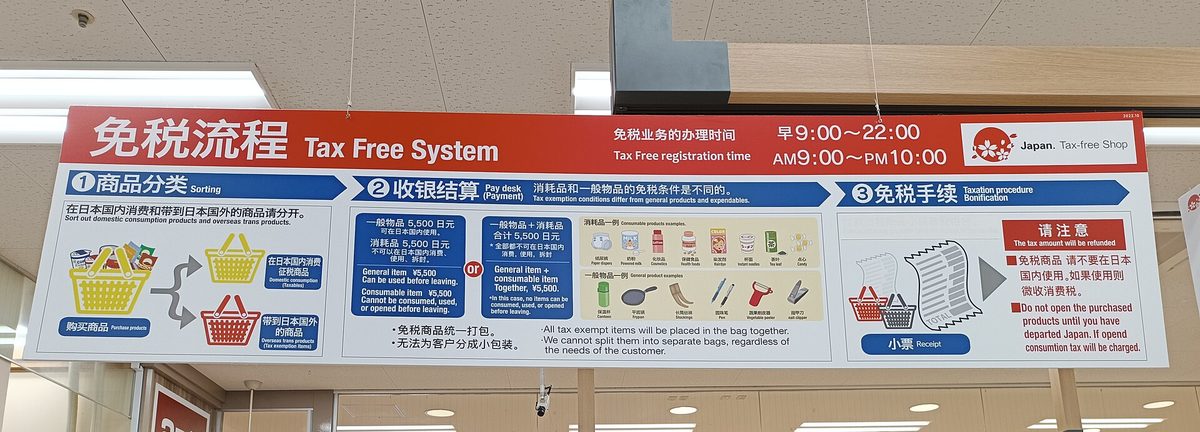
If you have shopped tax-free in Japan before, you probably remember the routine: show your passport at the register, and the price you pay already has the consumption tax taken off. From November 1, 2026, that routine changes. You will pay the full price, tax included, and get the tax back after Japan Customs confirms at the airport or seaport that you are taking the goods out of the country. This guide explains the new steps in order, using what Japan's National Tax Agency and Japan Tourism Agency publish, so the refund you are expecting doesn't slip away at the last minute.
This page may contain affiliate links. If you buy through them, we may earn a commission at no extra cost to you.
- What changes on November 1, 2026 (and what doesn't)
- The airport step you must do before checking your bags
- The one rule that can cancel a whole receipt's refund
- How and when the money comes back
Please read this first. This is a plain-English guide, not tax advice. The rules come from Japan's National Tax Agency (NTA) and Japan Tourism Agency (JTA), and how each shop pays the refund is up to that shop. Always check the leaflet the store gives you and the official pages linked at the end.
What changes, in one sentence
The JTA puts it simply: for purchases made on or after November 1, 2026, shops sell at the tax-inclusive price, and the amount equivalent to the consumption tax is refunded after a customs inspection at departure confirms the goods are leaving Japan. The NTA adds that there is no transition period in which the old and new systems run side by side. What counts is the purchase date, not your departure date: buy on October 31 and the old rules apply; buy on November 1 and the new ones do.
| Until Oct 31, 2026 | From Nov 1, 2026 | |
|---|---|---|
| Price at the register | Tax already removed | Full price, tax included |
| When you get the tax back | At the register | After customs confirms at departure |
| Minimum spend | 5,000 yen | 5,000 yen or more (before tax) per store per day |
| Consumables (food, cosmetics) limit | Up to 500,000 yen, sealed special packaging | Limit and special packaging abolished |
| Deadline | — | Depart within 90 days of the purchase date |
Two details from the NTA explain the new limits. First, the 90 days are counted from the day after the purchase: the NTA's own example says goods bought on November 1 must be confirmed by customs by January 30 of the following year. Second, because the separate shipping option was already abolished on March 31, 2025, you can only buy what you can personally carry out of Japan when you leave.
The new process, step by step
1. At the shop
You still show your passport, as before. The difference is that you pay the tax-inclusive price. JTA says the steps for getting your refund will be explained at the shop, and that refund methods vary by shop. The NTA lists examples such as bank transfer, credit card, app-based payment, or cash at the departure port after customs confirmation. Ask before you pay: "How will I get the refund, and when?"
If you registered with Visit Japan Web (Japan's free official entry website), JTA notes that procedures at tax-free stores can go more smoothly. Note that Visit Japan Web's tax-free QR code is only for travelers of foreign nationality staying as "temporary visitor," diplomatic or official status, and that a screenshot of the code cannot be used.
2. During your trip
This is where most lost refunds will happen. Customs checks one receipt at a time, and JTA is clear: if you no longer have even one item from a receipt, none of the goods on that receipt can be confirmed, including the ones you still have. If you ate or used part of what you bought, JTA says not to use the kiosk for it and to tell a customs officer at the counter instead.
A practical habit: ask the shop to put things you plan to use in Japan (a snack, a lotion for the trip) on a separate purchase from things you are taking home. Keep in mind the 5,000 yen minimum applies per store per day.
3. At the airport or seaport
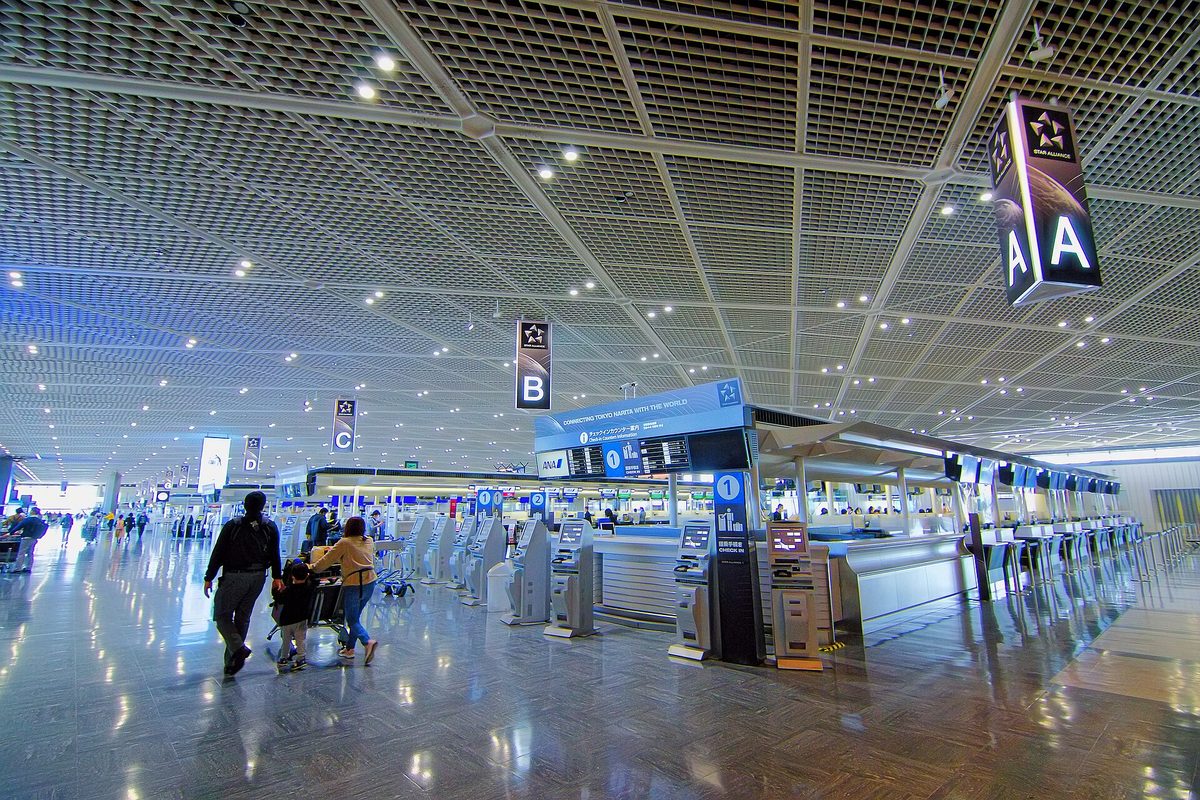
The kiosks and customs inspection areas are in the international departure lobby, before baggage check-in. JTA's warnings are worth reading slowly:
- You must have all the tax-free goods with you when you scan your passport, so you cannot do it after checking in your luggage.
- You cannot get luggage back from the airline once it is checked in just to do the tax-free procedure.
- If you run out of time and abandon the inspection, it counts as not completed. Neither the airline nor Customs compensates you if you miss your departure because of it.
- Flying domestic first? Do the procedure at the airport where you actually leave Japan.
At seven airports (Narita Airport, Haneda Airport, Kansai Airport, Chubu Airport, Fukuoka Airport, New Chitose Airport and Naha Airport), you can also do the check online through Visit Japan Web, but only while connected to the dedicated Wi-Fi in designated areas of the departure lobby, up to the security checkpoint. JTA says the kiosk itself takes only a few seconds from passport scan to result; the time risk comes from a red result and the queue.
4. The refund
JTA says the refund is generally processed after the sale is confirmed through the customs inspection, and that the timing and method depend on the shop. Keep your receipts and any refund registration details until the money arrives.
Don't take tax-free goods and then keep them in Japan. JTA warns that goods that passed customs inspection must be exported without delay. If they aren't, the exempted tax is collected and penalties can apply.
Your shopping-day checklist
- Carry your passport (the original) when you shop.
- At each store, ask how the refund is paid, and register it before you leave the counter.
- Keep "use in Japan" items on a separate receipt from "take home" items.
- Pack every tax-free item in your carry-on or keep it out until you have passed the kiosk.
- Arrive at the airport early. Go to the tax-free kiosk before the airline check-in counter.
- Your 90 days start the day after you buy. If you are staying longer than that, the purchase won't qualify.
Leaving Japan also means paying the departure tax, which tripled on July 1, 2026. It's already in most ticket prices, but here is who pays the new 3,000 yen and who doesn't. And because new systems attract copycats, read how to spot fake "official" Visit Japan Web sites before you register.
Last reviewed: October 4, 2026. The system starts November 1, 2026 and details may be updated. Please confirm on the official pages below before you shop.
References
- Japan Tourism Agency: Special page for travelers (English) — Refund Method
- Japan Tourism Agency: Frequently Asked Questions for Travelers (Refund Method)
- Japan Tourism Agency: Refund Method leaflet for travelers (English, PDF)
- National Tax Agency: Shift to the Refund Method (Japanese, PDF, April 2025)
- National Tax Agency: Review of the tax-free shop system (Refund Method) (Japanese)
- Digital Agency: How to use Visit Japan Web (Japanese)
- JNTO: Everything You Need to Know: Japan's New Tax-Free Shopping System