Fake 'Official' Sites and Fake Police: New Scams That Target Visitors
Most scam warnings about Japan are about nightlife: overpriced bars, pushy touts. The newer tricks are quieter, and they work because they look official. A website that looks like Japan's entry system and asks for a "processing fee." Someone who says they are a police officer and asks you to pay a bicycle fine in cash. Japan's own government agencies have issued warnings about both. This guide shows what the real procedures look like, so a fake one stands out immediately. If you have already paid something, that happens to careful people too, and there are steps at the end.
This page may contain affiliate links. If you buy through them, we may earn a commission at no extra cost to you.
- Fake Visit Japan Web sites and "QR code services" that charge fees
- Fake officers asking for bicycle fines on the spot
- How real fines for street smoking are collected (so you can tell)
- What to do if you already paid
The rule that catches almost every one of these
Each warning below comes down to the same fact, stated by a government office: the real procedure doesn't work that way. Japan Customs doesn't charge for entry declarations. Police don't collect traffic fines on the street. Once you know how the real thing is done, you don't need to judge whether a person or website "seems legitimate."
1. Fake Visit Japan Web sites and paid "QR code" services
Visit Japan Web is the free website run by Japan's Digital Agency where you register your immigration and customs information before arrival and get QR codes to show at the airport. Because many travelers search for it in a hurry, copies have appeared.
- On May 28, 2026, Japan Customs warned that fake websites impersonating Visit Japan Web, and private websites offering "application assistance," had been found overseas. Reported cases include travelers who were sent to a fake site and asked for money or personal information as an "application processing fee," and travelers who paid a site that offered to create their Visit Japan Web QR code.
- Customs states that it does not charge any fee for the electronic declaration needed on arrival, and that Visit Japan Web is free.
- The Digital Agency published a similar warning on June 5, 2025 about sites demanding fees to generate the QR codes, and on December 14, 2023 warned about a suspicious app called "Visit Japan Web info."
How to get the real one: Japan Customs links to https://www.vjw.digital.go.jp. The Digital Agency describes Visit Japan Web as a web service (a website), so you don't need to install anything. Type the address yourself or follow the link from an official site (Japan Customs, JNTO, your airline), rather than clicking a search ad. If a page asks you to pay for anything, close it.
Visit Japan Web can also be used for tax-free shopping, and the tax-free system changes on November 1, 2026. Refunds are paid by the shop or its refund provider, and the steps are explained at the shop. See how the new tax-free refund works.
2. Fake police asking for bicycle fines
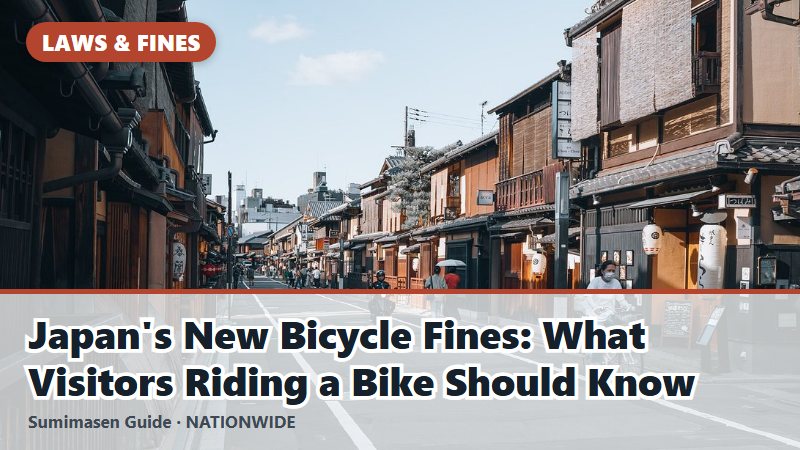
Since April 1, 2026, cyclists aged 16 and over can be given a "blue ticket" with a fixed fine for violations such as riding with a phone in hand. Saitama Prefectural Police have warned that people pretending to be police officers have used this new system as an excuse to demand money from cyclists.
The police are clear: officers never collect a fine at the scene. A real officer gives you a blue ticket and a payment slip, and you pay at a bank or post office. If someone asks for cash, don't pay; call 110 (police). Our bicycle fines guide explains the real process and amounts.
3. Street-smoking fines: how the real ones are collected
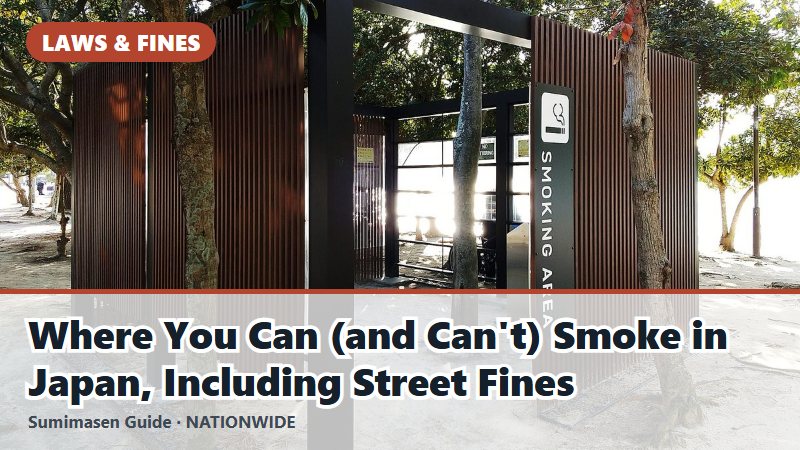
Some cities do collect a small fine on the spot for smoking on the street, so it helps to know what the real thing looks like.
- Kyoto City (Kyoto) says only its street-smoking monitors collect the 1,000 yen fine, that they wear their ID on the chest, and that they hand you a receipt issued by Kyoto City (Kyoto).
- Chiyoda City (Tokyo) says its staff always show ID, and the 2,000 yen fine is paid in cash on the spot or later with a payment slip.
If you are approached, it's fine to ask to see ID before paying. The amounts and areas are in our guide to where you can and can't smoke in Japan.
If you already paid
- Paid a fake site by card: contact your card company and ask them to stop the card and review the charge. Check your statement for other charges.
- Gave passport details to a fake site: keep a record (screenshots, the web address, the receipt email) and contact your country's embassy or consulate in Japan for advice.
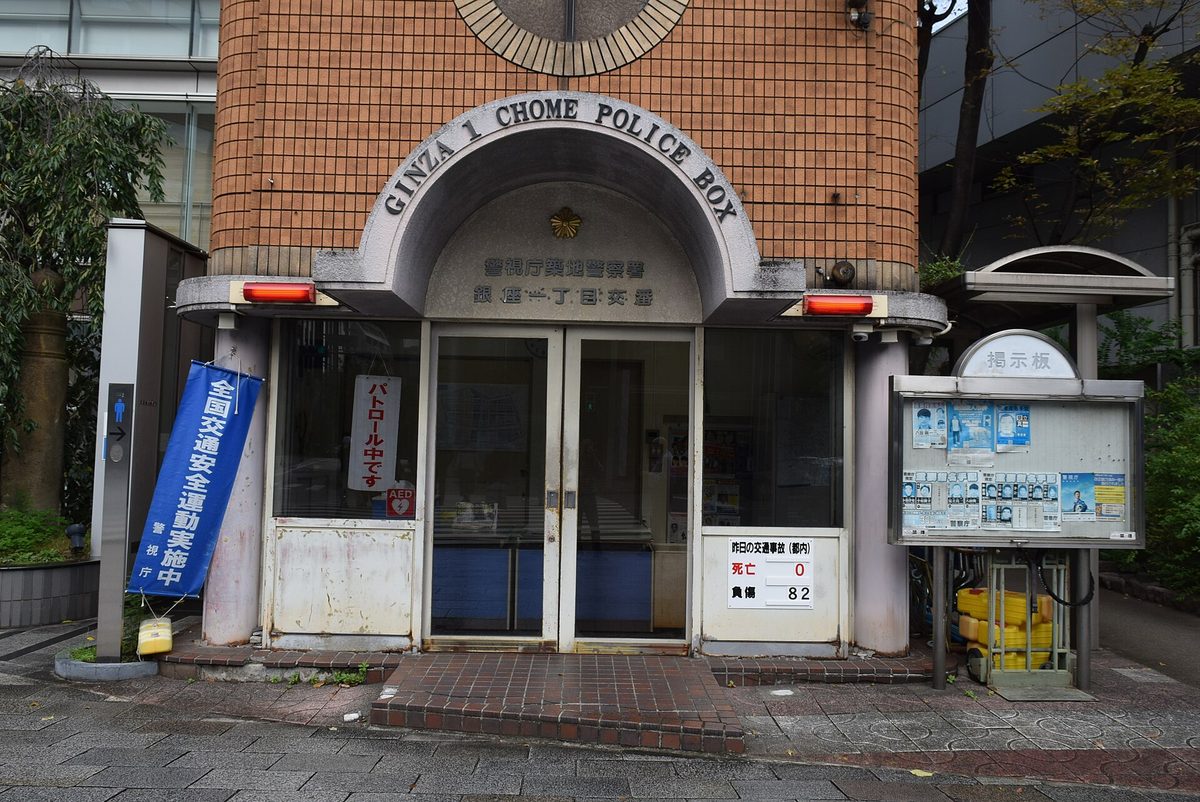
- Paid cash to someone posing as police: call 110, or visit the nearest police box (交番, koban). For help in English, Chinese or Korean, the Japan Visitor Hotline (JNTO) is open 24 hours: 050-3816-2787.
- Then do the real procedure through the official website. Nothing you paid a fake site counts toward it.
None of this means you have to be suspicious of everyone in Japan. It just means remembering three short facts: the entry website is free, the police don't take cash on the street, and real city staff carry ID. Have a safe trip.
Last reviewed: October 4, 2026. New scams appear often. Please check the latest warnings on the official pages below.
References
- Japan Customs: Beware of Fake Websites Related to Customs Procedures (May 28, 2026)
- Digital Agency: Notice on the use of Visit Japan Web (June 5, 2025, Japanese)
- Digital Agency: Visit Japan Web service page and notices (Japanese)
- Japan Customs: Electronic declaration gates and the Visit Japan Web address (Japanese)
- Saitama Prefectural Police: Warning about fake bicycle-fine collection (Japanese)
- Kyoto City (Kyoto): Public smoking areas and fine-collection areas
- Chiyoda City (Tokyo): Living Environment Ordinance FAQ (Japanese)
- JNTO: Japan Visitor Hotline