Getting Around Hakone (Kanagawa): Big Luggage, Bus Manners and the Freepass
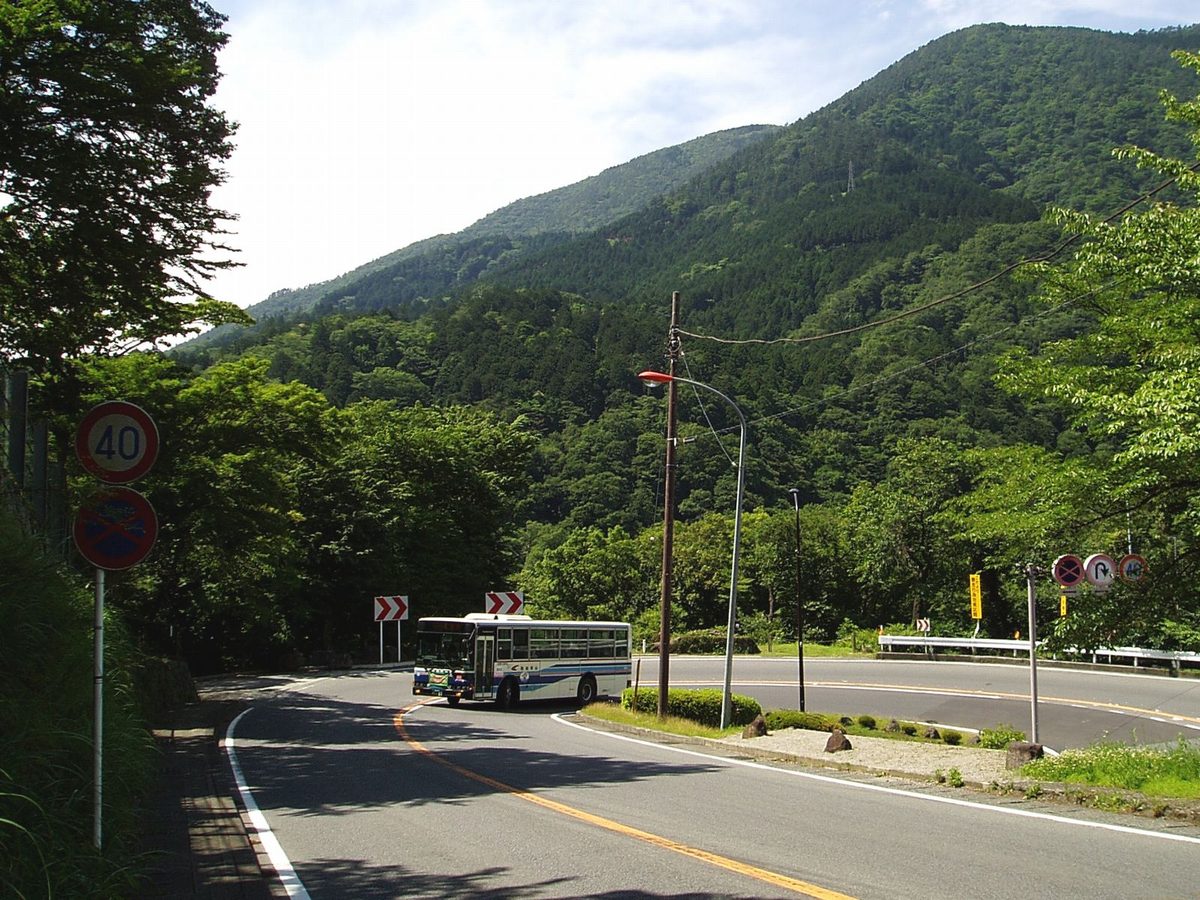
A day in Hakone (Kanagawa) usually means a loop of small mountain trains, a cable car, a ropeway, a boat across Lake Ashi and local buses. It's a wonderful trip, and a hard one with a suitcase: the vehicles are small, and on busy days they're full. The Hakone Tourism Association asks visitors to travel "hands-free", and there's a simple service that sends your bags from the station to your hotel. This guide covers that service, the manners the local buses ask for, and what the Freepass (Hakone Freepass) does and doesn't include, using the operators' and the Hakone Tourism Association's official information.
This page may contain affiliate links. If you buy through them, we may earn a commission at no extra cost to you.
- Sending your bags from the station to your hotel: times and prices
- Moving between hotels without your bags
- What the local buses ask of passengers
- The Freepass: prices, what it covers, and the "2 days" catch
Send your luggage ahead
The luggage transport service run from Yumoto (Hakone-Yumoto Station) takes your bags from the station to your hotel in the area, and back again when you leave:
- To your hotel: drop your bags at the counter inside the station between 8:30 and 12:00 on the day; pick them up at your hotel from 15:00.
- Back to the station: hand them to your hotel's front desk by 10:00 on the day; collect them at the station between 13:30 and 18:30. This direction can only be arranged through the hotel, not online.
- Price, per bag, one way: 1,500 yen for a regular bag (length + width + height up to 140 cm, up to 15 kg); 2,500 yen for a large one (up to 200 cm, up to 30 kg).
- Online booking (station to hotel only) by credit card; same-day bookings must be made by 11:30 and the bags checked in by 12:00.
- Only partner hotels are covered; check the list on the service page.
Some things can't be sent, including valuables, precision equipment, portable chargers (power banks), fragile items, full-size umbrellas, strollers and unpacked bottles or cans. Keep those in a day bag.
Moving between two hotels? The Hakone Tourism Association's bus and luggage leaflet describes a delivery service between accommodations, run with Yamato Transport: leave your bags at the hotel you're leaving by noon, and receive them at the next one from 18:00 or later that day. Ask your hotel's front desk. Coin lockers are also available around the area.
Riding the local buses
The same leaflet lists what passengers are asked not to do on buses in the area:
- no phone calls
- no eating
- no smoking
- no loud talking
- no music without earphones
- no drinks that can't be closed with a lid
- don't move around while the bus is moving
- don't leave trash on the bus
How paying works: board, take a numbered ticket (or tap your IC card such as Suica or PASMO on the reader), press the stop button when your stop is announced, and pay at the front when the bus has stopped. If you pay in cash, have the exact fare ready; the change machine can't break larger bills. If you top up an IC card on board, wait until the bus has stopped. With a pass, show it to the driver with the date visible. Wheelchairs and strollers can ride on most buses; wheelchairs have priority, and strollers must be folded when the bus is crowded.
For the general manners of trains and buses in Japan, including big luggage, see our trains and buses guide.
The Freepass: what you get
The Freepass (Hakone Freepass) from Odakyu is a 2-day or 3-day ticket for most transport in the area. According to Odakyu's official page, it gives unlimited rides on eight services: the mountain railway (Hakone Tozan Train), the cable car, the ropeway, the sightseeing cruise on Lake Ashi, the Tozan buses (designated areas), the "Kanko Shisetsu Meguri" sightseeing bus, Odakyu Highway Bus (designated areas) and Tokai Bus (designated areas). It also gets discounts at about 70 facilities.
- Prices: from Shinjuku (Tokyo), 7,100 yen for 2 days or 7,500 yen for 3 days (children 1,600 yen and 1,850 yen); from Odawara, which covers the area only, 6,000 yen or 6,400 yen (children 1,500 yen and 1,750 yen).
- The pass from Shinjuku (Tokyo) includes a round trip on the Odakyu Line to and from Odawara. The pass from Odawara doesn't.
- Romancecar: the limited express needs a separate limited express ticket, 1,200 yen one way for adults from Shinjuku (Tokyo) to Yumoto (Hakone-Yumoto).
- The "2 days" catch: Odakyu says the day you buy it counts as day 1, whatever the time. A 2-day pass ends with the last service on the next day; it is not 48 hours.
- Where to buy: ticket machines at Odakyu stations, or online as a digital pass.
Whether the pass saves money depends on your route; for a loop with the ropeway and the boat, compare it with single tickets on Odakyu's page. Remember that some people can't take the ropeway to Owakudani for health reasons; see our Owakudani guide before you plan the loop.
Quick checklist
- Staying at a partner hotel? Drop your bags at the station counter by 12:00.
- Keep power banks, valuables and fragile things in your day bag.
- On the bus: no calls, no eating, lidded drinks only, exact change ready.
- Freepass: "2 days" means today and tomorrow, not 48 hours.
Also in Kanagawa: eating while walking in Kamakura (Kanagawa) and volcanic gas at Owakudani. More on our Kamakura and Hakone (Kanagawa) page.
Last reviewed: October 4, 2026. Prices, times and partner hotels can change. Please confirm on the official pages below.