Owakudani in Hakone (Kanagawa): Volcanic Gas, Who Shouldn't Go, and the Guided Crater Walk
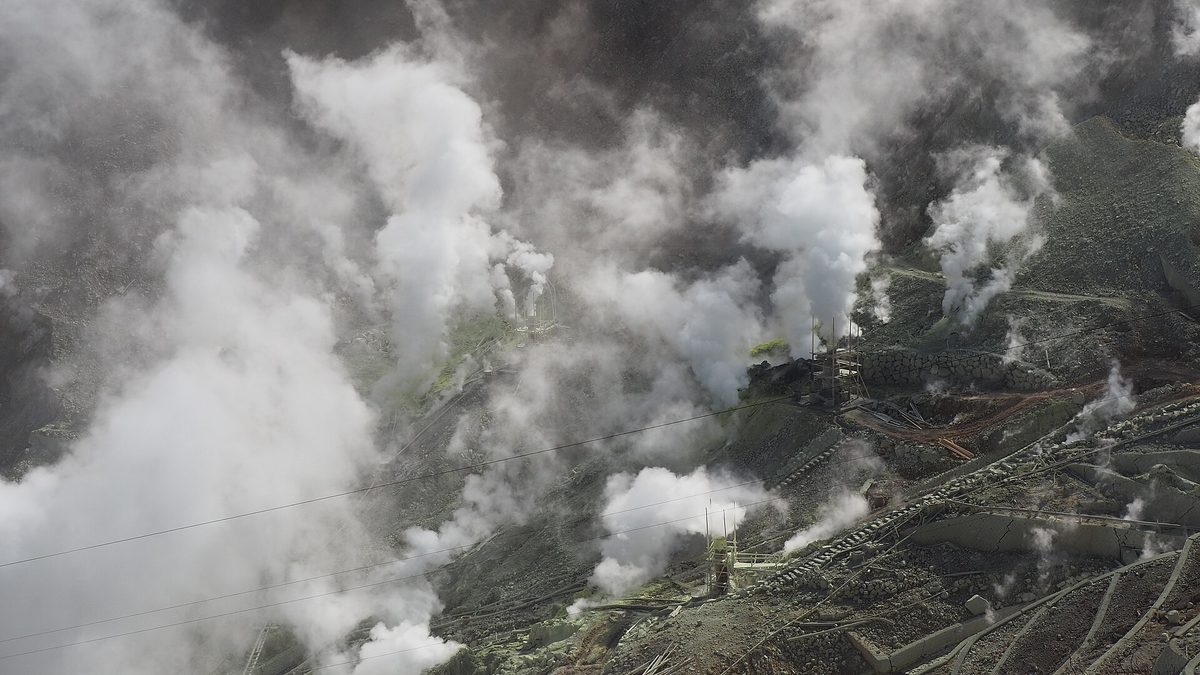
Owakudani, high in the mountains of Hakone (Kanagawa), is where the ground steams and smells of sulfur, and where the famous black eggs are boiled. It is also an active volcanic area. The gases rising from the vents, hydrogen sulfide and sulfur dioxide, are harmful, and for some people they can be life-threatening even at low levels. This guide explains, from the official pages of Kanagawa Prefecture, the Owakudani park office and the Hakone Tourism Association, who is asked not to visit, what the warning announcements mean, and how to join the guided walk along the steaming crater.
This page may contain affiliate links. If you buy through them, we may earn a commission at no extra cost to you.
- Who shouldn't get out of the car (or ride the ropeway) at Owakudani
- The three gas warning levels and what to do at each
- The guided crater walk: booking, age, fee, helmet
- Weather: fog, cold and very strong wind
Please read this first. This page is general information based on official pages (checked October 2026), not medical advice. If you have a heart or lung condition, follow the official guidance below and ask your doctor. On site, always follow announcements and staff instructions.
Who is asked not to visit
The Owakudani park's notice to visitors says that for the following people it is life-threatening, and they cannot sightsee outside their vehicle:
- people with allergic asthma
- people with bronchial disease
- people with respiratory (lung) disease
- people with heart disease
- people with a cardiac pacemaker
- anyone feeling unwell
It adds that pregnant women, newborns and infants, people prone to allergies, and older people may have an asthma-like attack from even very small amounts of gas, and should seriously consider not getting out of the car at all. The ropeway's notice applies the same list to riding the ropeway (Hakone Ropeway) to Owakudani Station: those six groups can't ride it, and in the gondola you're asked to cover your mouth and nose with the wet cloth that's handed out if you're concerned.
The Hakone Tourism Association's Owakudani page adds a simple rule for everyone: if the smell is strong, or your eyes, nose or throat sting, it's dangerous; leave the area.
The warning levels
Gas is monitored around the clock, and warnings are broadcast when it rises. The official thresholds are:
At the "caution information" level you'll be asked to go inside a building and the guided walk is stopped; at the "warning information" level you'll be asked to leave Owakudani. Listen for the broadcast and follow the monitors (staff) on site.
The guided crater walk
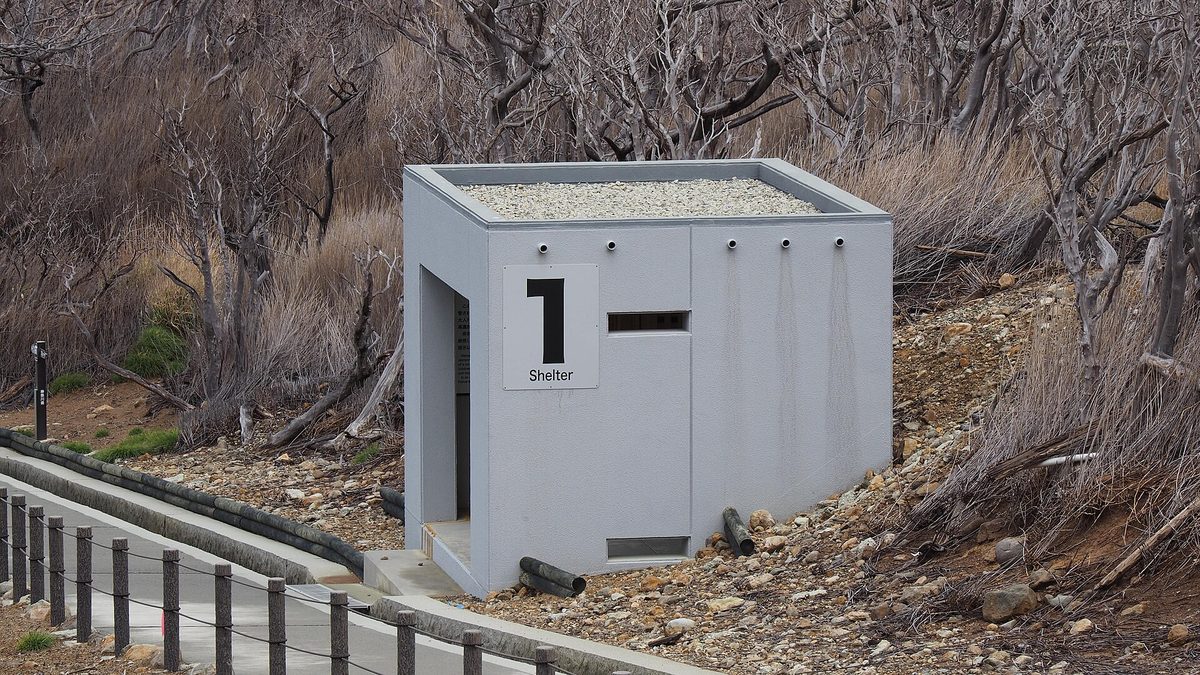
The nature trail (about 700 m) leads right past the steaming vents. It was closed after volcanic activity in 2015 and, once shelters against flying rocks and other safety measures were in place, reopened on March 28, 2022, but only as a guided walk. Kanagawa Prefecture describes how it works:
- Booking: reserve in advance on the website.
- Groups: 4 times a day, up to 30 people each time, about 40 minutes, with two monitors at the front and back.
- Who can join: no respiratory or heart disease; elementary school age or older; able to run away on your own in an emergency.
- Fee: a safety cooperation fee of 800 yen per person, paid at reception on the day by card or transit IC card only (no cash).
- On the walk: wear the helmet you're given and follow the monitors as a group.
- Cancelled when gas exceeds the standard, and in bad weather such as rain, strong wind or fog.
Weather and other safety points
- Altitude and cold: Owakudani is at about 1,040 m and often in fog. The park office says even in summer you'll want long sleeves and rain gear on cloudy or rainy days.
- Wind: it's exposed, and gusts can reach 40 m/s. The park warns that car doors blown open by the wind ("door punch" accidents) happen often; hold the door when you open it.
- Winter: roads can freeze or be snowy; drivers need winter tires.
- Heavy rain: paths are closed when debris flows are possible (the tourism association gives 20 mm of rain an hour, or 50 mm in a row, as the trigger).
- Restricted area: Kanagawa Prefecture says the area around Owakudani is designated as a restricted zone; stay on open paths and observe the barriers.
- Volcano status: the volcanic alert level for the Hakoneyama volcano is issued by the Japan Meteorological Agency; check it before you go. Hakone Town (Kanagawa) revised its hazard map in March 2025, and says the revision does not mean the danger has increased.
Quick checklist
- Asthma, lung or heart condition, or a pacemaker? Don't get out at Owakudani, and don't take the ropeway there.
- Pregnant, with a baby, or older? Consider skipping it, or staying in the car.
- Strong smell or stinging eyes or throat? Leave.
- Want the crater walk? Book online and bring a card or IC card.
Getting around Hakone (Kanagawa) by ropeway, boat and bus is covered in our guide to luggage, buses and passes. Planning an onsen stay? See how to use an onsen. More on our Kamakura and Hakone (Kanagawa) page.
Last reviewed: October 4, 2026. Conditions at Owakudani change with volcanic activity and weather. Please check the official pages below on the day.
References
- Owakudani park: Notice to visitors (Japanese)
- Kanagawa Prefecture: Owakudani park and the guided walk (Japanese)
- Hakone Tourism Association: Owakudani (Japanese)
- Ropeway operator (Hakone Ropeway): Important information about volcanic gas (multilingual, PDF)
- Kanagawa Prefecture: Information on Owakudani in Hakone (Kanagawa) (Japanese)
- Hakone Town (Kanagawa): Revised volcanic hazard map and evacuation plan (Japanese)
- Japan Meteorological Agency: Hakoneyama volcano (Japanese)