Ise Jingu Photo Rules: Where Cameras Aren't Allowed and Why Drones Are Banned
The cedar forests, the gravel paths and Uji Bridge make Ise Jingu in Ise (Mie) a beautiful place to photograph, and taking pictures is fine in much of the grounds. But the shrine restricts photography and filming in some places and in some ways, "to protect the dignity of the shrine and keep visitors safe." Drones, tripods for long shoots, live streaming and commercial filming are all on its list. This guide explains what is and isn't allowed, using Ise Jingu's own FAQ and the regional tourism organization (checked October 2026).
This page may contain affiliate links. If you buy through them, we may earn a commission at no extra cost to you.
- The shrine's list of things it firmly refuses
- The main sanctuary: photos only from below the stone steps
- Influencers and creators: what counts as commercial
- A photo tip: sunrise at Uji Bridge
What Ise Jingu firmly refuses
Ise Jingu's FAQ says photos and video inside the sacred grounds are restricted, and lists six things it "firmly refuses":
On top of these six, the shrine may ask you to stop filming if it judges it inappropriate. News, magazine, TV and website crews must apply in advance and get permission from the Jingu Administration Office.
The main sanctuary: stay below the steps
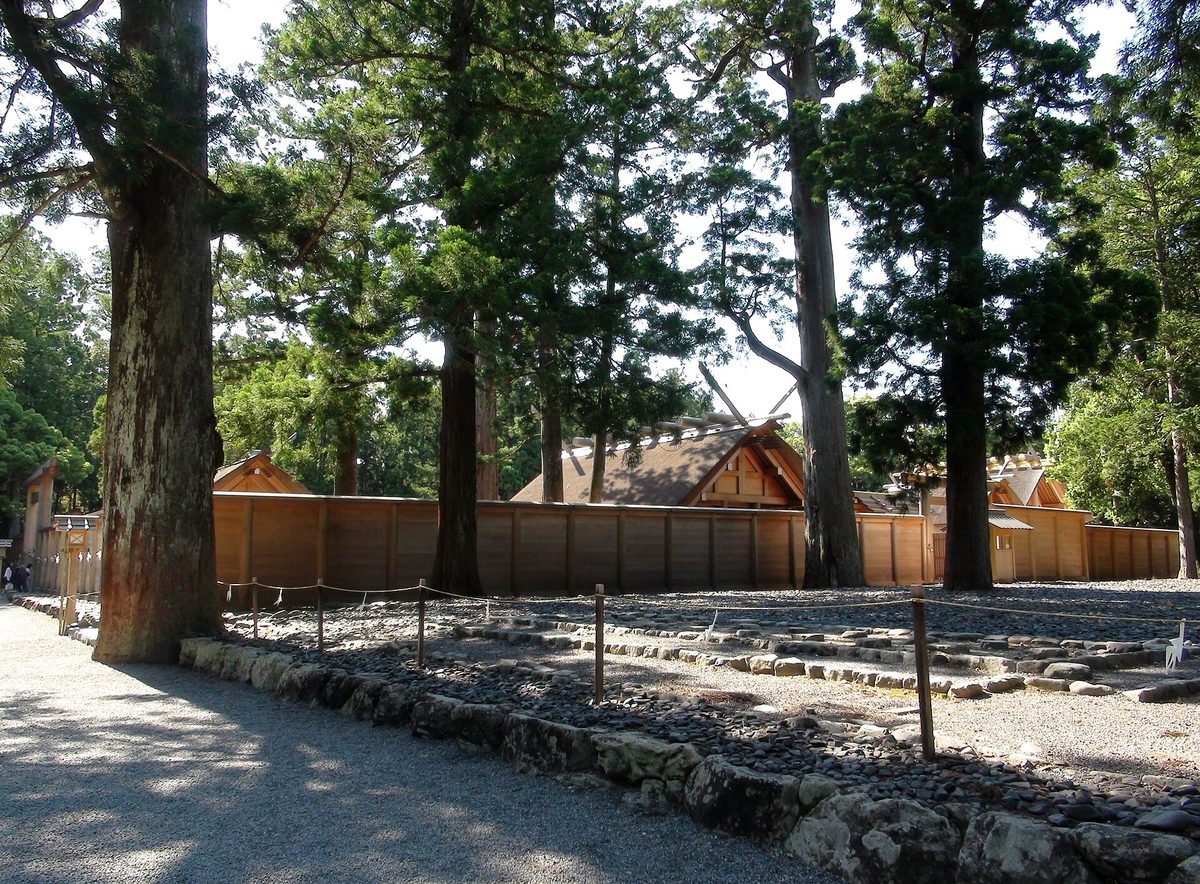
Each main sanctuary is surrounded by layers of fences. According to the regional tourism organization's guide, photography is prohibited beyond the stone steps in front of the outermost fence. At the Naiku, the deity is enshrined at the top of the stone steps, and you may take photos only from below them. The shrine's own first-visit guide marks no-photo places and recommended photo spots on its maps of the Geku and the Naiku.
Creators and influencers: read rule 6 twice
The commercial-use rule explicitly includes making money from publishing photos or videos. If your channel or account earns money from views or sponsorships, filming at Ise Jingu for it fits the shrine's description of commercial use, which it firmly refuses. Media coverage is handled separately, by prior application. Live streaming is refused in any case. Personal photos for your own memories are a different matter.
Drones are refused across the grounds. Other famous sites have similar rules; Todaiji in Nara (Nara), for example, prohibits drones on all of its grounds (see our Todaiji guide). Smoking rules and other manners are in visiting Ise Jingu: outer shrine first, which side to walk.
A photo tip from the shrine: sunrise at Uji Bridge
The shrine's FAQ says you can see the sun rise through the torii gate of Uji Bridge, the entrance to the Naiku, from late November to late January at around 7:30. Around the winter solstice, the sun rises straight in front of the torii. The grounds open at 5:00 every day, so an early start is possible. Please keep to the right on the bridge and don't block it while you wait.
Quick checklist
- Put the camera away from the stone steps of the main sanctuary inward.
- No drones, stepladders, live streams or long tripod setups.
- Filming for a monetized channel? Leave it out of your Ise Jingu visit.
- For the sunrise at Uji Bridge, come between late November and late January.
Last reviewed: October 4, 2026. Signs and staff instructions on site always take priority. Please confirm on the official pages below.