Japan New Year Closures 2026–2027: Shops, Banks, Museums, Trains and Hatsumode
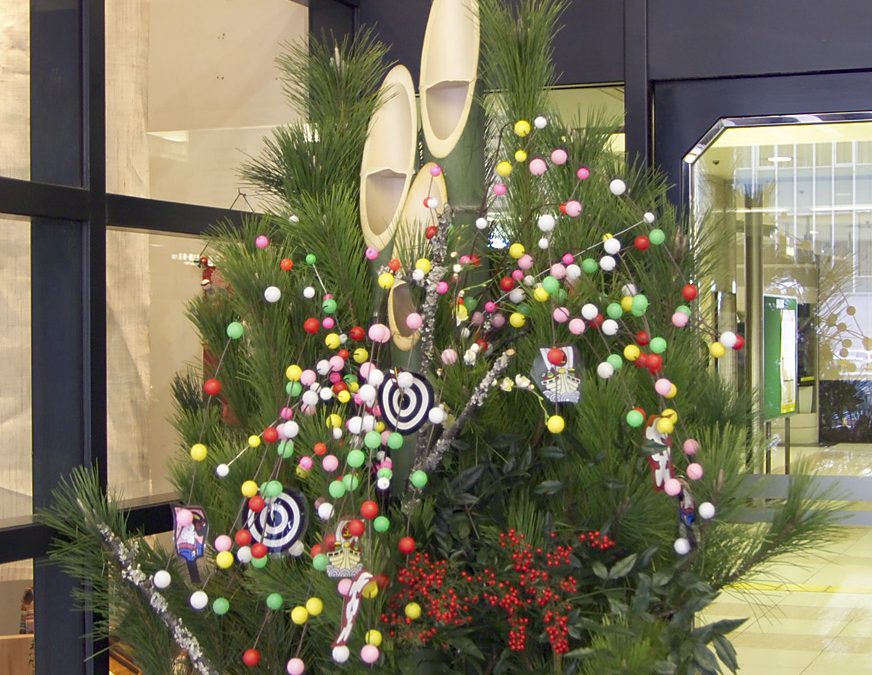
Visiting Japan around December 29 to January 3? You can still enjoy the New Year, but opening hours vary by place. Prepare cash, check meals and museum calendars, and plan your return train before setting out for a shrine visit.
If a favorite restaurant or museum is closed, a flexible day can still be rewarding. This guide separates usual holiday arrangements from confirmed 2026–2027 notices, using official sources and examples in Tokyo (Tokyo).
This page may contain affiliate links. If you book through them, we may earn a commission at no extra cost to you.
- Routine hospital clinics and some museums close around the holiday, while Seven Bank's ATMs generally keep working.
- Many convenience stores and some chain restaurants remain open, but check the branch you will use.
- Trains continue to serve travelers. Holiday timetables and overnight services need a separate check.
- A shrine's worship grounds, museum, garden and amulet counter can have different opening hours.
What closes, and what you can use instead
JNTO describes the New Year holiday as roughly December 29 to January 3, when many offices and businesses close for part of the period. That is a planning window, not a shared closing calendar for every service.
- Routine hospital clinics: closures vary by hospital and department. The National Hospital Organization's hospital in Koga (Fukuoka) closes its regular outpatient service December 29 to January 3, while its emergency department has a separate round-the-clock system. This is one hospital's example, not a nationwide clinic calendar.
- Stores and restaurants: JNTO notes that many convenience stores and some chain restaurants operate even on public holidays. Independent shops, food halls and other restaurants may close or reduce hours. Check the branch's holiday notice rather than relying only on ordinary map hours.
- Museums and gardens: use the facility's own calendar. The example below shows why a general holiday window is not enough.
Cash: ATMs over the New Year
Seven Bank says its ATMs are generally available around the clock, including the New Year holiday. Access still depends on the opening hours of the shop or building containing the machine, and the card's service hours. Its international-card page lists supported networks, but warns that even a card with a listed logo may not work.
Prepare the cash you expect to need before the holiday, and check an accessible ATM and your card's overseas settings. Keep another payment method available. For the wider payment choices, see cash, cards and IC cards in Japan.
A confirmed museum example for 2026–2027
The National Museum in Tokyo (Tokyo) announces closure from 2026-12-26 to 2026-12-31. It also says that from 2026-12-22 to 2026-12-25, only the Gallery of Horyuji Treasures and Kuroda Memorial Hall will be open. Opening hours for 2027-1-1 are still to be determined on the page checked for this guide.
Check this calendar again before buying a ticket or traveling to the museum. Do not assume that a museum's familiar holiday pattern, or an old New Year article, confirms this year's opening.
Trains: reserve the long trip and check the ride home
For the Tokaido and Sanyo Shinkansen, JR Central and JR West confirm that all Nozomi seats are reserved from 2026-12-25 to 2027-1-5, including services between Tokyo (Tokyo) and Hakata (Fukuoka). Their announcement, updated on May 21, 2026, says Hikari, Kodama and the other named services continue to have non-reserved seating. To travel seated on Nozomi, reserve your seat; a non-reserved-seat ticket does not give you a Nozomi seat during this period.
Local trains, subways and buses may use holiday arrangements, and overnight service on New Year's Eve is a separate question. As of October 14, 2026, this guide has not confirmed the coming New Year's overnight-service routes or exact temporary local timetables. Check your operator's dated announcement and the last train for your specific route; JR East publishes temporary-train notices on its official page below. Plan the return trip before joining a midnight shrine queue.
If you need medical care during the holiday
A routine clinic's closure does not mean all emergency care stops. JNTO's visitor medical guide lets you search by area, language and medical specialty. Contact the facility before going where possible, and confirm whether it can see you that day. Save your insurance contact and the facility's details.
For a medical emergency requiring an ambulance, call 119. JNTO's Japan Visitor Hotline, 050-3816-2787, provides visitor support in English, Chinese and Korean around the clock, including holidays. It is a support line, not an ambulance dispatch service.
Hatsumode: a shrine visit, with its own rules
Hatsumode is the first shrine or temple visit of the year. JNTO warns that the New Year period is extremely busy at popular shrines and temples. A daytime visit can fit more easily around food and transport than a midnight plan; check the shrine's current opening notice and follow staff instructions in the queue.
At Meiji Jingu in Tokyo (Tokyo), the official etiquette page prohibits photos and videos at the main sanctuary where people pray. Drones are prohibited, and eating, drinking and smoking are limited to designated areas. Stay on the paths. Worship grounds being open does not confirm that the shrine museum, inner garden or amulet counter is open at the same time.
For bowing, the water basin and the difference between shrine and temple prayers, use our shrine and temple etiquette guide. If you pass through Shibuya (Tokyo) after dark, check the street-drinking and New Year rules; a holiday is not a reason to ignore local signs.
Make the holiday work for your trip
Keep a meal option, enough cash and a checked return route ready. Pick a shrine visit or another activity whose holiday arrangements you have confirmed, and keep museum and shopping plans flexible.
Last reviewed: October 14, 2026. Business hours, medical availability, ticket sales and transport notices can change. Recheck the official pages for your visit date.
Official sources (checked October 2026)
- JNTO: the general New Year holiday period (English)
- JNTO: business hours, holiday services and shrine crowds (English)
- Seven Bank: ATM hours and access to host facilities (Japanese)
- Seven Bank: overseas-issued cards and service hours (Japanese)
- National Hospital Organization: outpatient and emergency arrangements in Koga (Fukuoka) (Japanese)
- Tokyo (Tokyo): National Museum 2026 year-end closures and pending New Year hours (English)
- JR Central and JR West: Nozomi reserved-seat periods, May 21, 2026 (Japanese, PDF)
- JR East: dated temporary-train notices (Japanese)
- JNTO: finding medical care and emergency contacts (Japanese)
- Meiji Jingu: worship and photography etiquette (English)