7 Everyday Things in Japan That Surprise Visitors: Our Ranking, With the Surveys Behind It
Ask people what surprised them most on a trip to Japan, and many don't name a temple or a view. They name a toilet seat, a vending machine or a box of tissues. This guide ranks seven ordinary things that visitors often talk about, explains why they stand out, and tells you where to find them and how to use them. Some of them, like soft tissues, also make cheap, light souvenirs.
- How we ranked them, and which surveys back each one
- Bidet seats, vending machines and convenience stores
- Soft toilet paper, moisturizing tissues and free tissue packs
- Plastic wrap with a built-in blade, and where to buy everything
How we ranked these
We couldn't find a single survey that ranks everyday items for visitors to Japan, so this is our own ranking: the Sumimasen Guide team's picks, ordered by how often visitors mention each one and how much evidence there is. Where a survey exists, we name it.
The closest thing to a ranking is an Expedia Japan survey from November 2013. It asked 200 foreign women living in Japan which things, missing from or different in their home countries, surprised them. The top five were the toilet sound button Otohime, the wide range of vending machines, the number of convenience stores, the Washlet bidet seat and the kotatsu heated table. Many also mentioned automatic toilet flushing and soft toilet paper. Keep in mind that these were residents, not tourists, and the survey is more than ten years old.
1. Bidet toilet seats (and warm seats)
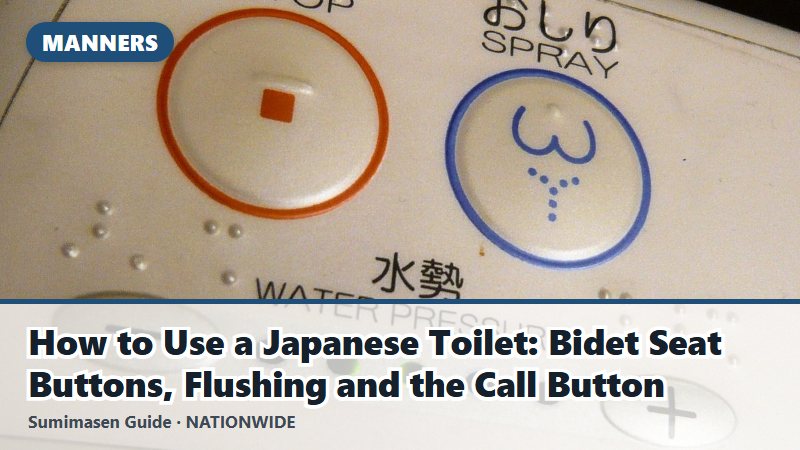
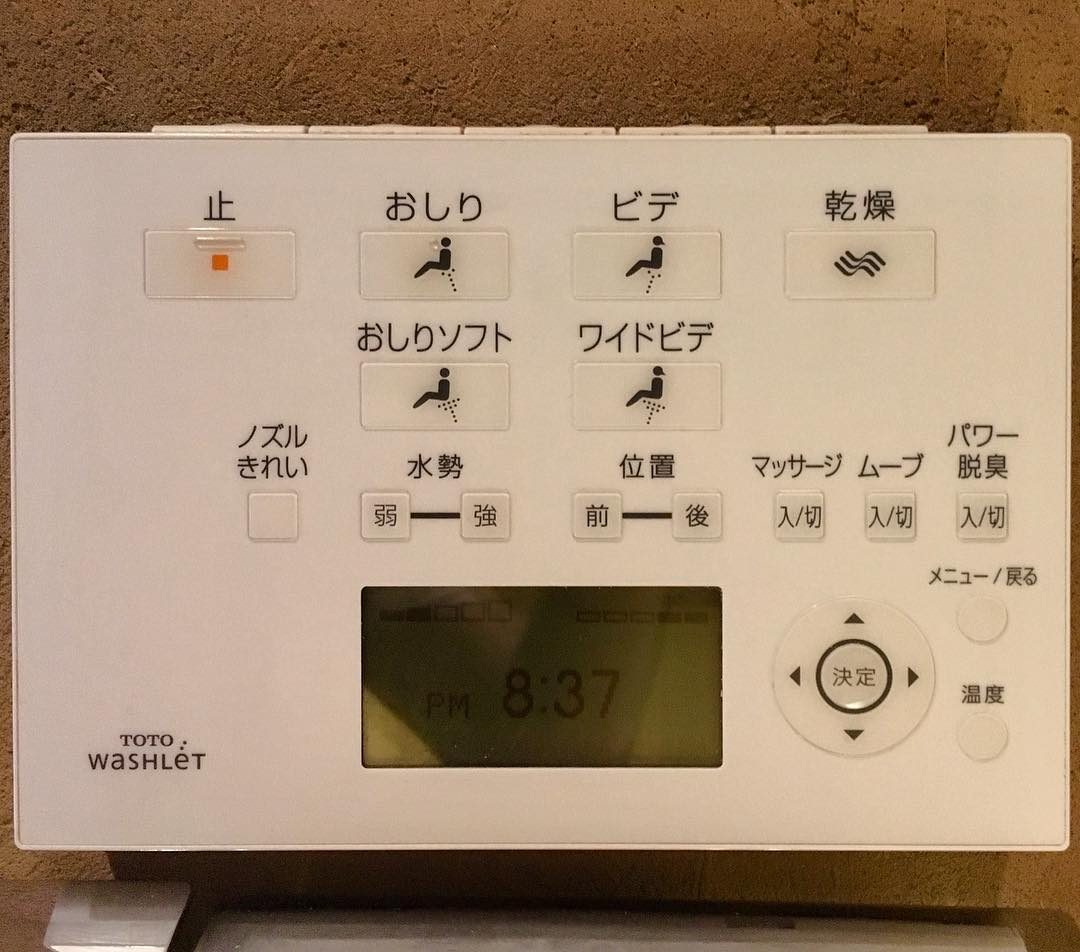
A toilet seat that washes you with warm water, dries you with warm air and keeps the seat warm is the thing visitors talk about most. TOTO launched its Washlet in June 1980 with exactly those three functions: a warm-water wash, warm-air drying and a heated seat. By November 2025, it had shipped more than 70,000,000 of them in Japan and abroad, according to the company. At home in Japan, they're the norm: TOTO quotes a Cabinet Office survey showing that 80.2% of households had a bidet seat in March 2020.
Visitors notice. In a 2024 TOTO survey of 1,000 people from five regions who had visited Japan since 2020, about 88% said they wanted bidet seats in the toilets they use while traveling in Japan, up from 55% in TOTO's street survey in Kyoto (Kyoto) in 2018. Asked what was good about public toilets in Japan, about 46% said they were well cleaned and about 40% said they had bidet seats.
Tip: the button labeled 止 (stop) stops the water. For every button, flushing, and the privacy sound button that the Expedia survey's respondents found so surprising, see our guide to using a Japanese toilet.
2. Vending machines on every corner
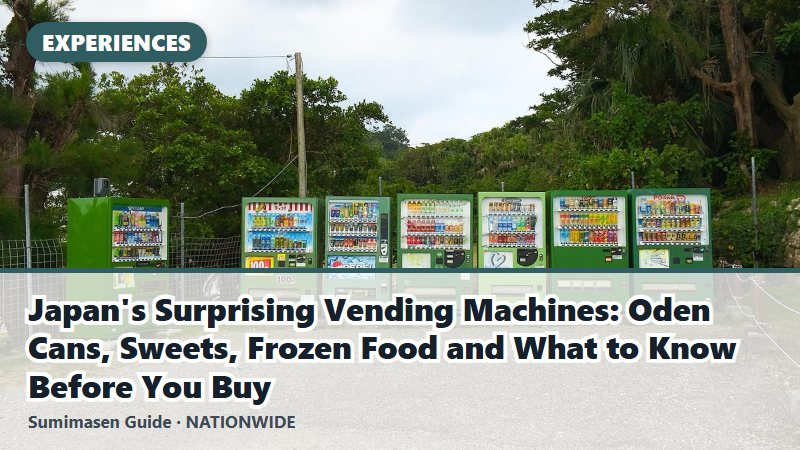
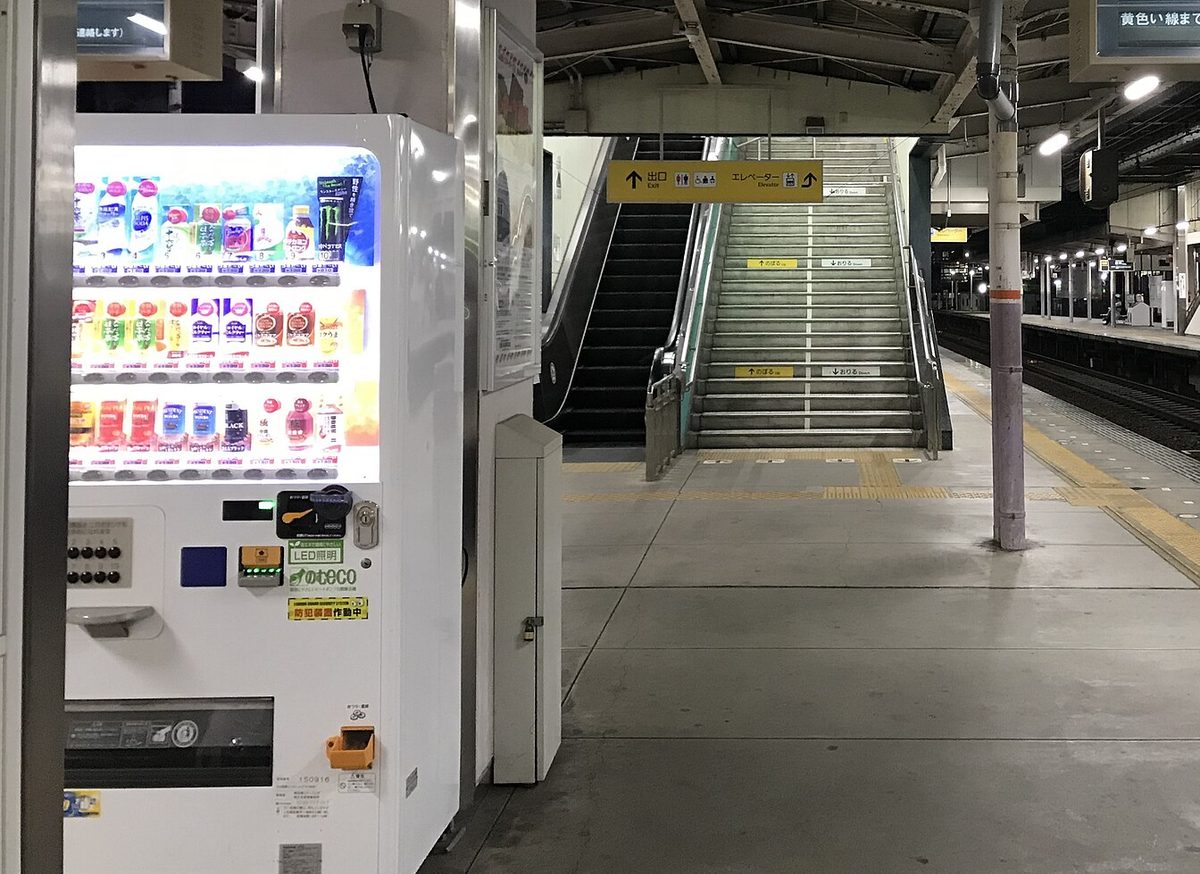
Vending machines stand on quiet streets, on station platforms and next to fields, and many sell hot and cold drinks from the same machine. The Japan Vending System Manufacturers Association counted 2,585,200 vending machines selling goods at the end of 2025, 2,178,800 of them for drinks. In the Expedia survey, the wide range of vending machines came second.
Tip: a red label under a drink means hot and a blue label means cold. Our guide to Japan's vending machines explains how to pay, which unusual machines to look for, and which foods need cooking.
3. Convenience stores that sell real meals
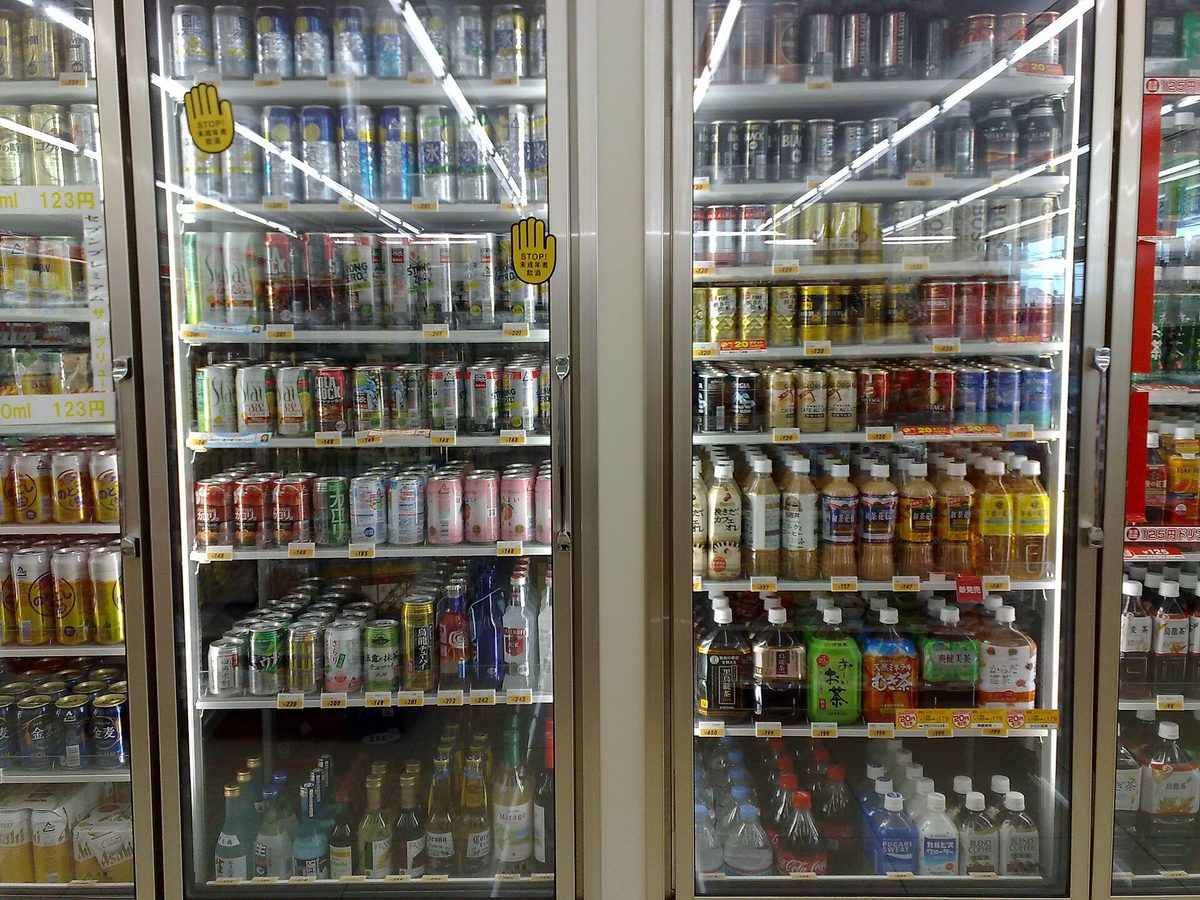
Japan's convenience stores (konbini) are open long hours and sell rice balls, boxed meals, sandwiches, hot snacks from the counter, drinks and everyday goods. The seven chains in the Japan Franchise Association had 56,189 stores in August 2026. They came third in the Expedia survey, and they're where visitors shop most: in the Japan Tourism Agency's 2025 survey, 85.3% of visitors had shopped at one, more than at any other kind of store.
Tip: when you buy a boxed meal, the staff may ask Atatamemasu ka? ("Shall I heat it?"). Answer Hai (yes) or Daijōbu desu (no, thanks).
4. Soft toilet paper
The Expedia survey's respondents also mentioned how soft Japanese toilet paper is. Rolls are sold as single or double (two-ply). Daio Paper (Elleair) explains that its single rolls use a slightly thicker sheet so one layer doesn't tear, while its double rolls put the soft sides of two sheets on the outside for extra strength and a fuller, fluffier feel. Its standard double roll is 30 m long, carries a light floral scent on the core, and is described as suited to bidet toilets; its single roll is 55 m long. The paper you meet in public toilets varies more than what's sold for homes.
Where to buy: supermarkets and drugstores often sell them in packs of 12 rolls. They're bulky, so this one is better enjoyed in Japan than packed for home.
5. Tissues so soft they're called "moisturizing"
Japan has premium tissues that many visitors have never seen at home. A French visitor told LIVE JAPAN he was surprised that Japan makes very soft, high-end tissues for something people throw away.
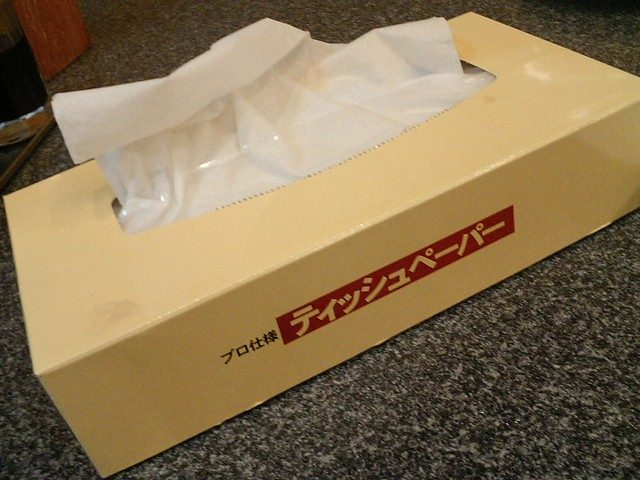
- Moisturizing tissues: Oji Nepia's Hana Celeb (literally "nose celebrity") contains moisturizing ingredients that draw water from the air, so the tissue feels smooth on a sore nose. They aren't wet: when the predecessor, Nepia Moisture Tissue, came out in 1996, Nepia says some shoppers who mixed it up with wet wipes called to say it wasn't wet. The Hana Celeb brand started in 2004, with animals on the box.
- Soft without lotion: Nippon Paper Crecia's Scottie Cashmere, first sold in 1985, isn't coated with lotion. The maker says it gets its fluffy, soft feel from its production method and high-quality pulp.
Where to buy: drugstores and supermarkets sell boxes, and pocket packs are easy to find. Pocket packs are light and cheap, which makes them a fun small souvenir, especially in hay fever season.
6. Free tissue packs on the street
Near busy stations, people hand out free pocket tissue packs with an advertisement inside. Visitors interviewed by LIVE JAPAN said they were surprised the first time, and one said she liked the soft paper enough to want to take some home for family and friends.
Tip: you're free to take one or to walk past. If you don't want it, a small shake of the head or a quiet Sumimasen is enough.
7. Plastic wrap with a built-in blade
This one is our own pick rather than a survey result: Japanese plastic wrap boxes are designed so the film tears off cleanly in one movement.
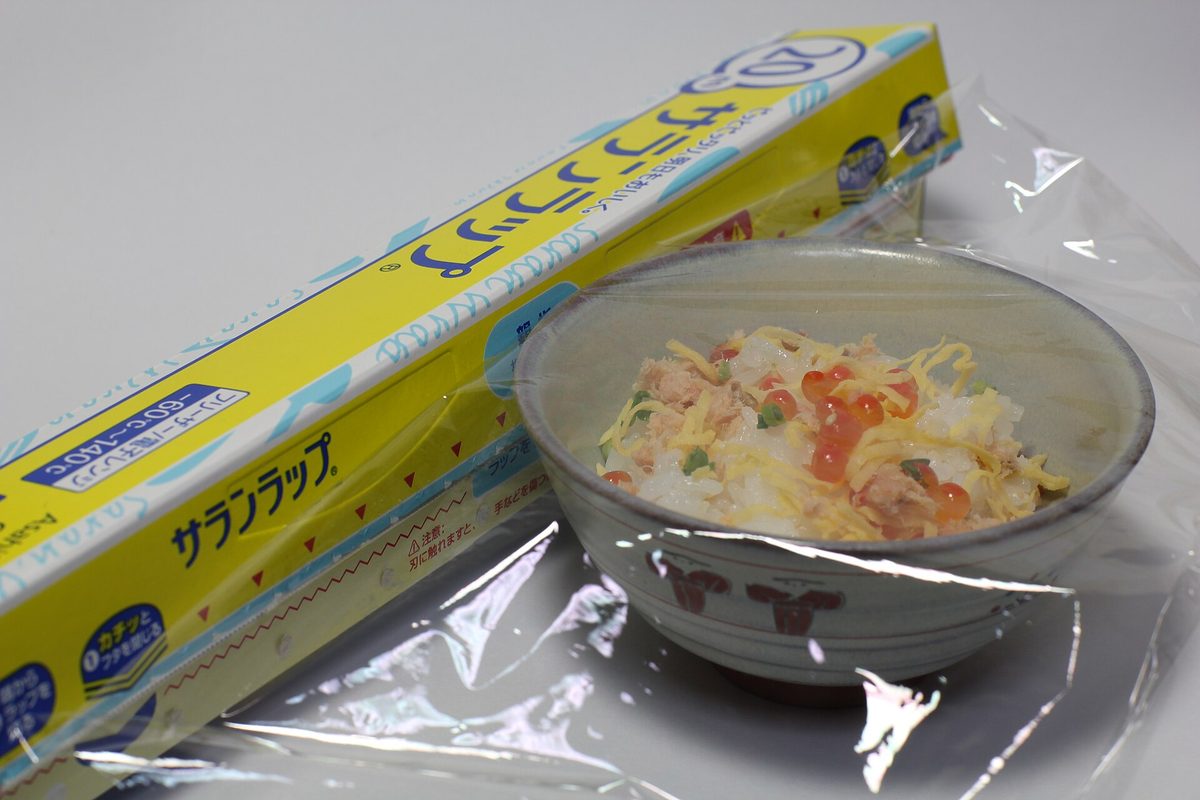
- NEW Krewrap (Kureha): Kureha says its Krewrap, launched in 1960, was Japan's first household plastic wrap. In 1989 it got a V-shaped blade, and in 2008 the blade changed from metal to plastic. Kureha's recommended way to cut it, the "Kureha Cut," is to turn the hand holding the box inward and cut the film from the middle.
- Saran Wrap (Asahi Kasei): since a renewal on March 20, 2018, the blade has an M shape, so the force gathers on three points and the film cuts with a light touch. Asahi Kasei's instructions: pull the film out straight, close the lid firmly, then move the box like opening a fan, starting from one end of the blade.
Where to buy: supermarkets and drugstores. The blade is sharp, and Asahi Kasei asks that the box be kept away from children.
Where to find them
- Everywhere: bidet seats in hotels, stations and department stores; vending machines on streets and platforms.
- Convenience stores: meals and snacks, drinks, and pocket tissue packs.
- Drugstores and supermarkets: soft tissues, toilet paper and plastic wrap.
For more ideas to take home, see our guide to souvenirs from Japan.
Last reviewed: October 4, 2026. Products and packages change. Please confirm on the official pages below.
References
- Expedia Japan: Survey of 200 foreign women living in Japan (Japanese, November 26, 2013)
- TOTO: Washlet shipments pass 60,000,000, with its original three functions (Japanese, October 28, 2022)
- TOTO: Washlet shipments pass 70,000,000 (Japanese, December 9, 2025)
- TOTO: 40 years of the Washlet, with the Cabinet Office household figure (Japanese, June 23, 2020)
- TOTO: Survey of visitors on public toilets in Japan (Japanese, March 28, 2024)
- Japan Vending System Manufacturers Association: Vending machines in use, end of 2025 (Japanese, PDF)
- Japan Franchise Association: Convenience store statistics, monthly report for August 2026 (Japanese)
- Japan Tourism Agency: Inbound Consumption Trend Survey, 2025 annual report (Japanese, PDF)
- Daio Paper (Elleair): Single and double toilet paper (Japanese)
- Daio Paper (Elleair): Toilet tissue, double (Japanese)
- Daio Paper (Elleair): Toilet tissue, single (Japanese)
- LIVE JAPAN: What a French visitor found surprising about paper in Japan (Japanese, February 2020)
- LIVE JAPAN: What foreign visitors think of free tissues and samples (Japanese, December 2019)
- Oji Nepia: Hana Celeb tissues (Japanese)
- Oji Nepia: 20 years of Hana Celeb (Japanese)
- Nippon Paper Crecia: Scottie Cashmere (Japanese)
- Kureha: NEW Krewrap renewal and history (Japanese, March 19, 2021)
- Kureha: NEW Krewrap package renewal and the Kureha Cut (Japanese)
- Asahi Kasei: Saran Wrap renewal with an M-shaped blade (Japanese, 2018)
- Asahi Kasei Home Products: How to use Saran Wrap (Japanese)