Atsuta Jingu in Nagoya (Aichi): Shrine Etiquette for a Smooth Visit
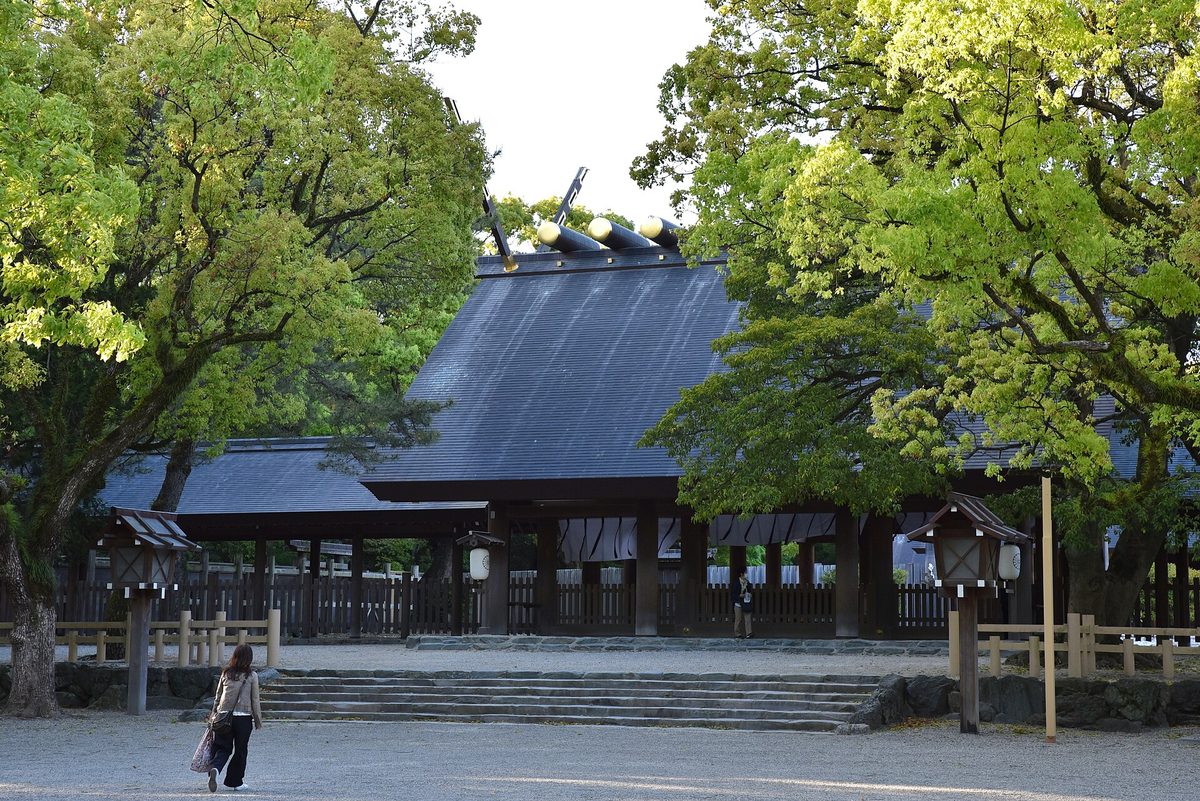
Atsuta Jingu, in the south of Nagoya (Aichi), is one of the most important Shinto shrines in Japan. The shrine says it was founded about 1,900 years ago to enshrine the sacred sword Kusanagi-no-tsurugi, one of the three Imperial regalia, and that it has long ranked second only to Ise Jingu. Its English page puts the number of visitors at nine million a year, many of them families there to pray. This guide explains the shrine's own list of things it asks visitors not to do (some will surprise you, such as pets and photo shoots), when things are open, and how to reach the right gate, based on Atsuta Jingu's official pages and Nagoya City (Aichi)'s tourism site.
This page may contain affiliate links. If you buy through them, we may earn a commission at no extra cost to you.
- The shrine's list of requests, in plain English
- Photos: what's fine, and what needs permission
- Hours for worship, amulets, prayers and the sword museum
- Which station for which gate, and the June 5 festival
Why it matters here
The shrine's English introduction describes Atsuta Jingu (known locally as "Atsuta-sama", or simply "Miya", the Shrine) as one of the greatest centers of worship in Japan since ancient times. The main sanctuary is built in the same shinmei-zukuri style as the Great Shrine of Ise (Mie). For the many people praying here, it is a working place of worship, not just a sight. The shrine's notice to visitors calls the grounds "a solemn place of rituals" and asks everyone to help keep them calm.
The shrine's requests, translated
Atsuta Jingu asks visitors to refrain from the following. We've grouped them; the wording follows the shrine's notice.
- Inside the inner fence (mikakiuchi) and inside the buildings, the most solemn areas: no photography, no eating or drinking, no phone use.
- No riding vehicles (cars, bicycles, horses and so on) on the gravel approach.
- No lying down or sitting on the ground, playing instruments, singing or loud talk.
- No smoking, except in designated smoking places.
- No pets. The shrine asks people not to visit with pets.
- Don't break branches or tie fortune slips (omikuji) to tree branches.
- Don't take stones or plants home, and don't catch insects, birds, fish or turtles.
- Don't bring in dangerous items, animals (such as chickens, fish, turtles or foreign insects) or trash.
- Don't enter areas that are closed off, and no graffiti on gates, buildings or cultural properties.
- Don't photograph other worshippers without permission.
How to pray at the main hall, and how a shrine differs from a temple, is explained in our guide to shrines and temples in Japan.
Photos: personal snaps vs photo shoots
Taking pictures for your own memories in the open grounds is fine, as long as you avoid the inner area and buildings and don't photograph other worshippers without asking. The same notice says that any filming beyond personal viewing, such as for business or for publication, needs advance permission from the shrine office, and that the shrine does not allow shoots with an accompanying professional photographer for occasions such as a baby's first shrine visit or Shichi-Go-San. If you've booked a photographer or a kimono photo session that includes Atsuta Jingu, ask the provider whether it has the shrine's permission before you go.
When things are open
From the shrine's FAQ and Nagoya City (Aichi)'s tourism site:
- Worship: 24 hours a day.
- Amulets and charms (omamori): from about 7:00 until around sunset.
- Prayer ceremonies (kito) and sacred dance: reception every day from 8:30 to 16:00. Individuals don't need a reservation.
- Treasure Hall and the Kusanagi-kan sword museum: 9:00 to 16:30 (last entry 16:00). According to Nagoya City (Aichi)'s tourism site, admission to each is 500 yen for adults and 200 yen for children, or 800 yen and 300 yen for a combined ticket (combined tickets sold until 15:30; special exhibitions cost extra). The Treasure Hall closes on the last Thursday of each month and the day before, and from December 25 to 31; the sword museum closes the day before the Treasure Hall's closing days, and from December 25 to 31. The same site notes that phone inquiries can't be handled in English.
The shrine's main festival (Atsuta Matsuri) is held every year on June 5, with street stalls on June 4 and 5 and fireworks from 19:45 on June 5 (postponed if it rains).
Getting there: which station for which gate
Nagoya City (Aichi)'s tourism site lists the nearest stations for three gates:
- East Gate: about 3 minutes' walk from Jingu-mae Station (Meitetsu), or 8 minutes from Atsuta Station (JR)
- West Gate: about 7 minutes from Atsuta Jingu Nishi Station (Meijo subway line, exit 2)
- Main (South) Gate: about 7 minutes from Atsuta Jingu Temmacho Station (Meijo subway line, exit 1)
The shrine asks visitors to use public transport, as its parking lots fill up on weekends and holidays and are closed for the New Year period.
Quick checklist
- Leave pets at home, and don't bring trash in.
- Cameras and phones down inside the inner fence and buildings.
- Ask before you photograph people; photo shoots with a hired photographer aren't allowed.
- Want a prayer ceremony? Arrive between 8:30 and 16:00; no booking needed.
Also in Nagoya (Aichi): the Osu shopping streets and Osu Kannon, and where you can't smoke on the street. More on our Nagoya (Aichi) page.
Last reviewed: October 4, 2026. Hours, prices and rules can change. Please confirm on the official pages below.