The Osu Shopping Streets in Nagoya (Aichi): Osu Kannon and the Antique Market on the 18th and 28th
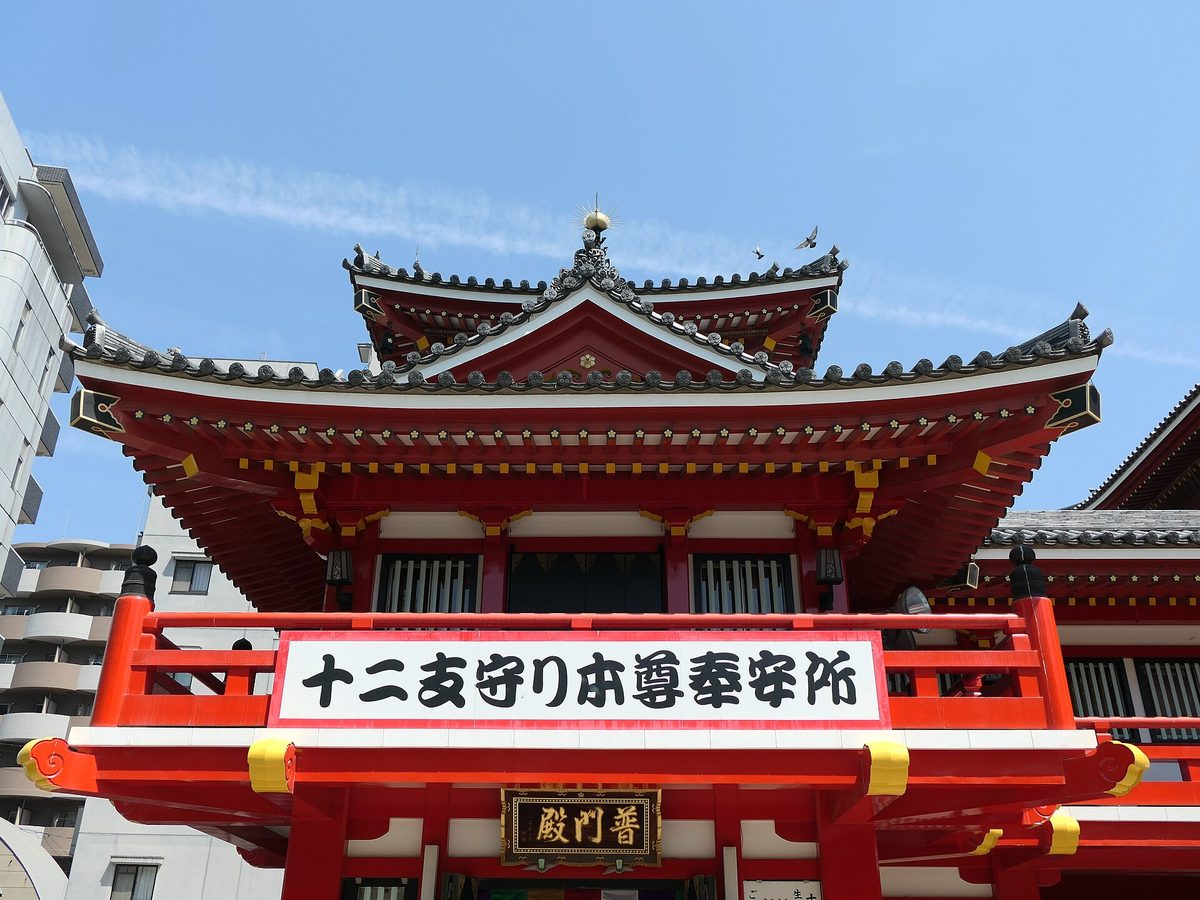
Osu (Aichi) is where many people in Nagoya (Aichi) go to eat, shop for secondhand clothes and electronics, and simply wander. The covered shopping streets grew up in front of Osu Kannon, a Buddhist temple, and the temple still sets the rhythm of the area: on the 18th and 28th of every month, its grounds fill with an antique market. This guide covers how the district is organized, the temple days worth planning around, the yearly events, and the few local rules that apply, using the official pages of the temple, Nagoya City (Aichi), the Aichi Prefecture tourism site and the shopping street federation.
This page may contain affiliate links. If you buy through them, we may earn a commission at no extra cost to you.
- Osu (Aichi) in numbers: about 1,200 shops and facilities
- Osu Kannon: temple hours and the 18th and 28th of each month
- Yearly events, including a Setsubun where "demons out" isn't said
- Local rules: litter and smoking while walking
What and where Osu (Aichi) is
According to Aichi Now, the official tourism site of Aichi Prefecture, the Osu shopping district spreads over the 2-chome and 3-chome blocks of Osu (Aichi), south of Sakae (Aichi), with about 1,200 shops and facilities: local specialties and street food, restaurants from many countries, cafes, new and vintage fashion, an electronics and subculture quarter, and long-established shops such as makers of uiro (a steamed rice-flour sweet). The site calls the area's mix of everything a "gottani" (hotchpotch) culture that welcomes people of any age, gender or nationality.
It isn't one street but several. The Osu Shopping District Federation, which about 450 of the area's stores belong to, is made up of eight shopping street associations, among them Banshoji-dori, Osu Kannon-dori, Niomon-dori, Higashi Niomon-dori, Akamon-dori, Shintenchi-dori, Osuhon-dori and Monzencho. The federation's site has a shop search in English.
Getting there: Osu Kannon Station on the Tsurumai subway line is next to the temple, and Kamimaezu Station (Tsurumai and Meijo lines) is also a short walk away.
Osu Kannon: the temple at the center
Nagoya City (Aichi)'s official tourism site says the temple was moved to its present site from Mino Province (today's Gifu Prefecture) by Tokugawa Ieyasu in 1612; the district takes its name from the temple. The main hall is open 6:00 to 19:00, and the temple office 9:00 to 17:00. Entry is free.
When you visit, follow ordinary temple etiquette: a quiet bow, an offering if you wish, and no clapping (that's for Shinto shrines). Our guide to shrines and temples explains the differences.
The antique market on the 18th and 28th
The city's tourism site says an antique market is held in the temple grounds on the 18th and 28th of each month. The 18th is also the monthly festival day (ennichi) of the temple's main image, the Kannon: the temple's event page says that on that day, in addition to the usual fire ritual (goma), there are rituals early in the morning at 6:00 and in the evening at 18:00. If your dates are flexible, the 18th is the fuller day.
We couldn't find an official schedule for the market's hours, so go in the morning to see the most stalls. Bring cash; prices and payment are up to each seller. If you buy something old or fragile to take home, check your airline's and your country's rules before you pack it; our souvenirs guide covers getting things home.
Yearly events
- Setsubun (February 3): Osu Kannon holds bean-throwing from a stage in front of the main hall, and a treasure ship procession with the Seven Lucky Gods comes from Sakae (Aichi). In most of Japan people shout "Oni wa soto, fuku wa uchi" ("Demons out, fortune in"). At Osu Kannon, the temple says, "demons out" is not said at all, because of a demon mask among the temple's treasures; you'll only hear "fuku wa uchi".
- Summer festival in Osu (Aichi): organized by the shopping street federation, with fireworks, Bon dancing and stalls. The city's tourism site lists it in August and the temple's page says late July, so check the year's dates.
- Daidocho-nin Festival in Osu (Aichi), October: street performers and a costumed courtesan procession (oiran dochu), according to Aichi Now.
- World Cosplay Summit: Aichi Now also lists it among the events in Osu (Aichi), drawing fans from around the world.
Local rules worth knowing
- Litter: Nagoya City (Aichi)'s ordinance bans throwing away cans and similar litter in public places anywhere in the city (Article 7). Hold on to your skewers and cups until you find a bin, or ask the shop you bought from.
- Smoking while walking: Osu (Aichi) is not one of the city's four no-smoking districts with a fine, but the same ordinance asks everyone in the city not to smoke while walking or cycling and to carry a portable ashtray. See our guide to street smoking in Nagoya (Aichi).
- Eating while walking: we couldn't find an official rule for Osu (Aichi). The streets get crowded, so stepping to the side to eat, without blocking shop fronts, is the considerate choice.
Quick checklist
- Pick the 18th or 28th if you want the antique market; the 18th is busier.
- Visit Osu Kannon between 6:00 and 19:00, quietly.
- Keep your trash with you, and don't smoke while walking.
Also in Nagoya (Aichi): visiting Atsuta Jingu and the no-smoking districts. More on our Nagoya (Aichi) page.
Last reviewed: October 4, 2026. Event dates and opening hours change; please confirm on the official pages below.
References
- Nagoya City (Aichi) official tourism site: Osu Kannon Temple
- Osu Kannon: Annual events (Japanese)
- Aichi Now (Aichi Prefecture official tourism site): Osu Shopping Street (Japanese)
- Osu Shopping District Federation: About the federation
- Nagoya City (Aichi): Safe, secure and comfortable city ordinance, Articles 7 and 8 (Japanese)