Okinawa's Sea: Box Jellyfish, Vinegar, and Snorkeling with a Life Jacket
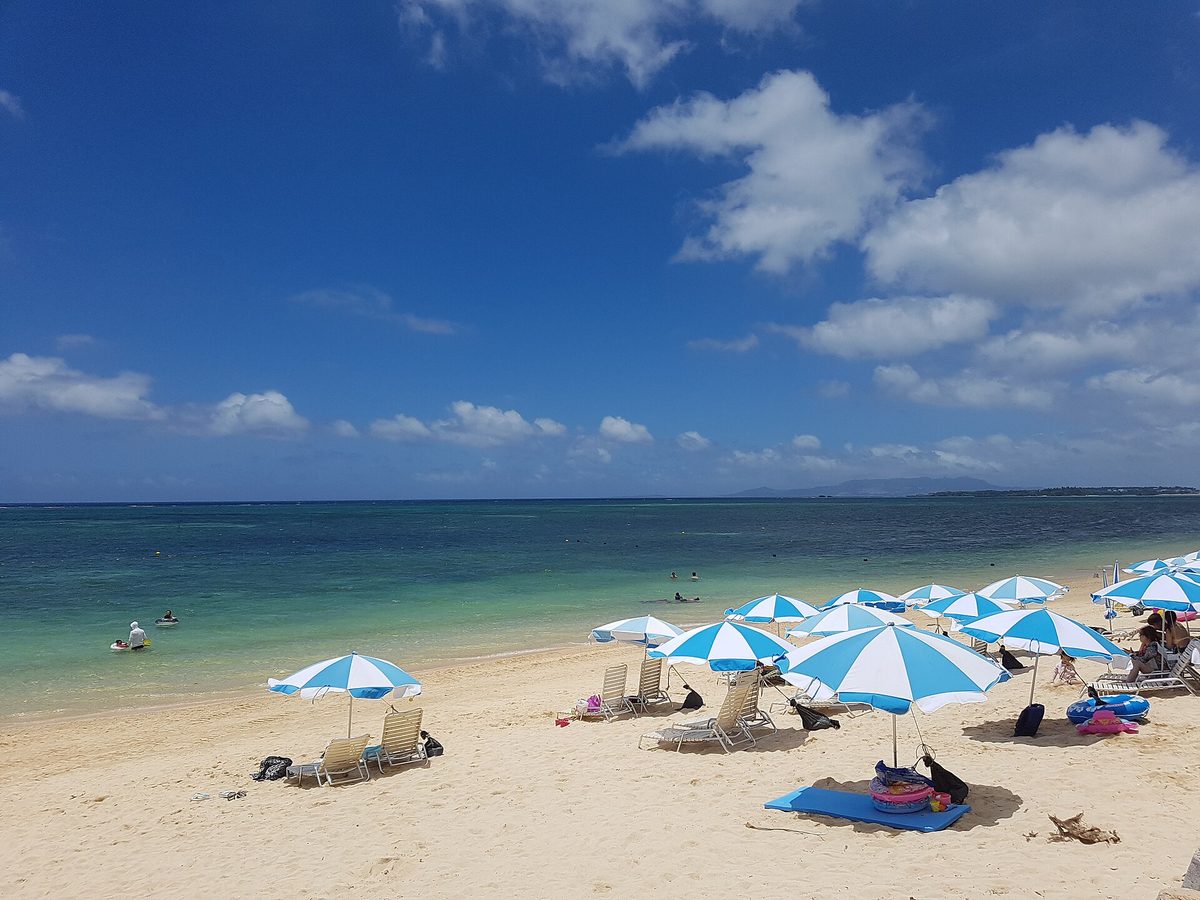
The water around Okinawa is warm, clear and full of life, which is exactly why a few simple precautions matter. Okinawa Prefecture warns about a highly venomous box jellyfish every summer, and the Japan Coast Guard reports that snorkeling is the activity behind most serious accidents among visitors around Naha (Okinawa) and the Kerama Islands. This guide, based on the prefecture, the prefectural police and the coast guard, covers where to swim, what to carry, and what to do if you're stung.
This page may contain affiliate links. If you buy through them, we may earn a commission at no extra cost to you.
- Box jellyfish season and the jellyfish nets
- First aid: when vinegar helps, and when it must never be used
- Snorkeling: why a life jacket matters so much
- Other habits the police ask for
Please read this first. This page is general safety information based on official sources (checked October 2026), not medical advice. If someone is stung or in trouble in the water, call 119 (ambulance) right away.
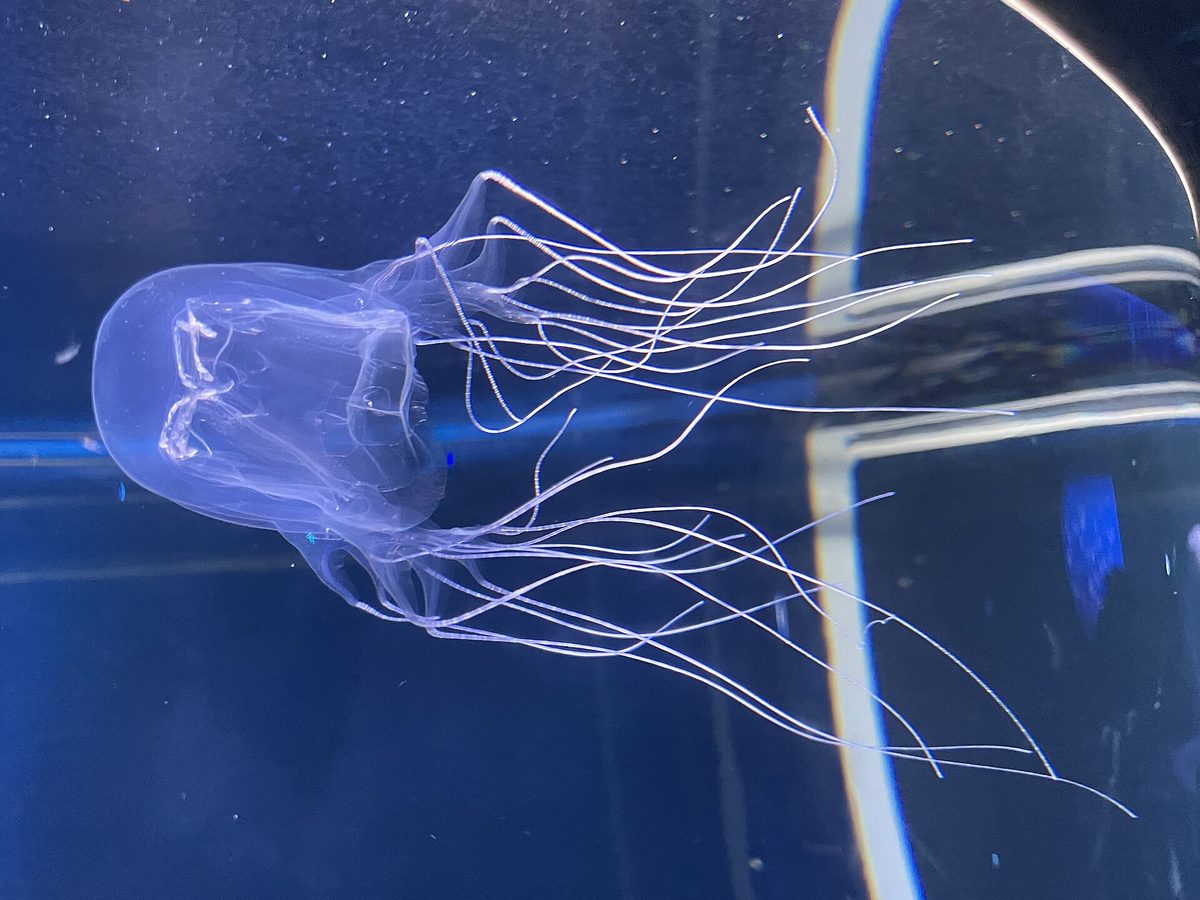
Box jellyfish (habu kurage): June to September
Okinawa's seas are home to the habu kurage, a box jellyfish with strong venom. Okinawa Prefecture issues a box jellyfish alert every year from June 1 to September 30, the months when stings are most common. In 2025, 199 stings and bites by dangerous sea creatures were reported in the prefecture, and 81 of them (about 40.7%) were by the habu kurage. The prefecture's beach sheet adds that the jellyfish is hard to see in the water, and that people are stung even at the water's edge and in shallow water.
The prefecture's two main requests:
- Swim inside the jellyfish net at beaches that set one up, and cover your skin with a wetsuit, rash guard, long-sleeved T-shirt or leggings. The prefecture recommends asking the beach in advance whether it has a net.
- Bring vinegar (ordinary kitchen vinegar) when you go to the sea, for first aid.
First aid: vinegar for the box jellyfish only
The prefecture's first-aid sheet for beaches is clear that the right first aid depends on the creature:
- Box jellyfish (habu kurage): get out of the water at once, without rubbing the skin, and call for help. Pour plenty of vinegar on the tentacles, then gently remove them, and cool any pain with cold water or ice. Then see a doctor. Urasoe City (Okinawa), passing on the prefecture's alert, adds: never pour fresh water or alcohol on the tentacles or brush them off with sand, and because the venom is strong, don't push yourself; call an ambulance and rest until it arrives. The sheet warns that children aged 10 and under can get worse suddenly.
- Portuguese man-of-war and the stinging anemone (umbachi isoginchaku): never use vinegar. Get out without rubbing, wash off tentacles with seawater, and cool with cold water or ice. Don't touch a man-of-war even if it's washed up on the beach.
- Venomous fish such as the stonefish and lionfish, and spiny starfish and sea urchins: remove large visible spines (pull straight out), and if the pain is strong, put the area in hot water of about 40 to 45°C, as hot as you can keep your hand in without burning, on the way to hospital. The sheet notes that the stonefish lives on beaches and in shallows, and people are stung by stepping on it.
- Sea snakes: get out of the water immediately (the sheet warns of paralysis and drowning), keep the wound clean, and go to hospital quickly.
Snorkeling: wear a life jacket
The Japan Coast Guard office in Naha (Okinawa) counted 32 people involved in marine leisure accidents in its area in 2025, and 24 of the 32 were visitors from outside the prefecture or from abroad. Snorkeling stood out: 14 people had accidents while snorkeling, and all 5 deaths in its area were snorkelers, 4 of them in the Kerama Islands. Of the 14 snorkelers, only half wore a life jacket, and 4 of the 5 who died weren't wearing one. Over the past five years in its area (excluding scuba diving and surfing), the office found the death rate among people without life jackets was about five times higher than among those wearing one.
The Okinawa Prefectural Police recommend snorkeling with a four-piece set, mask, snorkel, fins and a life jacket, and floating on the surface rather than diving down. They note that misuse of the snorkel, such as swallowing seawater, causes many accidents among residents and visitors alike.
Okinawa's prefectural water-safety ordinance requires snorkeling, diving and boat-rental businesses to file a notification with the prefectural public safety commission, and the police publish a list of businesses that have done so. If you book a tour, it's worth checking that the operator is on that list.
Other habits the police ask for
- Don't underestimate the sea. The police note that a rip current can move as fast as a top competitive swimmer, and Okinawa faces the open ocean. Never go near the shore when a typhoon is approaching or the weather is bad.
- Never swim after drinking alcohol or when unwell.
- Don't go alone, and never lose sight of your companions.
- Watch children until they're out of the water, and don't let children swim on their own.
Before you go to the beach
- Choose a beach with a jellyfish net; ask about the net in advance.
- Pack kitchen vinegar and a rash guard or long sleeves.
- Snorkel with a life jacket, a buddy and, if you're new to it, a registered guide.
- Skip the sea after drinking, when tired, or in bad weather.
- If stung: out of the water, no rubbing, the right first aid, then a doctor; 119 if serious.
Driving to the beach? Read driving a rental car in Okinawa. Visiting Naha (Okinawa)? See the reopening of Shuri Castle's main hall, and our Okinawa destination page.
Last reviewed: October 4, 2026. The jellyfish alert period and accident figures are updated every year. Please check the official pages below.
References
- Okinawa Prefecture: Box jellyfish and other dangerous sea creatures, 2026 alert (Japanese)
- Okinawa Prefectural Institute of Health and Environment: Dangerous sea creatures, leaflets in English and other languages (Japanese)
- Okinawa Prefecture: Emergency response sheet for stings (Japanese, PDF)
- Urasoe City (Okinawa): Box jellyfish alert, how to prevent and treat stings (Japanese)
- Japan Coast Guard office in Naha (Okinawa): Marine leisure accidents in 2025 (Japanese, PDF)
- Okinawa Prefectural Police: Safe leisure at sea and rivers (Japanese)