Yatai Food Stalls in Fukuoka (Fukuoka): How They Work and the Local Rules
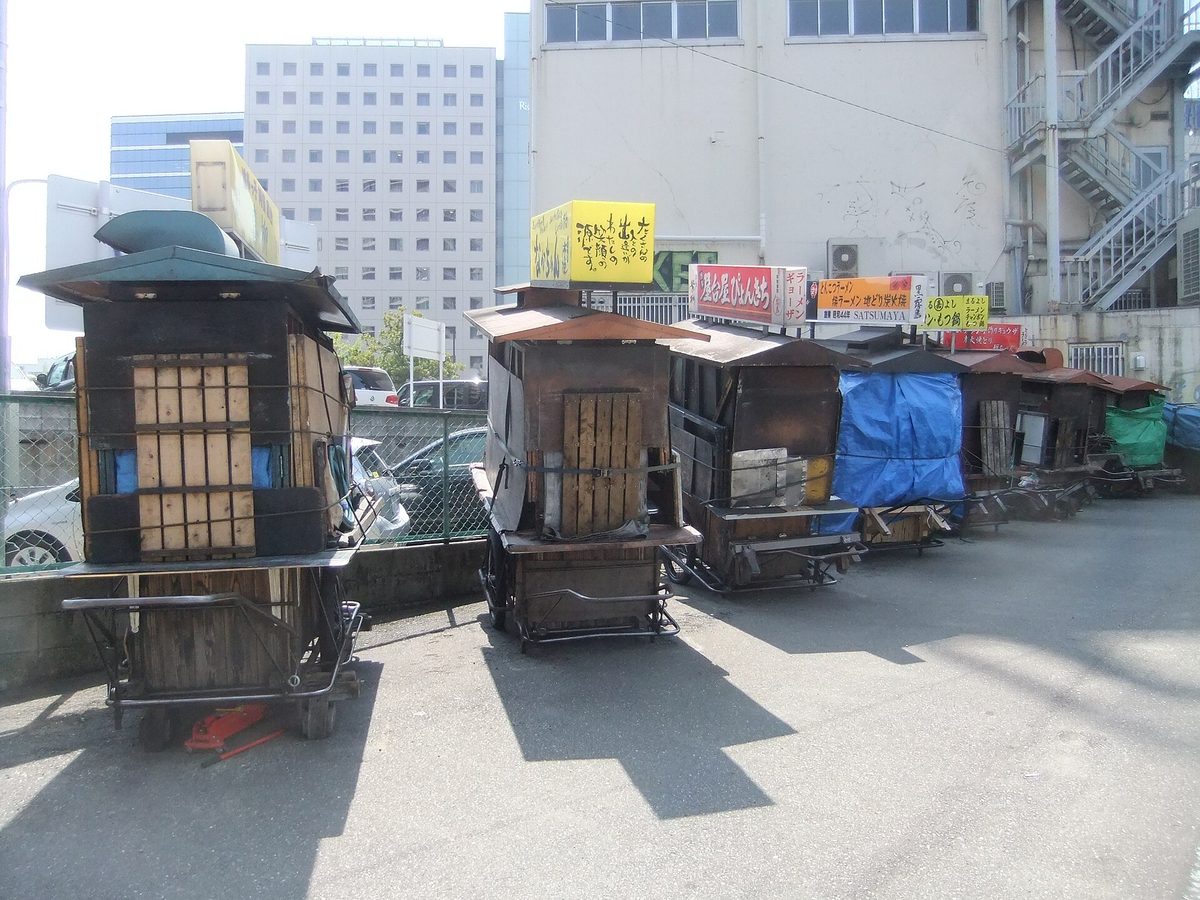
When evening falls, small food stalls called yatai appear on sidewalks and by the river in Fukuoka (Fukuoka), and by morning they've vanished. Sitting shoulder to shoulder at a counter, eating ramen or yakitori and chatting with strangers, is one of the best nights out in Japan. Fukuoka City (Fukuoka) is the only city in Japan with an ordinance just for yatai, and it gives customers a part to play too. This guide explains how the stalls work, the rules behind them, and how to enjoy them as a guest.
This page may contain affiliate links. If you buy through them, we may earn a commission at no extra cost to you.
- Why yatai have a city ordinance
- Hours, size and price rules the stalls follow
- Eight points of etiquette from the prefecture's tourism guide
- Where to go, and where to get help
Why the city has a yatai ordinance
Fukuoka City (Fukuoka)'s official tourism site explains that yatai bring life to the city and are a tourist attraction, but they also caused problems: late-night noise, bad smells from waste water, blocked sidewalks, and stalls run by people other than the license holder. To keep yatai going while fixing those issues, the city made its Yatai Basic Ordinance, in force since September 1, 2013. The city's tourism site says no other city in Japan has a yatai ordinance.
The ordinance sets duties for the city, for stall owners and, in Article 6, for customers: to use yatai with consideration for the living environment of the people who live nearby, and to cooperate in keeping the stalls running properly. The city's site says that about 100 yatai were operating as of April 1, 2022, and that a public selection system lets the number stay at about that level.
What the stalls must do
The ordinance's implementing regulations set detailed rules for stall owners. A few that matter to you as a customer:
- Hours on the street: a stall may occupy its spot from 5 p.m. to 4 a.m., including setting up and packing away.
- Size: the stall, seats and screens must fit within 3 meters of frontage and 2.5 meters of depth. Tables or seats outside that space aren't allowed, and on sidewalks at least 2 meters must be left clear for pedestrians.
- Prices: prices must be displayed where customers can see them. For dishes priced by the day's market, the stall must show that day's price; the city's site says a "market price" label isn't allowed.
- Toilets: stalls must arrange a toilet customers can use and show where it is.
City staff patrol the stalls, and the city publishes each stall's record of following the rules by name and location. Stalls that don't improve can have their permit suspended or withdrawn.
Eight points of yatai etiquette
The Fukuoka Prefecture official travel guide lists these points for first-timers:
- Use the restroom beforehand.
- Before you sit down, check the menu, prices and payment methods.
- No raw food is served at yatai.
- Share seats, and don't linger after you've finished eating.
- Keep your bags compact, and keep them with you or on your lap.
- In winter, dress warmly.
- Don't be noisy, and don't drink too much.
- Standing and drinking outside the yatai is prohibited.
The official tourist guide of Fukuoka City (Fukuoka) adds that seats are limited, so you'll need to share, and to avoid arriving in too large a group or staying too long.
The city's Q&A specifically suggests checking whether prices are shown, and how ordering and any otoshi (a small starter dish served with a seating charge) work at that stall, before you start.
Where to go, and when
The prefecture's guide describes three main areas in Fukuoka City (Fukuoka):
- Nakasu (Fukuoka): a row of traditional stalls by the river; lively, with many tourists.
- Tenjin (Fukuoka): popular with locals; calmer, good for drinking on your own.
- Nagahama (Fukuoka): where thin ramen noodles and kaedama (a refill of noodles) are said to have started.
The city's tourist guide says stalls open from 6 p.m., and that a stall may not open in stormy weather or if the owner is unwell. The prefecture's guide notes most start around 6:30 to 7 p.m., the atmosphere peaks around 8 p.m., and more people drop by for a late bite after 9 p.m. If you'd like an easier seat, go early. For local ramen styles and how to order, see our ramen guide.
Need help choosing? The city's tourist guide lists a Yatai Concierge at the information desk on the first floor of Fukuoka Airport's international terminal, open 8:00 to 21:30.
Being a good neighbor
Yatai stand in front of homes and offices. The ordinance asks customers to think of the people living nearby, so keep your voice down as the night goes on, don't gather or drink on the sidewalk outside the stall, and take any rubbish with you.
More in Fukuoka (Fukuoka): the Yamakasa festival in Hakata (Fukuoka), getting from the airport and port into the city, and our Fukuoka (Fukuoka) destination page.
Last reviewed: October 4, 2026. Stall hours and payment methods differ by stall. Please follow the stall's own rules and check the official pages below.
References
- Fukuoka City (Fukuoka): About the Yatai Basic Ordinance (Japanese)
- Fukuoka City (Fukuoka): Yatai Basic Ordinance, full text (Japanese)
- Fukuoka City (Fukuoka): Implementing regulations of the Yatai Basic Ordinance (Japanese)
- Fukuoka City (Fukuoka): Yatai compliance records (Japanese)
- Yokanavi, Fukuoka City (Fukuoka) official tourism site: Ten years of the Yatai Basic Ordinance (Japanese, June 30, 2023)
- Yokanavi, Fukuoka City (Fukuoka) official tourism site: Q&A on yatai policy (Japanese)
- VISIT FUKUOKA, Fukuoka Prefecture official travel guide: Yatai (English)
- FUKUOKA CITY Official Tourist Guide: Yatai (English)