Cherry Blossom Viewing in Japan 2027: Picnic, Alcohol and Park Rules
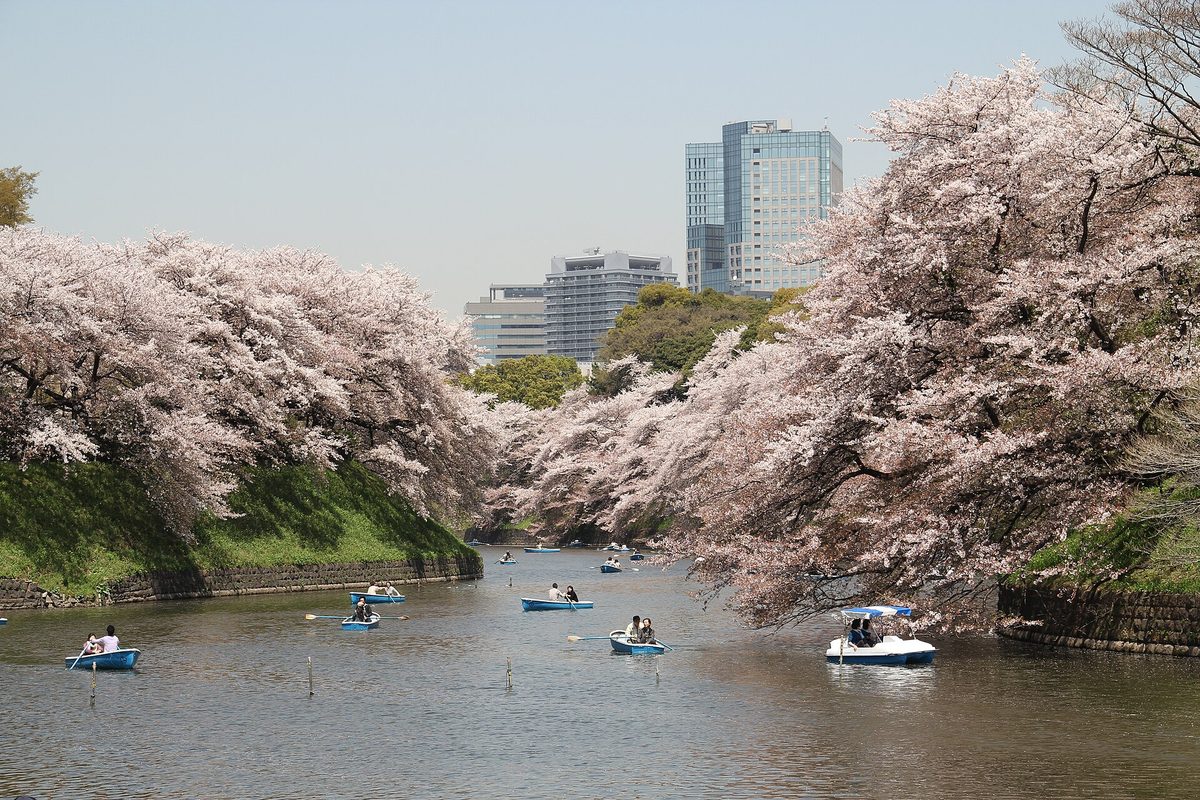
Would you like a picnic under the cherry trees, or a leisurely walk beside the blossoms? Both can be a lovely way to enjoy hanami, Japan's custom of viewing flowers. Before buying food or carrying a picnic mat, choose a place whose rules fit your plan. A blue plastic sheet is simply a picnic mat, not a reservation, and permission to picnic or drink alcohol changes from park to park.
This page contains affiliate links. If you book through them, we may receive a commission at no extra cost to you.
- Check the exact park or garden: nearby places can have different rules.
- Do not leave a mat unattended to save a place. Check where sitting is allowed.
- The national garden in Tokyo (Shinjuku Gyoen) prohibits bringing in alcohol; a picnic elsewhere does not change that rule.
- Opening hours are not permission for a party or an overnight stay. Carry a waste bag and check spring notices before traveling.
When do cherry blossoms usually bloom?
JNTO's general spring guide describes the main viewing season as stretching from the latter half of March into the beginning of May across Japan, with southern places earlier and northern or mountain areas later. Its March guide describes Tokyo's usual season around the end of March. These are broad seasonal guides, not a 2027 forecast or a promise of full bloom on your travel date. Tree varieties, location and weather matter.
As of October 14, 2026, we have not confirmed a published 2027 flowering forecast or the parks' full spring-event schedules. The JNTO forecast page still has a 2026 heading. Recheck a new forecast and the park's own bloom report before visiting; an opening date, a tour date and full bloom are different things.
Ueno Park, Tokyo: check the picnic area and party hours
Tokyo's metropolitan-park guidance allows hanami place-holding only in the places and times set by each park. It prohibits unattended place-holding and place-holding services. Do not lay out a blue sheet, leave to go shopping and expect the spot to stay yours. Ask staff or check the current signs before spreading a mat.
Ueno Park's general opening hours are 5:00–23:00, with entry outside those hours prohibited. Those hours do not establish how late a hanami party is allowed. We have not confirmed the 2027 party hours, picnic boundaries, alcohol conditions or special waste-collection arrangements. Check the park's spring notice rather than treating a previous year's party deadline as current.
The park's published visitor notice asks people not to use fireworks. For a simple meal, bring ready-to-eat food and leave a stove or barbecue out of your plan unless the park expressly permits it. This is practical planning advice, not a claim that every Tokyo park has the same fire rule.
Tokyo's national garden (Shinjuku Gyoen): a picnic without alcohol or cooking
The Ministry of the Environment's garden rules prohibit bringing in alcoholic drinks, fires such as campfires or portable gas stoves, tents and parasols. They also prohibit occupying the same bench or lawn area for a long time. A picnic is not permission to reserve a large patch of grass for the day. Keep away from closed areas and do not damage plants.
The garden's spring admission guide normally lists 9:00–18:00, with last entry at 17:30. It is normally closed on Mondays, while the guide lists daily opening from March 25 to April 24. These are the current general arrangements, not the announcement of a 2027 night event. The garden warns that cherry-blossom season may use advance reservations, mainly on weekends and public holidays; the 2027 reservation dates have not been confirmed here.
Check the admission notice before setting out. The rules prohibit dumping or leaving rubbish outside designated bins. Bring a bag so you can keep packaging together and take it away if necessary.
Chidorigafuchi, Tokyo: the greenway and picnic park are different
The Chidorigafuchi Greenway is the path beside the moat; Chidorigafuchi Park is a separate named place nearby. For a blossom walk, keep the greenway open for people passing through. For a mat-and-food picnic, the tourism association's FAQ directs visitors to a marked part of Chidorigafuchi Park, on the road side of the line joining the markers. It also identifies the green strip between the walking path and roadway in Sotobori Park. Check the markers and current signs rather than choosing any patch beside the moat.
In those picnic areas, the FAQ prohibits using only a sheet to save a place, pins to fix sheets, fire equipment including generators, noise such as karaoke, and damage to trees. Take your rubbish home. It does not establish a blanket alcohol rule for every nearby park; check the site you actually use.
The same FAQ prohibits tripods and stepladders on the greenway, including Kudanzaka Park, and asks visitors not to block passage. Its light-up and crowd-control information relates to the current festival page, which still carries 2026 notices. We have not confirmed the 2027 light-up dates or hours. Follow the current route signs and staff directions on the day.
Osaka Castle Park, Osaka: leave no unattended mats or rubbish
Osaka City's park guidance says not to use sheets for unattended hanami place-holding. It also forbids reserving space with ropes, picking flowers or fruit and breaking branches, and requires visitors to take their rubbish away. Barbecues are prohibited outside designated places. A blue sheet is not banned just because it is blue; where and how you use it matters.
The park manager's published hanami guidance asks visitors to keep voices down, prohibits fire outside designated areas and says there are no rubbish bins, so take your waste with you. That page's bloom report and spring festival are labeled 2026. These are the published visitor precautions, not confirmation of 2027 barbecue bookings or night events.
The tourism bureau describes the main park as free to enter and continuously open, with separate charges for facilities. That does not make the paid Nishinomaru Garden continuously open, or permit overnight place-holding. We have not confirmed a park-wide alcohol prohibition or permission for an all-night party. Check the exact facility and current event notice before an evening plan.
A small picnic plan that works with the park
Bring only the space and food you need, along with a bag for packaging. Leave paths clear, keep away from protected roots and branches, and pack up the mat and every item you brought when leaving. A ready-to-eat meal avoids needing a stove. If you cannot find a permitted place to sit, enjoy the blossoms on a walk and have the meal elsewhere.
For disposing of packaging later, read our guide to rubbish and recycling while traveling in Japan. If your blossom visit includes a temple or shrine, its own sacred-space rules also apply; see our shrine and temple etiquette guide.
Last reviewed: October 14, 2026. Recheck current park notices, reservations, bloom reports and tour availability before traveling in 2027.
References
- JNTO: general blossom season and the current forecast page (2026 heading)
- JNTO: usual March viewing season in Tokyo
- Tokyo Metropolitan Government: park rules and hanami place-holding (Japanese)
- Ueno Park: general opening hours (Japanese)
- Ueno Park: published visitor precautions (Japanese)
- Ministry of the Environment: national-garden rules (Shinjuku Gyoen)
- Ministry of the Environment: national-garden admission and spring reservations (Shinjuku Gyoen; Japanese)
- Chiyoda City Tourism Association: picnic areas, mats, fire and photography (Japanese)
- Osaka City: sheets, trees, waste and barbecue rules (Japanese)
- Osaka Castle Park manager: published hanami precautions and 2026 notices (Japanese)
- Osaka Convention and Tourism Bureau: park admission and separate facilities (Japanese)