Japan Rail Pass or Shinkansen Tickets? Is the JR Pass Worth It, How to Book, Big Luggage and Tokyo to Kyoto
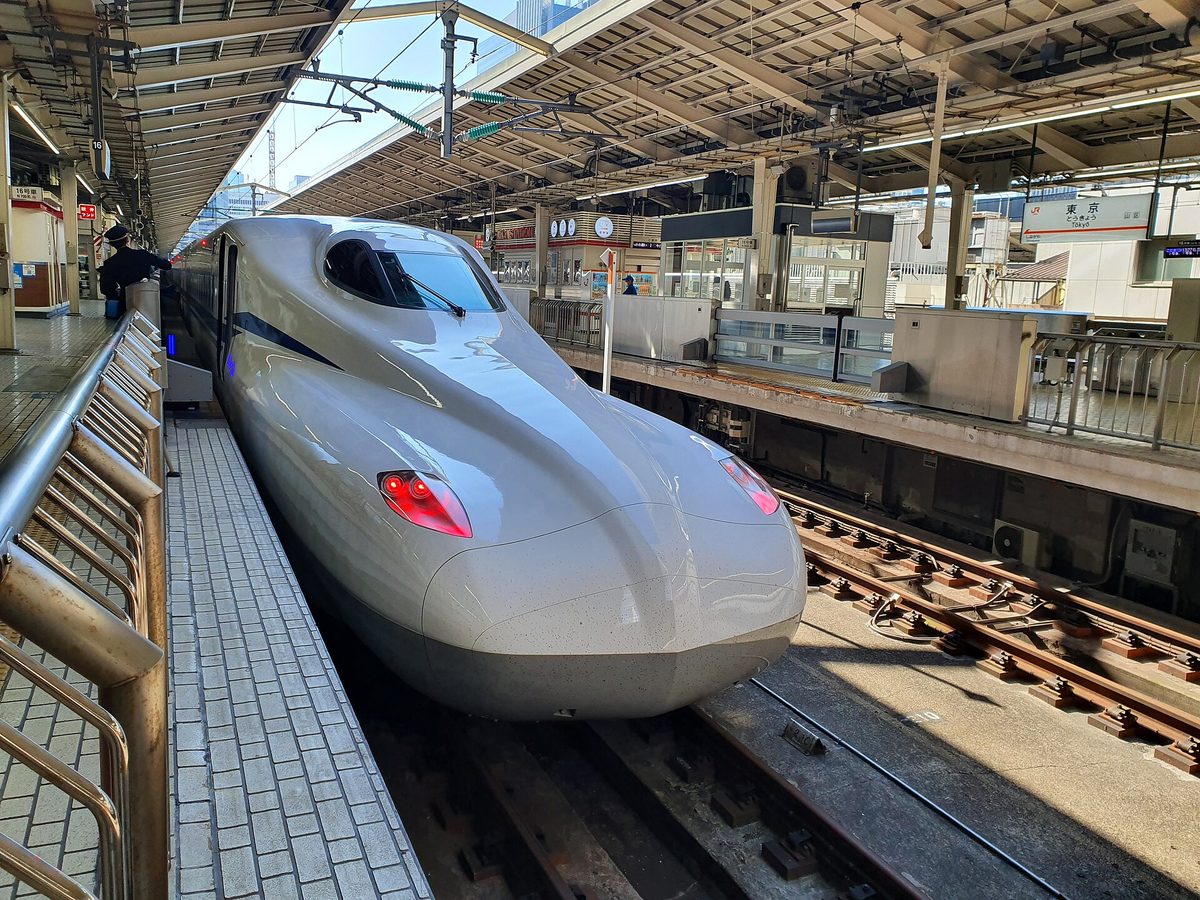
For years, the Japan Rail Pass was the first thing many visitors bought. Then, on October 1, 2023, its price went up sharply, and for a lot of trips single Shinkansen (bullet train) tickets are now the better deal. This guide sets the current official pass prices against real Shinkansen fares, using Tokyo to Kyoto as the example, explains how to book tickets online and board with a QR code, and covers the luggage rule that catches people with big suitcases. Every price comes from the official JR pages.
Planning train travel in another country can feel like a lot of decisions at once. The good news: once you know your route, the choice between a pass and single tickets is simple arithmetic.
This page may contain affiliate links. If you buy through them, we may earn a commission at no extra cost to you.
- The 7-day JR Pass costs 50,000 yen online (ordinary car); it was 29,650 yen before October 2023
- Tokyo to Kyoto on the Nozomi is 13,970 yen one way with smartEX (reserved seat, regular season)
- A Tokyo, Kyoto and Osaka trip usually costs less with single tickets
- The pass doesn't cover Nozomi trains without an extra ticket
- A suitcase over 160 cm in total needs a seat with an oversized baggage area
What the Japan Rail Pass is, and what it costs now
The Japan Rail Pass is a joint ticket from the six JR Group companies. It gives unlimited rides on JR trains across Japan, including most Shinkansen, for 7, 14 or 21 days in a row. It's only for visitors: the official eligibility page says you need the "Temporary Visitor" entry status, shown by a stamp or sticker in your passport.
These are the official prices for adults on the official price page (children aged 6 to 11 pay half):
- Ordinary car: 50,000 yen (7 days), 80,000 yen (14 days), 100,000 yen (21 days) when bought on the official website.
- Green car (first class): 70,000 yen, 110,000 yen and 140,000 yen.
- Through an overseas travel agency, the same passes cost a little more: 53,000 yen for the 7-day ordinary pass, for example.
Before the change on October 1, 2023, JNTO, Japan's national tourism organization, listed the 7-day ordinary pass at 29,650 yen. Many older blog posts and videos still show the old price, so their "the pass always pays off" advice may no longer fit.
What the pass doesn't cover: Nozomi and Mizuho
The fastest trains on the Tokaido, Sanyo and Kyushu Shinkansen, Nozomi and Mizuho, are not included. The official scope page says pass holders should use Hikari, Sakura, Kodama and Tsubame trains instead, or buy a separate NOZOMI MIZUHO Ticket for each ride: 4,960 yen between Tokyo and Kyoto, and 4,180 yen between Tokyo and Nagoya (Aichi).
A few more conditions from the official conditions of use:
- Carry your passport whenever you use the pass; staff may ask to see it.
- Reserved seats cost nothing extra, but you need to book them before boarding.
- Once the pass period has started, it can't be refunded or extended, even if trains stop because of a natural disaster.
- Non-JR lines aren't covered. JR trains that continue onto another company's tracks need a separate fare for that part.
Is the JR Pass worth it? Tokyo to Kyoto as the example
The simple test: add up the single fares for the long trips you will make within 7 days, and compare the total with 50,000 yen. Here are the official smartEX prices for a reserved seat in an ordinary car on the Nozomi, one way, for an adult in the regular season (from JR Central's price list dated April 1, 2025):
- Tokyo to Kyoto: 13,970 yen
- Tokyo to Shin-Osaka: 14,520 yen
- Kyoto to Hiroshima: 11,740 yen
- Hiroshima to Tokyo: 19,560 yen
JR Central's list adds that in the off-peak season the price is 200 yen lower, and in the peak and busiest seasons 200 or 400 yen higher.
So the most common first trip, Tokyo to Kyoto and home from Osaka, costs about 28,490 yen in single tickets: well under the pass. Even a longer loop out to Hiroshima stays below 50,000 yen. The pass starts to make sense when you pack more long JR rides into 7 days than this, for example by adding more distant regions, or when you want the freedom to hop on JR trains without counting. Remember that it also covers JR local trains, such as Tokyo's Yamanote Line, but those fares are small.
If your route does add up to more than the pass: Klook sells the Whole Japan Rail Pass (affiliate link) for 7, 14 or 21 days. Its listing says an exchange order is mailed to you before the trip, and you swap it for the pass at an exchange office in Japan, showing a passport with the "Temporary Visitor" stamp (checked October 17, 2026).
Getting the "Temporary Visitor" stamp
The official site warns that when you use the automated gates at airport immigration, no stamp or sticker is put in your passport. If you plan to pick up a JR Pass, use a staffed booth, or ask an officer to stamp your passport. Without it, the pass can't be issued, even if you have already paid.
Buying Shinkansen tickets: three ways
- smartEX: JR Central's official online service for the Tokaido, Sanyo and Kyushu Shinkansen (Tokyo, Nagoya (Aichi), Kyoto, Osaka, Hiroshima, Hakata (Fukuoka) and on to Kagoshima). You register with a credit card and can book from 5:30 a.m. one year before the travel date until 4 minutes before departure. It covers only these Shinkansen lines.
- A travel platform such as Klook: English booking pages, payment in your own currency, and QR code boarding on the Tokaido Shinkansen. The change and refund rules are the platform's, so read them on the booking page.
- At the station: JR Central says every ticket machine in its stations has English menus, and some sell Shinkansen tickets and reserved seats. Lines at ticket offices can be long in busy seasons.
During the busiest periods, all Nozomi seats are reserved. JR Central and JR West announced that in FY2025 (April 2025 to March 2026) this applied during Golden Week (a run of Japanese public holidays from late April to early May), Obon (a mid-August holiday when many people travel to their hometowns) and the New Year holidays. If your dates fall in these periods, book early.
Boarding with a QR code
The smartEX boarding guide explains how it works:
- Use a Shinkansen ticket gate with the QR mark, and hold your QR code over the scanner. You also need it to exit.
- Take the small "Seat Information" slip that comes out of the gate and keep it: the conductor may check it, and without it you can be charged the fare again.
- Each traveler needs their own QR code. If one person books for a group, send each person their code.
- If you change trains from a local JR line paid with an IC card such as Suica, hold the QR code over the gate and then touch your IC card.
- A screen protector can stop the code being read; smartEX suggests printing it if your phone has trouble.
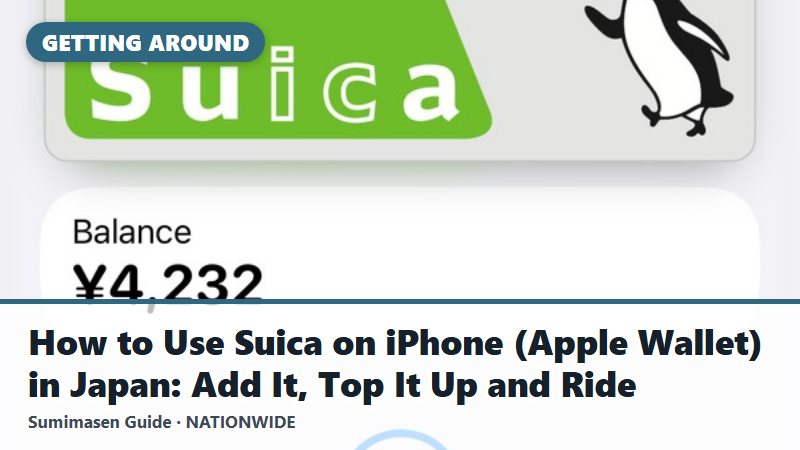
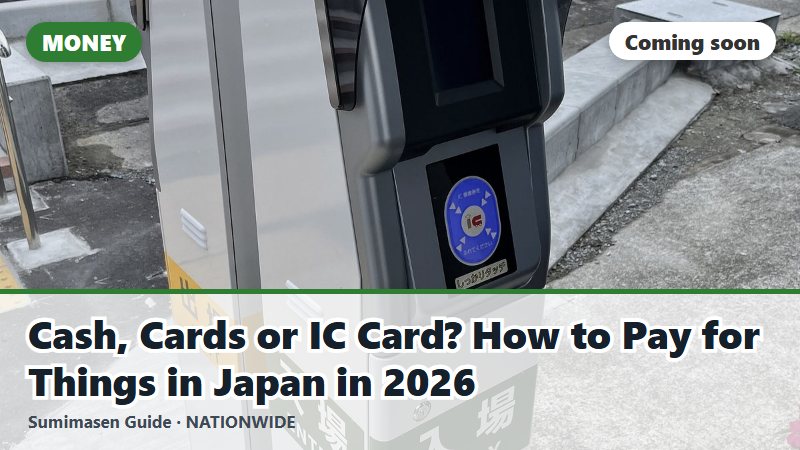
New to IC cards? See cash, cards and IC cards in Japan and Suica on iPhone.
Big suitcases: reserve a seat with an oversized baggage area
On the Tokaido, Sanyo and Kyushu Shinkansen (Tokyo to Kagoshima-Chuo), JR Central's luggage page sets three sizes by the total of length, width and height:
- Up to 160 cm: overhead racks, at your feet, or the baggage storage area on the deck. No reservation needed.
- 161 to 250 cm: you must reserve a seat with an oversized baggage area (the last row of some cars, with space behind it). It costs the same as a normal reserved seat. Without one, you pay a 1,000 yen fee.
- Over 250 cm: can't be taken on board.
You can choose the oversized baggage seat on smartEX, at ticket machines, at a ticket office, and with a JR Pass on the official JR Pass reservation site. Many large check-in suitcases are over 160 cm, so measure yours before you book. Our guide to trains and buses in Japan has a size chart, and luggage delivery between hotels is an easy way to skip the problem altogether.
Tokyo to Kyoto: putting it together
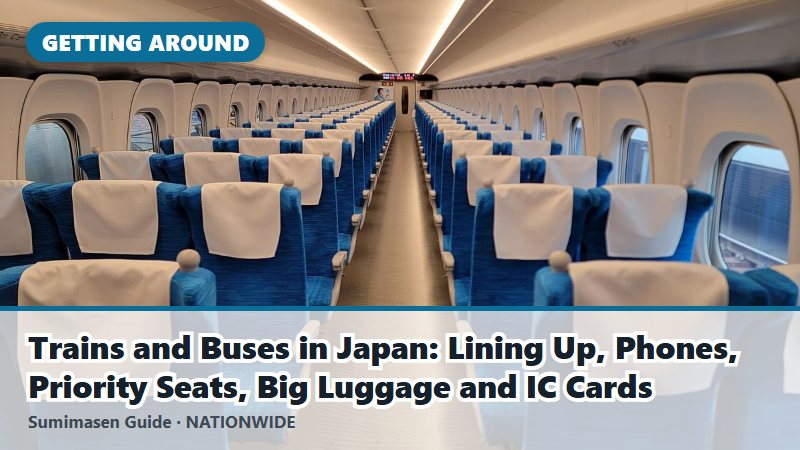
- Book a Nozomi from Tokyo Station (or Shinagawa) to Kyoto. The fastest trains take about 2 hours 10 minutes.
- Measure your suitcase. Over 160 cm in total? Choose a seat with an oversized baggage area.
- At the gate, scan your QR code, take the Seat Information slip, and find your car number on the platform signs.
- Eating on board is fine on the Shinkansen; take your trash with you.
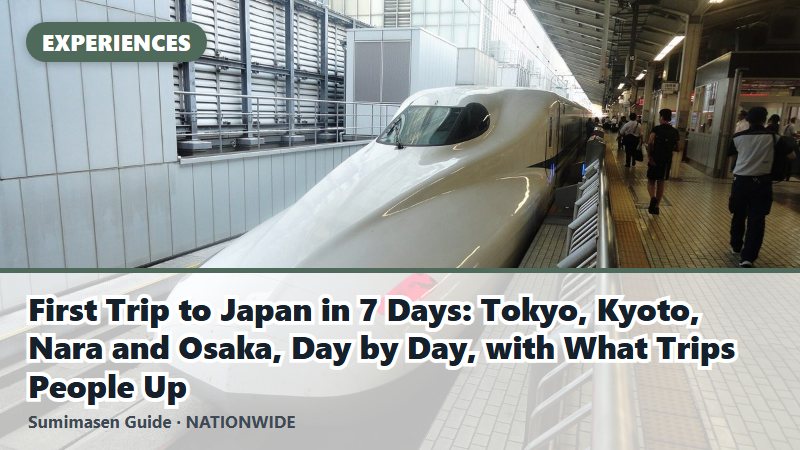
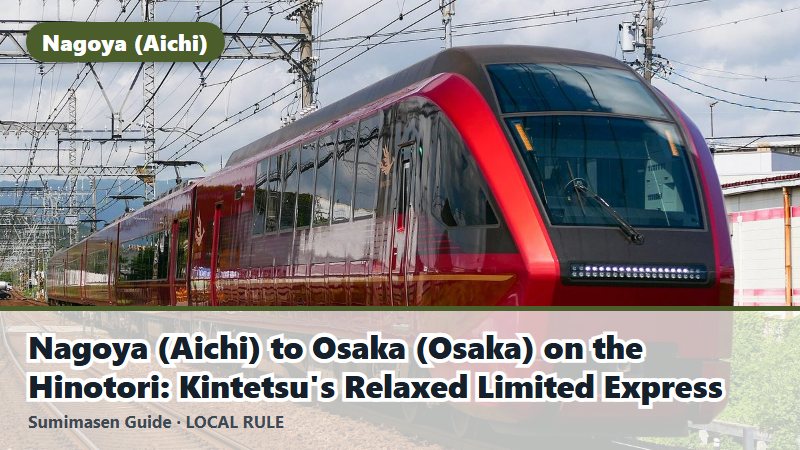
Planning the whole week? Our 7-day first trip follows this route day by day, and if you're stopping in Nagoya (Aichi), the Hinotori to Osaka is a relaxed alternative to the Shinkansen.
Ready to book? If your trip is Tokyo, Kyoto and Osaka, single tickets are the simple choice: book your Tokaido Shinkansen seats on Klook (affiliate link) before you fly, pick a seat with luggage space if you need it, and board with a QR code.
Last reviewed: October 17, 2026. JR prices and rules change; please check the official pages below before you buy.
References
- JAPAN RAIL PASS (official): About JAPAN RAIL PASS
- JAPAN RAIL PASS (official): Types and prices
- JAPAN RAIL PASS (official): Eligibility for use
- JAPAN RAIL PASS (official): Scope of validity
- JAPAN RAIL PASS (official): Conditions for use
- JAPAN RAIL PASS (official): Use of NOZOMI/MIZUHO trains
- JNTO Canada: Changes are coming to the Japan Rail Pass (2023)
- smartEX (JR Central): smartEX Service and price lists
- smartEX (JR Central): Boarding with QR-Ticket
- JR Central: Luggage information
- JR Central: How to buy tickets
- JR Central and JR West: Periods with all-reserved Nozomi trains in FY2025 (PDF)
- JR Central: Tokaido, Sanyo and Kyushu Shinkansen timetable