Renting a Car in Japan: International Driving Permit, ETC Card, Driving on the Left and How to Book
Trains take you almost everywhere in Japan's big cities, but for the flower fields of Hokkaido, the beaches of Okinawa or a road trip through the countryside, a rental car gives you a freedom no timetable can. Before you book, though, one document decides whether you can drive at all, and it has to be arranged in your home country. This guide explains, from the National Police Agency's official guide, which license you need, then covers ETC toll cards, the rules that surprise visitors most, and how to book.
Driving on unfamiliar roads, maybe on the other side, can feel like a big step. Most of what you need comes down to a few clear rules, and you can learn them before you land.
This page may contain affiliate links. If you buy through them, we may earn a commission at no extra cost to you.
- You need a 1949 Geneva Convention IDP, or for six countries and regions, your license plus an official Japanese translation
- Get the IDP in your home country before you leave
- Japan drives on the left; pedestrians always have priority
- Rent an ETC card with the car and pay tolls when you return it
- Report every accident to the police (110), even a small one
Which license you need
The National Police Agency's guide "How to Drive in Japan" (as of April 1, 2026) lists three ways to drive legally:
- A Japanese driver's license.
- An International Driving Permit (IDP) issued under the 1949 Geneva Convention on Road Traffic. Permits from countries or regions that aren't parties to this convention, or permits not in the form the convention sets out, are not valid in Japan.
- A license from Switzerland, Germany, France, Belgium, Monaco or Taiwan, together with a Japanese translation made by an organization Japan designates: the authority that issued the license, its embassy or consulate in Japan, or a recognized body such as the Taiwan-Japan Relations Association (for Taiwan) or ADAC (for Germany). A translation by a certified translator doesn't count.
How long it's valid: with an IDP or a foreign license plus translation, you can drive for up to one year from the day you land in Japan, or until the permit or license expires, whichever comes first. The NPA notes that an IDP itself is valid for one year from the date it's issued. IDPs are issued in your home country, so apply before you travel, and bring your home license too: rental companies check your documents at the counter, and some have their own conditions.
The rules that surprise visitors most
The NPA's leaflet "Follow the rules and drive safely in Japan" picks out these:
- Keep left. Japan drives on the left. If you're used to driving on the right, the riskiest moment is just after turning at an intersection, when it's easy to end up on the wrong side.
- Pedestrians always have priority. If someone is crossing, or about to cross, at a crosswalk, you must stop.
- Stop at every railroad crossing, even when the alarm isn't sounding, and check for trains.
- The red inverted triangle sign "止まれ" (tomare) means stop: come to a complete stop and look both ways.
- No phone while driving, not even looking at the screen, except in an emergency.
- No alcohol at all. Penalties are severe, and passengers who ask a driver who has been drinking to drive can be punished too. The NPA adds: don't drive with a hangover.
- Report every accident to the police (110), even if no one is hurt. If someone is injured, give first aid and call 119 for an ambulance, then call 110.
Toyota Rent a Car's driving guide adds two more: everyone in every seat must wear a seatbelt, and children under six must ride in a child seat, which rental companies offer as an option.
ETC cards and expressway tolls
Most expressways in Japan charge tolls. ETC (Electronic Toll Collection) lets you drive through the toll gate without stopping. Toyota Rent a Car's options page explains how it works with a rental car:
- Its passenger cars come with an ETC device as standard (except at some shops). You rent an ETC card at the counter, 550 yen per rental at Toyota, and pay the tolls you used when you return the car.
- Insert the card the right way up before you set off. If it's in the wrong way, or has expired, the barrier won't open.
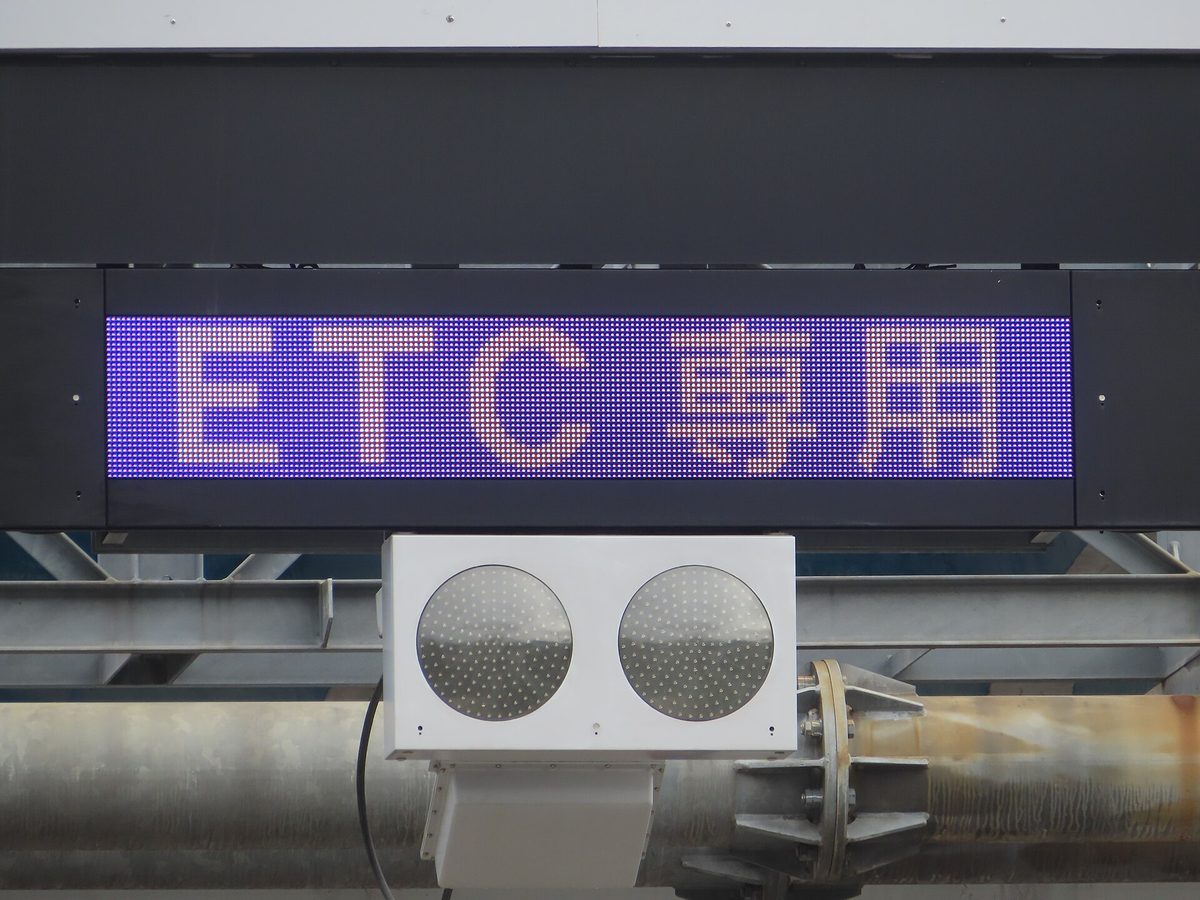
- At the toll gate, choose a lane marked "ETC専用" (ETC only) or "ETC・一般" (ETC and general), slow to 20 km/h or less, and the barrier opens.
- Don't take the card out while passing through the gate, and remember to remove it when you return the car.
- Without ETC, use a lane marked "一般" (general), take a ticket at the entrance and pay at the exit. Some gates don't take credit cards, so carry cash.
Expressway passes: in some regions, visitors can add a flat-rate expressway pass to a rental. Nippon Rent-A-Car's page, for example, offers the Hokkaido Expressway Pass and the Tohoku Expressway Pass, which need an ETC card rental and must cover the whole rental period. Ask at booking whether your company and pick-up location offer one.
Insurance and the "NOC" charge
Japanese rental rates include basic insurance, but you may still pay part of the cost after an accident. Toyota Rent a Car's insurance page is a typical example:
- Bodily injury to others is covered without limit; for damage to property and to the rental car, the customer pays a deductible of 50,000 yen per accident.
- If the car needs repair or cleaning, a Non Operation Charge (NOC) is charged to make up for the time the car can't be rented out.
- Accidents not reported to the police, or caused by someone other than the registered driver, aren't covered.
Optional waivers that reduce these costs are offered at booking or at the counter, and the details differ by company, so read them before you pay. Toyota also says that from July 22, 2026, its online reservations accept only credit cards, not debit or prepaid cards. For your own medical costs, see travel insurance for Japan.
Where a car makes the most sense
- Hokkaido: distances are long and many sights, like the hills and flower fields around Biei and Furano (Hokkaido), are far from stations. See the farm fields of Biei (Hokkaido) and the rules for visitors.
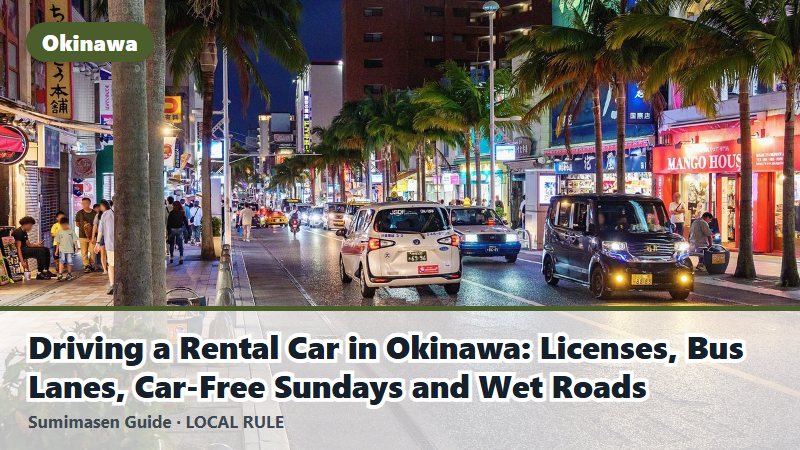
- Okinawa: the main island has no train except the monorail in Naha (Okinawa), and the rules on bus lanes and Sunday road closures are covered in driving a rental car in Okinawa.
- Big cities: in Tokyo, Osaka or Kyoto, trains are usually faster and parking is expensive and hard to find. Pick up the car when you leave the city.
Starting from Sapporo (Hokkaido) or New Chitose Airport? Klook's car rental page for the area (affiliate link) compares companies such as Times Car Rental, Nippon Rent-A-Car, ORIX, Nissan and Toyota, and marks some offers with English service.
How to book: a short checklist
- Get a 1949 Geneva Convention IDP at home (or the official Japanese translation if your license is from one of the six countries and regions above).
- Book early for holidays and summer, and choose a car with an ETC device; ask for an English-language navigation system if it's offered.
- Add child seats if you travel with children under six.
- Read what the insurance covers, the deductible and the NOC, and decide whether to add the optional waiver.
- At pick-up, bring your passport, home license and IDP (or translation), and a credit card. Rent the ETC card at the counter.
With your documents ready, the rest is choosing the car: search rental cars in Japan on Klook (affiliate link), enter where your license was issued, and compare the companies and conditions side by side.
Last reviewed: October 17, 2026. Rules and rental conditions can change; please check the official pages below and your rental company's terms.
References
- National Police Agency: How to Drive in Japan, for holders of foreign driver's licenses (English, PDF)
- National Police Agency: Follow the rules and drive safely in Japan (English, PDF)
- Toyota Rent a Car: Accessories and options, ETC (English)
- Toyota Rent a Car: Insurance and compensation (English)
- Toyota Rent a Car: Traffic rules (English)
- Toyota Rent a Car: Notice on debit and prepaid cards (English)
- Nippon Rent-A-Car: Expressway Pass programs (English)