Higashi Chaya District in Kanazawa (Ishikawa): Photo Manners, Private Homes, Eating and the 1,000 Yen Littering Fine
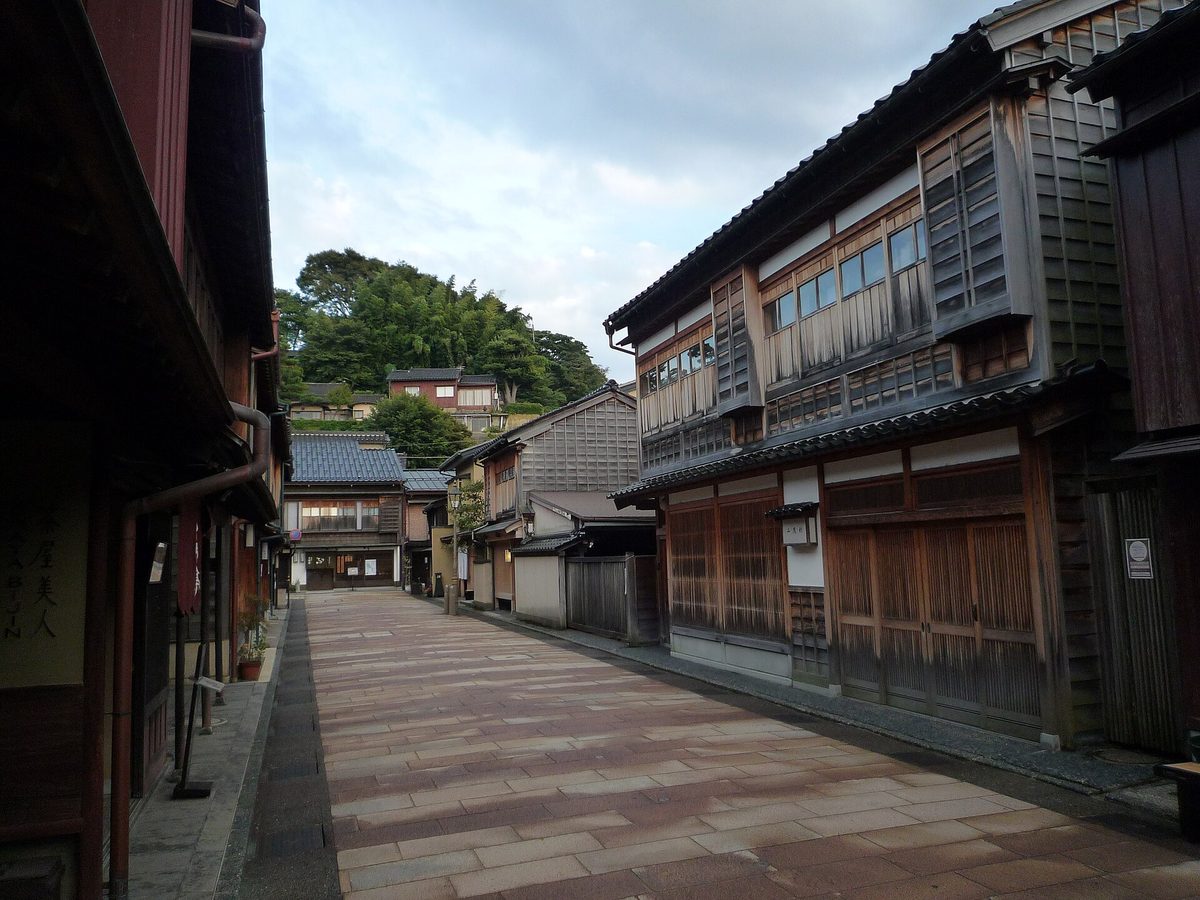
The Higashi Chaya District is the old teahouse quarter of Kanazawa (Ishikawa): a stone-paved street of wooden two-story buildings with fine latticework, a short bus ride from Kanazawa Station. It's one of the city's most photographed places, and it's also a real neighborhood where people live and work. This guide sets out what the city government and its official tourism association ask of visitors there: how to take photos without stepping onto private property, why you shouldn't eat as you walk down the main street, how the city's anti-littering and street-smoking rules work, and what the teahouses themselves are.
If you've seen the photos and want to stand in that street yourself, a few small habits are all it takes to enjoy it the way locals hope you will.
This page may contain affiliate links. If you buy through them, we may earn a commission at no extra cost to you.
- It's a shopping street with homes, not a theme park: no gate, no ticket
- Take photos from the street; don't step into doorways, alleys marked private or "Staff Only" areas
- Eat inside or in front of the shop where you bought the food, not while walking
- Littering and smoking on the street are banned in this area; ignoring an order from city staff can mean a 1,000 yen fine
What the Higashi Chaya District is
According to the City of Kanazawa (Ishikawa), the teahouse quarter was laid out in 1820 with official permission, and since the Meiji era it has been known as "Higashi" and has carried on the city's teahouse culture. About 1.8 hectares of the area were selected as a national Important Preservation District for Groups of Traditional Buildings on November 14, 2001, because so many teahouse buildings from the late Edo period to the early Meiji era survive here.
Today, VISIT KANAZAWA, the official guide of the Kanazawa City Tourism Association, describes it as "essentially a shopping district": the renovated townhouses are shops, homes, souvenir stores and restaurants. There are no set opening hours and no admission fee, but most shops are open from 10:00 a.m. to 5:00 p.m.
The ochaya (teahouses) are not places to drink tea. They're venues where geisha entertain guests with music and dance. The tourism association says five ochaya still operate here, and that they keep the tradition of not accepting first-time guests without an introduction. You can still look inside: the tourism association lists tours of "Shima", a teahouse designated as a national Important Cultural Property, and the Asanokawa Enyukai Hall introduces the district's history and geisha arts.
Taking photos: what the city asks
The city's multilingual leaflet, Manners and Etiquette Guide, says the city has lots of beautiful scenery and buildings, and asks visitors to be careful when taking pictures: if you focus too much on the shot, you can accidentally walk somewhere you shouldn't. In short:
- Stay out of "Do Not Enter" and "Staff Only" areas, including private property such as doorways, gardens and side passages of houses.
- If you aren't sure whether you can go somewhere to take a picture, ask first. The Japanese text of the leaflet adds that it's good manners to say a word before you take a photo.
- Don't walk side by side across the street. The leaflet says a row of people can form a "wall" that blocks other people, bikes and cars. Leave room for others to pass.
- Keep your voice down, so the people around you can enjoy the place too.
Eating: inside the shop, not on the move
Many shops here sell sweets and snacks, including the gold-leaf soft-serve ice cream that the tourism association mentions as a popular treat. VISIT KANAZAWA notes that eating while walking is prohibited in the Higashi Chaya District, so you're generally expected to eat at the shop where you bought the food. It adds that there are some places in the wider Higashiyama area around the district where you can eat on the go, so ask the shop where you buy.
The city's leaflet makes the same point for the whole city: in Japan it's considered bad manners to eat while walking around, and restaurants won't let you bring in food or drinks you bought somewhere else. For the bigger picture, see our guide to eating while walking in Japan.
Trash and smoking: a priority area with a 1,000 yen fine
The city's anti-littering ordinance came fully into force on July 1, 2012. Since March 1, 2015, the Higashi Chaya District and the area around Kenrokuen Garden and the 21st Century Museum of Contemporary Art have been priority anti-littering areas. In these areas the city prohibits:
- littering (cigarette butts, cans, bottles, plastic bottles, chewing gum, paper and so on),
- smoking on the street (in outdoor public places such as roads, parks and squares, including while standing still or riding a bike), and
- leaving dog or other pet droppings.
Smoking at an ashtray set up or allowed by the road's manager doesn't count as street smoking. The area is marked with signs and markings on the road.
The city's English leaflet asks you to carry your trash until you find a bin, rather than asking shop staff to throw it away for you, and to sort it into the right bin. The tourism association's own etiquette video answers the same small worry, "I couldn't find any trash bins", so a small bag for your own trash helps. Our guide to trash rules in Japan explains the sorting, and smoking rules in Japan covers where you can smoke.
Kimono, gold leaf and other things to do
VISIT KANAZAWA lists the most popular things to do here as strolling in a kimono, Japanese sweets and matcha at a townhouse cafe, visiting a teahouse that's open to the public, shopping in renovated townhouses, and trying gold-leaf application or other traditional crafts. With gold-leaf application, you decorate a small item yourself and take it home.
Timing your visit
The tourism association recommends about an hour just to stroll, and about two hours if you stop at shops. To avoid the busiest times, its Sightseeing Comfort Map shows predicted crowd levels on a five-level scale, and its live cameras show the Higashi Chaya District, Kenrokuen Garden, Omicho Market and other spots in real time. It also suggests weekdays for a more relaxed trip.
Omicho Market, where many restaurants serve kaisen-don (raw seafood on rice), is in another of the city's priority anti-littering areas. The city's leaflet asks visitors at markets not to touch or press on fish, fruit and other products, which can damage them, and to pay before opening anything.
Getting there
The district is about 2 km from Kanazawa Station, a 30-minute walk. By bus, the nearest stop is "Hashiba-cho", about 7 minutes from the station; the tourism association notes that the stop's location varies a lot by route, so if you get off at a stop that seems far away, head first for the Asanogawa Ohashi Bridge. Parking is limited and often full, so buses or walking are easier. While you're in town, see our guide to Kenrokuen Garden's tickets, hours and rules and our Kanazawa (Ishikawa) destination page.
Last reviewed: October 13, 2026. Rules and shop hours can change. Please check the official pages before you go.
References
- City of Kanazawa (Ishikawa): Manners and Etiquette Guide, in seven languages (Japanese page)
- City of Kanazawa (Ishikawa): Manners and Etiquette Guide (English, PDF)
- City of Kanazawa (Ishikawa): Higashi Chaya District and Kenrokuen area as priority anti-littering areas, with ordinance Q&A (Japanese, PDF)
- City of Kanazawa (Ishikawa): Kanazawa Station east priority anti-littering area, with the 1,000 yen fine (Japanese, PDF)
- Agency for Cultural Affairs, from material by the City of Kanazawa (Ishikawa): Higashiyama Higashi preservation district (Japanese, PDF)
- VISIT KANAZAWA (Kanazawa City Tourism Association): A Beginner's Guide to Enjoying Higashi Chaya District (English)
- VISIT KANAZAWA: Thoughtful Travel Guide, with the comfort map and live cameras (English)
- VISIT KANAZAWA: The Cuisine of Kanazawa (Ishikawa) (English)