Is Eating While Walking Rude in Japan? Where It's Fine and Where It Isn't
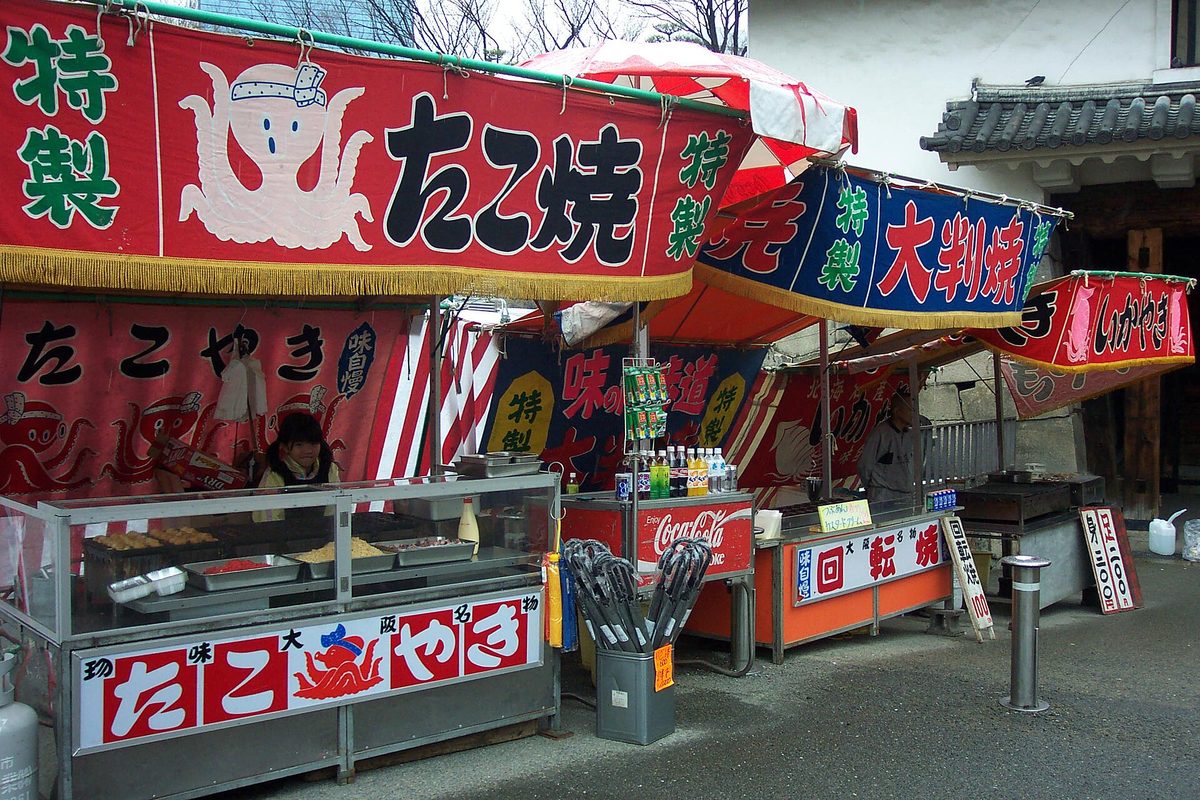
You've just bought a skewer of grilled mochi or a soft-serve cone, and you're wondering: is it rude to eat it as you walk? The honest answer is that Japan has no national law against it, but in crowded places many people would rather you didn't, and some markets, cities and shrines ask you directly to stop and eat. This guide explains why people mind, where the requests come from, where a snack in hand is usually fine, and how trains and buses differ, so you can enjoy street food without worrying.
This page may contain affiliate links. If you buy through them, we may earn a commission at no extra cost to you.
- Is it against the law? (No, but there are requests)
- Why people mind: crowds, spills and litter
- Where to stop and eat, and where it's usually fine
- Trains and buses: commuter trains versus the Shinkansen
Is it against the law?
No. We found no national law that bans eating while walking. What you will meet are requests, and they come from three places:
- Cities. Kamakura City (Kanagawa)'s manners ordinance lists eating while walking in a narrow or crowded place, in a way that may soil other people's clothes, as a nuisance to avoid. The city says plainly that the ordinance does not ban or regulate eating while walking itself, and there is no fine. Kyoto City (Kyoto)'s request to visitors and tour guides (November 7, 2025) lists eating while walking in crowded sightseeing areas, and eating in temples, shrines and other places that prohibit food, among the nuisance behaviors it asks people to avoid.
- Markets and shopping streets. Nishiki Market in Kyoto (Kyoto) and the Tsukiji Outer Market in Tokyo (Tokyo) ask you to eat in front of the shop or inside it, not while you walk.
- Shops and stalls. Many stalls have their own small eating space and ask you to use it. If a sign or a staff member asks you to stop, that's the rule for that spot.
Why people mind
The reasons are practical, not about you:
- Crowds and clothes. Kamakura City (Kanagawa) explains that its rule came from complaints about ice cream on people's clothes and being jabbed by dango skewers on packed streets. In a narrow lane, sauce or a skewer is at someone else's sleeve height.
- Litter. Public trash cans are hard to find. JNTO's customs and etiquette guide asks visitors not to litter and to take their trash home if there are no garbage cans, and the Tokyo Metropolitan Government's manners handbook says the same: use the labeled bin, or take your trash with you. If you eat at the stall, you can usually hand your stick or cup back right there.
- Shops. JNTO asks visitors not to bring food or drink from outside into any store, and to wait until they've left the store to open or eat what they bought there.
Where to stop and eat
These are the places where you'll see clear requests, so it's worth stopping:
- Busy food streets and markets. Eat in front of the shop or in its eating space, then walk on. Our guides cover Nishiki Market in Kyoto (Kyoto), the Tsukiji Outer Market in Tokyo (Tokyo) and Komachi-dori in Kamakura (Kanagawa).
- Shrines, temples and museums. The Tokyo Metropolitan Government's handbook asks visitors to refrain from eating and drinking inside galleries and museums, and on the paths leading to shrines and temples. Finish your snack before you go in. See how to visit a shrine or temple.
- Inside shops. Finish outside, or keep the food packed away.
Where it's usually fine
Kamakura City (Kanagawa) notes that eating while walking is not a problem in itself; the worry is crowded, narrow places. So on a quiet, wide street, a snack in hand is not what anyone is asking you to avoid. Some areas are built for takeout: the Kyoto City Tourism Association's visitor FAQ says that in Arashiyama (Kyoto) there are many stores where you can take out food, while at Nishiki Market you eat in the market's eat-in spaces. A bench, a park or a shop's own eating space is always a good choice; the Tokyo Metropolitan Government's handbook asks visitors not to sit on roads, sidewalks and other places not designed for sitting.
If you're visiting Nara (Nara) or Miyajima (Hiroshima), read our guides on the deer in Nara Park and the deer on Miyajima (Hiroshima) before you snack outdoors, and in Kamakura (Kanagawa), watch for the kites overhead.
Trains and buses
The Tokyo Metropolitan Government's handbook asks visitors to refrain from eating in commuter trains and transit buses. Long-distance trains are different: on the Shinkansen, eating at your seat is common, and JR Central sells food and drinks on board in the Green Cars of all Nozomi and Hikari trains on the Tokaido Shinkansen. Out of kindness to the people next to you, choose food without a strong smell, and take your trash with you. More in our guide to trains and buses.
Quick checklist
- Crowded street or market? Step aside, or eat at the shop, then walk on.
- Give your stick or cup back to the shop, or keep it until you find a bin.
- Finish your snack before entering a shop, shrine, temple or museum.
- Commuter train or city bus: wait. Shinkansen: enjoy your meal.
- If a sign or staff member asks you to stop, follow that.
Last reviewed: October 4, 2026. Local requests change; please follow the signs where you are.
References
- Kamakura City (Kanagawa): Tourism manners and the manners ordinance (Japanese)
- Kyoto City (Kyoto): Request for cooperation on tourism manners (November 7, 2025, Japanese, PDF)
- Kyoto City Tourism Association: Are there any places where I can enjoy eating while walking around?
- Tokyo Metropolitan Government: Manners & Customs Handbook for visitors (PDF)
- JNTO: Japanese Customs and Etiquette
- JR Central: On-board sales on the Tokaido Shinkansen (Japanese)