Bears and Foxes in Hokkaido: Staying Safe on Trails, on the Road and Around Town
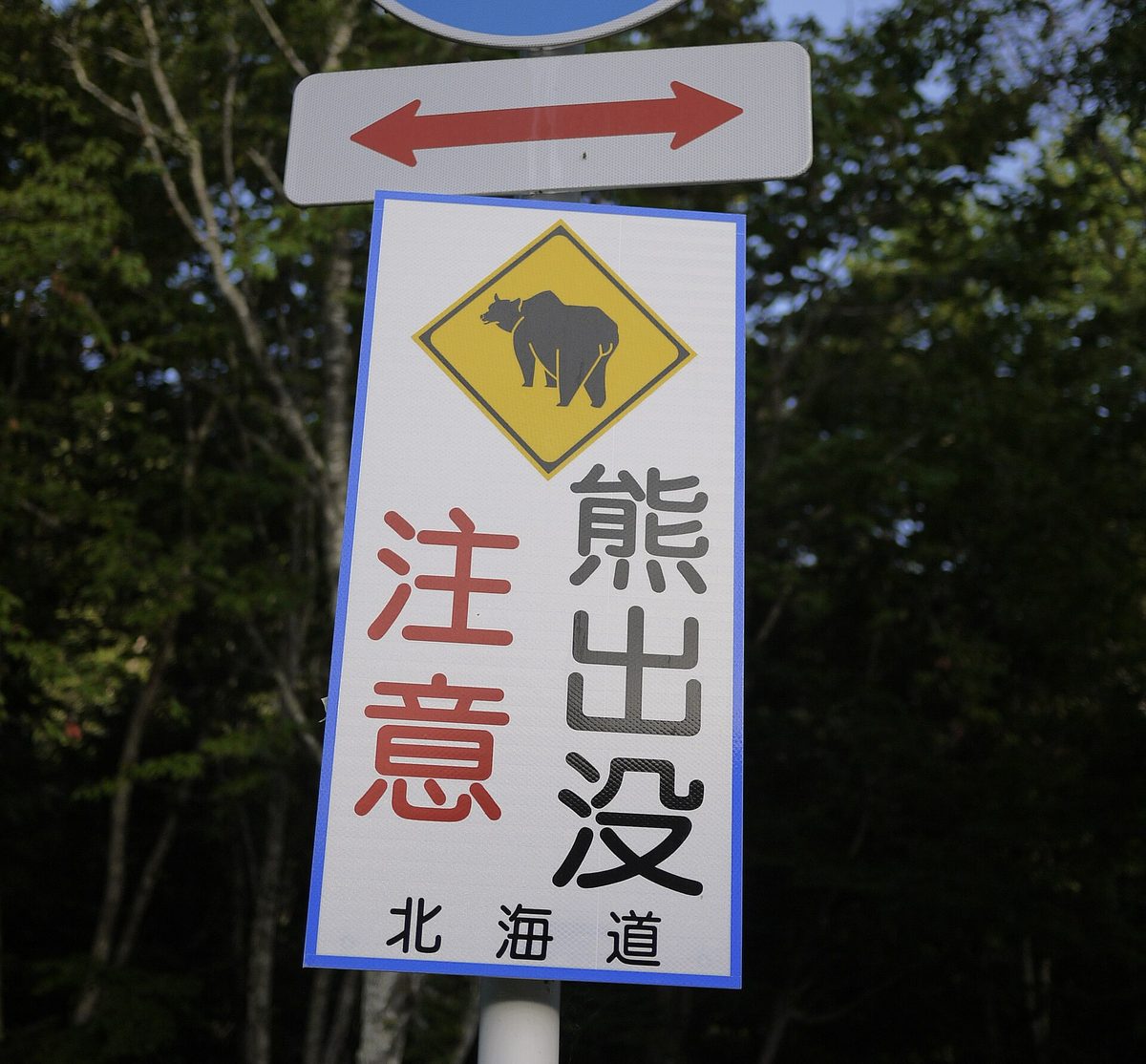
Hokkaido is the only part of Japan with brown bears, and its red foxes often walk right up to cars and campsites. Seeing either can be a highlight of a trip. This guide, based on the Hokkaido Government and other official pages, covers the simple habits that keep you and the animals safe: how not to meet a bear, what to do if you do, and why the friendly-looking fox is best left untouched.
This page may contain affiliate links. If you buy through them, we may earn a commission at no extra cost to you.
- Brown bears: the six habits the Hokkaido Government asks for
- If you see a bear: what to do, by distance
- Bears by the roadside: stay in the car
- Foxes: why not to touch or feed them, and why not to drink stream water
Please read this first. This guide summarizes official advice (checked October 2026). It can't make any outing risk-free. Follow local warnings and closures, and in an emergency call 110 (police) or 119 (ambulance and fire).
Brown bears: where and when
The Hokkaido Government says a brown bear can be met anywhere in the wild in Hokkaido, and that many injuries happen in mountains and fields. Its English leaflet for 2026 names September 1 to October 31, 2026 as an autumn period of increased bear activity, and shows that injuries happen most in spring and autumn. About half of the people attacked (excluding hunters) were picking wild vegetables or mushrooms.
Six habits that keep bears away
The Hokkaido Government's advice for hiking, and its 2026 leaflet, come down to these habits:
- Check sighting reports first. Ask the local town or check its website, and don't enter areas with reports or warning signs.
- Make noise. Bears usually leave once they notice people. Wear a bear bell, and clap or blow a whistle where you can't see far.
- Don't go alone. Talking with companions also tells bears you're there.
- Go in full daylight. Bears are most active in the early morning and evening; fog and rain also make it harder for them to notice you.
- Turn back if you see droppings or footprints.
- Take all food and trash home. A bear that learns the taste of human food starts approaching people, which puts the next visitor at risk. Feeding brown bears is prohibited under the Hokkaido Ordinance on Conservation of Biodiversity.
The government's Japanese leaflet adds: be careful near mountain streams, where the water noise hides other sounds, and carry bear spray in case of emergency.
If you see a bear
The Hokkaido Government's leaflet stresses that running away is extremely dangerous, and that a mother bear will attack to protect her cubs, so never approach a cub. Lying face down with your hands over the back of your neck is described as a way to protect the neck and head, but the leaflet says plainly that it isn't a 100% solution. If you see a bear near a town or village, the government asks you to contact the town office or the police.
Bears by the road: stay in the car
In Shiretoko (Hokkaido), you may see a bear while driving. The Ministry of the Environment's Shiretoko visitor page asks drivers not to stop and not to get out of the car. Stopping to watch can back up traffic and cause accidents, and getting out to approach a bear could lead to serious injury or death.
Foxes: lovely to see, but don't touch or feed them
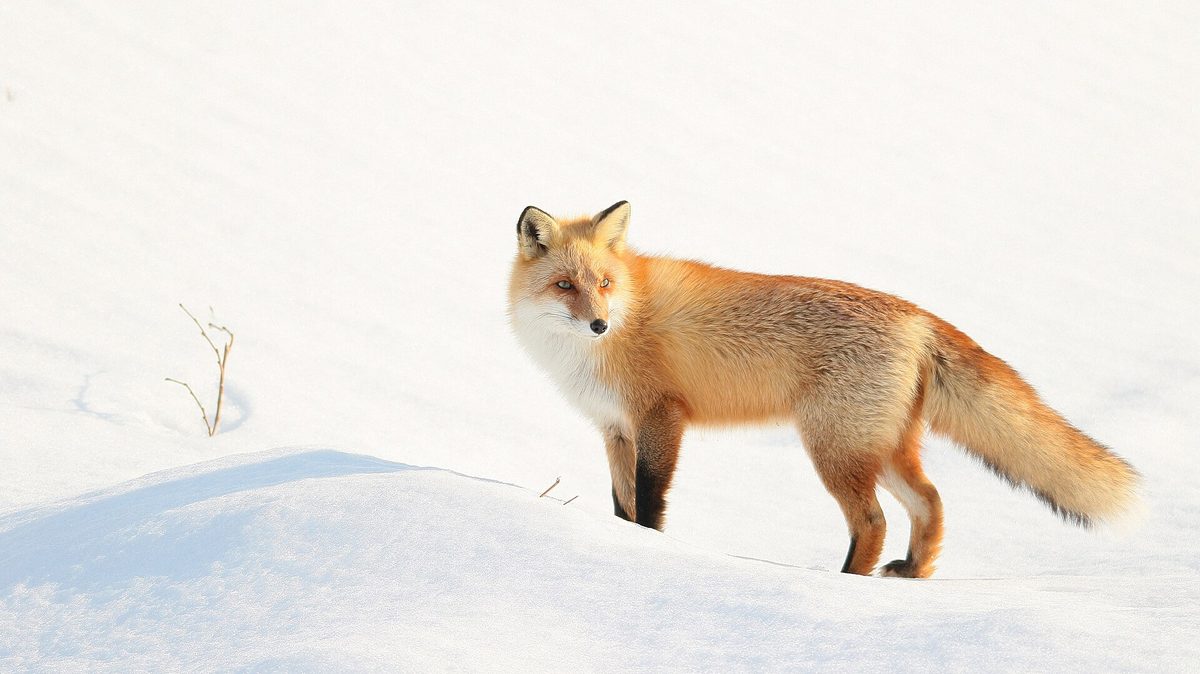
The red fox of Hokkaido (Kita-kitsune) is often seen near roads and towns. The Hokkaido Government's health department explains why to keep your distance: foxes can carry Echinococcus, a tapeworm. People can be infected by touching an infected fox or its droppings, or by eating wild plants or drinking stream water contaminated with the eggs. It doesn't pass from person to person. The disease mainly affects the liver, and it can take several years to over ten years before symptoms appear.
The prefecture's prevention advice:
- Don't feed, call over or touch wild foxes. Eggs can be on their fur.
- Don't drink stream or spring water as it is. The eggs survive cold of about minus 20°C but not heat: boiling at 100°C for 1 minute kills them.
- Wash wild berries and plants well, or cook them, before eating.
- Wash your hands when you come back from outdoors.
- Don't leave food scraps out; they draw foxes closer to people.
A short checklist for Hokkaido's outdoors
- Before a hike, check bear sightings with the local town; carry a bell.
- Walk with others, in daylight, and pack out every scrap of food.
- See a bear far off? Leave quietly. Closer? Back away slowly; never run.
- Bear by the road? Stay in your car and keep moving.
- Fox at the roadside? Enjoy it from a distance; no snacks, no petting.
- Boil any stream water before drinking, and wash your hands.
Visiting the farm hills? Read why not to step into the fields of Biei and Furano (Hokkaido). In winter, see walking on snow and ice in Sapporo (Hokkaido). More on our Hokkaido destination page.
Last reviewed: October 4, 2026. Bear warnings change by season and place. Check the local town and the official pages below before you go.
References
- Hokkaido Government: Beware of brown bears (English)
- Hokkaido Government: Autumn brown bear increased activity period 2026 (English leaflet, PDF, hosted by Obihiro City)
- Hokkaido Government: To avoid meeting brown bears (Japanese, PDF)
- Ministry of the Environment, Rausu Visitor Center: Brown bears, avoiding danger (English)
- Hokkaido Government: Echinococcosis (Japanese)