Kimono Rental in Kyoto: How It Works, What's Included, Gion (Kyoto) Etiquette, Weather and Booking
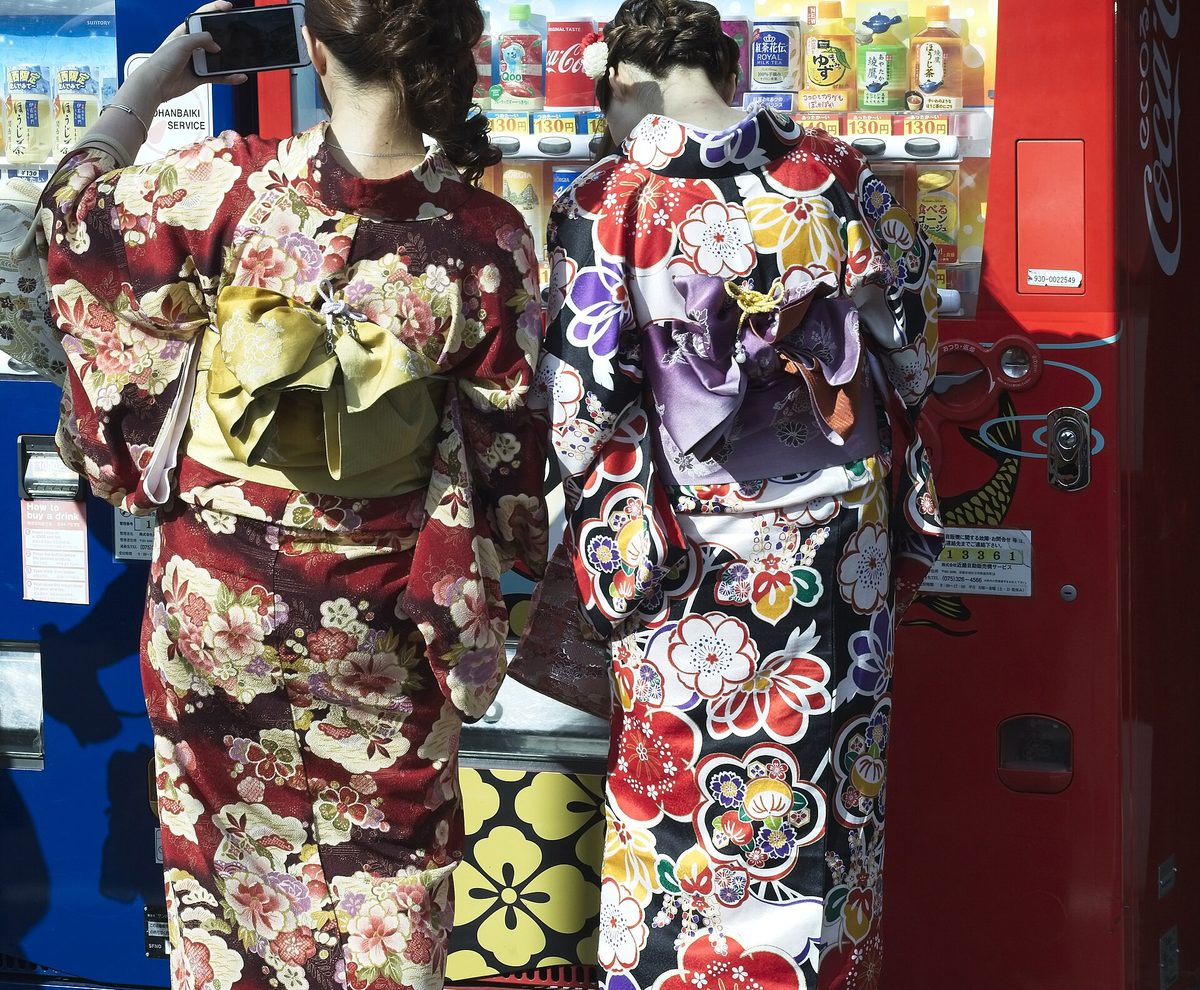
Walking through the old streets of Higashiyama in Kyoto in a kimono is one of the most popular experiences in Japan, and you don't need to own one or know how to put it on. Rental shops near Kiyomizu-dera, Yasaka Shrine and Arashiyama (Kyoto) dress you, tie the obi (the wide sash) and do your hair, then send you out for the day. This guide explains how a rental day works, what is usually included and what costs extra, how to dress for Kyoto's hot summers and cold winters, and the etiquette that matters most in Gion (Kyoto).
It's normal to feel a little unsure the first time: Will it fit? Can I walk in the sandals? What if it rains? The shops handle the hard part, and the rest is easy once you know what to expect.
This page may contain affiliate links. If you buy through them, we may earn a commission at no extra cost to you.
- You choose a kimono and obi at the shop, staff dress you, and you return it the same afternoon (often by 5:00 p.m.)
- Basic plans usually include the kimono, obi, bag, sandals and socks; photography and makeup are often extra
- In summer (roughly June to mid-September) many shops offer yukata, a thin cotton kimono; in winter, add a warm inner layer
- In Gion (Kyoto), stay out of lanes marked private and never stop or photograph geiko and maiko
- Book online with free cancellation up to 24 hours before, and choose a morning time to make the most of the day
How a kimono rental day works
Most shops follow the same steps. Here is the flow at Kimono Rental Miyabi's Kiyomizu-dera branch, as its booking page describes it:
Plan on about an hour at the shop. Okimono-ya's Kiyomizu store, for example, says choosing and putting on a kimono takes about 1 to 1.5 hours, and you may have to wait on busy days. Leave your suitcase or day bag at the shop: both shops above offer free storage while you're out.
What's included, and what costs extra
Plans and names differ, so always read the "What's included" list on the booking page. As an example, the standard women's plan at Okimono-ya's Kiyomizu store lists:
- Included: a kimono or summer yukata, the obi, a handbag, sandals (zori or geta), socks, a basic hairstyle with hair accessories, and free luggage storage.
- Extra: photography sessions and makeup touch-ups are separate options, and Miyabi also lists makeup, professional hairstyling and photography as not included in its basic plan.
- Size: Miyabi lists a maximum waist and hip measurement of 110 cm for adult kimono and offers a separate plus-size plan. Okimono-ya charges the adult rate for children 150 cm and taller.
- Not for everyone: both shops say their kimono plans are not recommended during pregnancy.
Want the hairstyle included? Okimono-ya's Kiyomizu store on Klook (affiliate link) includes a basic hairstyle in its standard women's plan, keeps your luggage for free, and lets you return the kimono the next day free of charge if you register at the front desk (checked October 17, 2026). Its staff speak English, Mandarin, Cantonese, Japanese and Korean.
Returning on time
Return times are strict, and late fees add up quickly:
- Okimono-ya (Kiyomizu store): return before 17:00; late returns cost 1,000 yen per person for every 10 minutes, paid in cash.
- Miyabi (Kiyomizu-dera branch): return before 17:00; between 17:30 and 18:00 there is a 1,000 yen surcharge per person, and after 18:00 it counts as an overnight rental (1,000 to 5,000 yen depending on the kimono).
- Damage: Miyabi charges three times the rental fee for permanent stains, burns or missing pieces, so be careful with food, drinks and incense smoke at temples.
Dressing for Kyoto's weather
Kyoto sits in a basin surrounded by mountains, and the official Kyoto City travel site describes scorching summers and surprisingly cold winters. A kimono can be worn all year if you plan for the season:
- Summer: Kyoto's travel site says days over 35°C (95°F) have become more common, and summer brings sudden downpours. Yukata are thin cotton kimono worn in summer; Miyabi provides yukata from June 1 to September 15.
- Winter: the collar of a kimono is left slightly open at the back, so wear an insulating layer underneath. Kimono are worn with tabi socks (split-toe socks), so tights don't work, but leggings that leave the feet free do. Many shops rent shawls, stoles and kimono coats.
- Rain: Miyabi says a booking may be canceled for bad weather, with an email 3 days before and the choice to reschedule or get a full refund. Check the forecast and the shop's policy before you go.
Kimono etiquette in Gion (Kyoto) and around temples
Wearing a kimono makes you part of the scenery, and it's a good moment to follow the rules residents care about most. The official Kyoto City travel site and Kyoto City's requests are clear:
- Never stop, touch, follow or photograph geiko and maiko without permission. They are working, not posing.
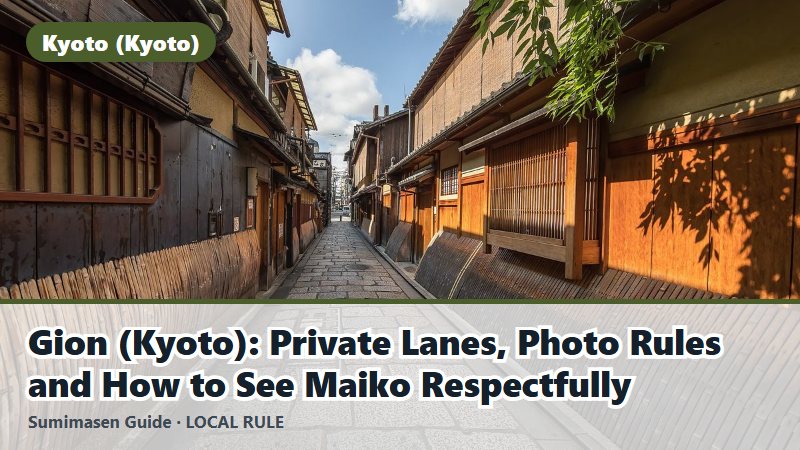
- Stay out of private lanes in Gion (Kyoto) and don't photograph into them. Look for the notice boards; our guide to the private lanes and photo rules of Gion (Kyoto) shows what they mean.
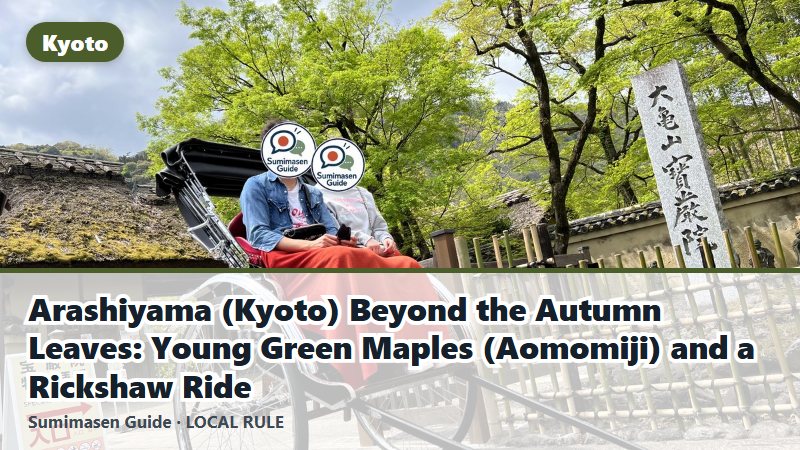
- Don't block busy streets for photos, especially around Kiyomizu-dera, Nishiki Market and Arashiyama (Kyoto). Step to the side to pose.
- Follow photo rules at temples and shrines; photography is prohibited in some parts of them.
- No eating while walking on busy streets, which also protects your rental from stains. See our guide to eating while walking in Kyoto.
Want to see a maiko perform? Book a show or event instead of looking for one on the street; Kyoto's travel site points visitors to public dance performances held through the year.
Booking tips
- Book a morning slot. With a 17:00 return, an earlier start gives you more of the day.
- Pick a shop near where you'll walk. Shops near Kiyomizu-dera suit the Higashiyama streets; there are also shops in Arashiyama (Kyoto).
- Check your size and the plan's inclusions (hairstyle, bag, sandals, coat in winter) before you pay.
- Travel light. Leave big bags at the shop or send your suitcase ahead; our guide to luggage forwarding and coin lockers explains how.
Ready to choose your kimono? Pick a morning time, check the size and what's included, then book Kimono Rental Miyabi on Klook (affiliate link). With the dressing done for you, you can spend the day enjoying Kyoto's old streets.
Last reviewed: October 17, 2026. Shop plans, prices and return times change; please check the booking page and the official pages below before you go.