Fushimi Inari Taisha in Kyoto: How to Walk the Senbon Torii and Mount Inari
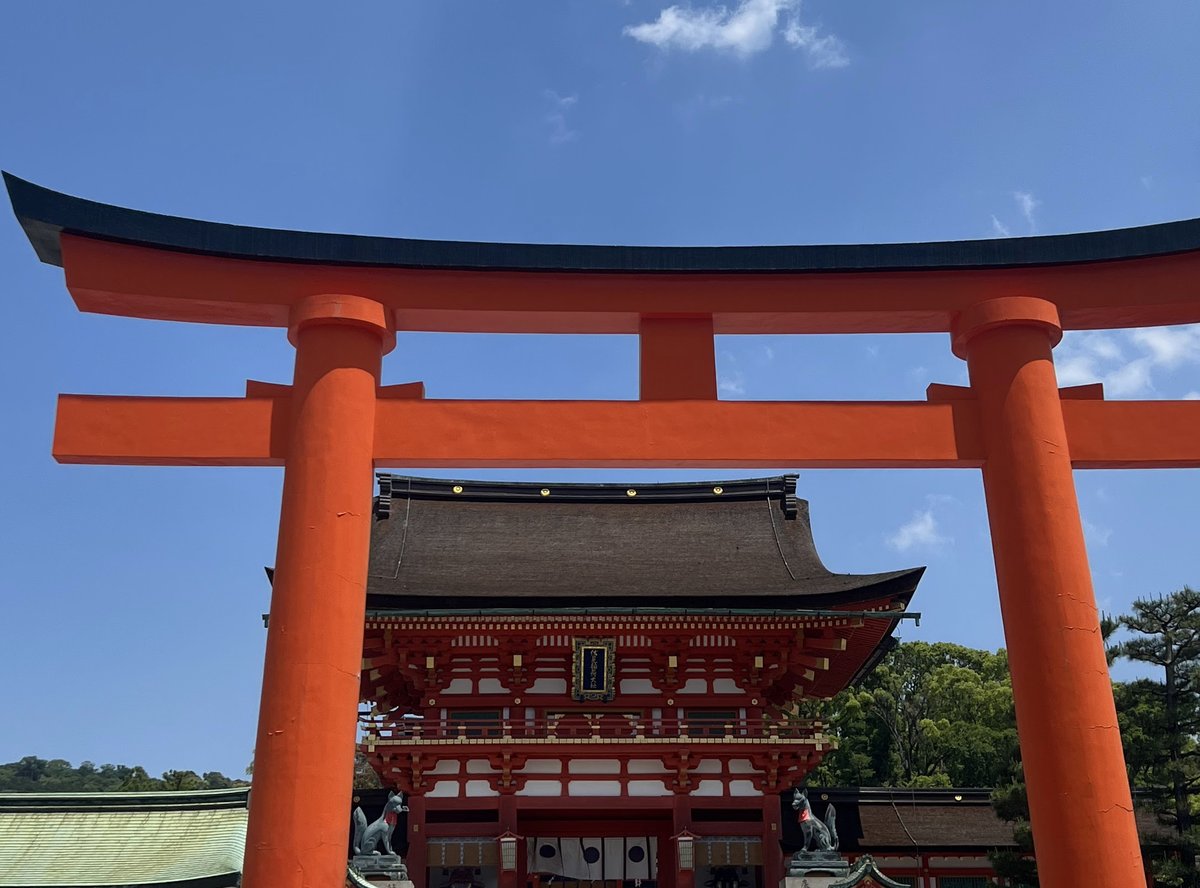
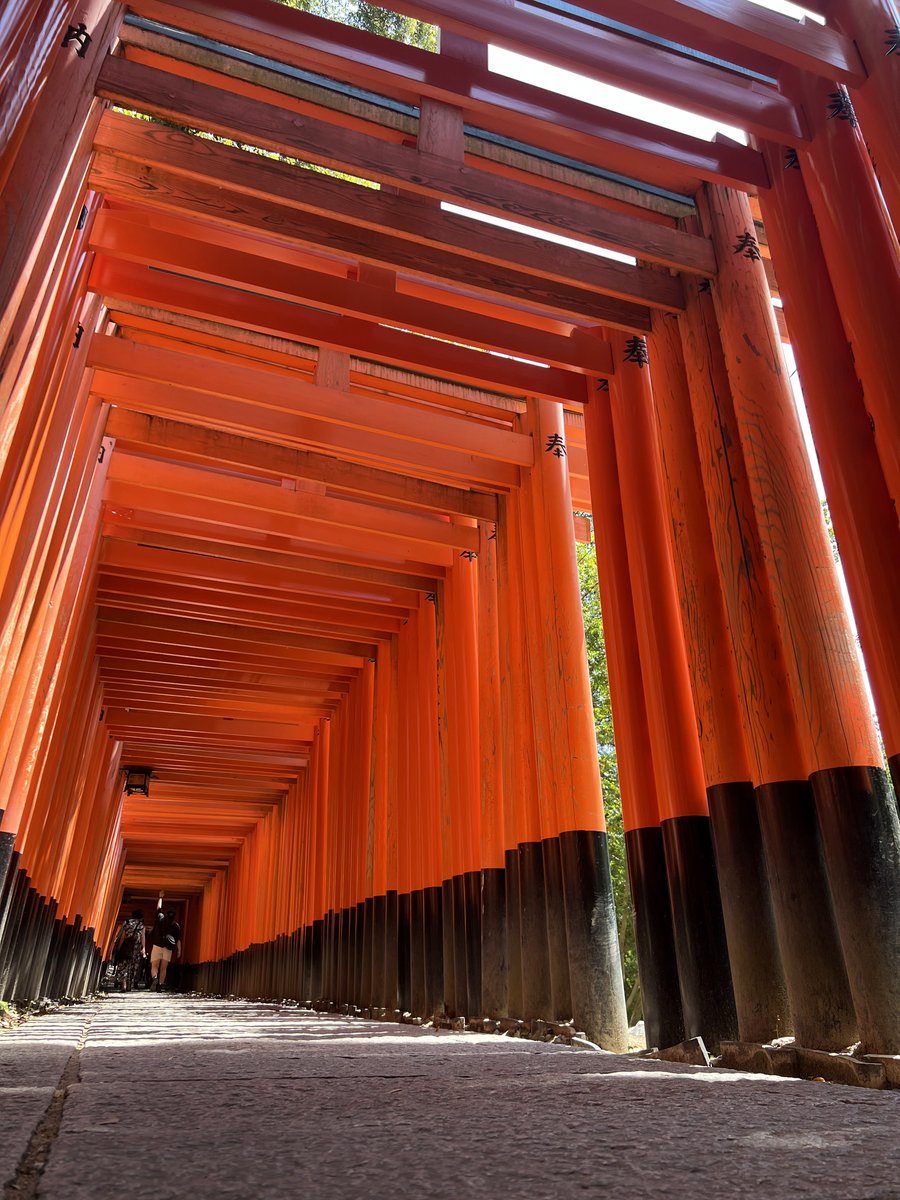
Fushimi Inari Taisha in Kyoto is the shrine with the long tunnels of orange torii gates, the Senbon Torii. It is just outside JR Inari Station, and the gates never close. This guide covers how to get there, how long the walk up Mount Inari takes, the busy days, a short note on how to pray, the shrine's rules for photos, and what the foxes mean. I walked the torii paths in May 2022. Facts come from the official pages listed at the end; the "My visit" notes are my own experience.
- JR Inari Station is right next to the shrine, about 5 minutes from Kyoto Station on the JR Nara Line
- The gates never close: you can visit day and night
- The walk around Mount Inari is about 4 km and takes about 2 hours
- Don't block the narrow torii paths while taking photos, and eat or drink only in the rest areas
Eating and drinking are only allowed in the rest areas. The shrine's rules ban eating or drinking anywhere except the marked free rest areas, including eating while walking. They also ban blocking the narrow paths while taking photos, flying drones, smoking, and bringing pets (guide dogs and other needed animals are fine). Visitors who don't follow the rules are asked to stop, or to leave.
Based on the official pages listed at the end (checked October 2026). Hours and rules can change, so check them again before you go.
Fushimi Inari at a glance
Fushimi Inari Taisha is the head shrine of the Inari shrines found all over Japan. The shrine says the deity came to Mount Inari in the year 711, and people pray here for good harvests, business success and the safety of their families. Most of the shrine grounds are the mountain itself, Mount Inari (233 m), the southernmost of the Higashiyama hills of Kyoto, and the whole mountain is counted as part of the shrine.
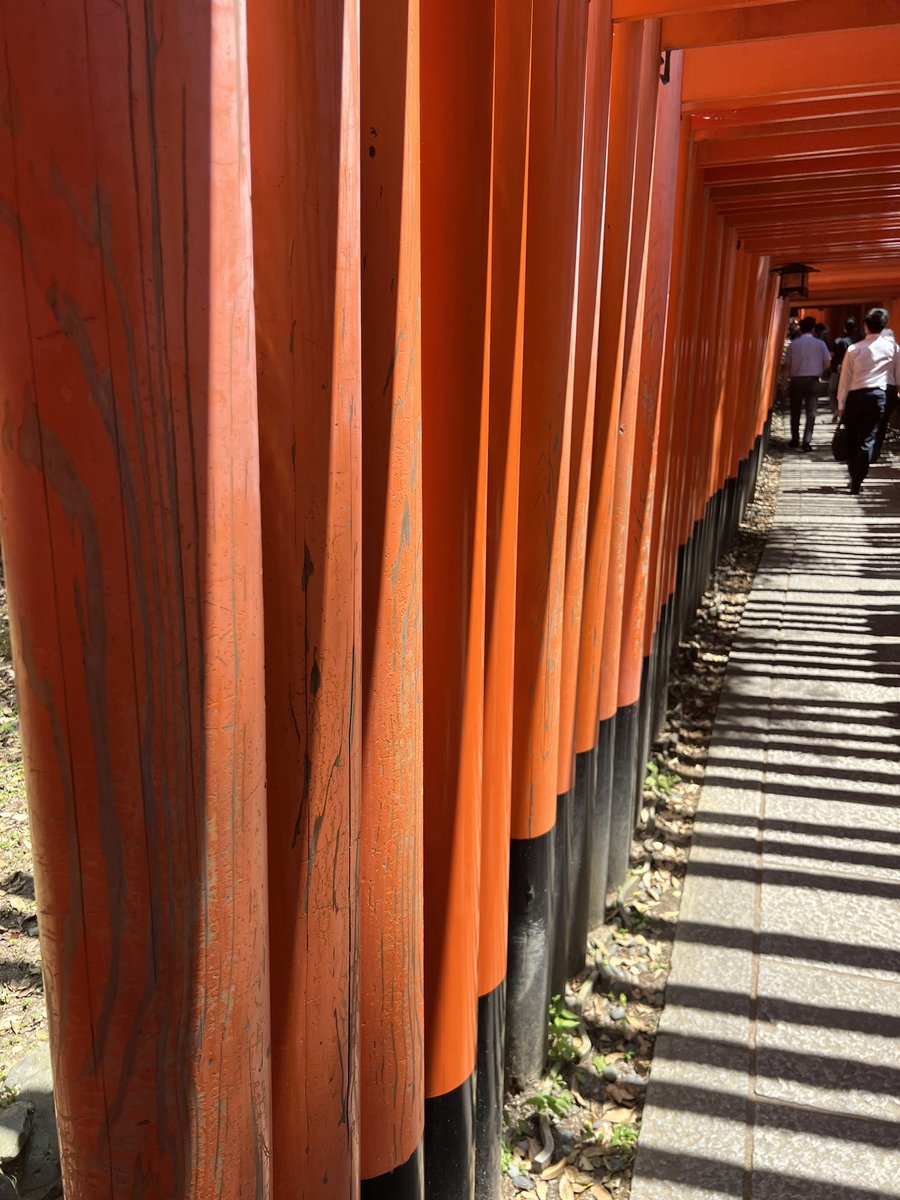
The torii gates are gifts. Since the Edo period (1603 to 1868), people have donated a torii to say thanks for a wish that "went through", and about 10,000 of them now stand along the paths of the mountain. The rows of gates just behind the main hall are the famous Senbon Torii, "a thousand torii".
Getting there
- JR: Inari Station on the JR Nara Line is right in front of the shrine, two stations and about 5 minutes from Kyoto Station. You can use an ICOCA or other IC card (a rechargeable transport card), and the station has coin lockers.
- Keihan: Fushimi-Inari Station (KH34) on the Keihan Main Line is about 5 minutes on foot east of the shrine. Keihan's station page says it has no elevator or escalator but has a slope, toilets and coin lockers.
- City bus: Minami 5 to the Inari Taisha-mae stop, then about 7 minutes on foot east.
The shrine asks visitors to come by public transport: the roads and parking around it get very crowded, and the parking is for shrine visitors only.
Hours and the busy days
The gates never close, so you can walk the grounds and the torii paths day and night. The official Kyoto travel guide lists prayers and blessings (kito) from 8:30 to 16:30 and the office that hands out amulets from 8:00 to 18:00, so if you want an amulet, go before 18:00.
The same guide names the days when many people come: Hatsuuma in February (the first "day of the horse" in February in the traditional calendar, the day the deity is said to have come to the mountain in 711), the Inari Festival from late April to May (its main procession returns on May 3), and the fire festival Hitakisai on November 8. Around New Year, when people make their first shrine visit of the year (hatsumode), the shrine's parking lots are closed from December 30 to January 6. The official Kyoto travel site also has a crowd forecast by hour and by weather for about two months ahead.
My visit
I went on a weekday, Tuesday, May 24, 2022, around midday, and it wasn't crowded. That was just my day; on festival days and around New Year it can be very different.
A short note on how to pray
Fushimi Inari is a Shinto shrine. You don't need to be Shinto to pray. The basic form, from the Association of Shinto Shrines, is: wash your hands and mouth at the water basin (temizu), left hand, right hand, then rinse your mouth from your cupped left hand, never from the ladle; at the hall, bow twice, clap twice and bow once. Each shrine may have its own way, so follow any signs. Our guide to shrine and temple etiquette explains each step.
The Senbon Torii and the walk up Mount Inari
Behind the main hall, the paths of torii lead up to Okusha Hohaisho, a place to worship the mountain from afar, known to many as Oku-no-in. Behind it is the Omokaru stone: make a wish, lift the round top of the stone lantern, and if it feels lighter than you expected, the wish is said to come true.
The torii paths keep going up the mountain. The official Kyoto travel guide gives about 4 km and about 2 hours for the walk around the peaks of Mount Inari, and about 120 minutes for a visit including the mountain. Partway up is Yotsutsuji, a crossroads where the paths divide. The highest point is Ichinomine, at 233 m. You don't have to go to the top: you can turn back at any point and come down the way you went up.
- Shoes: the paths are long and go up and down stone steps, so wear shoes you can walk in for a few hours.
- Water: carry a drink, and drink it at one of the rest areas, because the shrine asks that people eat and drink only there.
- Rubbish: take your bottles and cans with you; the shrine bans leaving rubbish.
My visit
I walked quite a lot through the torii that day, May 24, 2022. One of my photos is a selfie under the gates; my face is covered with our logo.
Why there are foxes everywhere
You will see stone foxes at the gates and all over the mountain. The shrine explains that the messengers of the Inari deity are foxes, but not the wild foxes of the hills: like the deity, they can't be seen, and they are called byakko-san, the white (clear) foxes. The deity itself is not a fox. The orange color, the shrine adds, has long been used against evil and here stands for the deity's power to bring good harvests.
Photos and manners on the torii paths
The shrine's rules, dated January 1, 2022, ask visitors not to:
- block other visitors by taking photos or filming on the narrow paths
- take photos for business, or in places where photos aren't allowed
- enter the main hall, the other buildings or fenced areas without permission
- fly drones, smoke, or damage the torii, buildings or trees
- climb on stone lanterns, or leave strollers outside the marked places
- shout or sit on the ground in a way that bothers other visitors
- walk the grounds in a wedding dress or other clothes not suited to worship
- go near or feed wild birds and animals
In the torii tunnels, step to the side to take a photo and let people pass.
Before you go
- Take the JR Nara Line from Kyoto Station to Inari Station, or the Keihan Main Line to Fushimi-Inari Station.
- Check the crowd forecast on the official Kyoto travel site, and avoid the festival days if you want a quieter visit.
- Wear shoes you can walk in and bring a drink for the rest areas.
- Decide how far up the mountain you want to go: the full walk is about 2 hours.
- If you want an amulet, go to the office before 18:00.
Staying in Kyoto? See where I stayed in Kyoto (affiliate link). More on our Kyoto page, and a full week's plan in a first trip to Japan in 7 days.
Last reviewed: October 16, 2026. Hours, festival days and rules change; please confirm on the official pages below before you go.
References
- Fushimi Inari Taisha: Access (English)
- Fushimi Inari Taisha: Request for All Visitors (English)
- Fushimi Inari Taisha: About the shrine (Japanese)
- Fushimi Inari Taisha: FAQ (Japanese)
- Fushimi Inari Taisha: Map of the grounds and Mount Inari (Japanese)
- Kyoto City Official Travel Guide: Fushimi Inari Taisha (Japanese)
- JR West: Inari Station (Japanese)
- Keihan: Fushimi-Inari Station (Japanese)
- Association of Shinto Shrines: How to pray (Japanese)