Matcha, Tea Ceremony and Zen: A Short History, and How to Experience It in Japan
Quick answer
- Urasenke says Eisai (1141-1215), who introduced Rinzai Zen to Japan, brought powdered tea back from China.
- Tea masters from Shuko to Sen Rikyu studied Zen, and Urasenke says almost all great tea masters of the 15th and 16th centuries studied at Daitokuji.
- Urasenke names four principles of chado: harmony, respect, purity and tranquility.
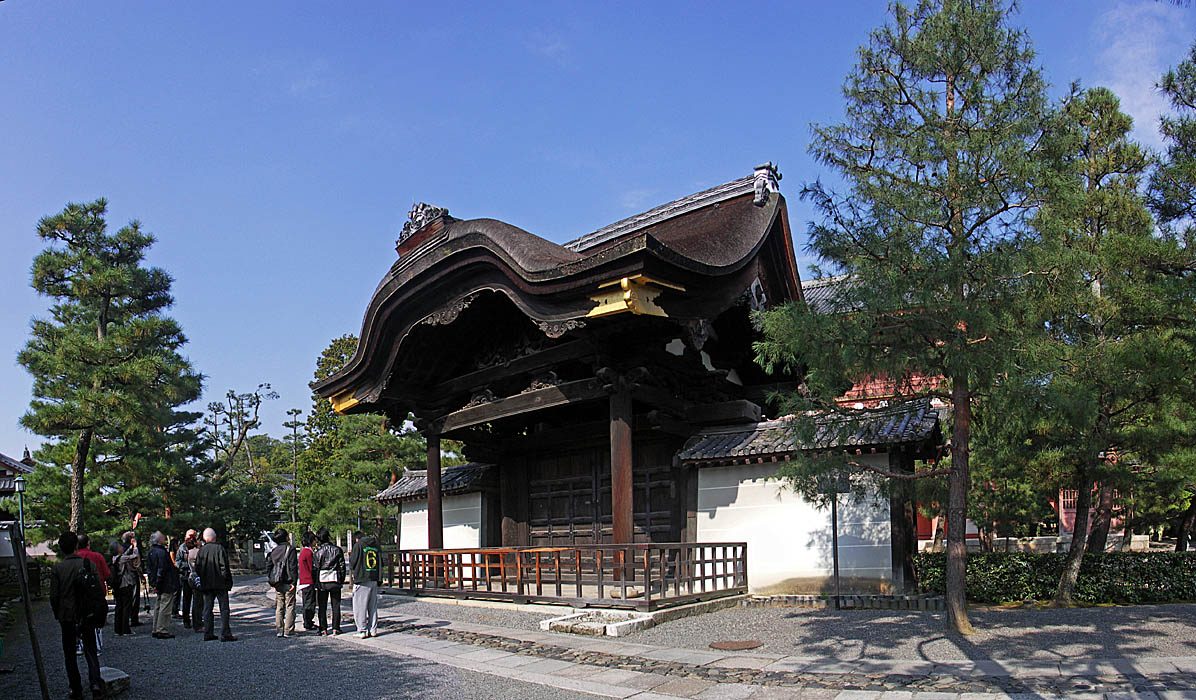
Why is matcha so often linked with Zen? The connection is historical: the monk who introduced Rinzai Zen to Japan also brought powdered tea, and the tea masters who shaped the Japanese tea ceremony studied Zen. This short introduction follows that story as Urasenke, one of the schools of the Way of Tea, tells it in its official English history, and suggests ways to experience both tea and Zen on your trip.
You can enjoy a bowl of matcha without knowing any of this, but the background adds something to every sip.
This page may contain affiliate links. If you buy through them, we may earn a commission at no extra cost to you.
- Eisai (1141-1215) introduced Rinzai Zen to Japan and brought powdered tea
- Tea masters from Shuko to Sen Rikyu studied Zen, many at Daitokuji in Kyoto (Kyoto)
- Urasenke names four principles: harmony, respect, purity and tranquility
- One school's account: other schools and historians tell the story in their own ways
Eisai brings powdered tea
Urasenke's history begins with Eisai (1141-1215), who introduced the Rinzai tradition of Zen to Japan. After studying in China, he brought back powdered tea, the ancestor of matcha, and wrote Kissa Yojoki, a book on the benefits of drinking tea for health. That book is a historical text; this site makes no health claims for matcha.
Shuko and Ikkyu: tea as a path
Urasenke describes the tea master Shuko (1422-1503) studying Zen under the Zen master Ikkyu Sojun (1394-1481), who seems to have known something of Chinese and Korean tea practices. Shuko came to see the preparation and drinking of tea as an expression of the Zen idea that every act of daily life can lead to enlightenment, and he valued plain, imperfect, everyday objects over lavish ones.
Takeno Joo and Sen Rikyu
Takeno Joo (1504-55) also studied under a Zen master, Dairin. To teach his student Rikyu the wabi spirit of tea, Joo used a poem by Fujiwara Teika (1162-1240) in which a simple hut on the shore stands for that spirit, in contrast to the richness of flowers and autumn leaves.
Sen Rikyu (1522-91) began studying Zen at Nanshuji temple in Sakai and continued under Abbot Kokei at Daitokuji in Kyoto (Kyoto). Urasenke says his changes to the practice of tea took in the essence of his Zen experience, and that almost all of the great tea masters of the 15th and 16th centuries studied Zen at Daitokuji, a tradition that continues today.
Four principles
Urasenke calls chado, the Way of Tea, an "art of living," and names the principles behind it as harmony, respect, purity and tranquility.
One school's account
Everything above follows Urasenke, which tells the history of its own tradition. There are other schools of tea, such as Omotesenke, each with its own teachers and ways, and historians may weigh the story differently. Serious study of the tea ceremony, or of Zen, belongs with teachers of those traditions; a cup of matcha at home is simply a cup of tea, and that's fine too.
Experiencing tea and Zen in Japan
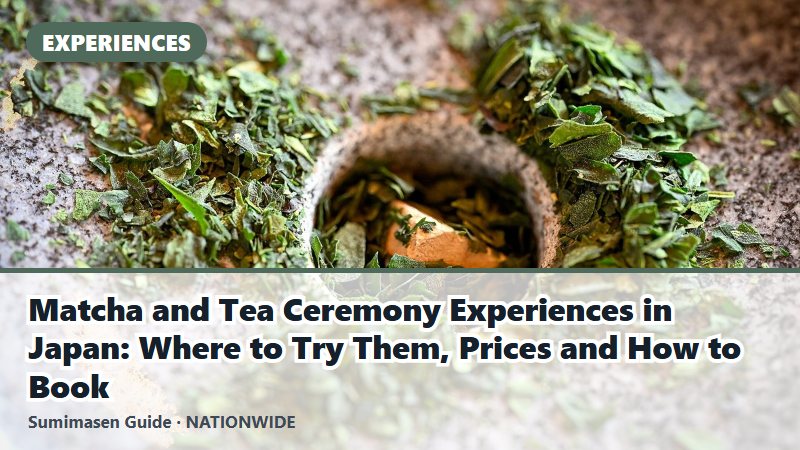
- Tea: our guide to matcha and tea ceremony experiences covers places in Uji (Kyoto), Kyoto (Kyoto) and Nishio (Aichi).
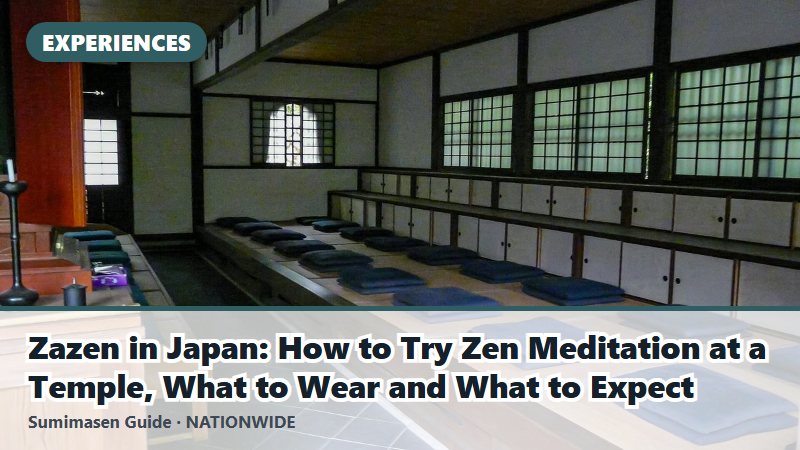
- Zen: our zazen guide lists temples whose own websites confirm English guidance, prices and times; one Daitokuji sub-temple's private course there includes matcha.
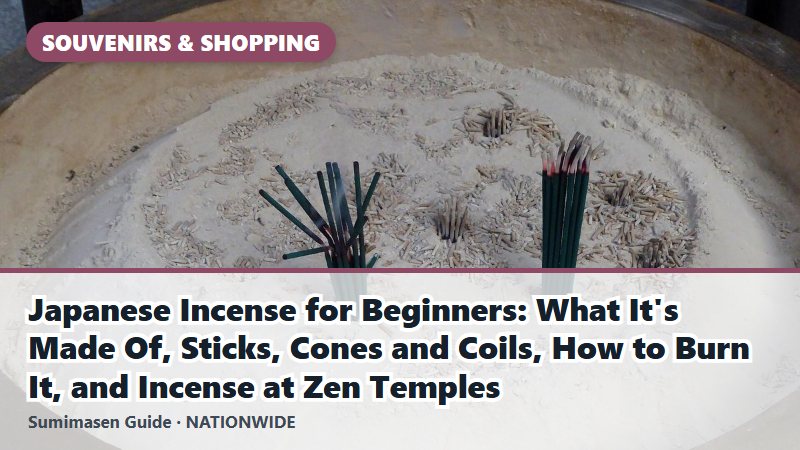
- At temples: incense is part of Buddhist practice; see our Japanese incense guide and temple etiquette.
- At home: how to make matcha the makers' way.
Last reviewed: October 14, 2026. This is a short introduction based on one school's official history, not a complete account.