How to Make Matcha at Home: Two Tea Makers' Recipes, a Matcha Latte, Teaspoon Conversions and Storage
Quick answer
- Ippodo's usucha: sift 2 g of matcha (1 level teaspoon), add 60 ml of water at 80°C (176°F), and whisk for 15 seconds.
- Marukyu Koyamaen uses about 1.5 g and about 70 ml, at 75 to 85°C in winter and 70 to 80°C in summer.
- For Ippodo's matcha latte, whisk 3 g of matcha in 90 ml of 80°C water first, then add milk or soy milk.
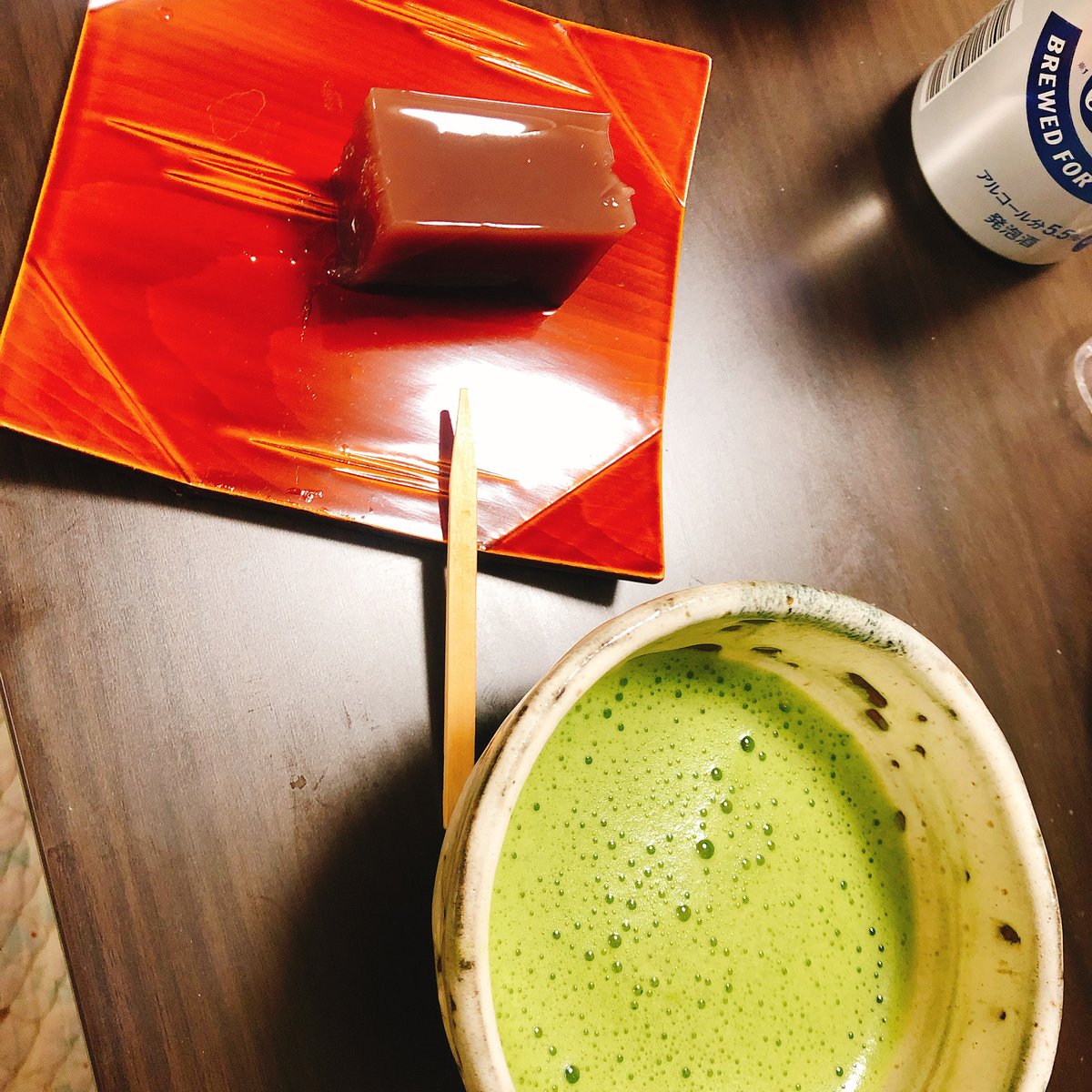
Bought matcha in Japan and want to make it the way the makers do? Two well-known tea houses in Kyoto (Kyoto) publish their own recipes, and they don't use the same amounts. This guide puts Ippodo's and Marukyu Koyamaen's official recipes side by side, converts them to teaspoons, fluid ounces and °F, and covers the tools, the water, the matcha latte, how to choose a tea by taste, and how to keep an opened tin fresh.
Matcha is easier to make than it looks. If your first bowl comes out lumpy or bitter, a small change usually fixes it.
- Ippodo: 2 g matcha, 60 ml water at 80°C. Marukyu Koyamaen: about 1.5 g, about 70 ml
- Sift first, then whisk quickly
- The matcha latte, the makers' way
- Light or rich: choosing a matcha by the makers' own taste notes
- Storage: tightly closed, cool, and warmed to room temperature before opening
Two official recipes side by side
Both recipes are for usucha, the lighter, frothy style most people mean by "a bowl of matcha." The amounts differ because each company writes for its own teas; neither is the one correct recipe. Conversions to US measures are our own calculations and are rounded.
Step by step: Ippodo's usucha
- Sift 2 g of matcha into a bowl (Ippodo: 1.5 heaped tea scoops or 1 level teaspoon).
- Pour 60 ml (about 2 fl oz) of water at 80°C (176°F).
- Whisk briskly with a bamboo whisk for about 15 seconds. Ippodo says to work quickly so you enjoy the aroma at its best.
Marukyu Koyamaen adds a useful technique: first stir slowly to spread the matcha from the bottom of the bowl, then lift the whisk slightly off the bottom and move your wrist briskly back and forth without swirling the water. When foam forms, raise the whisk tip to the surface to make the bubbles finer, and lift it out gently from the center.
No kettle thermometer? Marukyu Koyamaen's way is to pour boiling water into a separate cooling vessel once in winter, twice in summer, before using it. For koicha, the thick tea, Ippodo uses 4 g (3 heaped scoops or 2 level teaspoons) with 30 ml (about 1 fl oz) of 80°C water, mixed slowly for 15 seconds.
Tools: what you need and what can stand in
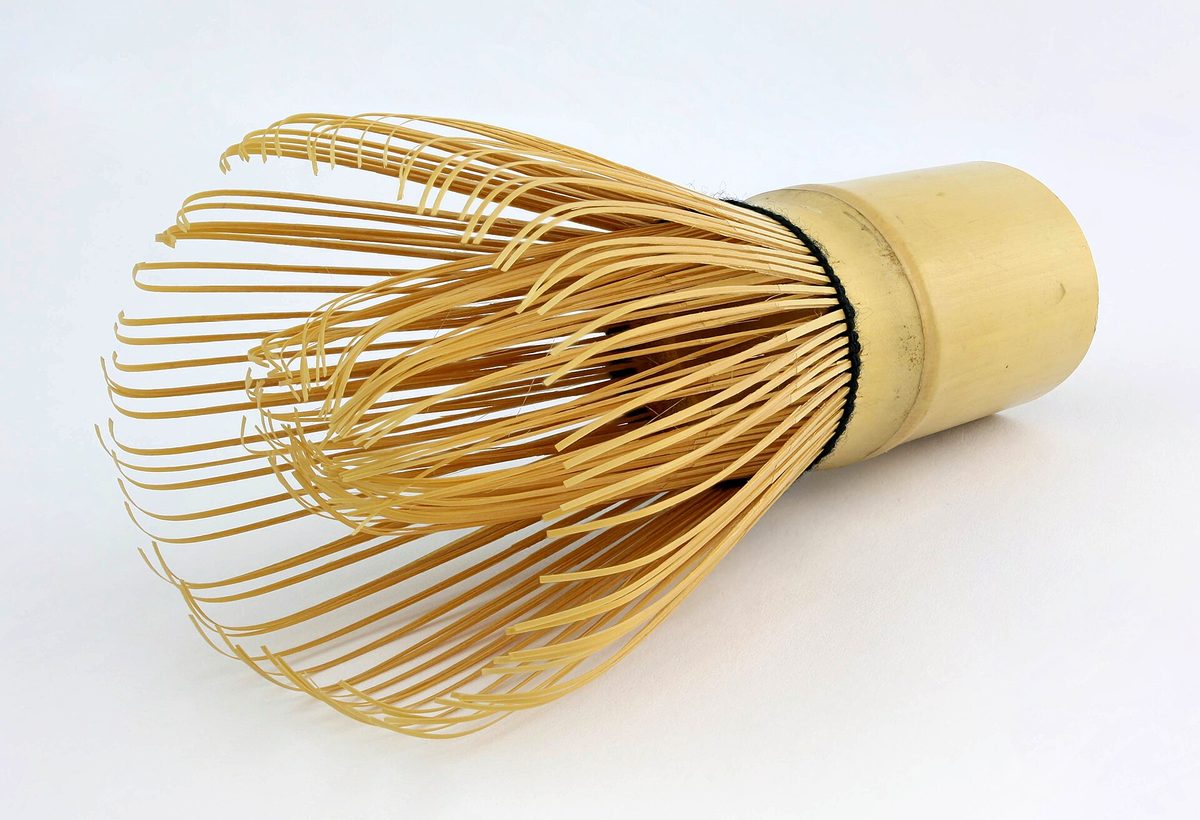
- Chasen (bamboo whisk): the one tool that's hard to replace for frothy usucha.
- Chawan (tea bowl): Ippodo says you can make matcha in any kind of bowl, cup or glass.
- Chashaku (bamboo scoop): Marukyu Koyamaen says a measuring spoon works too.
- Sieve: matcha forms small lumps from static and the shaking it gets in transport; this doesn't affect quality, but sifting makes it easier to whisk. Marukyu Koyamaen suggests sifting a serving through a tea strainer straight into the bowl.
The water matters
Marukyu Koyamaen recommends soft water for Japanese green tea. It notes that most Japanese bottled mineral water is soft, while bottled water from other countries varies in hardness, so check the label at home. Whatever water you use, bring it to a boil once.
If your tap water isn't safe to drink, don't use it for matcha. In many countries, tap water isn't meant to be drunk straight from the faucet, and boiling alone may not make it safe, so follow your local water authority's advice. Use bottled water instead, and pick one labeled as soft or with a low hardness figure.
If your tap water is safe to drink, as it is in Japan, Marukyu Koyamaen suggests boiling it for about 5 minutes with the lid off to reduce the chlorine smell.
The matcha latte, the makers' way
Ippodo's matcha latte: sift 3 g of matcha (3 heaped tea scoops; about 1 1/2 teaspoons by our conversion), add 90 ml (about 3 fl oz) of water at 80°C (176°F), whisk briskly for 15 seconds, then pour in milk or soy milk a little at a time, as much as you like.
The trick is in the order: whisking the matcha in a small amount of hot water first gives you a smooth base, so it doesn't clump when the milk goes in. For an iced latte, you can pour the same base over ice and cold milk; that's our variation, not a maker's recipe. More drinks and no-bake desserts are in our easy matcha recipes.
Light or rich? Choosing by taste
Ippodo itself sorts its matcha into Light, Balanced and Rich. Its explanation of the differences is about shade: the tea plant becomes more astringent in the sun, so leaves grown under heavier shade taste less astringent. Aiya says the same in its own words: shading keeps theanine, a source of umami, from turning into astringent tannins. We haven't tasted these teas; the notes below are each maker's description.
- First bowl? Ippodo describes Ikuyo-no-mukashi as ideal for newcomers to matcha.
- For lattes and desserts: Ippodo tags Hatsu-mukashi and its Organic Matcha for lattes, and suggests Hatsu-mukashi over ice cream too.
- For koicha: Marukyu Koyamaen says koicha calls for especially high-grade teas with little bitterness, and recommends its teas from "Kinrin" up for koicha.
Where to buy these in Japan, and how to order after you get home, is in our matcha buying guide.
Keeping an opened tin fresh
Marukyu Koyamaen says matcha changes color and quality faster than other green teas, and that heat, humidity, light and other smells all affect it. Its advice:
- A sealed pull-top can keeps out moisture, light and smells until you open it, but not heat, so keep it in the fridge if you can.
- After opening, close the lid tightly to keep out fridge smells, and use it while it's fresh.
- Use the freezer only for long storage. Let frozen or refrigerated matcha come close to room temperature before opening, or condensation will make it damp.
Fresh matcha is bright green; as it ages it turns reddish and loses its sweet aroma, according to the company. Follow the storage instructions on your own package first.
Last reviewed: October 14, 2026. Recipes and product descriptions are the makers' and can change; conversions are rounded calculations.
References
- Ippodo Tea: Basic Usucha (Matcha) (English)
- Ippodo Tea: Basic Koicha (Matcha) (English)
- Ippodo Tea: Matcha Latte (English)
- Ippodo Tea: Basic usucha (Japanese)
- Ippodo Tea Global Online Shop: Matcha (English)
- Marukyu Koyamaen: How to prepare matcha, and water for tea (Japanese)
- Marukyu Koyamaen: About matcha and storage (Japanese)
- Aiya: Matcha production process (Japanese)