Miyakojima (Okinawa): Island-Hopping by Bridge, Sacred Ogami Island and a Villa Stay
Quick answer
- Three bridges link Miyakojima to Ikema, Irabu, Shimoji and Kurima islands; the Irabu Bridge (3,540 m) is free, and the tourism association asks drivers not to stop or park on the bridges.
- Ogami Island is reached only by the Ogami Kaiun boat from Shimajiri Port: about 15 minutes, 4 round trips a day, no reservations, 370 yen one way for adults.
- Never enter sacred places on Ogami Island, and leave its nature as you found it.
Miyakojima (Okinawa) is famous for the color of its sea, often called "Miyako blue." Three long bridges link it to four smaller islands, so you can drive from one beach to the next in a single day. Just off the north coast, reached only by a small boat, is Ogami Island, known as "the island of the gods," where some places are closed to visitors. This guide covers the bridges and how to drive them, the beaches, the boat to Ogami Island and its rules, and THE RESCAPE, a villa resort on the quiet east coast where every room has its own pool. The photos were taken by the site owner, who visited in July 2020 and July 2021.
This page may contain affiliate links. If you buy through them, we may earn a commission at no extra cost to you.
- Irabu, Ikema and Kurima bridges: drive across, but don't stop on them
- Ogami Island: 4 boats a day, about 15 minutes, no reservations
- Sacred places: never enter where entry isn't allowed
- Snorkel with a guide: the tourism association strongly recommends tours
- THE RESCAPE: 38 rooms, each with a private pool, 15 minutes from Miyako Airport
Three bridges, five islands
The Miyakojima Tourism Association says the Miyako Islands are made up of 8 islands. From Miyakojima, 3 large bridges let you drive to 4 of them: Ikema, Irabu, Shimoji and Kurima. Ogami Island has no bridge; you go by boat. According to the association's pages:
- Irabu Bridge: 3,540 m long, opened in January 2015, and the longest bridge in Japan that you can cross for free. About 15 minutes by car from Miyako Airport. Shimoji Island lies just beyond Irabu Island.
- Ikema Bridge: 1,425 m long, opened in February 1992, linking Miyakojima and Ikema Island. There is parking and there are toilets. About 35 minutes by car from Miyako Airport.
- Kurima Bridge: 1,690 m long, opened in March 1995 as a farm road bridge, with a view of the beautiful sandy beach at Maehama. About 15 minutes by car from Miyako Airport.
17END: the sea at the end of the runway
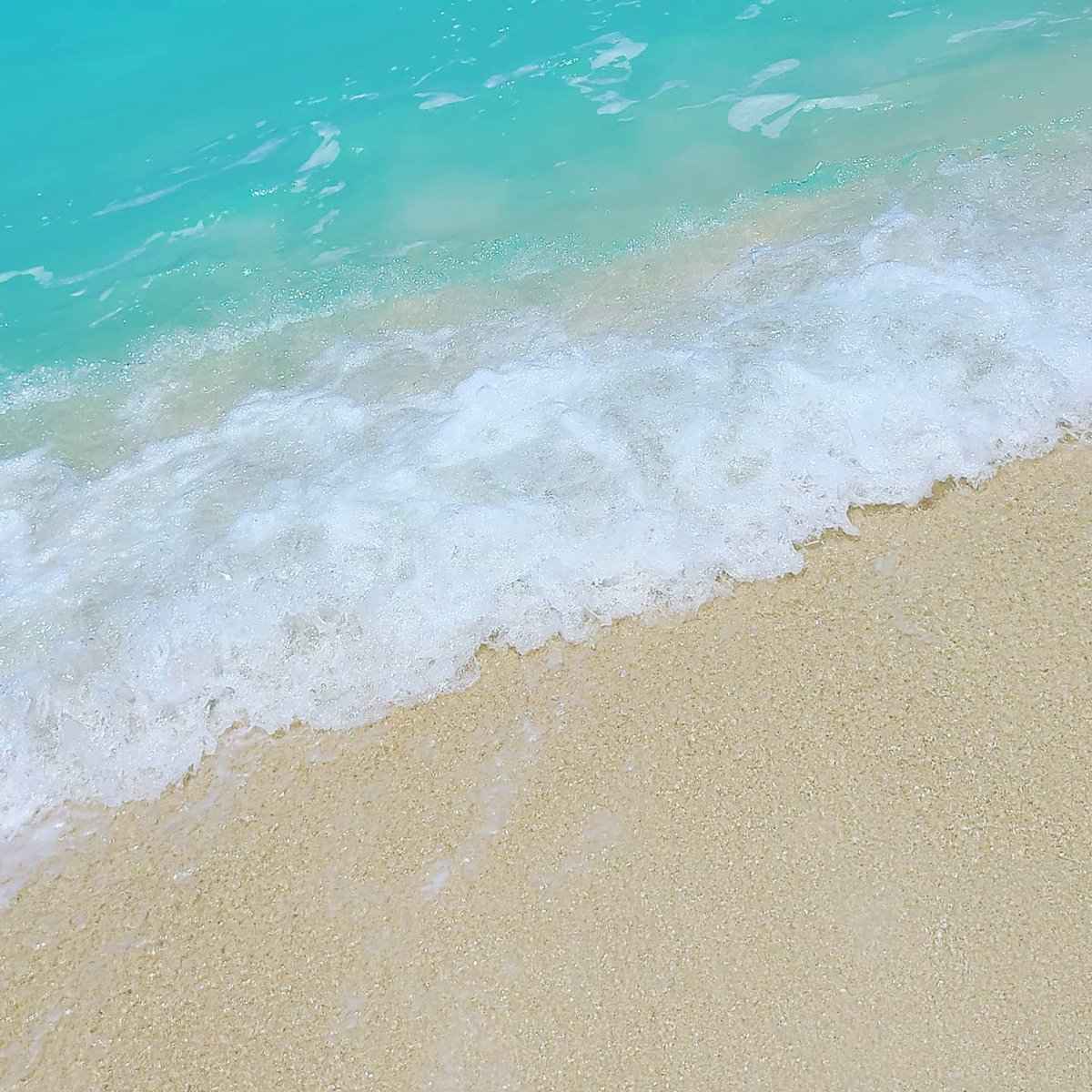
Across the Irabu Bridge, on Shimoji Island, is 17END (said "one-seven end"), at the northern tip of the Shimojishima Airport runway. The tourism association says it is sometimes called the clearest, most beautiful sea around Miyakojima. Okinawa Story, the travel site of the Okinawa Convention & Visitors Bureau, says the unusual name comes from an aviation term, that pure white sand appears at low tide, and that you can watch planes take off and land up close. Visit Okinawa Japan, the official Okinawa travel site, adds that it's a good place to watch the sunset.
- No swimming. Visit Okinawa Japan says swimming is prohibited at 17END. Enjoy it from the shore.
- No cars on the runway-end road. Okinawa Prefecture has closed the northern part of the airport's maintenance road, known as "17END," to vehicles with barriers. It says that after the Irabu Bridge opened in January 2015, rental cars and others used the road often, causing accidents and damage to the airport fence. Bicycles and kick scooters may use it only at a speed that doesn't get in the way of people walking and lets them stop at once.
- Watch your step. The prefecture warns that the road has uneven spots, and that sand blown from the beach can make some places slippery.
- Parking: the official pages we checked don't name a parking lot for 17END, so park only where parking is allowed, and never on the bridges.
Driving the bridges
The tourism association says public transport on the island isn't well developed and most visitors rent a car. It also says accidents and trouble have become common, and that cars stopping or parking on the Irabu, Ikema and Kurima bridges, and near intersections in town, stand out. It asks visitors never to park where stopping isn't allowed. However beautiful the view, keep driving and enjoy it from the car, then stop at a proper parking area such as the one at Ikema Bridge.
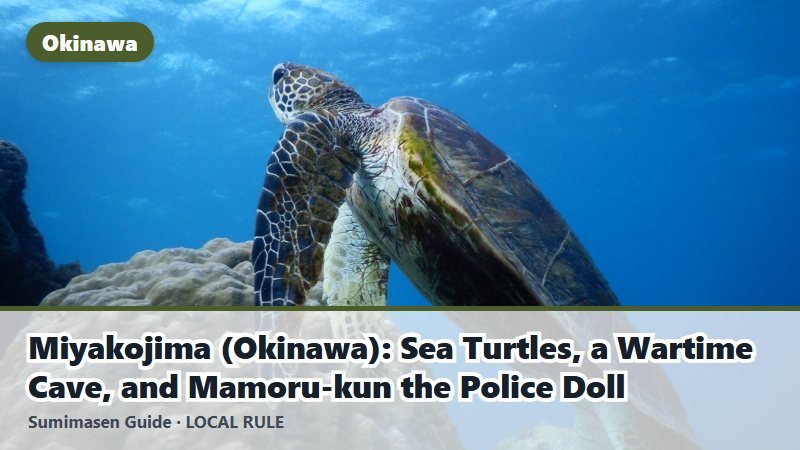
Japan drives on the left, and you need a valid license to rent a car. Our guide to driving a rental car in Okinawa explains which licenses work and the local road rules. For the island's police doll Mamoru-kun, a wartime cave and sea turtles, see our first Miyakojima (Okinawa) guide.
Beaches and the sea
The color of the water is the reason many people come, and it's worth knowing the island's sea rules before you go in.
The tourism association's sea safety page says that people die while swimming or diving around Miyakojima every year. It warns that the reefs make rip currents (strong currents that pull you out to sea) likely, and asks you to:
- stay out of the water when the waves are high or the weather is bad, and check the weather, wind and tides before you go;
- always wear a life jacket for snorkeling, kayaking or SUP;
- never swim alone, and never take your eyes off children;
- never go in the water after drinking alcohol or when you feel unwell;
- join a tour with a guide or instructor, because the island's reefs and currents are complex.
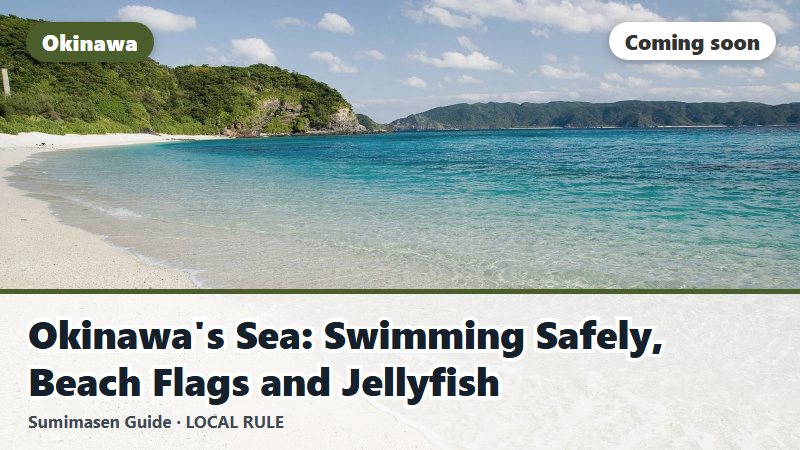
For box jellyfish, vinegar and first aid, read our guide to Okinawa's sea. The association also asks visitors not to walk around town or residential areas in just a swimsuit, and to take their rubbish home.
Ogami Island, the island of the gods
Ogami Island is a tiny island about 4 km north of Miyakojima. Ogami Kaiun, the company that runs the boat, describes it as a pyramid-shaped island about 3 km around, with about 30 people, said to be where the gods live. For a long time it didn't actively welcome tourists, which is one reason its nature is still untouched. Visit Okinawa Japan says many utaki (local sacred places, where people pray to the island's gods) are found across the Miyako Islands, especially on Ogami Island, and that the island is also linked with Takamagahara (the home of the gods in Japanese myth).
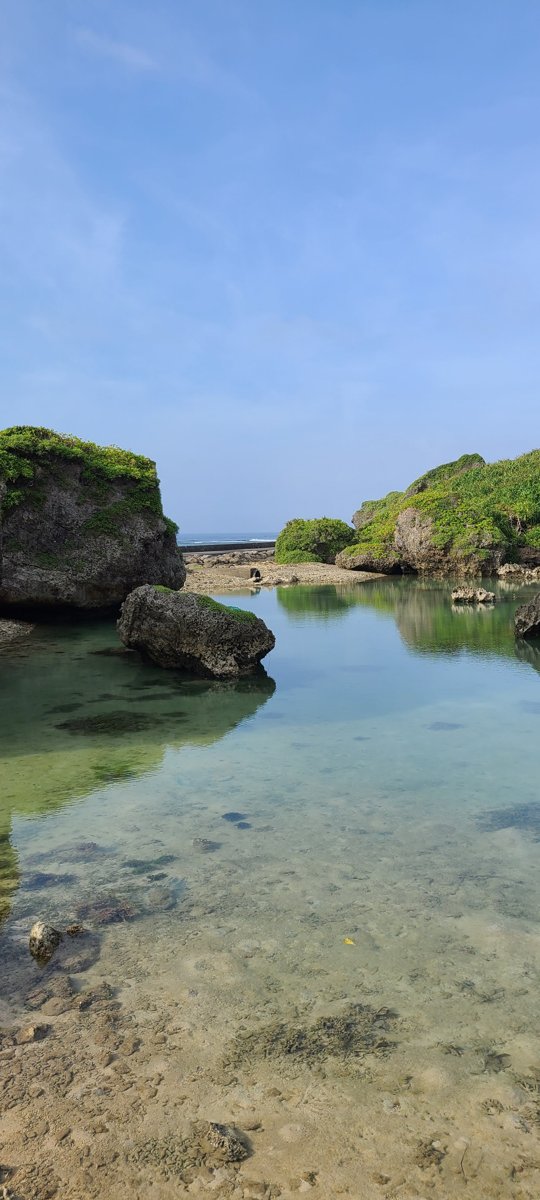
The most important ritual is the Uyagan, a secret ceremony performed by the island's women up to five times a year, usually between July and December, on dates set by the traditional lunar calendar. Visit Okinawa Japan says some areas are off-limits on ceremony days, and Ogami Kaiun asks visitors to take particular care during the Uyagan.
Getting to Ogami Island by boat
The only way there is the small ferry run by Ogami Kaiun from Shimajiri Port on Miyakojima to Ogami fishing port. The trip takes about 15 minutes, and there are 4 round trips a day. From the company's website:
- Fares: one way 370 yen for adults (12 and over) and 180 yen for children (6 to 11); round trip 710 yen and 360 yen.
- No reservations. Board at least 5 minutes before departure.
- Weather: whether the boat runs is decided each day by the weather, so call that morning: 0980-72-5477 (+81-980-72-5477 from abroad). Times can change with the season or weather.
- Bikes and strollers cost 340 yen one way.
If you go for the day, plan around the boats back. Visit Okinawa Japan advises leaving plenty of time to catch the last boat off the island.
On the island: the path to the top, and what to leave behind
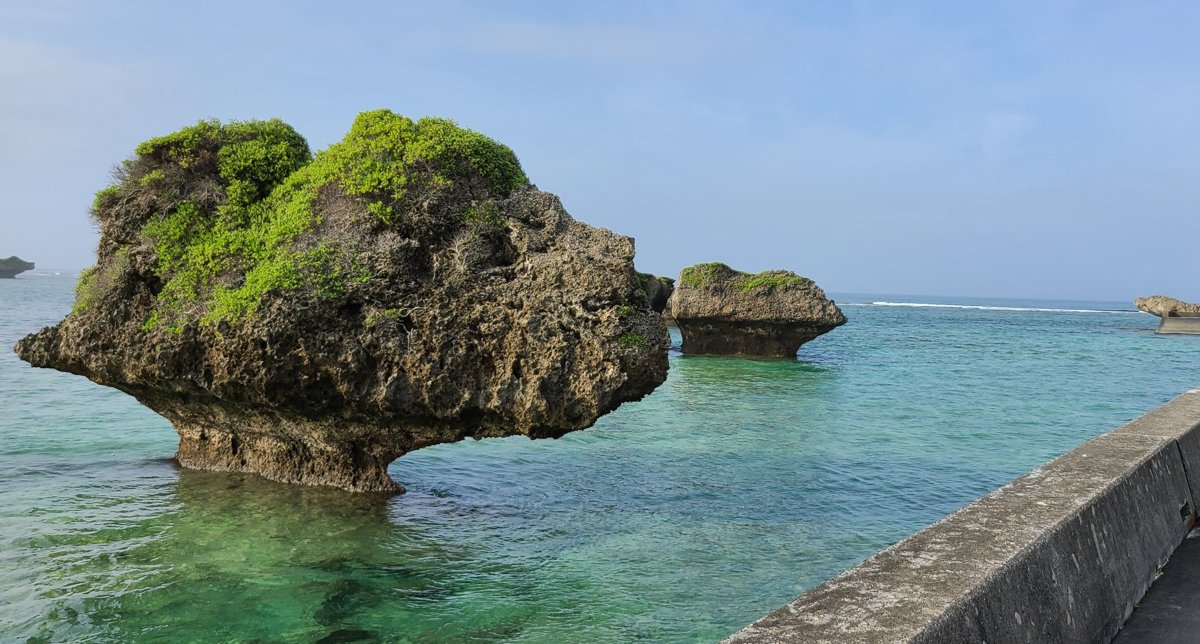
Visit Okinawa Japan says the island's only observation deck sits on its steep central summit, and that you can hike up for a wide view of the blue sea. On the west side are mushroom-shaped rocks, narrow at the bottom where the waves have worn them away.
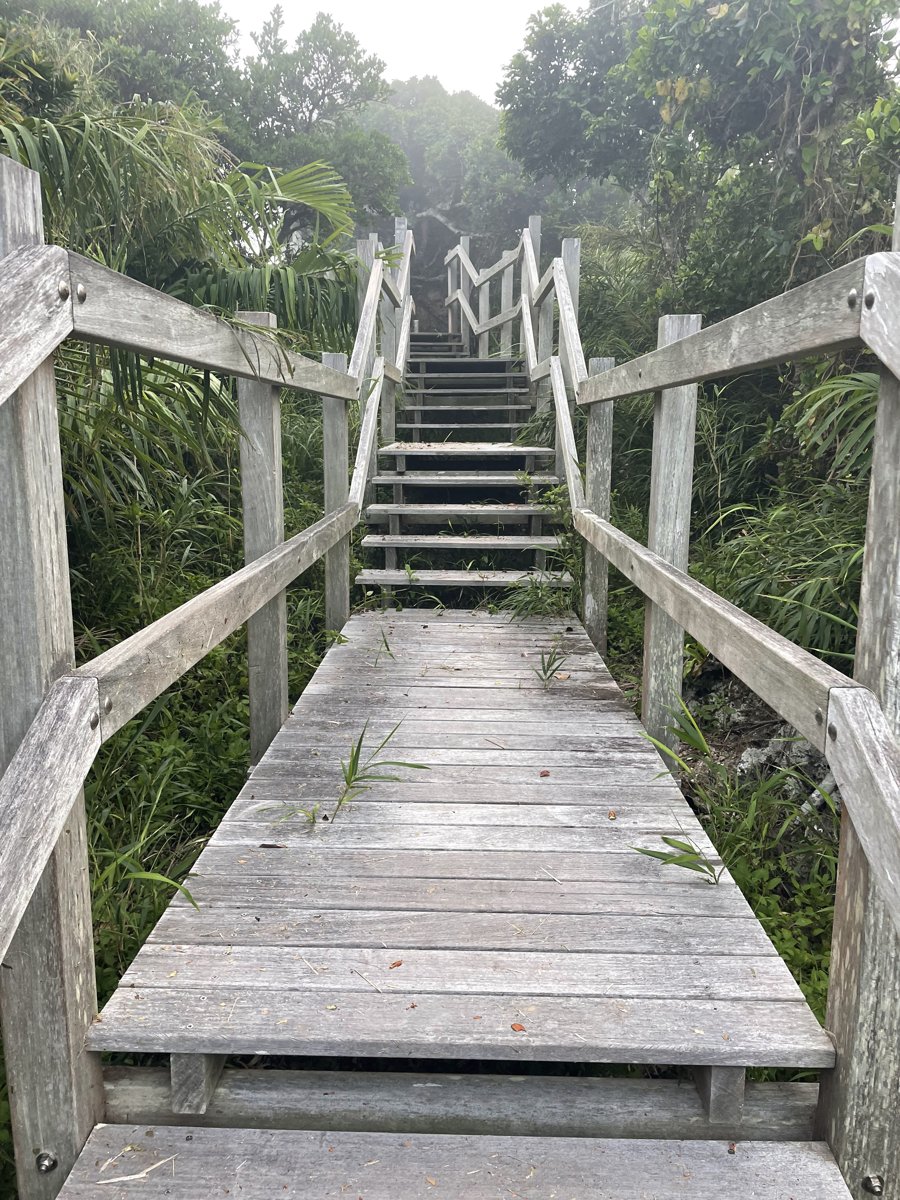
Ogami Island is a place of prayer. Please follow these points from Ogami Kaiun, Visit Okinawa Japan and the tourism association:
- Never enter sacred places where entry isn't allowed. Ogami Kaiun says there are sacred areas you must not go into on your own, and recommends looking around with an island guide where one is available. The tourism association notes that some utaki have areas even local people can't enter.
- Don't harm the island's nature. Ogami Kaiun says acts that damage it are prohibited. We couldn't find an official written rule about shells, stones or sand, so the simplest way to respect the island is to leave them where they are. The tourism association also asks visitors not to buy coral or other items that may not be taken out.
- Take your rubbish with you, as Visit Okinawa Japan asks.
Where to eat on Ogami Island: Opuyu Shokudo
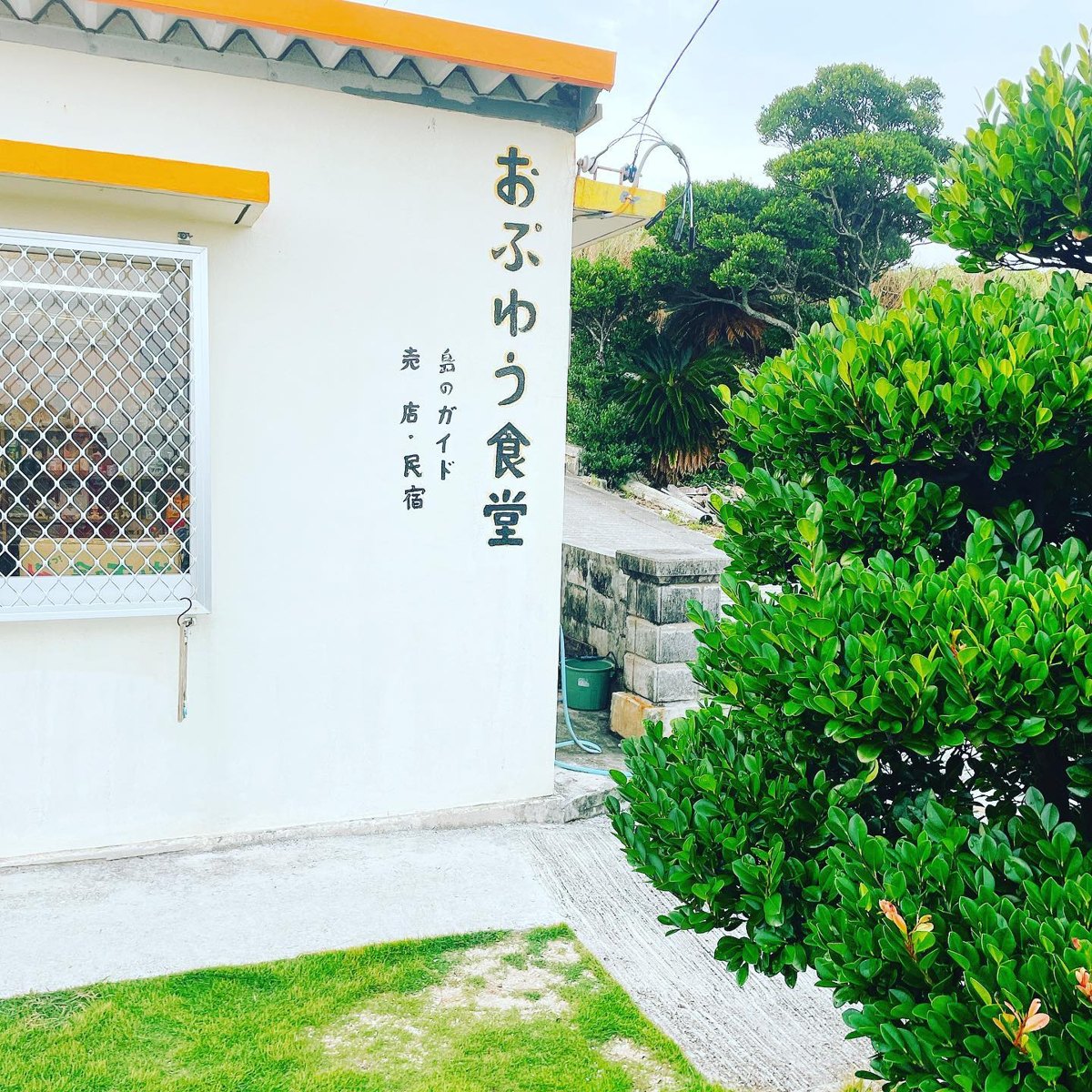
Visit Okinawa Japan says the island's specialty is kakidako (smoked octopus), known for being tender, and recommends trying it at the island's only diner. That diner is Opuyu Shokudo ("shokudo" means a simple local diner), right in front of Ogami fishing port, where the boat comes in, according to the travel site Nippon Tabi Magazine. The local newspaper Ryukyu Shimpo describes it as the island's only diner that is also a minshuku (a small family-run inn), opened in April 2013. The sign on the building reads "island guide, shop, minshuku" in Japanese.
- Guided walks: the travel guide Mapple lists an Ogami Island guided tour that meets at Opuyu Shokudo, and Nippon Tabi Magazine says the tour by a local guide needs a reservation. This fits Ogami Kaiun's advice to look around with an island guide.
- Phone: Mapple and Nippon Tabi Magazine list 0980-72-5350 (+81-980-72-5350 from abroad). An older newspaper article gives a different number, so call before you go to check that the diner is open that day.
- Staying the night: Visit Okinawa Japan says Ogami Island is mainly a day-trip destination. We couldn't confirm opening hours, days off or how to book a room on an official page, so ask by phone first if you want to eat there or stay over.
With only one place to eat on such a small island, it's sensible to bring water and a snack, especially in summer, and not to count on buying lunch.
My visit
I spent July 26 and 27, 2021 on Ogami Island and stayed the night at Opuyu Shokudo. The bonito, the kakidako and the sazae (turban shell) were surprisingly delicious, and I got to watch the kakidako being made. The island's sea is beautiful. I went beachcombing and found beautiful shells, but it's an island where the gods are said to live, so no "take-out": I only looked at them and left everything on the beach.
It felt to me like there were more cats on the island than people. One of the islanders kindly showed me some valuable records from the time of the Pacific War (World War II).
Staying at THE RESCAPE
THE RESCAPE (the rescape) is a villa resort with just 38 rooms on the east coast of Miyakojima, at 1901-1 Gusukube Nagama. The hotel describes it as a private hideaway between steep green hills and a white beach, reached along a single road through thick trees, where the idea is to enjoy "the luxury of doing nothing." The villas are white buildings, each with its own terrace and pool, a space just for the people staying there.
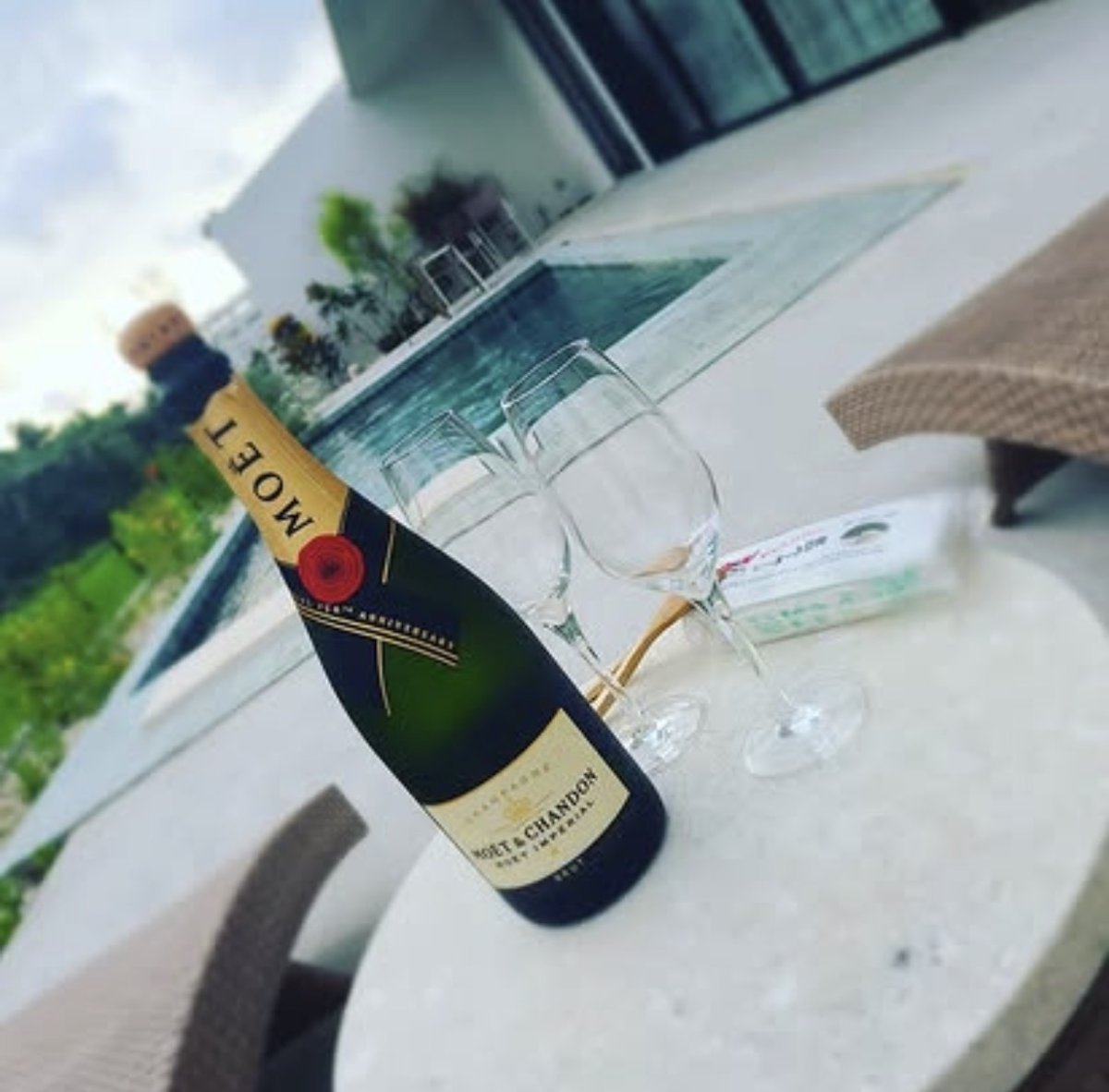
- A private pool in every room. The rooms page lists 8 room types, from cottages to suite villas, and each one has a private pool, 1.1 m deep. Some villas also have an outdoor bath and a large daybed.
- A beach through the trees. Kumaza Beach, a natural beach reached through a windbreak forest, is in front of the hotel. The hotel's beach page says there are no lifeguards, no jellyfish nets and no marked swimming area, so keep an eye on children and don't touch dangerous sea creatures. You can rent snorkeling gear and life jackets at reception.
- A shared pool terrace is open from April to the end of October, 8:00 to 18:00, free for guests.
- Getting there: 15 minutes by car from Miyako Airport and 45 minutes from Shimojishima Airport. The hotel lists the drive as 20 minutes to Irabu Bridge, 25 minutes to Ikema Bridge, 22 minutes to Kurima Bridge, and 10 minutes to the nearest convenience store, so a rental car makes life easier.
- Photos: the hotel's photography rules ask guests not to film other guests or use drones, and the beach page says drone filming needs permission from Miyakojima City.
Who it suits: couples who want privacy, and families who want space and their own pool. The hotel's pages suggest stays for couples, families and long stays with children.
On September 24, 2026, the hotel posted a warning about suspicious emails and WhatsApp messages pretending to be from the hotel. Book and pay only through the official site or a booking site you trust, and contact the hotel at 0980-74-4120 (+81-980-74-4120 from abroad) if a message looks odd.
My visit
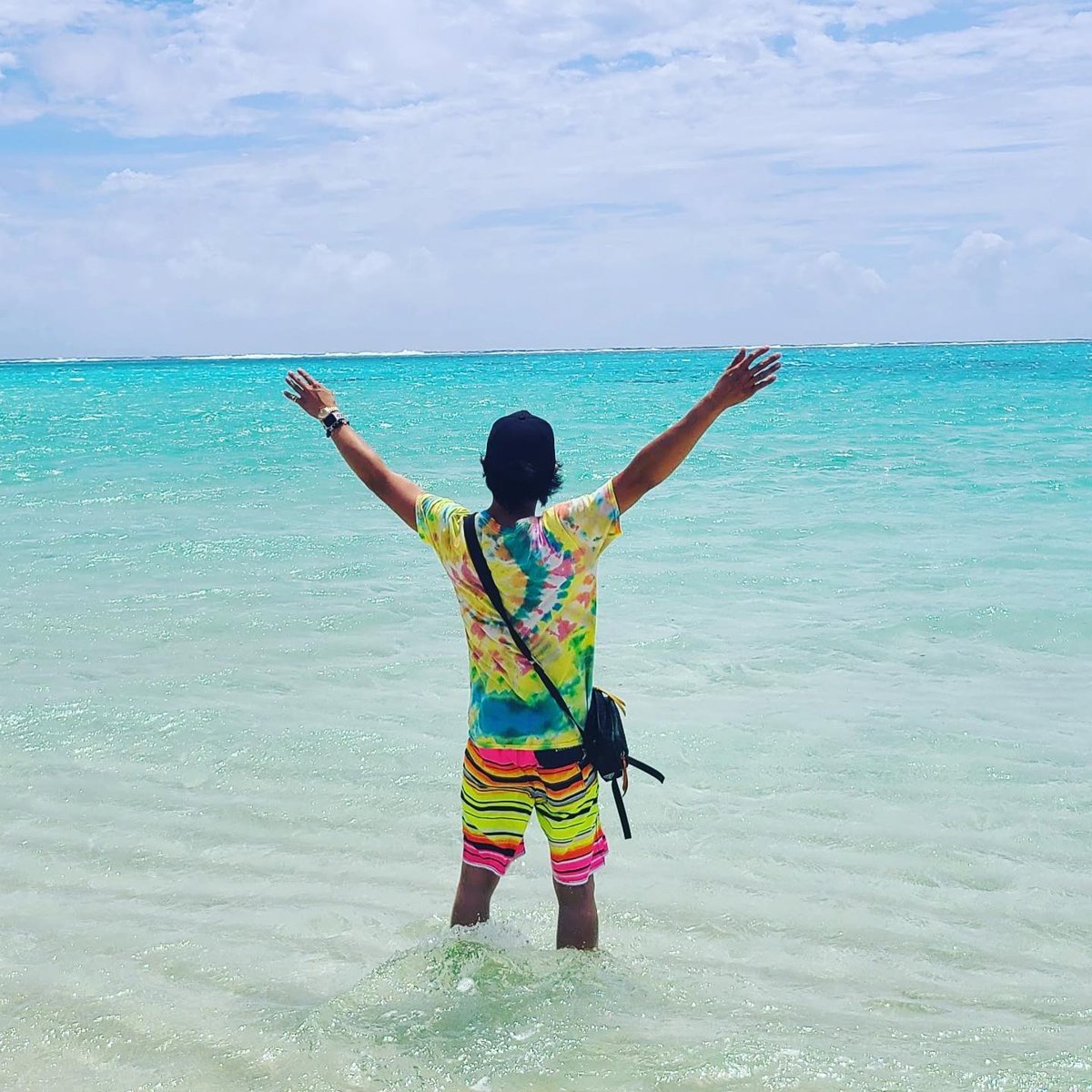
I've been to Miyakojima twice, in July 2020 and July 2021. The sea seen from the Irabu Bridge is beautiful every time. At 17END on July 27, 2021, I soaked up the Miyako blue; it was so beautiful it felt like a work of art. On July 9, 2020, my post just said, "The Earth was blue." Whenever I'm on Miyakojima, I have to have garlic shrimp, and when I cut into the hamburger steak of a Miyako beef hamburger curry, the juices came pouring out.
In July 2020, I stayed at THE RESCAPE.
Last reviewed: October 15, 2026. Boat times, fares, rules and hotel details change. Please check the official pages below before you go.
References
- Miyakojima Tourism Association: Meets More MIYAKOJIMA (Japanese)
- Miyakojima Tourism Association: Irabu Bridge (Japanese)
- Miyakojima Tourism Association: Ikema Bridge (Japanese)
- Miyakojima Tourism Association: Kurima Bridge (Japanese)
- Miyakojima Tourism Association: The charms of Miyakojima, by area (Japanese)
- Miyakojima Tourism Association: Respecting the community, sacred places and parking (Japanese)
- Miyakojima Tourism Association: Sea safety (Japanese)
- Miyakojima Tourism Association: Access (Japanese)
- Ogami Kaiun: boat to Ogami Island, timetable and fares (Japanese)
- Visit Okinawa Japan: Ogami Island
- Visit Okinawa Japan: Shimoji Island
- Nippon Tabi Magazine: Ogami Island (Japanese)
- Ryukyu Shimpo: Opuyu Shokudo, the island's only diner and inn (Japanese)
- Mapple: Ogami Island guided tour (Japanese)
- Okinawa Story (Okinawa Convention & Visitors Bureau): 17END (Japanese)
- Okinawa Prefecture: The runway-end maintenance road known as "17END" (Japanese)
- THE RESCAPE: official site, access
- THE RESCAPE: rooms (Japanese)
- THE RESCAPE: beach access (Japanese)
- THE RESCAPE: photography rules (Japanese)