Hitsumabushi in Nagoya (Aichi): How to Eat Grilled Eel Three Ways, Plus Unaju, Sansho and Kimosui
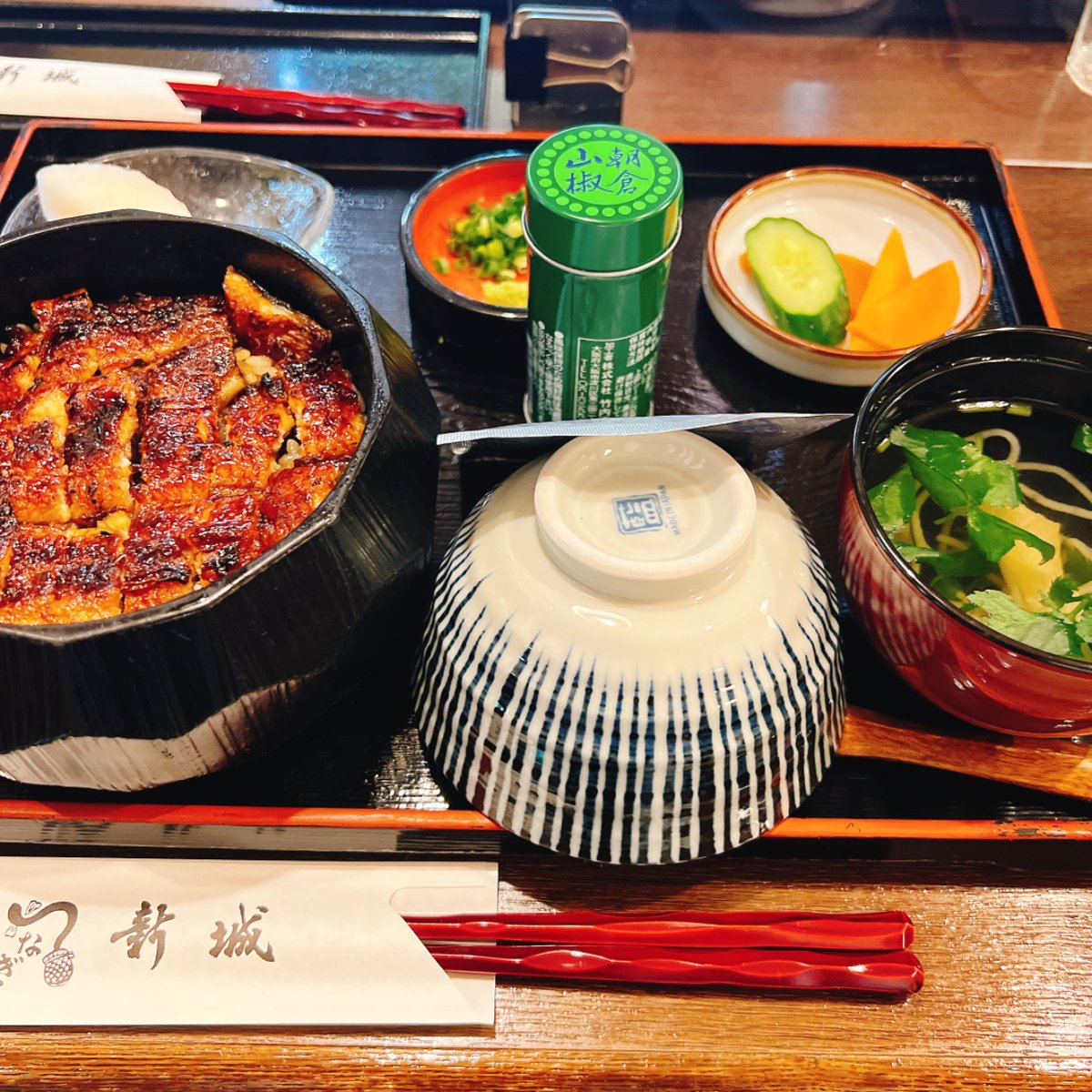
Grilled eel (unagi) on rice is one of the dishes people travel to Nagoya (Aichi) for, and the local way to eat it, hitsumabushi, comes with its own small ritual: you eat one serving in three different ways. This guide explains what hitsumabushi is, the steps as local tourism groups and the restaurant that created the dish describe them, how it differs from unaju and unadon, what to do with the sansho pepper and the clear soup, and practical tips on lines, opening hours and allergies, all checked against official pages.
If the tray of small dishes looks confusing at first, the steps below walk you through it, one small bowl at a time.
This page may contain affiliate links. If you buy through them, we may earn a commission at no extra cost to you.
- Hitsumabushi: chopped grilled eel on rice, served in a wooden tub (ohitsu)
- Scoop it into the small bowl: first as it is, then with condiments, then with broth or tea, and finish your favorite way
- Unaju and unadon: the eel is laid on rice in a box or a bowl, and you eat it as it is
- Sansho pepper and kimosui (eel liver soup) may come on the side
- At well-known restaurants such as Horaiken, regular meals can't be reserved, so you may have to wait
What hitsumabushi is
Hitsumabushi is grilled eel, cut into small strips and placed on hot rice in a wooden tub called an ohitsu. The Nagoya-meshi PR council, a group that includes the city and prefectural governments, says the dish is said to have started in Nagoya (Aichi) in the late Meiji period (1868 to 1912), and that most of the eel specialty restaurants in the city and the rest of Aichi Prefecture now serve it.
Horaiken (officially Atsuta Horaiken), an eel restaurant in Nagoya (Aichi) founded in 1873 that registered "hitsumabushi" as its trademark, tells the story on its official site. The restaurant delivered eel on rice in bowls, and the bowls kept breaking on the way back, so it switched to one large wooden tub for several people. People ate the eel first and left the rice, so the eel was cut up and mixed into the rice: "mixing" is mabusu in Japanese, and that gave the dish its name. Today each person gets their own small tub, and the meal ends as ochazuke (rice with broth or tea poured over it).
The eel is seasoned with a rich sauce based on tamari, a dark soy sauce made mostly from soybeans. The Nagoya-meshi PR council says this is why the eel keeps its grilled flavor even after you pour broth over it.
How to eat it: three ways, then your favorite
Your tray usually has the tub of eel and rice, an empty rice bowl, a small dish of condiments, a pot of broth, a clear soup and pickles. Horaiken lists the soup, pickles, condiments and broth as part of its hitsumabushi. You serve yourself into the small bowl, a little at a time. The tourism site of Aichi Prefecture suggests dividing the rice into four, "like slicing a whole cake":
- First, as it is. Horaiken says the first bowl is for the taste of the eel itself.
- Second, with condiments. JNTO, Japan's national tourism organization, names chopped spring onions, dried nori seaweed and wasabi; the Aichi Prefecture site names green onion and toasted seaweed.
- Third, with broth or tea. Put on the condiments again and pour the hot broth from the pot over the rice. The Nagoya-meshi PR council says green tea or broth; which one you get depends on the restaurant.
- Last, your favorite way. Horaiken leaves the last bowl to your taste.
Horaiken also says you can ask for more sauce if you'd like.
Unaju, unadon and hitsumabushi
Eel restaurants usually serve more than hitsumabushi, and the menu can look similar. The main difference is the container and how you eat it:
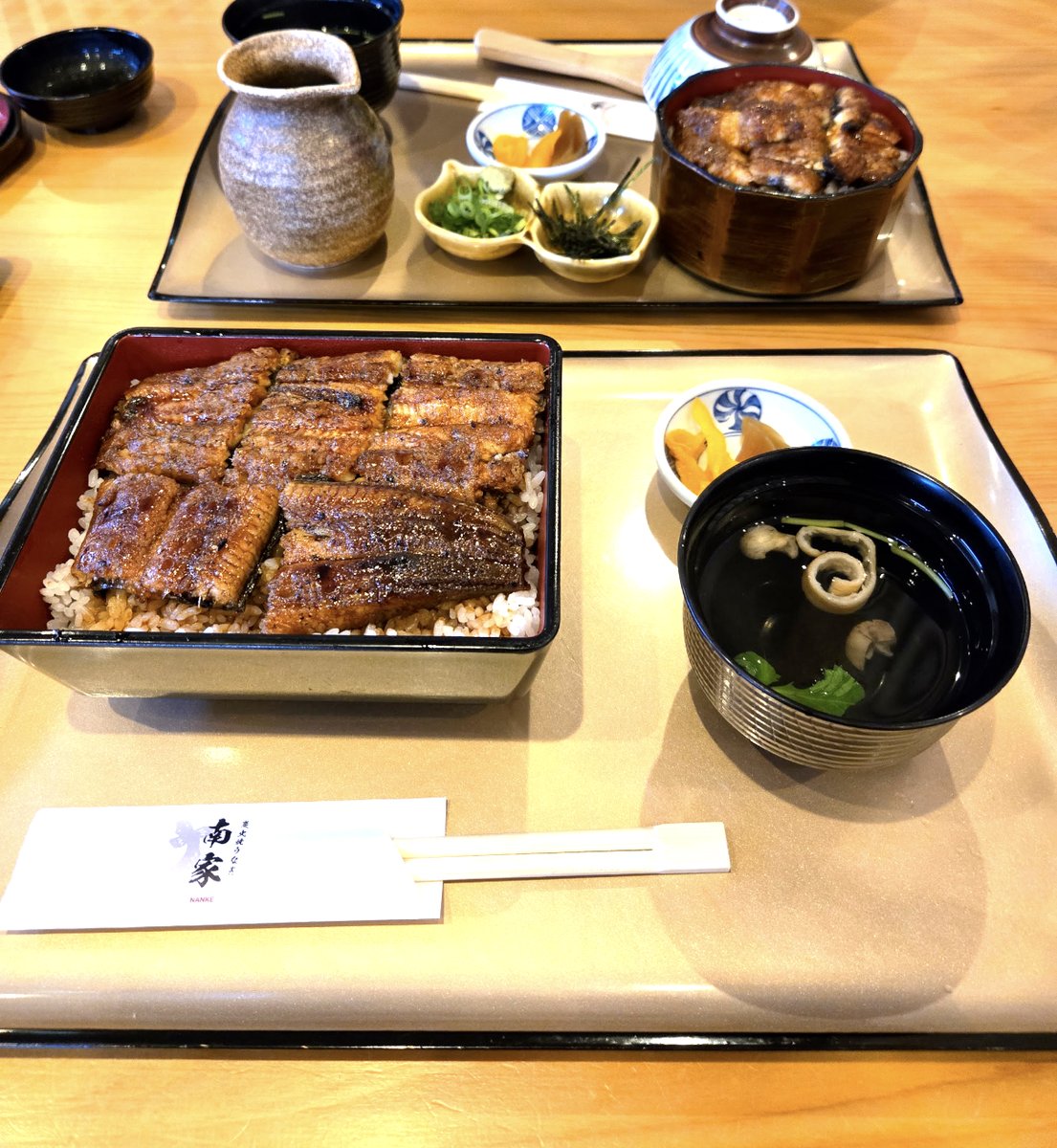
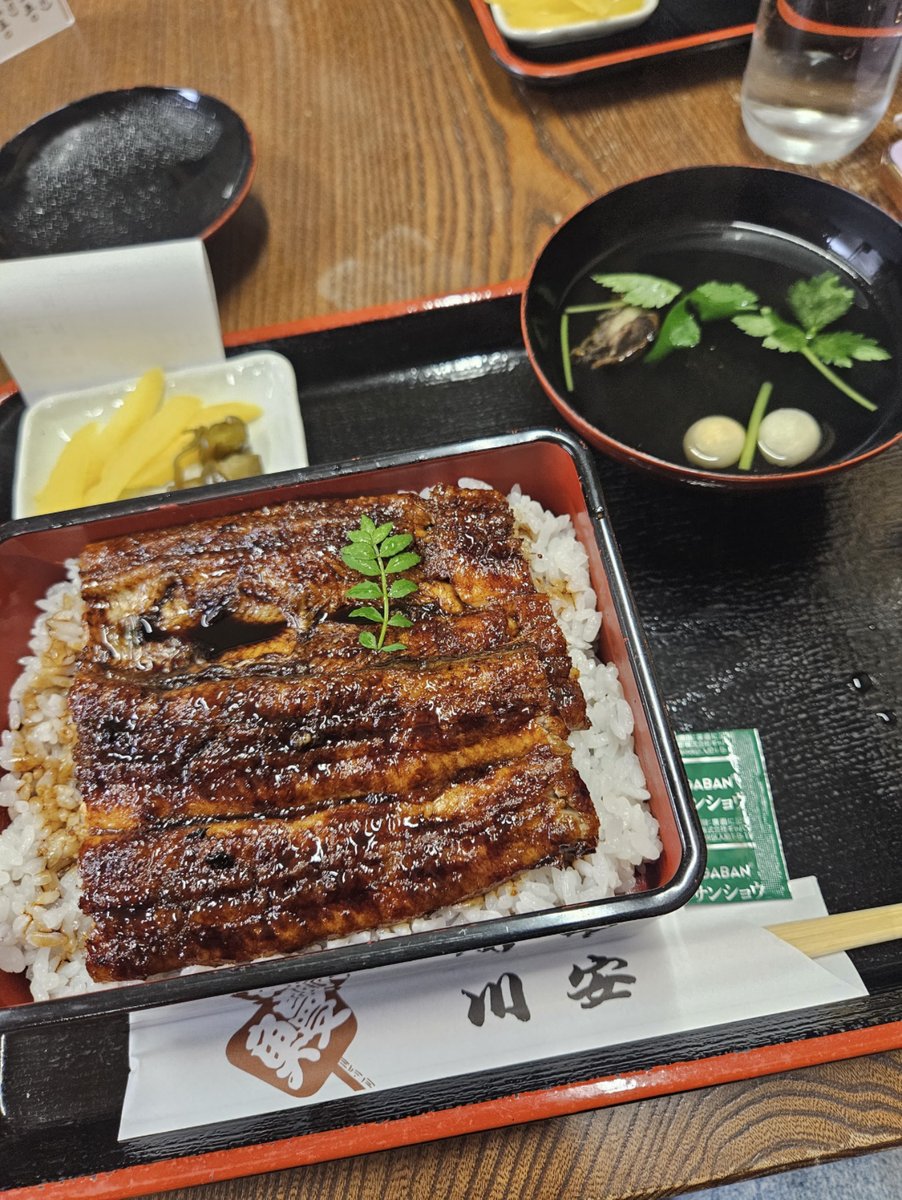
- Unaju: grilled eel laid on rice in a lacquered box, as a collection from Japan's Ministry of Agriculture, Forestry and Fisheries (MAFF) describes it. In MAFF's example it comes with pickles and eel liver soup. You eat it as it is.
- Unadon: grilled eel on rice in a bowl (don or donburi). Horaiken's menu, for example, sells it in sizes by the number of eel pieces.
- Hitsumabushi: the eel is chopped and comes in a wooden tub with condiments and broth, for the steps above.
You'll also find hitsumabushi outside Aichi Prefecture, for example in Ise (Mie), the city of Ise Jingu. Aichi itself is a big eel-farming area: Aichi Prefecture says it ranks second in Japan for farmed eel, and the Nagoya-meshi PR council says Isshiki in Nishio City (Aichi) accounts for 20% of Japan's eel shipments.
Sansho pepper and kimosui
- Sansho is ground Japanese pepper. You may find it on your tray in a small can or a packet, as in the photos on this page. The Hamamatsu and Lake Hamana Tourism Bureau (Shizuoka), in another eel-farming area, calls sansho said to be Japan's oldest spice, with a refreshing, slightly spicy aroma, and suggests sprinkling it on while the eel is still warm. Start with a little; you can always add more.
- Kimosui is a clear soup made with eel liver (kimo). MAFF's unaju example comes with it, and the Hamamatsu tourism bureau describes one made with bonito and kombu stock. What soup comes with each dish differs by restaurant, so check the menu.
Some restaurants also sell grilled eel liver as a side dish; Horaiken, for example, has kimo-yaki on its menu.
Two grilling styles: Kanto and Kansai
Japan has two main ways of cooking eel for these dishes, as the Hamamatsu tourism bureau explains:
- Kanto style (eastern Japan, around Tokyo): the eel is first grilled plain, then steamed, then brushed with sauce and grilled again. Steaming takes away extra fat and makes the eel soft and fluffy. MAFF's unaju example is Kanto style.
- Kansai style (western Japan, around Osaka): the eel is grilled directly, without steaming (called jiyaki).
Which style a restaurant uses is up to the restaurant, so if you're curious, ask the staff.
Lines, reservations and opening hours
At well-known eel restaurants you may have to wait for a table. Horaiken's answers to common questions show how it works there; other restaurants have their own rules, so check each one:
- No reservations for regular meals. Reservations are by phone and only for set-course meals (kaiseki), booked at least 3 days ahead. Knowing your order in advance doesn't help.
- Give your name at the entrance. There are no numbered tickets; staff take your name and the size of your group, and tell you roughly how long the wait will be if it looks long. At its department-store branch, the whole group should be there before you're seated.
- Lunch and dinner are separate. Its main branch takes last lunch orders at 14:00 and its Jingu branch at 14:30; both open again at 16:30. Branches may stop taking customers early when they're busy.
- Busy seasons. Around New Year, Golden Week (a run of national holidays from the end of April to the start of May) and Obon (the mid-August holiday when many people return home), the restaurant may stop taking customers early because food sells out.
Eel is also a summer tradition. Doyo is the roughly 18 days before the start of each season (spring, summer, autumn and winter), so it comes 4 times a year, and the Ushi (Ox) days within it come round every 12 days on the old calendar. That is how Japan's Ministry of Agriculture explains it; in 2016, for example, there were 6 such days in the year. The famous eel day is the summer one, Doyo no Ushi no Hi, but there are Ushi days in winter too. Aichi Prefecture gives the summer date in 2026 as July 26. Eel restaurants may be busier around that day. A well-known story, though only one of several explanations, says that Hiraga Gennai, an 18th-century scholar and inventor sometimes called "Japan's Edison", suggested that an eel shop put up a sign saying "Today is the day of the Ox", and the shop did well; the Statistics Bureau of Japan introduces it as a famous story.
Prices vary a lot between restaurants and change often, so check the menu at the door or on the restaurant's website. JNTO notes that there are many hitsumabushi restaurants near Nagoya Station, which helps if you're between trains. Horaiken accepts major credit cards, but payment methods differ by restaurant, so carry some cash.
Allergies and the sauce
The sauce on the eel is based on soy sauce, and tamari is made mostly from soybeans with a very small amount of wheat, as Kikkoman explains. Food in restaurants doesn't have to carry allergy labels in Japan, and each restaurant makes its own sauce and broth. If you have a soy or wheat allergy or celiac disease, ask before you order: see soy sauce types and wheat and food allergies in Japan, which has a card you can show staff.
Quick checklist
- Scoop a quarter at a time: as it is, with condiments, with broth or tea, then your favorite.
- Unaju and unadon are eaten as they come.
- Try a little sansho on warm eel.
- Arrive early for lunch and give your name at the entrance.
- Remember the break between lunch and dinner, and the crowds at holidays and in midsummer.
- Soy or wheat allergy? Ask about the sauce and broth.
Visiting Atsuta Jingu, the big shrine in the south of the city? Read our Atsuta Jingu etiquette guide. More ideas on our destination page for Nagoya (Aichi).
Last reviewed: October 16, 2026. Menus, hours and rules change. Please check the restaurant's own page before you go.
References
- Horaiken: history of hitsumabushi and how to eat it (Japanese)
- Horaiken: reservations and frequently asked questions (Japanese)
- Horaiken: branches, hours and payment (Japanese)
- Horaiken: main branch menu (Japanese)
- Nagoya-meshi PR council: Hitsumabushi (English)
- AMAZING AICHI (Aichi Prefecture): Aichi's Alluring Eats (English)
- JNTO: Try hitsumabushi, an Aichi delicacy (English)
- Aichi Prefecture: press release on Aichi eel for Doyo no Ushi no Hi, July 15, 2026 (Japanese, PDF)
- Ministry of Agriculture, Forestry and Fisheries: feature on eel and Doyo no Ushi no Hi (Japanese)
- Statistics Bureau of Japan: household survey newsletter on eel and Doyo no Ushi no Hi (Japanese, PDF)
- MAFF collection on Google Arts & Culture: Unaju with pickles and eel liver soup (English)
- Hamamatsu and Lake Hamana Tourism Bureau: Kanto and Kansai styles, kimosui (English)
- Hamamatsu and Lake Hamana Tourism Bureau: sansho on eel (English)
- Kikkoman: types of soy sauce (Japanese)