Ramen Kobo Yukinoyu in Nagoya (Aichi): Rich Beef-Bone Ramen, a Rare Style in Japan
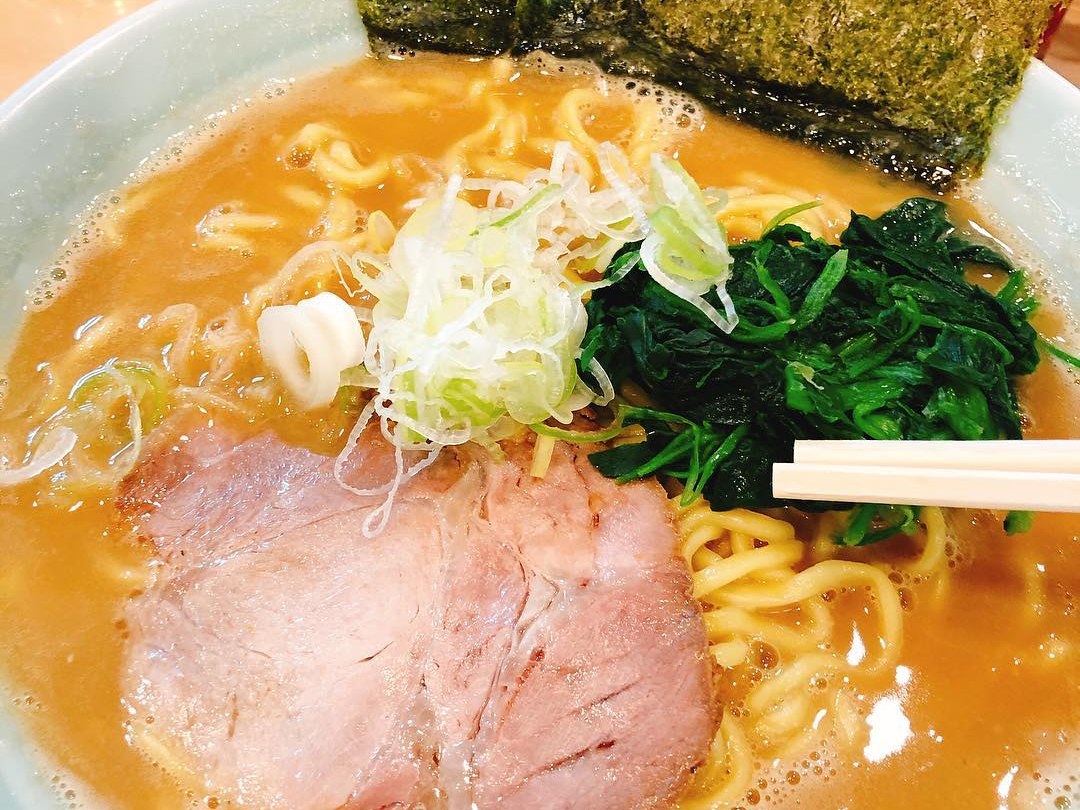
Most ramen in Japan is built on pork or chicken broth. Ramen Kobo Yukinoyu (らあめん工房 雪濃湯) in Higashi-ku, Nagoya (Aichi) is different: its broth is made from beef bones (gyukotsu), a style you rarely find. It's the site owner's favorite bowl of ramen anywhere. This guide covers what's on the menu, how to get there, and why you should check the opening hours before you go. Facts come from the shop's own website; the "My visit" note is the site owner's experience.
This page may contain affiliate links. If you buy through them, we may earn a commission at no extra cost to you.
- Beef-bone (gyukotsu) ramen: rich and creamy, without pork bones
- First time? The site owner's pick is the original beef-bone ramen (Moto-aji)
- Also miso, soy sauce and salt ramen, plus a garlic curry ramen
- Nearest station: Morishita on the Meitetsu Seto Line; parking available
- Open at night only, from 18:00 to 4:00; no lunch service
Beef-bone ramen, a rare style
Ramen soups are usually made from pork bones, chicken or seafood (see our ramen guide for the main styles). The shop's official site describes Yukinoyu as an authentic beef-bone ramen shop in Higashi-ku, Nagoya (Aichi), and asks you to enjoy its gyukotsu ramen. If you have eaten a lot of pork-based tonkotsu, the beef broth tastes noticeably different.
What's on the menu
According to the menu page, the shop has several kinds of ramen and asks you to check them at the shop itself:
The menu page shows an example bowl of the original beef-bone ramen topped with a large slice of chashu pork and cartilage, and says that extra noodles (kaedama) and toppings are available if you ask at the shop. Prices aren't listed on the website, so check the board or ticket machine when you arrive.
What to order first, and how to eat it
The site owner's advice for a first visit:
- Order the Gyukotsu Moto-aji, the original beef-bone ramen. From the first sip, the slow-simmered beef-bone soup fills your mouth with the savory taste of beef. The medium-thick noodles hold the soup well and go down smoothly.
- Eat it in stages. Start with the soup and the noodles as they are. Halfway through, stir a little garlic, about the size of your little fingernail, into the soup for a change of flavor.
- If you order rice, soak a sheet of nori or a slice of chashu pork in the soup and wrap a bite of rice in it.
- Ask for firm noodles (katame) if you like. It's a matter of taste, but firm noodles have a better bite and don't go soft even if you eat slowly.
Coming as a group? The site owner also recommends the beef-bone curry ramen and the Hida beef-bone ramen, a rich bowl with the sweet, fragrant fat of Hida beef, plus two rice dishes to share: curry rice, and abura-meshi, rice topped with sweet-and-savory beef fat and chopped green onion, with garlic powder or black pepper to taste.
Getting there
The access page gives the address as 3-9-22 Yoshino, Higashi-ku, Nagoya (Aichi), on the 1st floor of the Nishino Building (phone 052-979-7014):
- By train: the nearest station is Morishita on the Meitetsu Seto Line. Leave the station and head south along National Route 19.
- By car: the shop is on Route 19, between the Autobacs car shop and Morishita Station, and it has parking.
Opening hours: nights only
Yukinoyu is open at night only, from 18:00 to 4:00; there is no lunch service. The top page of the shop's website has a notice that lunch is suspended for the time being, and the site owner, a regular for years, confirms that the shop doesn't open at lunchtime. It is closed from Monday to Thursday in the first week of the month. Some pages of the website still show old lunch hours, so don't plan a midday visit. If you want to be sure, call the shop (052-979-7014).
My visit
This is the ramen I love most, a truly superb bowl, and I've kept going back for nearly 20 years. Instead of pork, the rich broth is made from beef bones, which you rarely find in Japan. The shop is a little away from the city center, but in my view it's worth the trip even by taxi.
Quick checklist
- First visit: order the Gyukotsu Moto-aji, and add a little garlic halfway.
- Go at night: the shop opens from 18:00 and there's no lunch service.
- Remember the first-week closure (Monday to Thursday).
- Coming by train? Get off at Morishita on the Meitetsu Seto Line.
- Ask at the shop for extra noodles and toppings.
Allergies? Ramen soups often contain wheat, soy and other ingredients: see food allergies in Japan.
Last reviewed: October 11, 2026. Shop hours and menus change. Please check the official pages below before you go.