The Deer of Nara: How to Feed and Meet Them Safely
This page contains affiliate links.
Quick answer
- About 1,300 deer live in Nara Park. They are friendly but wild, and some visitors get bitten or butted every year.
- Feed them deer crackers only, never your own food.
- Take extra care with mothers in early summer and males in autumn.
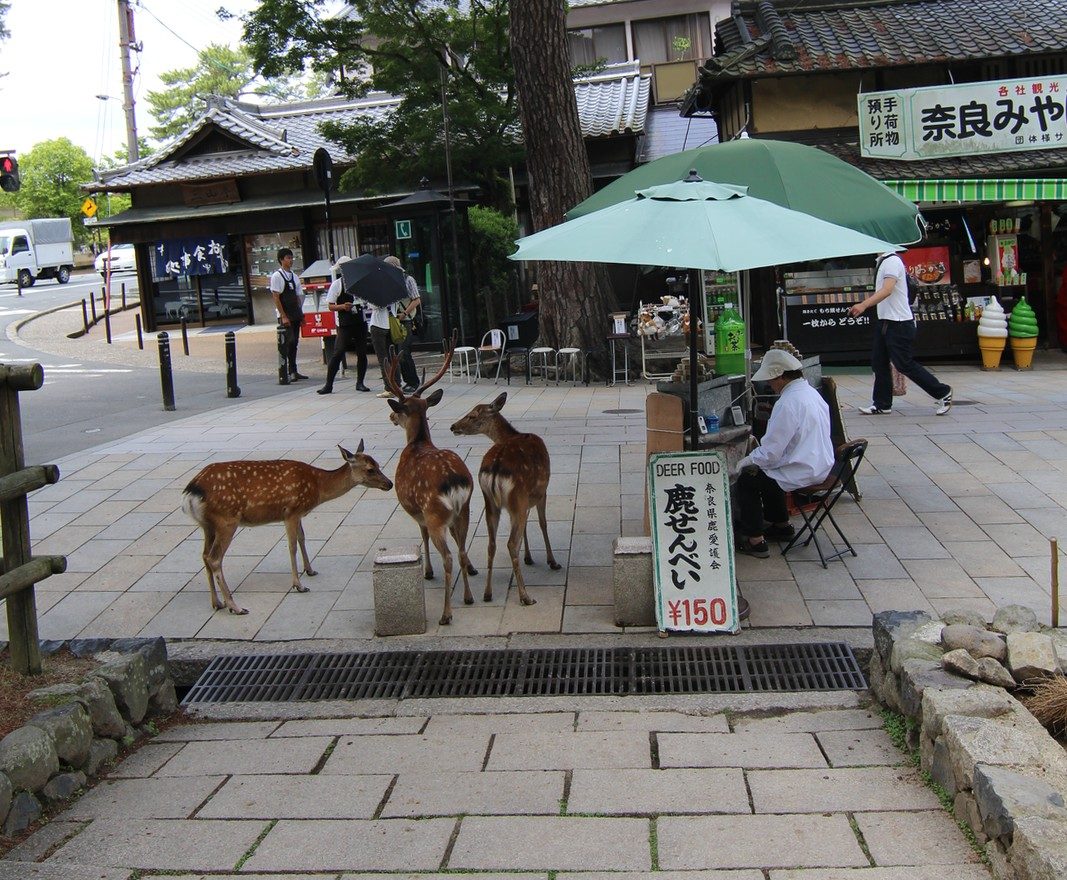
Around 1,300 deer roam Nara Park in Nara, according to the city's tourism association, and buying a stack of deer crackers is part of almost every visit. The deer are friendly and used to people, but they are wild animals, and every year some visitors get bitten or butted, mostly while feeding them. This guide explains the official rules, the right way to hand out crackers, and the two seasons when the deer are most on edge, using Nara Prefecture, the city tourism association and the deer preservation foundation (checked October 2026).
- Who the deer are, and why they are protected
- Deer crackers only: how to feed without getting nipped
- Mothers in early summer, males in autumn
- Things never to do
Protected, but wild
Nara Prefecture explains that the deer are the same species as sika deer elsewhere in Japan and are wild animals. They are protected as a National Natural Monument, and have been protected for centuries as the sacred deer of Kasuga Taisha. The prefecture warns that kicking or hitting the deer is highly inappropriate and may violate the Act on the Protection of Cultural Properties.
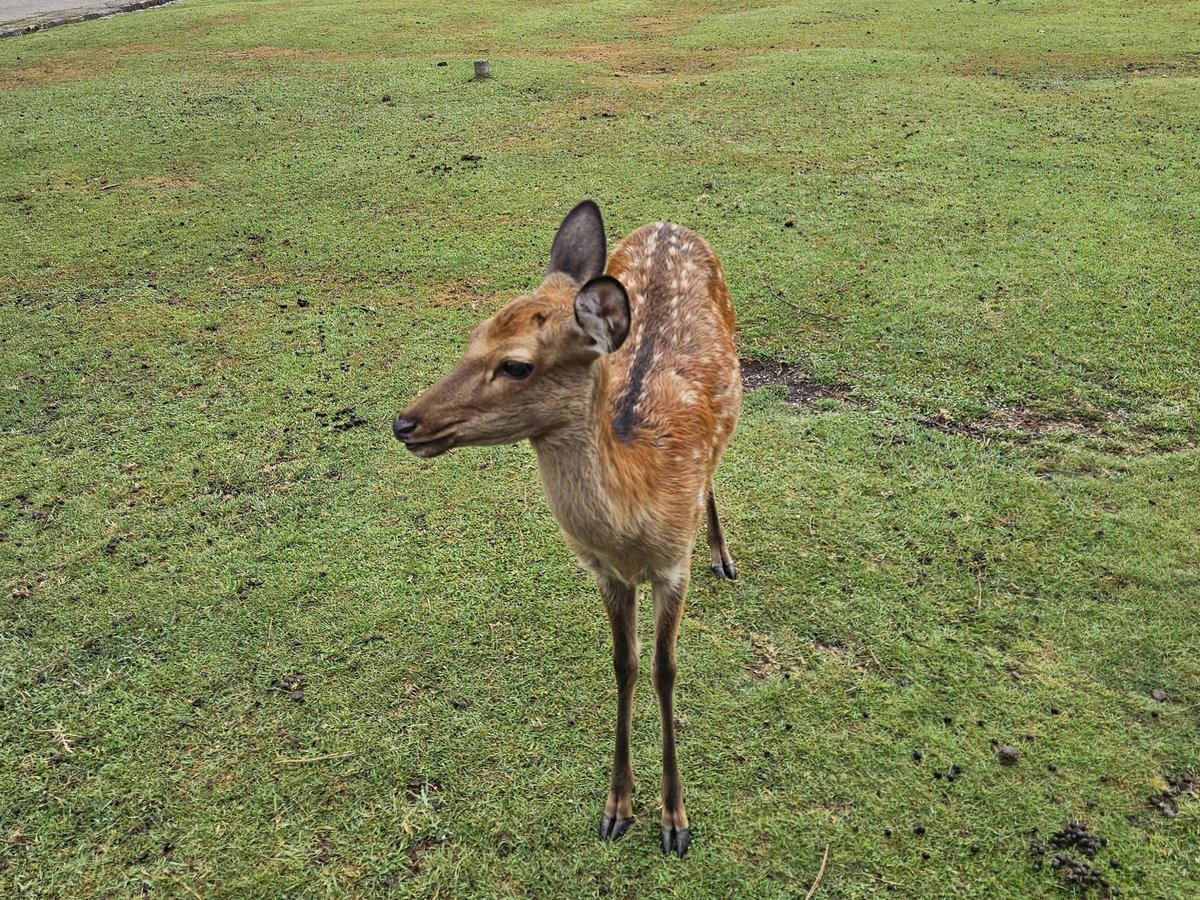
The prefecture also lists the problems it is trying to reduce: people being bitten or struck by deer, deer getting sick from food other than deer crackers, and traffic accidents involving deer. In fiscal 2024, 151 injuries to people had been reported by February 28, 2025, according to a prefectural report. An earlier report found that in fiscal 2022, 72.5% of the incidents happened while people were buying crackers, feeding them, or had just finished. The same report adds that no one has caught rabies or another infection from the bite of a deer in Nara, and that Japan has had no domestic rabies infections since 1958.
Deer crackers only
The only food you may give the deer is shika senbei, the official deer crackers. The Nara City Tourism Association says they are made from wheat flour and rice bran, with no sugar, and that a pack of 10 cost 200 yen in 2024, with part of the money going to protect the deer. Bread, sweets, vegetables and leftovers harm the deer's health and can cause accidents.
- Give them one by one, quickly. The tourism association warns that deer who can see crackers but can't eat them may get excited and bite.
- When you run out, show it. Open your arms toward the deer so they can see you have nothing left, and they will usually leave you alone.
- Mind your belongings. Deer may try to eat maps, pamphlets and plastic bags. Take all trash home so they can't swallow paper or plastic.
- Small children with an adult. The prefecture asks that children feeding deer be accompanied by an adult, and the tourism association suggests feeding together with them.
Crackers are sold at stalls and shops in the park. Because the stalls close in the evening, vending machines were added in 2022 at ROKUEN, the deer protection facility, and at the rest area of the Kasuga Taisha car park.
Two seasons to keep your distance
- Birth season, in May to early July: the Nara Deer Preservation Foundation says this is the birth and fawn-rearing season, and mothers can be nervous. In a seasonal warning, the foundation says a mother may strike with her front legs if people go near or touch her fawn, and asks visitors never to touch fawns. Watch them from a distance.
- September to November: the mating season. Males become very aggressive. The foundation asks visitors never to approach males, whether they still have antlers or have already had them cut.
The foundation lists what to watch for in any season: deer may bite, strike with their front legs, butt, or charge. Older visitors and families with small children are asked to take extra care.
Never do these
- Ride on a deer, hold it, or grab its antlers. The prefecture also notes deer may carry ticks, another reason to avoid touching them.
- Kick, hit or chase a deer.
- Give any food other than official deer crackers.
- Let a dog off the leash in the park (long leashes are not allowed either).
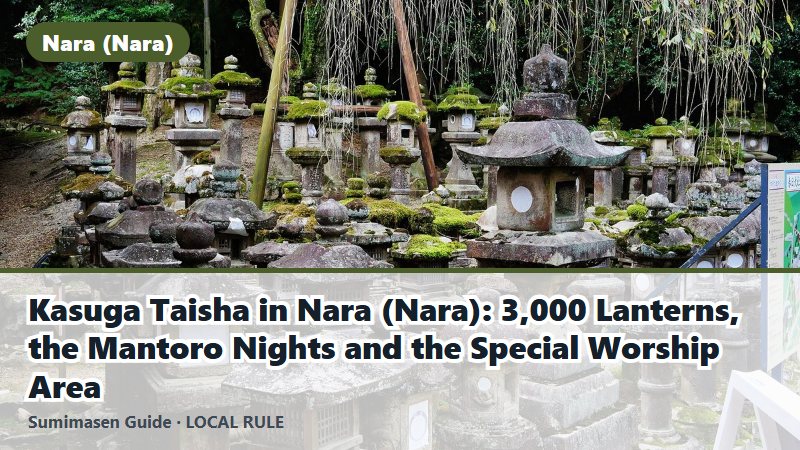
Next stops in the park: Todaiji and the Great Buddha Hall and the lanterns of Kasuga Taisha. On Miyajima (Hiroshima), by contrast, you are asked not to feed the deer at all: see the deer and the tides on Miyajima (Hiroshima).
Quick checklist
- Pack away maps, paper and plastic before buying crackers.
- Feed one cracker at a time; show empty hands when you are done.
- Keep away from fawns in early summer and from males in autumn.
- Touch nothing: no antlers, no riding, no grabbing.
My visit
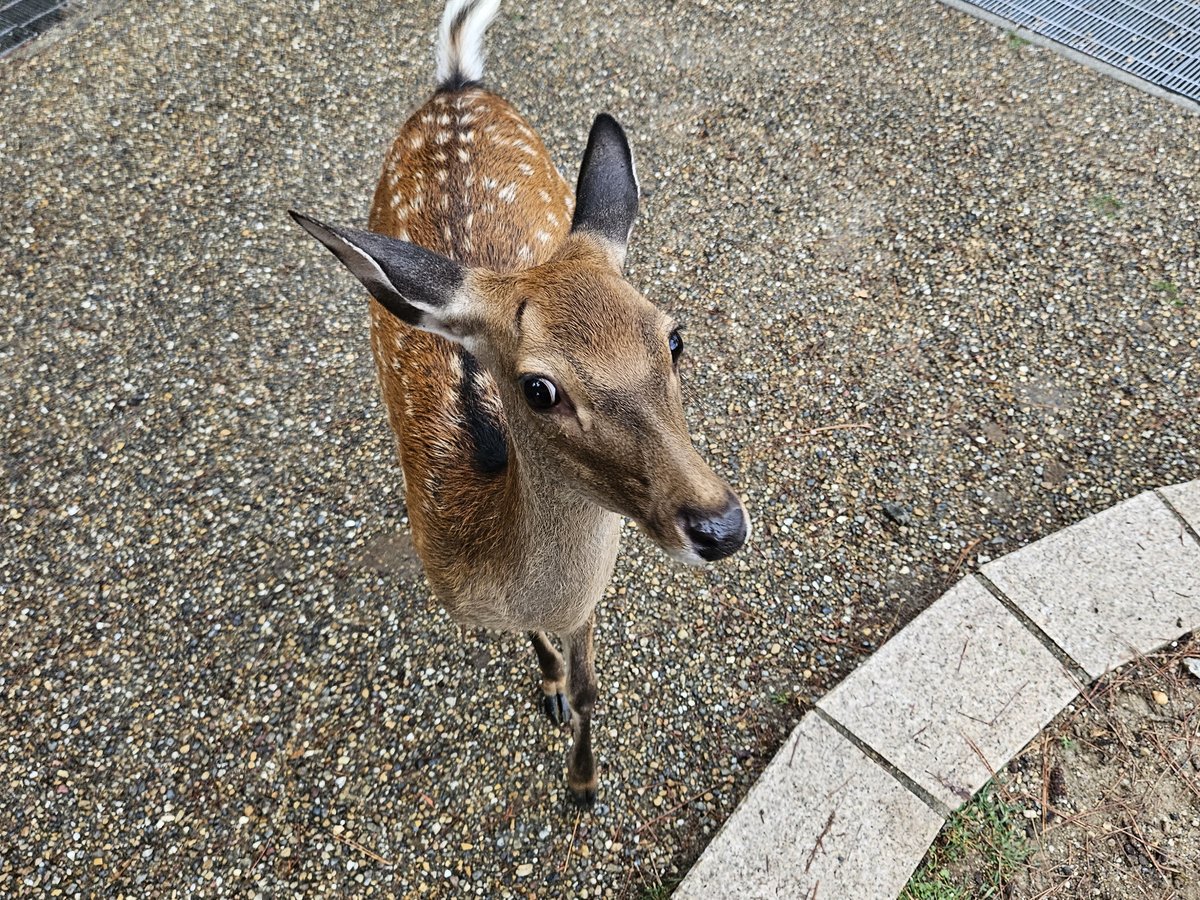
Nara's deer are clever. As soon as they spot deer crackers (shika senbei) in your hand, they come straight over, and once you give them one, they nudge you and tug at your clothes for more. So take care when feeding them with small children. I looked away for just a moment, and a deer butted my daughter and she burst into tears.
Last reviewed: October 4, 2026. Cracker prices and sales points can change. Please confirm on the official pages below.
References
- Nara Prefecture: Protecting the sacred deer of Nara (English, PDF)
- Nara City Tourism Association: Why are there deer in Nara Park? (English)
- Nara Deer Preservation Foundation: Current issues and seasonal cautions (Japanese)
- Nara Deer Preservation Foundation: Public awareness (Japanese)
- Nara Deer Preservation Foundation: Warning about mother deer, May 2025 (Japanese)
- Nara Prefecture: Response to injuries in fiscal 2024 (Japanese, PDF)
- Nara Prefecture: Injuries and traffic accidents involving the deer (Japanese, PDF)