Why Are Japanese Trains So Punctual? The Real Numbers, the Reasons, and Delay Certificates
Japan's trains are famous for running on time, and it's mostly deserved. But the official numbers tell a more interesting story: the Shinkansen really is remarkably punctual, while busy commuter lines in Tokyo run a few minutes late quite often, and passengers themselves are the biggest cause. This guide shows the numbers from the railways and the national government, explains what keeps trains on time, how to get a "delay certificate" if your train is late, and what you can do to help.
- Tokaido Shinkansen: an average delay of 1.6 minutes per train, including natural disasters
- Tokyo commuter lines: short delays are common, and most are under 10 minutes
- The biggest cause of small delays is passengers, for example crowded boarding
- A delay certificate can be printed from the railway's website
The short answer: careful maintenance, and everyone's help
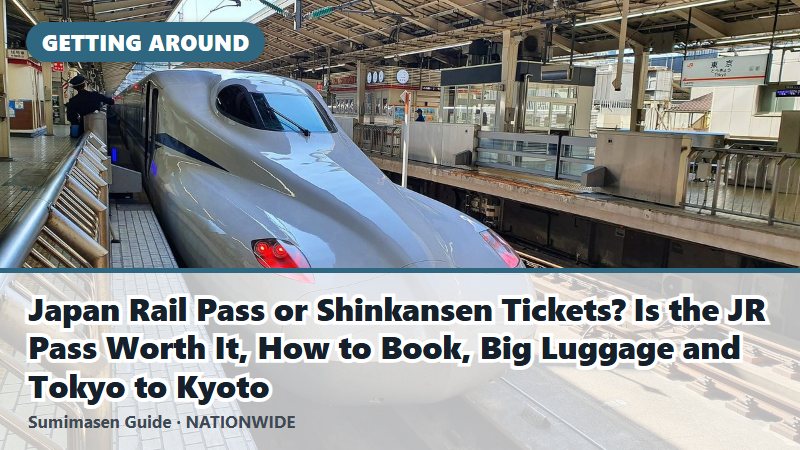
Railways work hard on the equipment side: JR Central says that on the Tokaido Shinkansen it uses about 50 maintenance vehicle sets every night to maintain the track and electrical equipment, so that trains run safely and steadily. But the national government's data shows that most small delays in the Tokyo area start on the passenger side: boarding that takes too long, doors that have to reopen, someone falling ill. So punctuality is part engineering and part the habits of millions of riders, which is why Japanese stations ask you to line up and let people off first.
The numbers: the Shinkansen
JR Central, which runs the Tokaido Shinkansen between Tokyo and Shin-Osaka, reports an average delay of 1.6 minutes per train in fiscal 2023 (April 2023 to March 2024), including delays caused by natural disasters. In that year it ran 372 trains a day, including extra trains, and carried about 432,000 people a day. It also states that there have been no accidents causing death or injury to passengers on board since the line opened in 1964.
The numbers: Tokyo commuter lines
Commuter lines are a different world: trains every few minutes, packed at rush hour. Every year the Ministry of Land, Infrastructure, Transport and Tourism (MLIT) publishes how often delay certificates were issued on 46 lines in the Tokyo area. In its report for fiscal 2024 (published April 10, 2026), certificates were issued on an average of 10.0 days out of 20 weekdays. Most of those delays were short:
Two things to keep in mind. The certificates are based on the longest delay on the line, so they don't match the delay of each train or each rider. And the lines differ a lot: the report shows the Yamanote Line at 14.9 days and the Tokyu Oimachi Line at 1.3 days, for example.
What causes the small delays
MLIT also looked at the causes. For delays under 10 minutes on the same 46 lines (349 cases on 20 weekdays in November 2024), 63.9% were passenger-related, and 23.2% came from delays spreading in from other lines or companies. Problems on the railway's own side, such as staff, trains or equipment, were about 11% in total.
In the report, "passenger-related" covers things like boarding that takes longer than planned, doors reopening, people falling ill, things dropped onto the tracks, people entering the tracks and trouble between passengers. MLIT concludes that measures focused on passenger behavior are important, and lists what railways do: changing boarding position signs, adding platform staff, installing platform doors, building more tracks and wider platforms, and adjusting operations quickly when something goes wrong.
If your train is late: delay certificates
A delay certificate (chien shomeisho) is a note from the railway saying a line was late on a certain day. Japanese commuters use it at work or school. A visitor might want one if a tour, a booking or a travel insurance claim asks for proof. Today most are printed from the railway's website:
- JR East: for delays of roughly 5 minutes or more on its lines (regular local trains on conventional lines), shown in 10-minute steps by time of day. The past 45 days are shown. The page is in Japanese, and it says the certificate does not prove that you were on the train.
- Tokyo Metro: for delays of 5 minutes or more, rounded up to 10-minute steps; today and the past 35 days. Since April 1, 2026, certificates are web only. The certificates are shown in Japanese.
A browser's translate function is enough to find your line and date. Then save it as a PDF or a screenshot.
Very late limited express trains: JR Central says that if a limited express or express train arrives more than two hours late, the limited express or express charge is refunded in full. Discounted tickets are handled differently, so ask at the ticket office.
What to do as a traveler
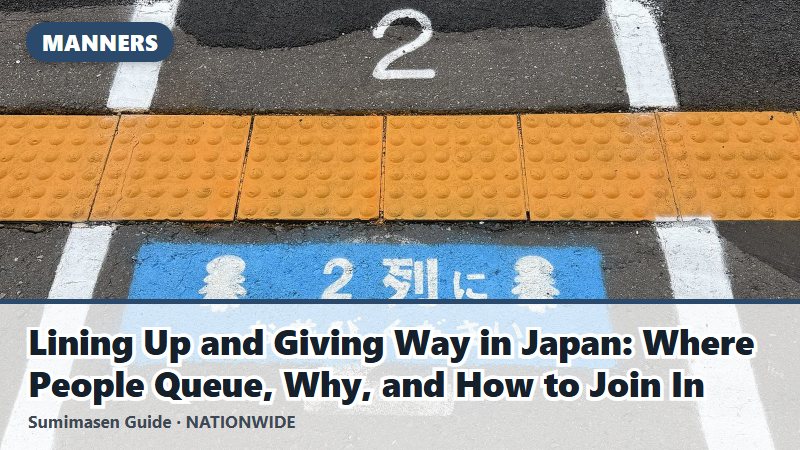
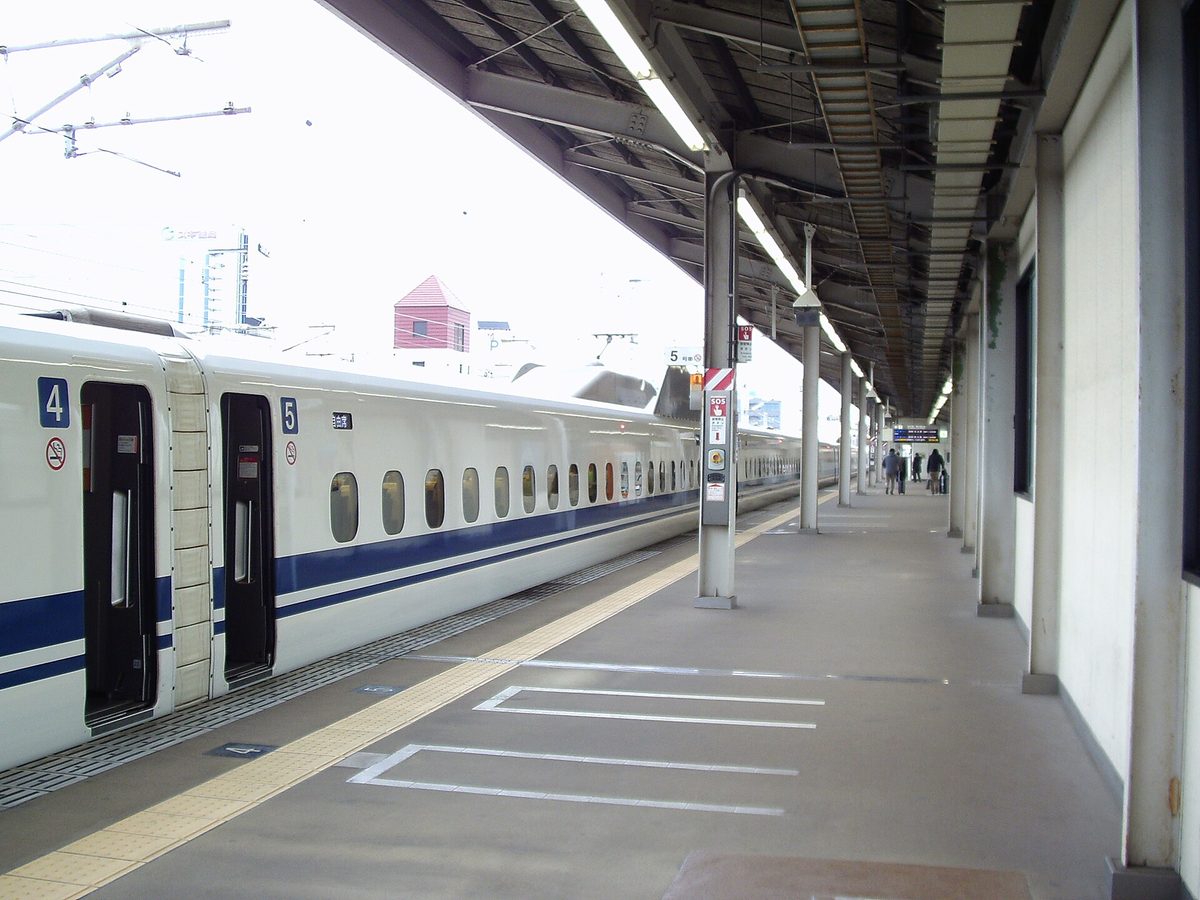
- Line up and let people off first. Stand at the markings on the platform, wait at the side, then move inside the car. See train and bus manners.
- Don't rush for closing doors. Doors reopening is one of the passenger-related causes in MLIT's data. Waiting for the next train is the safer choice.
- Keep a buffer before flights and tours. Short delays are common on busy commuter lines.
- Know your last train. Trains don't run all night. Check the last train from your station on the operator's timetable, for example Tokyo Metro's station timetables in English.
- If you need proof of a delay, print the certificate from the railway's website within the period shown.
Planning long trips by Shinkansen? See the JR Pass and Shinkansen tickets.
Last reviewed: October 18, 2026. Rules for certificates and refunds can change; check the railway's own page.
References
- JR Central: About the Tokaido Shinkansen (English)
- JR Central: New system for nightly maintenance vehicles (Japanese, PDF, March 4, 2026)
- MLIT: Tokyo-area railway delays made visible, fiscal 2024 (Japanese, April 10, 2026)
- MLIT: Full report with line-by-line data (Japanese, PDF)
- JR East: Delay certificates (Japanese)
- Tokyo Metro: Delay certificates (Japanese)
- JR Central: When trains are canceled or delayed (English)
- Tokyo Metro: Station timetables (English)