Sumimasen Guide
🌐 Language

Machine translations are made by Google Translate and may contain mistakes. Please check laws and prices (yen amounts) on the English page.

機器翻譯可能有誤,法律與金額請以英文版為準。

首頁 › 全國通用規定 › 體驗

全國通用規定 · 體驗

「抹茶與禪」特輯文章 ›

本文在AI的協助下,由英文版翻譯而成。 閱讀英文原文

抹茶、茶道與禪:簡短的歷史,以及在日本體驗的方法

快速解答

  • 根據裏千家的說法,把臨濟宗禪傳入日本的明菴榮西(1141-1215)從中國帶回了粉末茶。
  • 從珠光到千利休,茶人們都學過禪;裏千家表示,15~16世紀幾乎所有偉大的茶人都在大德寺學禪。
  • 裏千家提出茶道的四個原則:和、敬、清、寂。
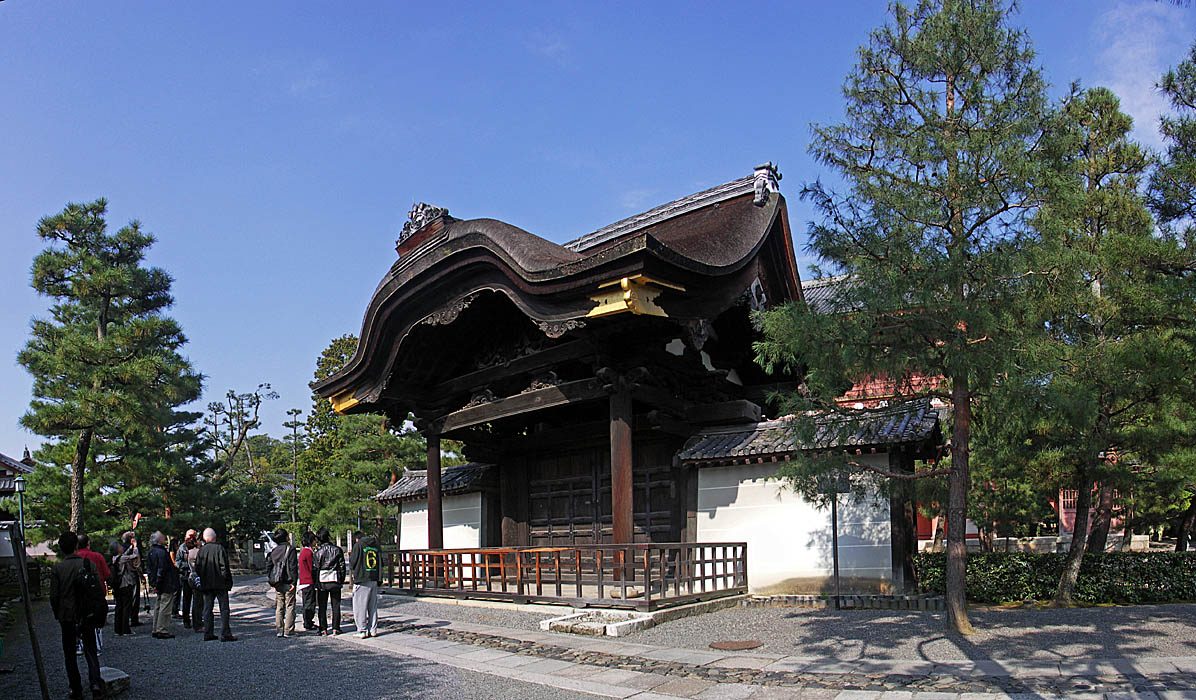
低矮圍欄後有曲線屋頂的大型木造寺門,旁有松樹,遠處有幾位行人
京都(京都)大德寺的敕使門。許多茶人都在這座禪寺學過禪。Photo: z tanuki, CC BY 3.0, via Wikimedia Commons

為什麼抹茶常和禪連在一起?這個關聯來自歷史:把臨濟宗禪傳入日本的僧人也帶來了粉末茶,而塑造日本茶道的茶人們都學過禪。這篇簡短的介紹,依照茶道流派之一的裏千家在官方英文歷史介紹中的說法,帶您了解這段故事,並建議在旅途中同時體驗茶與禪的方法。

不知道這些也能享受一碗抹茶,但了解背景,會讓每一口都多一份滋味。

本頁可能含有聯盟行銷連結。透過連結購買時,我們可能會獲得佣金,您不需要多付任何費用。

  • 明菴榮西(1141-1215)把臨濟宗禪傳入日本,也帶來了粉末茶
  • 從珠光到千利休,茶人們都學過禪,其中許多人在京都(京都)的大德寺學習
  • 裏千家提出四個原則:和、敬、清、寂
  • 這是一個流派的說法,其他流派和歷史學者各有不同的敘述

明菴榮西帶來粉末茶

裏千家的歷史介紹從明菴榮西(1141-1215)開始,他把臨濟宗的禪傳入日本。他在中國求學後,帶回了抹茶的前身粉末茶,並寫下講述飲茶有益健康的《喫茶養生記》。這本書是歷史文獻,本站不主張抹茶有任何健康功效。

珠光與一休:作為一條「道」的茶

根據裏千家的說法,茶人珠光(1422-1503)在禪僧一休宗純(1394-1481)門下學禪;一休似乎對中國和朝鮮的茶事有一定的認識。珠光逐漸認為,準備和品飲茶,正表現了「日常生活的每個舉動都可能通往開悟」這個禪的想法,並珍視樸素、不完美的日常器物,勝過華麗之物。

武野紹鷗與千利休

武野紹鷗(1504-55)也在禪僧大林門下學習。為了教弟子利休茶的侘(wabi)精神,紹鷗引用了藤原定家(1162-1240)的和歌:歌中海邊簡樸的小屋,與花和紅葉的豐美形成對比,代表了這種精神。

千利休(1522-91)在堺的南宗寺開始學禪,之後在京都(京都)大德寺的古溪和尚門下繼續修習。裏千家表示,他對茶道的變革融入了他禪修的精髓,而且15~16世紀幾乎所有偉大的茶人都在大德寺學過禪,這個傳統延續至今。

茶與禪:人物年表 茶人與禪的年表 明菴榮西,1141~1215年:傳入臨濟宗禪並帶來粉末茶。一休宗純,1394~1481年:教導珠光的禪僧。珠光,1422~1503年:把點茶視為禪的表現。武野紹鷗,1504~1555年:教利休侘的精神。千利休,1522~1591年:在京都(京都)的大德寺學禪。 1141-1215明菴榮西傳入臨濟宗禪與粉末茶 1394-1481一休宗純禪僧,教導珠光 1422-1503珠光把茶視為禪的表現 1504-1555武野紹鷗教利休侘的精神 1522-1591千利休在京都(京都)大德寺學禪
人名與年代取自裏千家的「An Introduction to Chado」(2026年10月14日確認)。

四個原則

裏千家稱茶道為「生活的藝術」,並提出其背後的原則:和、敬、清、寂。

四個原則(裏千家) 茶道的四個原則 四個方塊:裏千家為茶道提出的原則:和、敬、清、寂。 和 敬 清 寂 裏千家所說的茶道原則
取自裏千家的「An Introduction to Chado」(2026年10月14日確認)。

一個流派的說法

以上內容都依照裏千家對自身傳統歷史的說明。還有表千家等其他茶道流派,各有自己的老師與做法,歷史學者也可能對這段故事有不同看法。要認真學習茶道或禪,應該向這些傳統的老師學習;在家喝的一碗抹茶,就單純當作一碗茶來享受也很好。

在日本體驗茶與禪

最後確認:2026年10月14日。本文是根據一個流派的官方歷史所寫的簡短介紹,並非完整的敘述。
參考資料

延伸閱讀

更多全國通用規定:體驗

Photo credits

  1. A large wooden temple gate with a curved roof behind a low fence, with pine trees and a few people walking in the distance. Photo: z tanuki, CC BY 3.0, via Wikimedia Commons
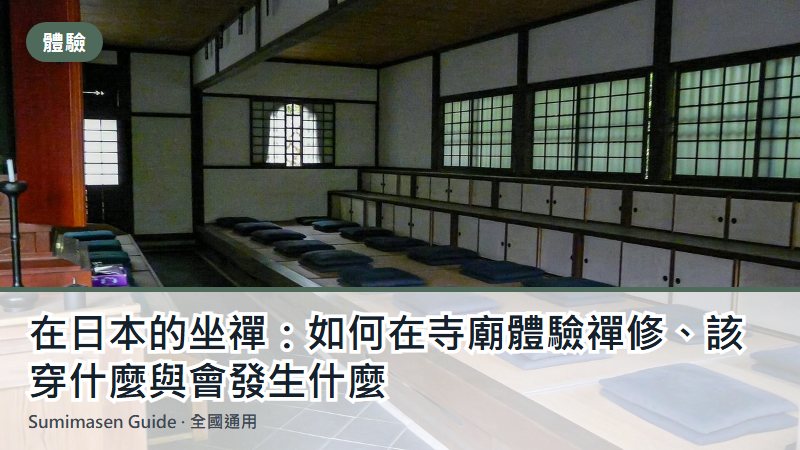
  2. An empty zazen hall with rows of blue cushions on raised wooden platforms at Enko-ji temple. Photo: Naokijp, CC BY-SA 4.0, via Wikimedia Commons (title text added)
  3. Close-up of dried tencha leaf pieces around the feed hole of a gray granite stone mill. Photo: Derjochenmeyer, CC BY-SA 4.0, via Wikimedia Commons (title text added)
  4. Two bundles of burning green incense sticks standing in a large round burner filled with ash. Photo: Ethan Doyle White, CC BY-SA 4.0, via Wikimedia Commons (title text added)
  5. A kadomatsu New Year decoration with pine and bamboo. Photo: Fg2, Public domain, via Wikimedia Commons (cropped, title text added)
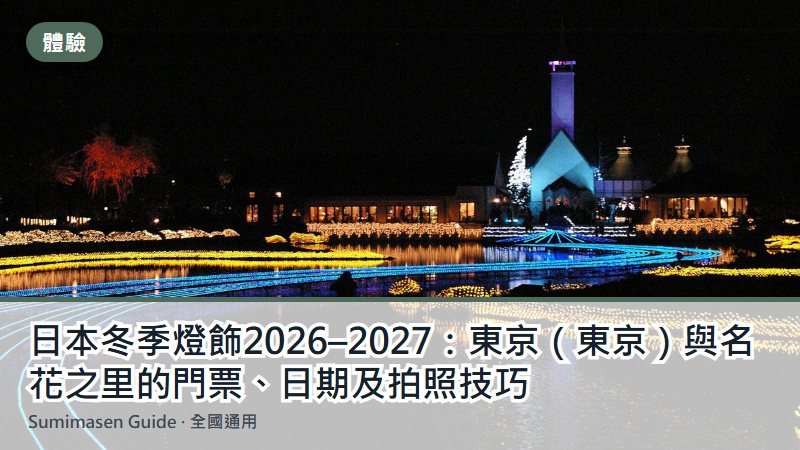
  6. A chapel beside water lit with winter illumination at Nabana no Sato. Photo: Hustvedt, CC BY-SA 3.0, via Wikimedia Commons (title text added)
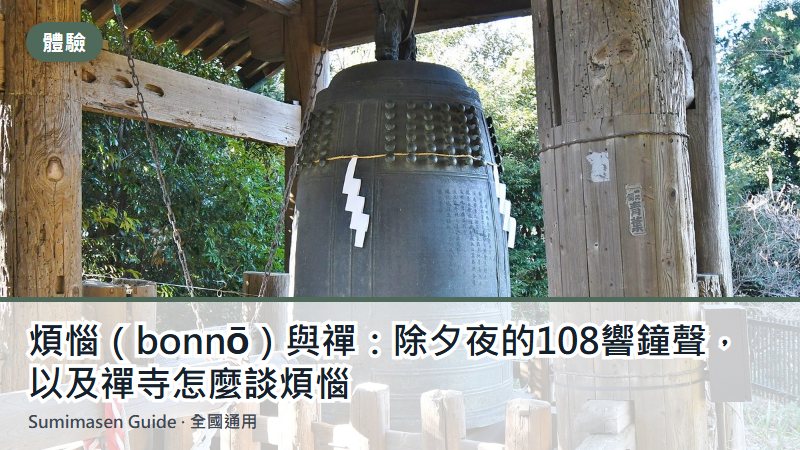
  7. A large dark bronze temple bell with rows of round knobs, hanging under a wooden roof among trees, with a white paper streamer on it. Photo: Saigen Jiro, CC0, via Wikimedia Commons (title text added)
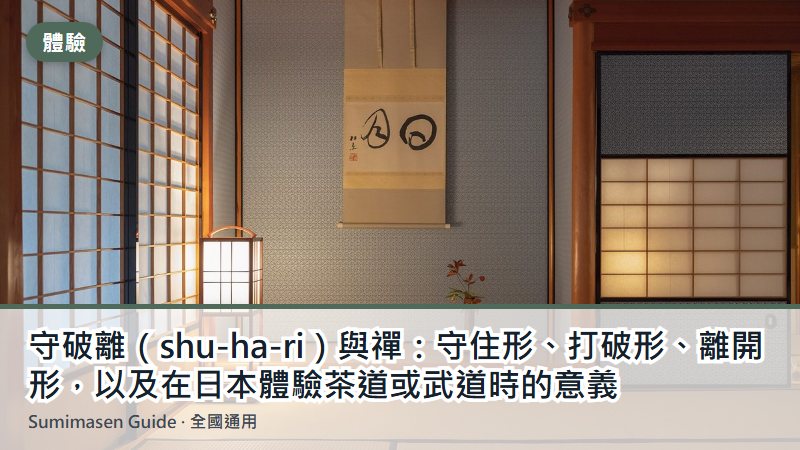
  8. A quiet tatami room with paper sliding doors, a paper lantern and an alcove holding a hanging scroll and a small flower arrangement. Photo: Benh LIEU SONG, CC BY-SA 2.0, via Wikimedia Commons (title text added)
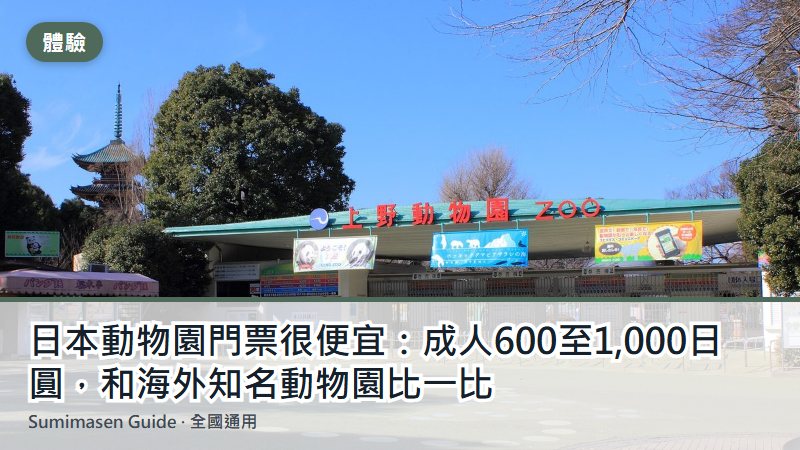
  9. The main gate of Ueno Zoo in Ueno (Tokyo), with a pagoda and trees behind it and a few visitors walking toward the ticket windows. Photo: Kakidai, CC BY-SA 3.0, via Wikimedia Commons (title text added)
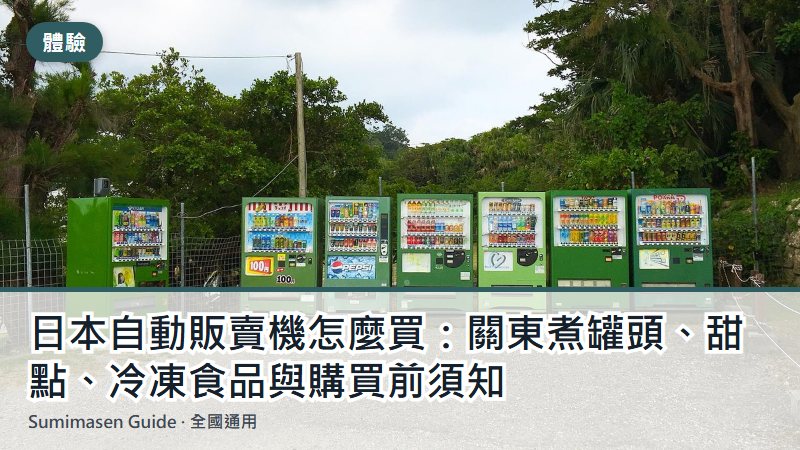
  10. A row of drink vending machines standing side by side along a quiet roadside in Japan, with trees behind. Photo: Daniel Ramirez, CC BY 2.0, via Wikimedia Commons (title text added)
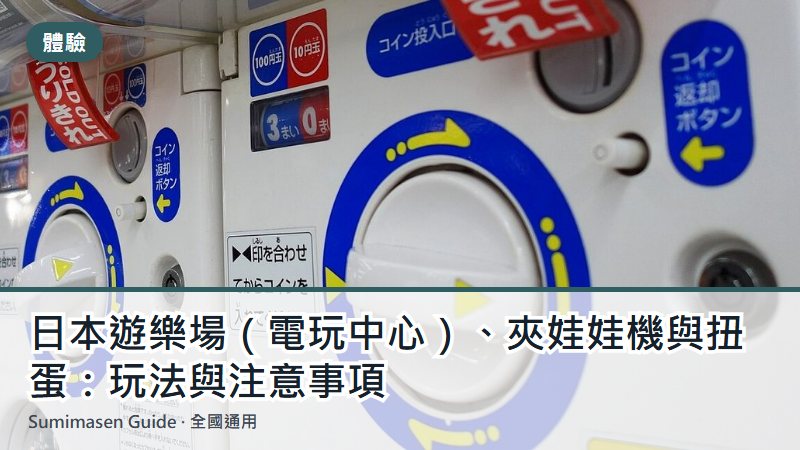
  11. Close-up of white capsule toy machines with round turning handles, coin slots and coin return buttons. Photo: Ka23 13, CC BY 4.0, via Wikimedia Commons (cropped, title text added)
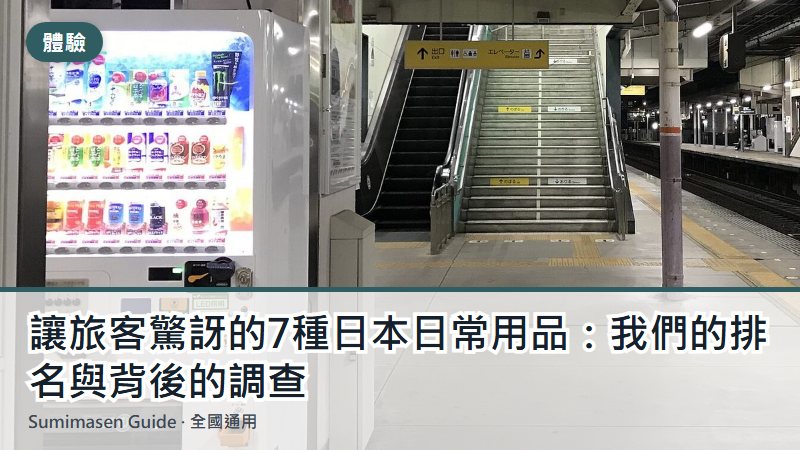
  12. A brightly lit drink vending machine standing on a train station platform in Japan. Photo: そらみみ, CC BY-SA 4.0, via Wikimedia Commons (cropped, title text added)

Card images combine these photos with the page title. Photos are used under their licenses (public domain, CC0, CC BY or CC BY-SA); adapted images are shared under the same license as the original.