Ayu (Sweetfish) in Gifu: A Summer River-Fish Course at Ibigawa Kyuen in Ibigawa (Gifu)
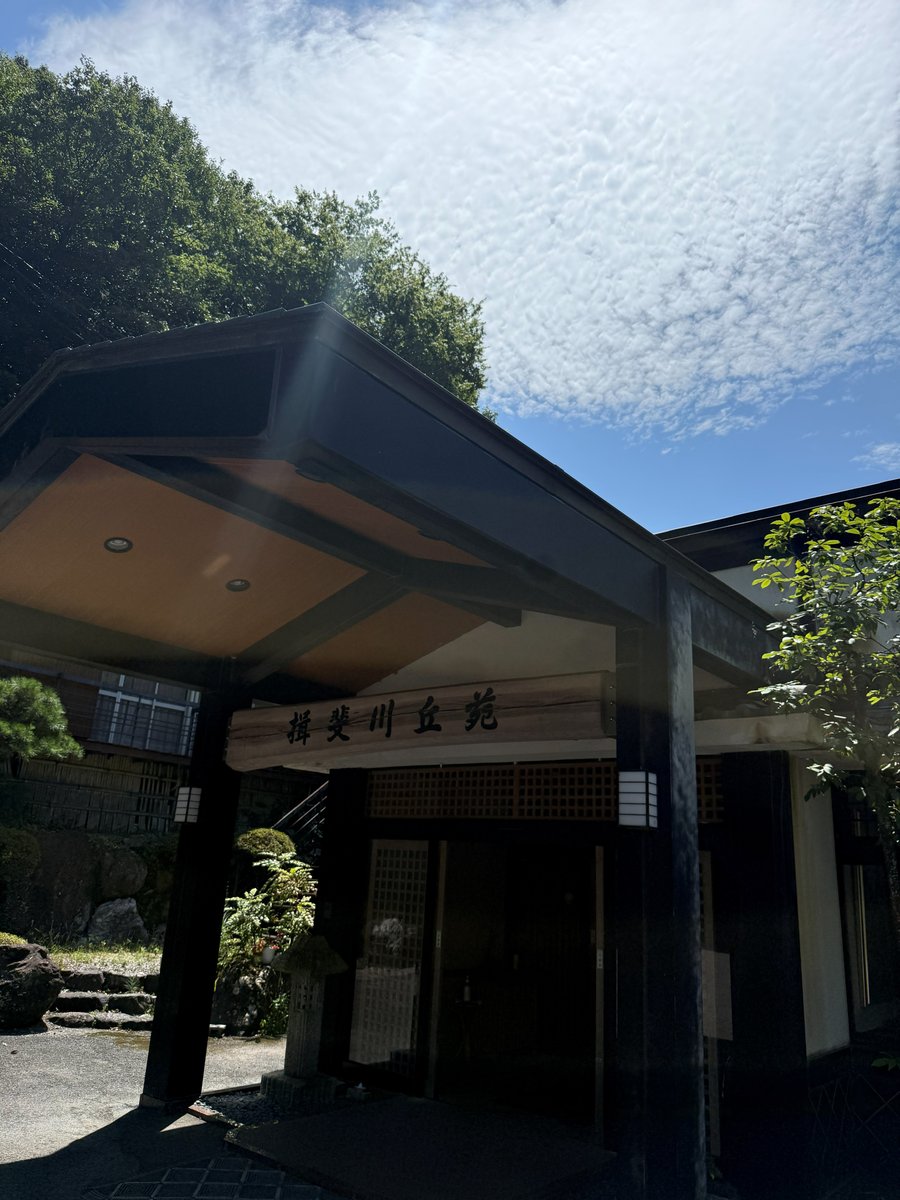
In summer, Gifu Prefecture is known for ayu, a small river fish often called sweetfish in English. It is grilled whole with salt, served with miso, fried as tempura and cooked into rice porridge. This guide explains what ayu is, when each dish is at its best, and how a full ayu course works, using the example of Ibigawa Kyuen (揖斐川丘苑, read Ibigawa Kyūen), an inn by the Ibi River in Ibigawa (Gifu) that grills ayu around a charcoal hearth. Season dates, hours, reservations and access are checked against official pages.
A whole fish on your plate, head and all, can look like a puzzle at first. The sections below walk you through it, one dish at a time.
This page may contain affiliate links. If you buy through them, we may earn a commission at no extra cost to you.
- Ayu is Gifu Prefecture's prefectural fish and a symbol of its clear rivers
- At Ibigawa Kyuen, the ayu season runs from the start of May to the end of October; from November it switches to amago (another river fish)
- Ayu is grilled on skewers around an irori (a sunken charcoal hearth), and the staff look after the grilling
- Book lunch in advance by phone: +81-585-22-1181 (0585-22-1181 inside Japan)
- From Nagoya (Aichi): train to Ogaki (Gifu), the Yoro Railway to Ibi Station, then a taxi
What ayu is, and why Gifu is known for it
Ayu is a slim river fish that lives for just one year, so in Japanese it is also called nengyo ("the year fish"). The council that promotes "Ayu of the Nagara River System", made up of Gifu Prefecture, cities along the river and local groups, explains its life like this: the young fish go out to sea in autumn, spend the winter there, swim up the river in spring, grow in summer, and lay their eggs and die in autumn. Ayu feed on algae growing on the stones of the riverbed, and the council calls ayu a symbol of clear rivers and Gifu's prefectural fish.
In December 2015, the Nagara River's way of life built around ayu was recognized as a Globally Important Agricultural Heritage System (GIAHS) by the Food and Agriculture Organization of the United Nations (FAO). Gifu Prefecture's own food site calls salt-grilled ayu "the king of ayu dishes".
When to eat ayu: the summer season
Because ayu keeps growing through its single year, the taste changes over the summer. On the Nagara River, the fishing season opens sometime between the middle of May and June, and it closes at the end of December. The GIAHS council suggests a different dish for each stage:
Each restaurant sets its own season. Ibigawa Kyuen serves ayu from the start of May to the end of October, and says that in this period the flesh and bones are soft and the flavor is rich. In May and June, it also serves tempura of young ayu.
Ibigawa Kyuen: ayu grilled around an irori hearth
Ibigawa Kyuen is a Japanese inn at 2300 Kitagata, Ibigawa Town, in the west of Gifu Prefecture, near Ibi Gorge, part of a quasi-national park. It takes overnight guests, and it also serves lunch and dinner courses in rooms with an irori, a sunken charcoal hearth in the floor.
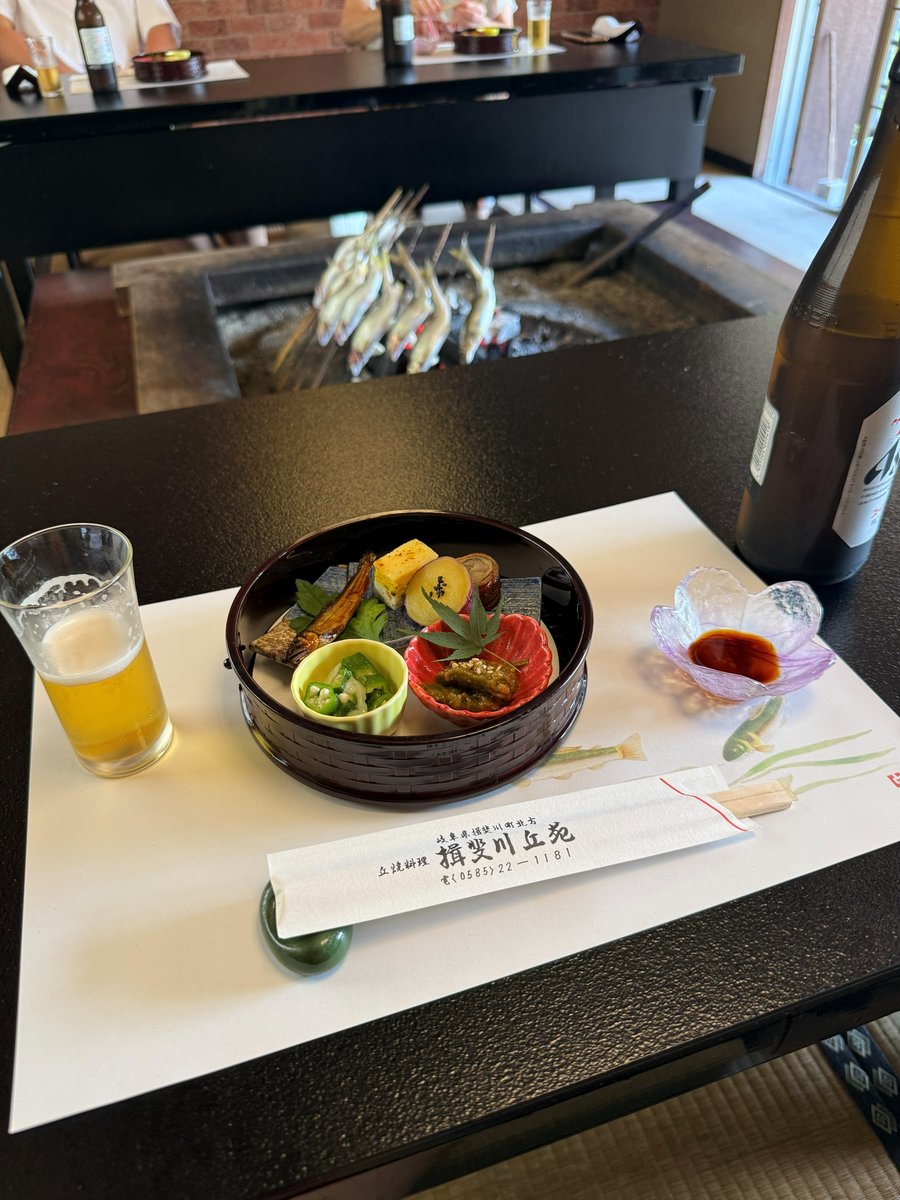
- How the ayu is grilled. The inn calls its charcoal-grilled ayu Oka-yaki. The fish are put on bamboo skewers and grilled slowly in front of you, and the staff adjust how they cook. The inn says the ayu are kept alive in a tank until just before grilling.
- Ayu season: the start of May to the end of October. The ayu course (ayu kaiseki) is served only in this period.
- Winter menu. From November to the end of April the inn serves amago (a river trout), and from November to the end of March botan nabe, a hot pot of wild boar meat.
An ayu course, dish by dish
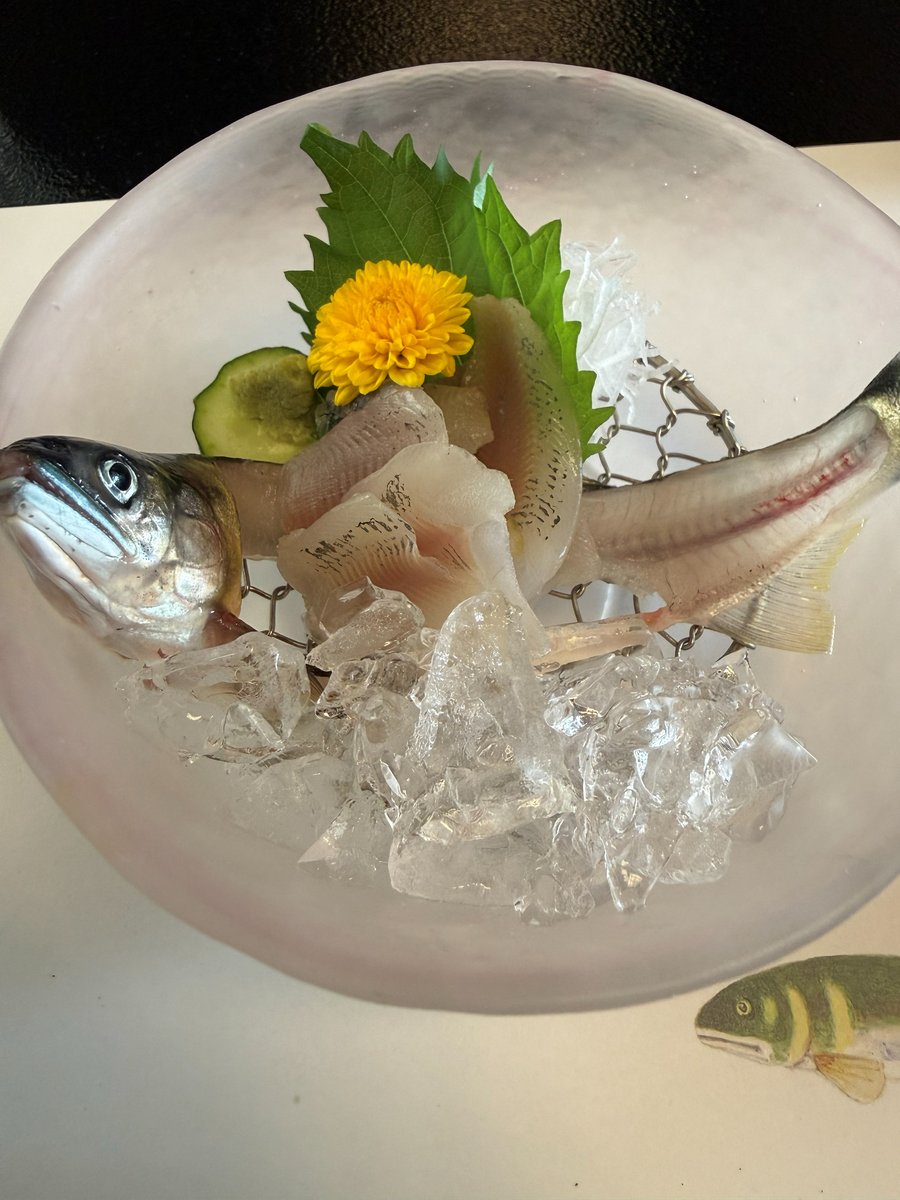
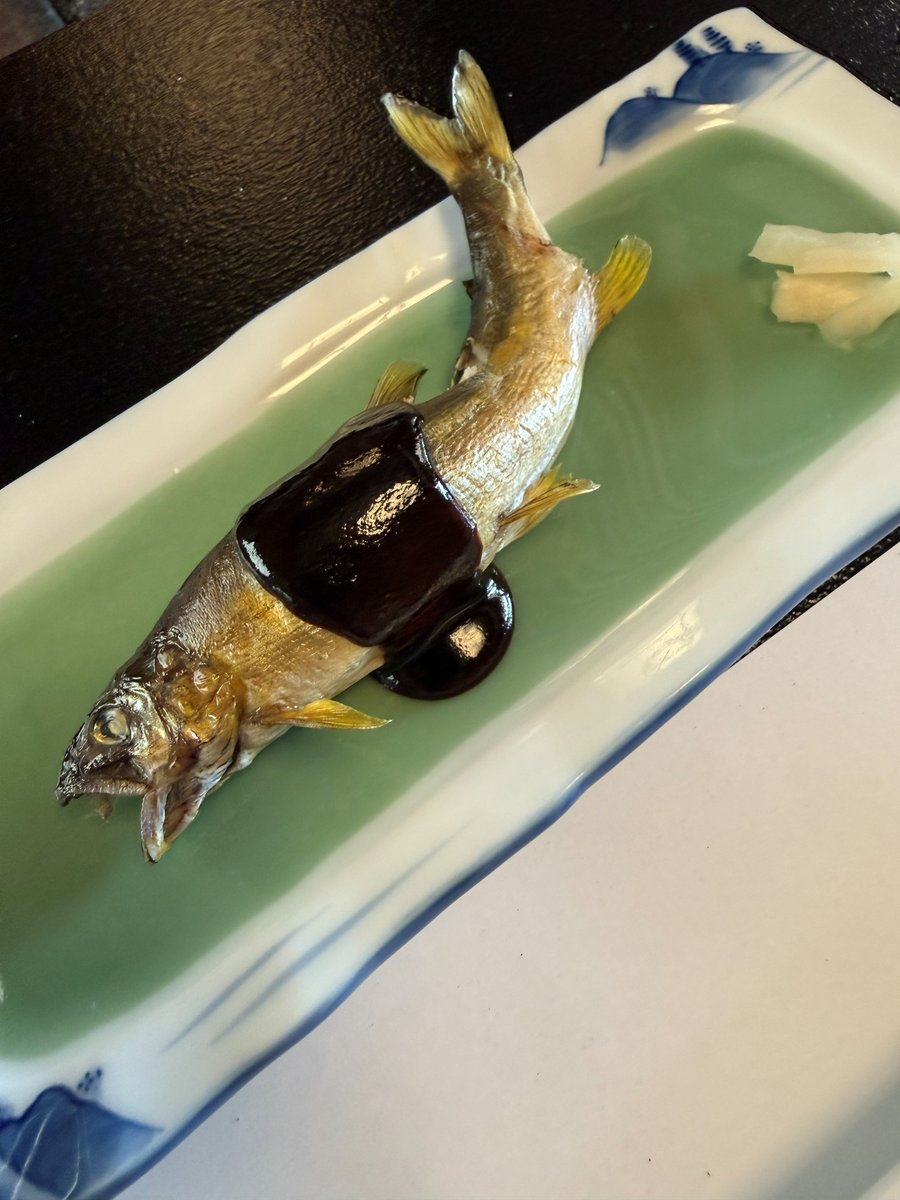
An ayu course is a set meal (kaiseki) of many small dishes, brought out one after another, with ayu cooked in different ways. The dishes and their order change by restaurant and by day, so treat the next sections as examples of what you may see, not a fixed menu. The photos on this page are from one lunch at Ibigawa Kyuen in July. Some courses also include ayu served chilled, on ice, as in the photo here.
Salt-grilled ayu (shioyaki)
Salt-grilling (shioyaki) is the simplest ayu dish. In the recipe on Gifu Prefecture's food site, the fish are salted lightly all over, left for 5 to 6 minutes, and then given extra salt on the fins and tail before both sides are grilled. Gifu Prefecture's site says the result depends on the freshness of the fish and on the cook's skill.
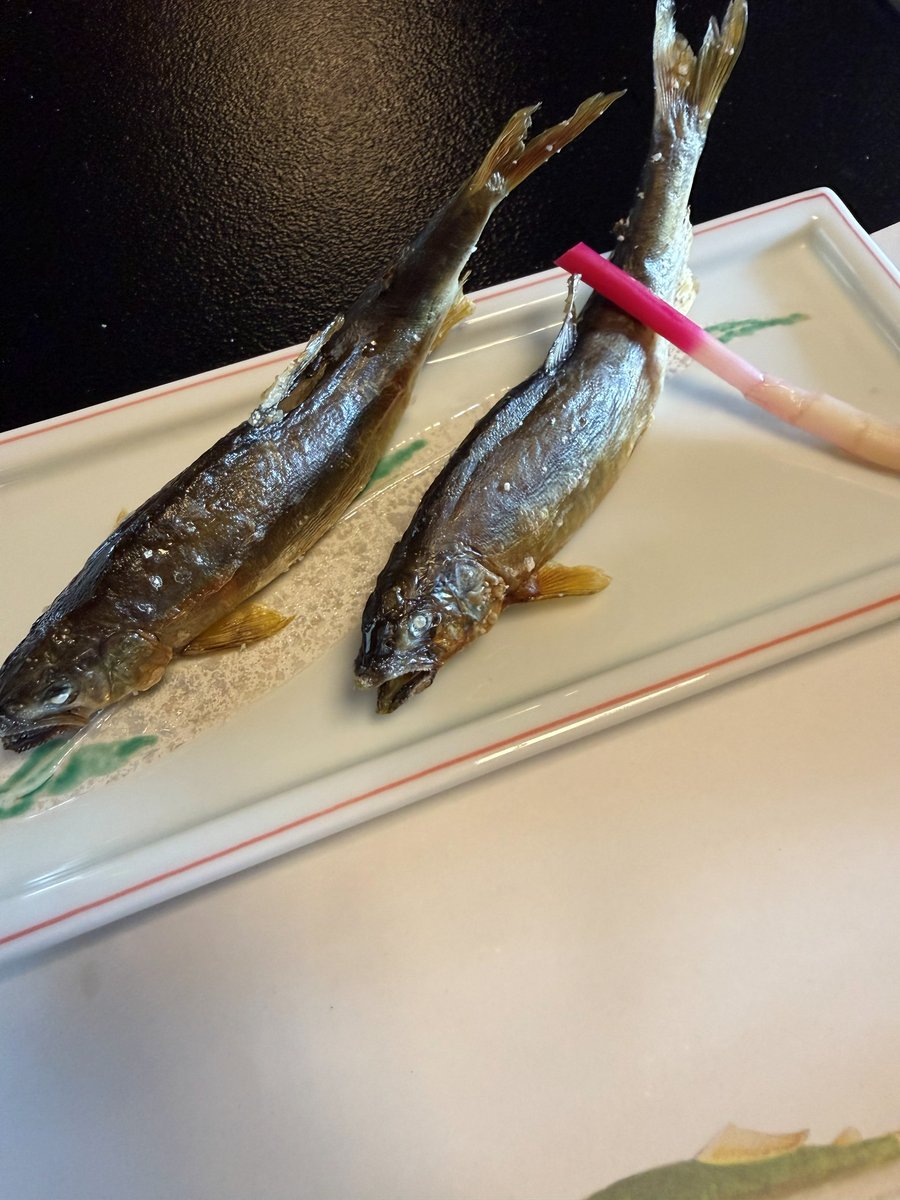
Head, bones and fins. How much of the fish to eat is up to you. The official sources describe ayu bones as soft in season: Ibigawa Kyuen says the flesh and bones are soft in the months of May to October, the GIAHS council says young ayu tempura can be eaten from head to bones, and one roadside restaurant on Gifu Prefecture's site says it grills its ayu thoroughly so that the bones can be enjoyed too. If you're not sure how to eat the fish on your plate, ask the staff how they suggest eating it.
Ayu with miso (dengaku)
Dengaku is food grilled and topped with miso paste. The GIAHS council suggests dengaku or sweet simmered ayu for the late season, from late August to October, when the fish carry eggs. Ibigawa Kyuen also serves amago with a seasoned miso (gyoden) in winter.
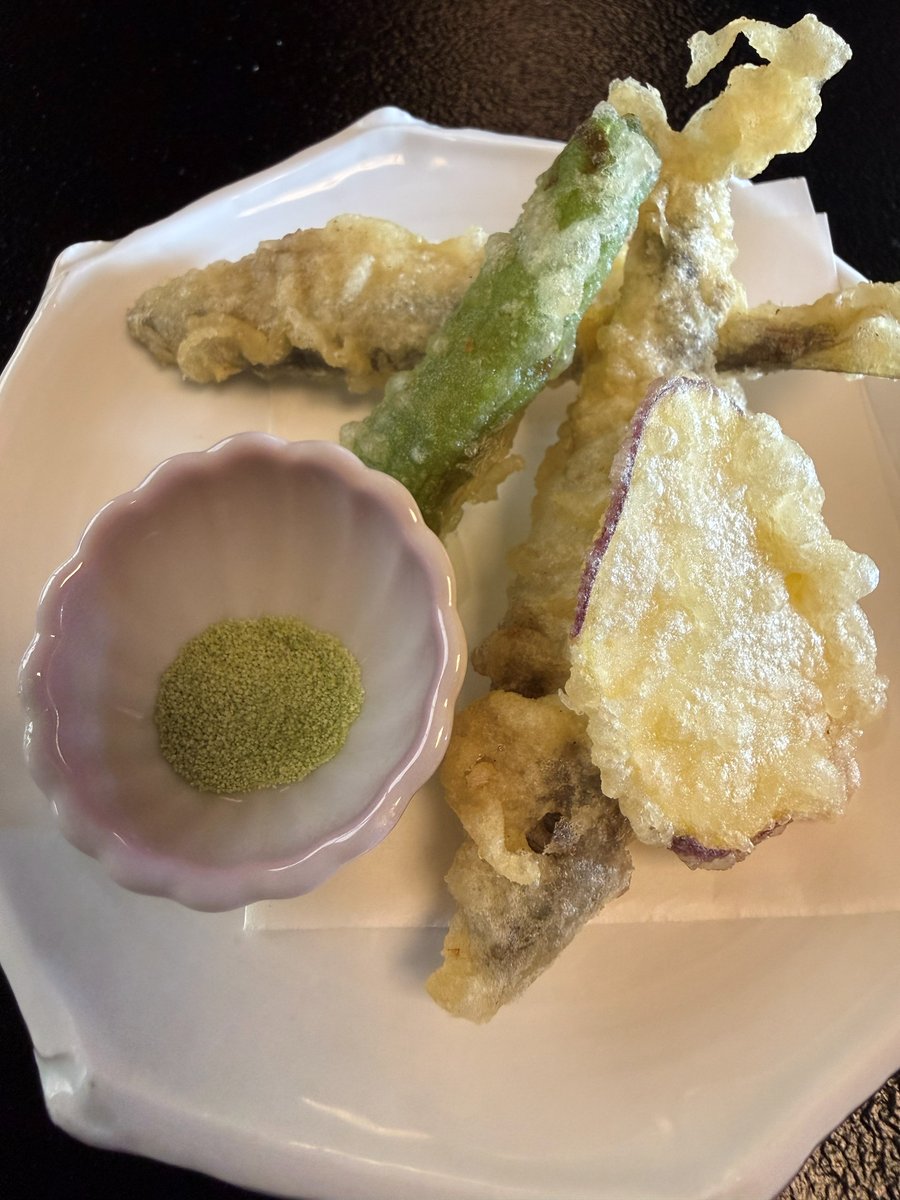
Tempura
Tempura is seafood and vegetables fried in a light batter. The GIAHS council suggests tempura for young ayu in June and early July, when the fish are small and soft enough to eat from head to bones, and Ibigawa Kyuen serves young ayu tempura in May and June. In the photo, it comes with matcha salt.
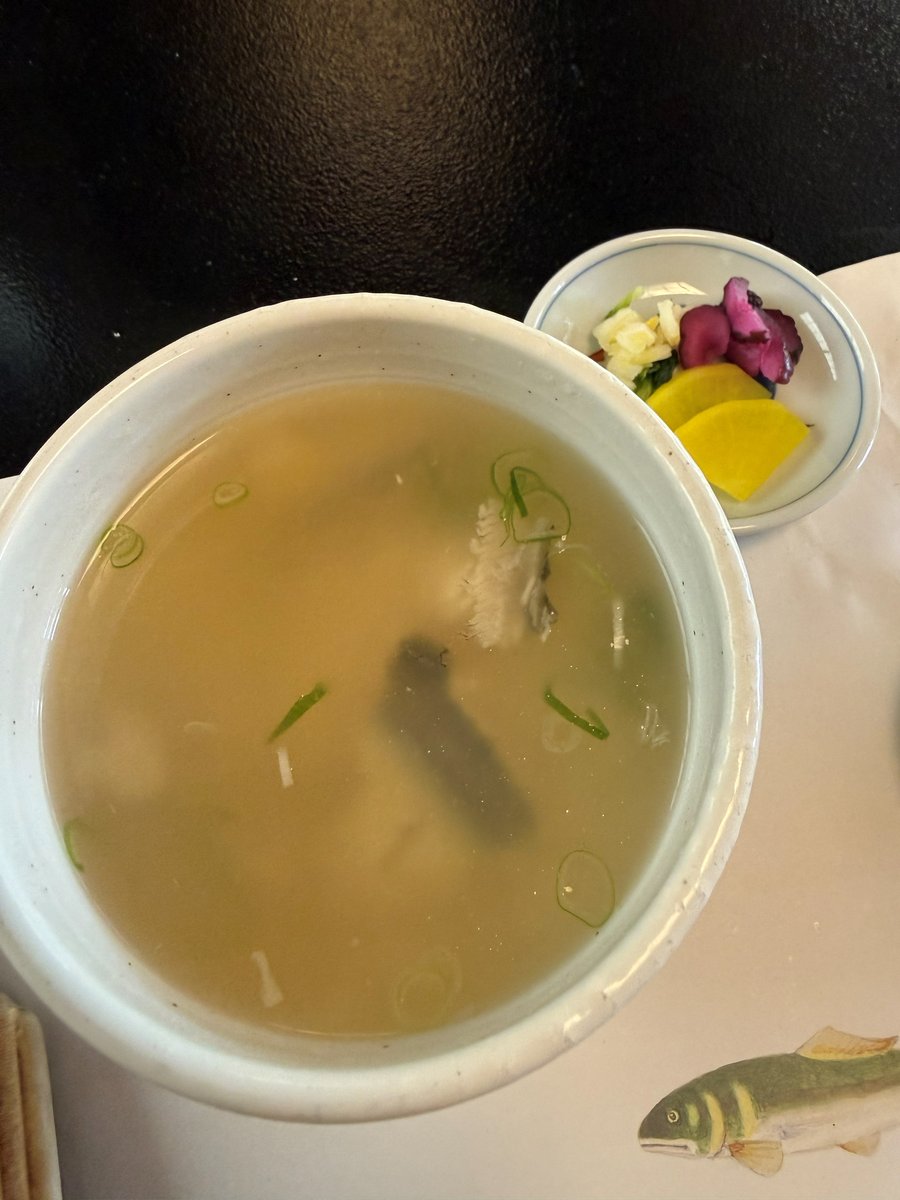
Zosui to finish
Zosui is rice cooked in broth until soft, like a light porridge. Gifu Prefecture's food site describes ayu zosui as a dish served last in an ayu course, and says it was once a way to use ayu too damaged to sell.
Reservations, hours and charges
Gifu Prefecture's official tourism site says that Ibigawa Kyuen accepts lunch guests, both individuals and groups, with a reservation. The inn's own site lists these points for meals (checked October 2026):
- Book by phone. Courses, celebrations and memorial meals are booked by phone at +81-585-22-1181 (0585-22-1181 inside Japan). The website is in Japanese, so if you don't speak Japanese, you could ask your hotel's front desk to call for you.
- Meal times. Guests are received for lunch from 11:30 to 14:00 and for dinner from 16:30 to 19:00.
- 15% service charge. A 15% service charge is added to food and drinks. If you stay in the room for more than 3 hours, a separate room charge is added.
- Busy periods. The inn says it may have to turn down course bookings when it is busy, so book early, especially in summer.
- Overnight stays. Rooms can be booked online on the inn's website. Check-in is from 16:00 and check-out by 10:00.
Prices change, so check the inn's price page or ask when you book. If you have a food allergy or don't eat certain foods, say so when you book: see food allergies in Japan, which has a card you can show staff. Tipping isn't expected in Japan; the service charge is already on the bill (see tipping in Japan).
Getting there from Nagoya (Aichi) and Ogaki (Gifu)
Ibigawa Kyuen is in the countryside, so plan the last part of the trip. The inn's site gives this route from Nagoya Station:
- Ibi Station. The Yoro Railway's station is called Ibi (揖斐), not "Ibigawa", and it is the last stop of the line. Gifu Prefecture's tourism site gives the inn as a 10-minute taxi ride from it, and the Yoro Railway lists taxis at the station.
- Pickup. The inn's site says it offers a pickup from the station with a reservation. Ask about it when you book.
- The trip back. Check the Yoro Railway timetable for your return trip before you sit down to eat.
- By car. The inn's site gives about 20 minutes from the Ono-Godo interchange on the Tokai-Kanjo Expressway.
Related: cormorant fishing on the Nagara River
Ayu is also the fish of Gifu's most famous summer night show, cormorant fishing (ukai) on the Nagara River in Gifu City (Gifu). Fishing masters in traditional dress guide trained cormorants to catch ayu by firelight, and you watch from a sightseeing boat. Gifu City's official site says the tradition is more than 1,300 years old, and gives the season as May 11 to October 15, except on the cormorant fishing rest day and when the river is too high. The boats leave from Gifu City, not from Ibigawa, so plan it as a separate evening.
Quick checklist
- Ayu season at Ibigawa Kyuen: the start of May to the end of October.
- Book lunch by phone in advance; lunch guests are received from 11:30 to 14:00.
- Expect a 15% service charge; no tip needed.
- Head and bones: eat as much as you like, or ask the staff.
- Go to Ibi Station on the Yoro Railway, then take a taxi or a booked pickup.
- Check the train back before you start eating.
Heading further into the mountains of Gifu? Read our guide to Shirakawa-go and the bus from Takayama (Gifu). More ideas on our destination page for Gifu.
Last reviewed: October 16, 2026. Menus, seasons, hours and rules change. Please check the inn's own page before you go.
References
- Ibigawa Kyuen: meals, ayu season and winter menu (Japanese)
- Ibigawa Kyuen: prices, meal times and service charge (Japanese)
- Ibigawa Kyuen: access (Japanese)
- Ibigawa Kyuen: official site, address and check-in times (Japanese)
- Gifu Prefecture official tourism site: Ibigawa Kyuen (Japanese)
- Yoro Railway: Ibi Station (Japanese)
- GIAHS "Ayu of the Nagara River System" council: ayu and its season (Japanese)
- GIAHS "Ayu of the Nagara River System" council: about the GIAHS recognition (Japanese)
- The Ultimates of Gifu (Gifu Prefecture): Salt-grilled ayu (English)
- The Ultimates of Gifu (Gifu Prefecture): Ayu zohsui (English)
- Gifu City Cormorant Fishing Sightseeing Boat Office: Nagara River cormorant fishing (Japanese)