Tipping in Japan: Why Not To, and What to Do Instead
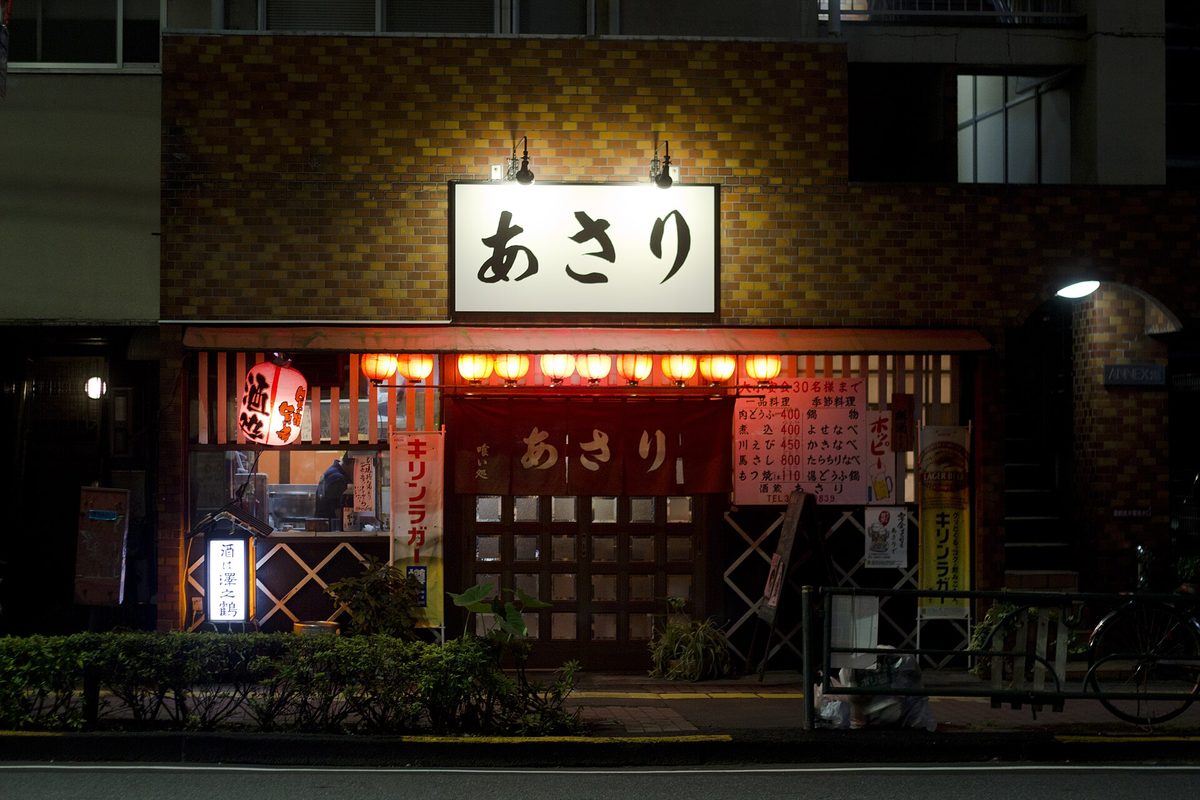
If you come from a country where a tip is part of every meal and taxi ride, Japan can feel strange at first: there is no custom of tipping. Leaving money on the table usually doesn't make anyone happy; it confuses staff, and they may even run after you to give it back. This guide explains where tipping isn't expected, what may already be on your bill (tax, service charges, an izakaya's table charge), the few situations where a small gift of thanks is fine, and simple ways to show your appreciation instead.
This page may contain affiliate links. If you buy through them, we may earn a commission at no extra cost to you.
- The short answer: restaurants, taxis and hotels
- What's already on your bill
- The few times a gratuity is fine, and how to give it
- Better ways to say thank you
The short answer: don't tip
Japan's national tourism organization, JNTO, says it is not common to tip for services in bars, cafes, restaurants, taxis and hotels. The government-run Consumer Hotline for Tourists puts it plainly: there is no custom of tipping in Japan, so don't leave any tip. If you quietly leave money on the table as thanks, staff may come running after you to return the money they think you forgot. The Tokyo Metropolitan Government's manners handbook adds that a tip at a restaurant will almost certainly be refused, that there's no need to tip a taxi driver, and that tipping isn't customary when shopping either.
This applies to everyone, wherever you're from. Nobody will think you're rude for not tipping; it's simply how things work here.
What's already on your bill
Instead of a tip, a few other things may appear on your bill. None of them is a tip, and you don't need to add anything on top.
- Consumption tax. Shops and restaurants must show prices including consumption tax when they display a price to consumers. Japan's Ministry of Finance explains that this tax-inclusive "total price display" has been required again since April 1, 2021.
- A service charge. Some restaurants add a service charge and say so on the menu. In the Ministry of Finance's own example, a dinner priced at 3,300 yen including tax, with a 10% service charge of 330 yen, comes to 3,630 yen. The Consumer Hotline for Tourists notes that where there is a service charge, it is generally included in the total you pay.
- Izakaya table charge. Many izakaya serve a small dish called otoshi as you sit down and charge for it as a table charge. See our guide to otoshi.
- Accommodation taxes in some cities are taxes, not tips, for example in Kyoto (Kyoto) and Osaka (Osaka).
The few times a gratuity is fine
JNTO explains that Japan does have a custom called kokorozuke, a small gift of money given "from the heart" in some situations. Its example: if you've hired a private guide or interpreter who is used to overseas customs, they may accept a tip as a gesture of thanks. Even then, it is not expected. If you decide to give one, JNTO suggests putting it in an envelope and handing it over discreetly; small cash envelopes are sold at convenience stores, stationery stores and 100 yen stores. Never just hand over loose notes.
What to do instead
JNTO's etiquette guide suggests showing your appreciation with "arigato gozaimashita!" (thank you very much) and a smile. A few other kind gestures that cost nothing:
- After a meal, say "gochisosama deshita" (thank you for the meal) on your way out.
- Keep your reservations, or cancel early; JNTO points out that small restaurants buy ingredients for the guests they expect.
- Follow the house rules: line up where there's a line, and if you're not sure whether to pay at the table or at the register, ask.
If something on the bill doesn't make sense
Ask the staff to explain before you pay; most charges have a simple reason. If you still have a problem with a store, restaurant, bar or hotel, the Consumer Hotline for Tourists gives advice by phone at 03-5449-0906 (Monday to Friday, 10:00 a.m. to 12:00 p.m. and 1:00 p.m. to 4:00 p.m., except national holidays and December 29 to January 3), in English, Chinese, Korean, Thai, Vietnamese, French and Japanese.
Quick checklist
- Restaurants, cafes, bars, taxis, hotels, shops: no tip.
- Prices include consumption tax; a service charge, if any, is shown on the menu or bill.
- Private guide or interpreter: a gift is possible but not expected; use an envelope.
- Say "arigato gozaimashita" with a smile.
Last reviewed: October 4, 2026. Each business sets its own charges; please check the menu or ask.
References
- JNTO: Tipping in Japan
- JNTO: Japanese Customs and Etiquette
- Consumer Hotline for Tourists (National Consumer Affairs Center of Japan): Japan has no culture of tipping
- Tokyo Metropolitan Government: Manners & Customs Handbook for visitors (PDF)
- Ministry of Finance: Price display from April 1, 2021 (Japanese)
- Ministry of Finance: Q&A on tax-inclusive price display (Japanese)