Ishigaki and Taketomi (Okinawa): Ferries, Taketomi's Village Rules and a Day Plan
Quick answer
- 2 companies run ferries from Ishigaki to Taketomi: about 15 to 20 minutes, 970 yen one way or 1,880 yen round trip for adults.
- Taketomi asks every visitor for a 300 yen entry fee, sold at ticket machines at both ports.
- The village is people's homes: stay outside the stone walls, wear swimwear only at the beach, and don't fly drones.
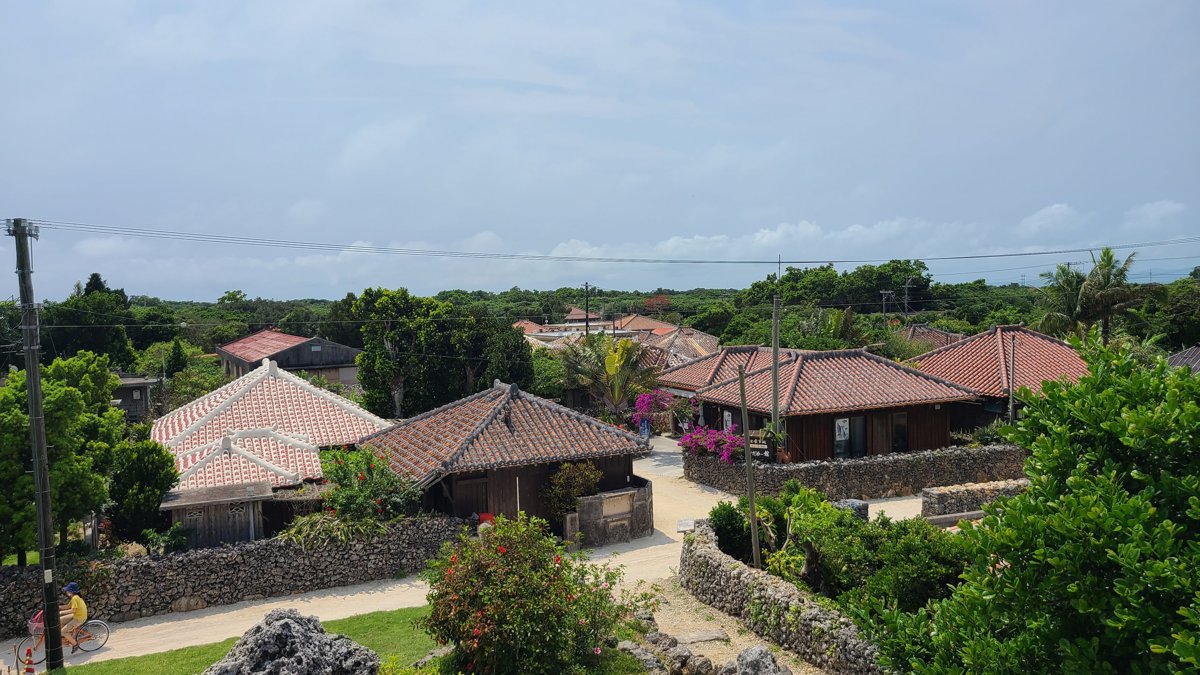
Taketomi Island is a small, flat island a short ferry ride from Ishigaki (Okinawa), in the Yaeyama Islands at the far south-west of Japan. Its village of red-tiled houses, coral stone walls and white sand roads is one of the best-loved sights in Okinawa, and it is also a place where about 350 people live. This guide covers the ferry from Ishigaki, the island's 300 yen entry fee, the requests the island makes of visitors, getting around, the weather, and things to add on Ishigaki: Kabira Bay and its glass-bottom boats, a limestone cave, Ishigaki Yaima Village with its squirrel monkeys, and a bowl of Yaeyama soba. Facts come from the ferry companies, Taketomi Town and the island's own organizations; the photos were taken by the site owner.
This page may contain affiliate links. If you buy through them, we may earn a commission at no extra cost to you.
- Ferry from Ishigaki: about 15 to 20 minutes, 970 yen one way for adults
- Entry fee: 300 yen per person, from ticket machines at both ports
- The village is people's homes: stay outside the stone walls, swimwear only at the beach
- Rough seas can cancel boats: check the operation status on the day
- Last boats back to Ishigaki leave Taketomi at 17:50
The ferry from Ishigaki to Taketomi
Boats to Taketomi leave from the Euglena Ishigaki Port Ritou Terminal (the remote islands ferry terminal) at 1 Misaki-cho in the center of Ishigaki (Okinawa). 2 companies run the route, Yaeyama Kanko Ferry and Anei Kanko. Each sells its own tickets and runs its own timetable, and both charge the same fares:
- Time: Yaeyama Kanko Ferry says about 15 minutes; Anei Kanko says about 15 to 20 minutes.
- Boats: on the timetables in force in October 2026, the first boats leave Ishigaki at 7:30 and the last at 17:30. The last boats back leave Taketomi at 17:50. Between them, the 2 companies run a boat about every 30 minutes to an hour.
- Fares: adults (junior high school age and older) 970 yen one way and 1,880 yen round trip; children (elementary school age) 510 yen and 990 yen. Both companies say the fares include a fuel surcharge that can change with fuel prices. 1 preschool child per adult rides free on the adult's lap.
- Seats: all seats are unreserved, like a local bus.
How to buy tickets:
- At the terminal: each company has a counter in the terminal. Anei Kanko says that at Ishigaki Port you can pay in cash, by credit card or with e-money and transport IC cards, but at Taketomi Port in cash only.
- Online, Yaeyama Kanko Ferry: e-tickets paid by credit card only. With one, you skip the counter and go straight to boarding gates 3 and 4. Buy each direction separately. The company only sells a limited number online, and "sold out online" doesn't mean the boat is full: you can still buy at the counter on the day.
- Online, Anei Kanko: booking closes at 18:00 the day before. The return half of a round-trip ticket is open: you can use it on any of the company's boats for 14 days from your outbound date.
Phone numbers: Yaeyama Kanko Ferry +81-980-82-5010, Anei Kanko +81-980-83-0055 (6:00-19:00, except during typhoons).
The 300 yen entry fee
Taketomi asks every visitor for an entry fee of 300 yen per person. It is collected by the Taketomijima Regional Foundation, set up in May 2019 by the islanders to protect the island's nature and village; the foundation describes it as a contribution it asks of visitors. The island is about 9.2 km around, has only about 350 residents, and gets about 500,000 visitors a year.
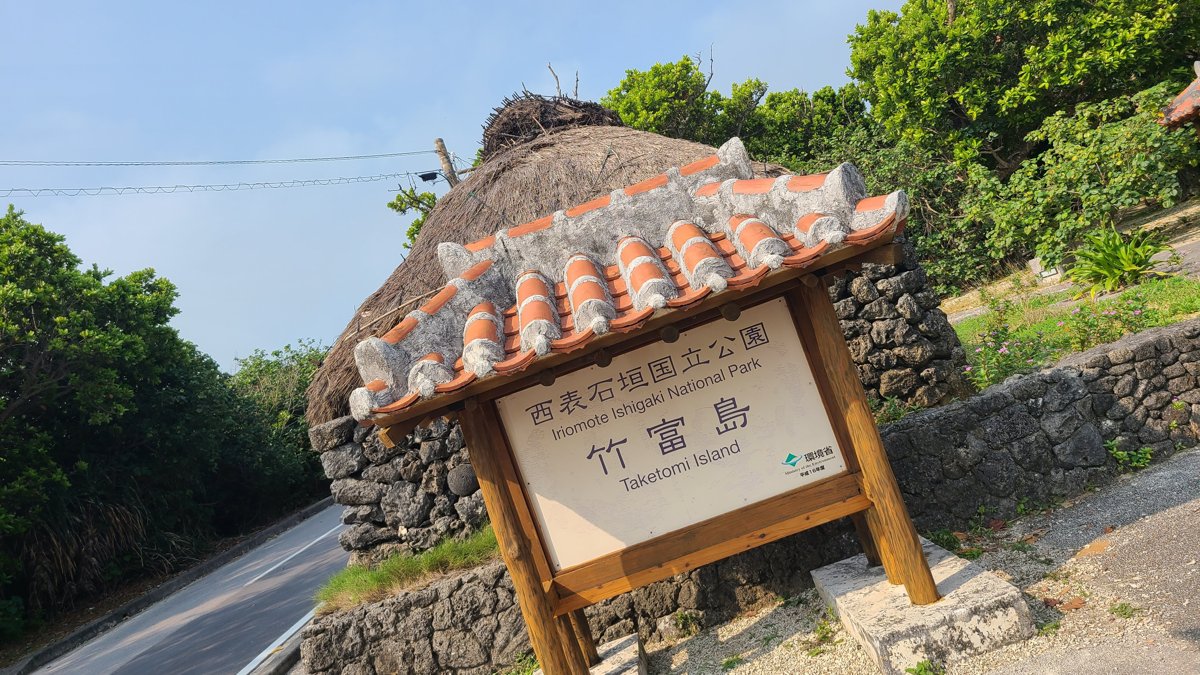
- How to pay: buy an entry ticket, known as the "Utsugumi ticket" (utsugumi is an island word for the spirit of working together). Ticket machines stand in the Ishigaki terminal, by the exit between high-speed boat gates 4 and 5, and in the Kariyushi-kan building at Taketomi Port, next to the shop. Look for the banner about the entry fee. Tickets are also sold at places around the island.
- What it pays for: protecting the island's nature (including buying land to protect it), running the foundation and collecting the fee. If needed, up to 1/3 goes to a fund for buying land to protect it.
The village: people live here
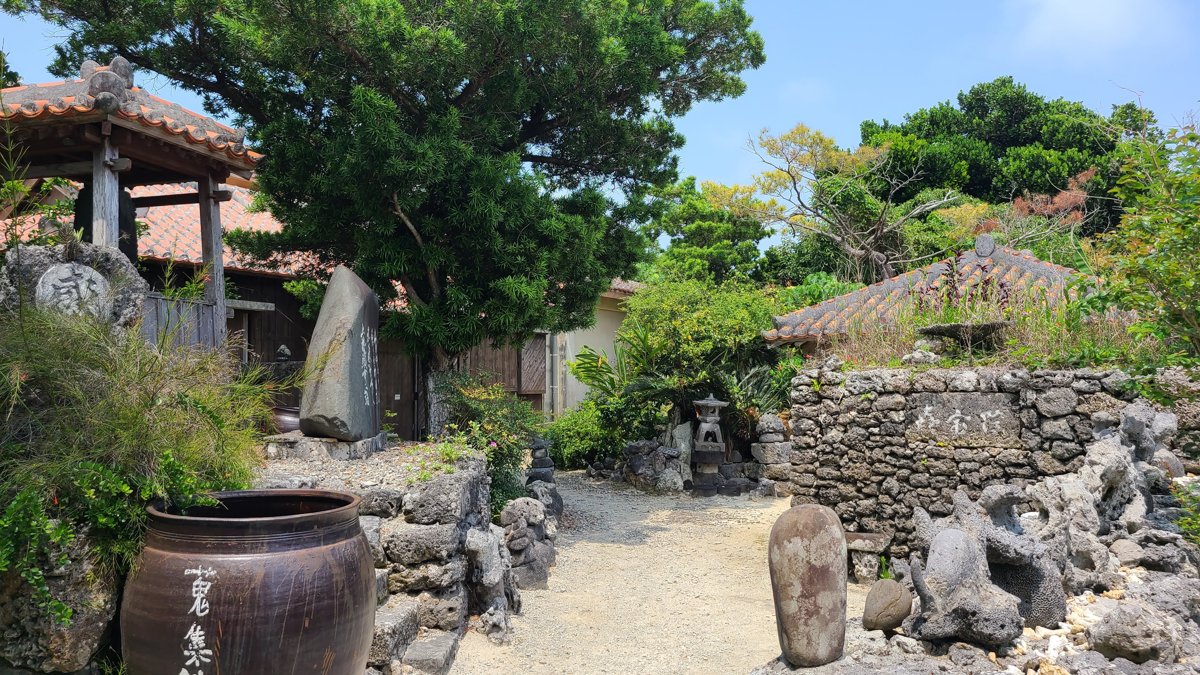
The village of Taketomi is a preserved historic district, and the houses with red tile roofs are homes, not a museum. The Taketomi Island Visitor Center (Yugafukan) says the white sand roads and the beaches are kept clean by the islanders' own work, and asks visitors to read its 9 requests before sightseeing:
- Don't go inside the stone walls around houses. Inside the wall is private land.
- No swimwear or bare chests away from the beach. The island is where people live their daily lives.
- Don't enter the places of worship at the utaki (utaki are the island's sacred sites).
- No camping or sleeping out: stay only at places to stay.
- Don't take flowers, shells, fish or butterflies. Look at them and leave them as they are.
- Take your own trash home. The island's small facility can't handle all the trash.
- Follow the traffic rules, and don't block the roads.
- No drones anywhere on the island.
- Filming for business needs permission from the head of the Taketomi community center.
Taketomi Town's responsible tourism page adds a few more: greet islanders with a smile, don't peek into people's yards, and if you come across an utaki or a grave, don't go in but put your hands together from a distance. Brush the sand off your sandals before you go into shops, restaurants or boats. The town also notes that early in the morning, the sand roads the islanders have swept look their best.
2 places help you understand the village. Yugafukan, about 2 minutes' walk from the port, is the visitor center of Iriomote-Ishigaki National Park on the island: it is open 8:00-17:00 (closed during typhoons), entry is free, and it recommends watching its film of about 7 minutes before you walk around. The Former Yonaguni Family House, built in 1913, is a National Important Cultural Property and a typical island home, about 15 minutes' walk from the port. Take off your shoes or beach sandals before going inside, and don't smoke on the grounds.
Getting around the island
According to Yaeyama Kanko Ferry, the island is small enough to see by bicycle or on foot, and it has no large commercial facilities, only small local restaurants and guesthouses. The best-known way to see the village is a water buffalo cart: a buffalo pulls a cart slowly through the village for about 25 minutes while the driver plays the sanshin (a three-stringed Okinawan instrument) and talks about the island in Japanese. If you ride a bicycle, remember request 7: keep to the traffic rules and don't stop where you block the narrow roads.
Beaches and the sea
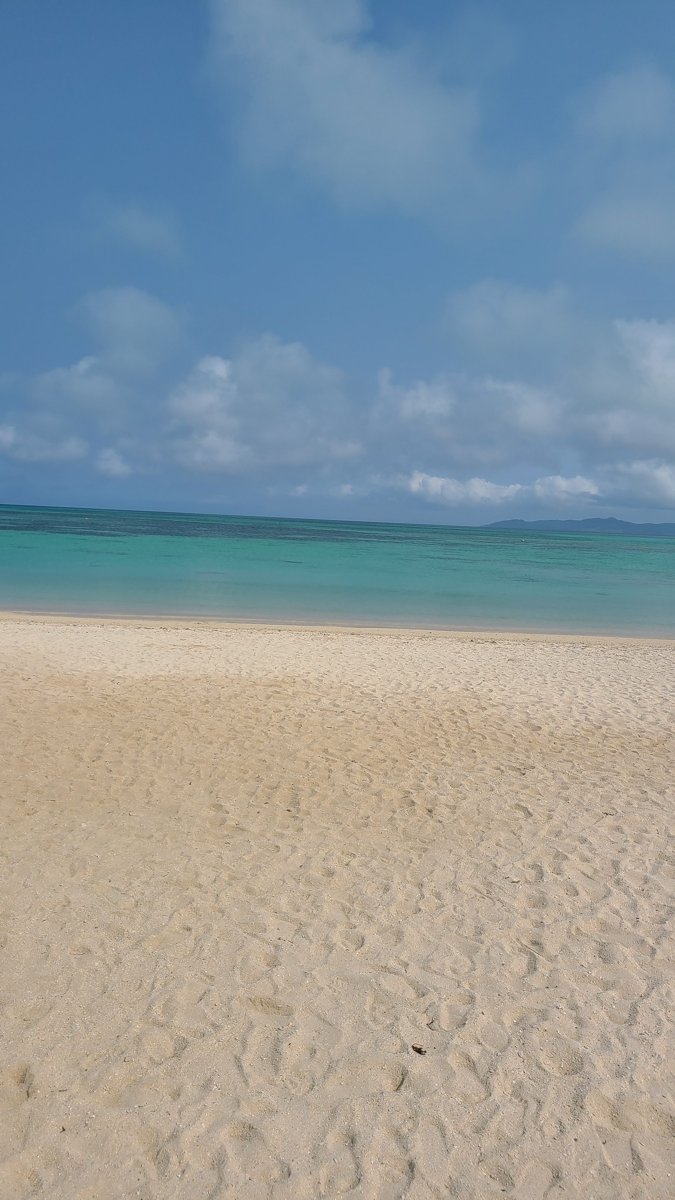
Yaeyama Kanko Ferry names 3 places by the sea: Kaiji Beach, where the sand is mixed with tiny star-shaped shells known as "star sand"; Nishi Pier, an old pier and a favorite spot for sunsets; and Kondoi Beach, with shallow water and fine white sand. Taketomi Town warns that almost all the island's beaches are natural, with almost no rescue or first aid on hand. It asks swimmers to go with at least 2 people and a life jacket or other float, never to swim after drinking or when unwell, and to check the weather, currents and dangerous sea life first. The island has only a small clinic for residents, so protect yourself from the strong sun with a hat, sunscreen, water and salt. For jellyfish and beach flags, see our guide to Okinawa's sea.
Weather and cancelled boats
The ferries stop when the sea is rough, and a route can be cancelled even on a sunny day. On October 14, 2026, for example, Yaeyama Kanko Ferry cancelled its high-speed boats to Uehara on Iriomote Island and to Hatoma Island because of rough seas, while the Taketomi route ran as normal. Both companies post each day's operation status on their websites, and Anei Kanko also offers email updates. If a typhoon is coming, check the status the evening before and again in the morning, and don't plan your day around the last boat back.
Back on Ishigaki: Ishigaki-jima Shonyudo cave
Ishigaki-jima Shonyudo is the largest limestone cave on Ishigaki, formed over 200,000 years from an old coral reef. Inside are stalactites, fossils such as giant clam shells that show the cave was once under the sea, a hall of stone columns about 40 m long, 20 m wide and 6 m high, and a section with illuminations.
- Hours: 9:00-18:30 (last entry 18:00).
- Admission: adults 1,200 yen; children (from 4 years old to junior high school age) 600 yen.
- Getting there: at 1666 Ishigaki, about 4 km north of the town center on Route 208: about 8 minutes by car from town and about 30 minutes from the airport.
- Check the name: the cave warns that there is a similar cave nearby, so make sure the place is called "Ishigaki-jima Shonyudo".
- Photos: the cave doesn't allow photos taken inside to be used commercially without permission, so this page shows no photos from inside.
Kabira Bay: Ishigaki's best-known view
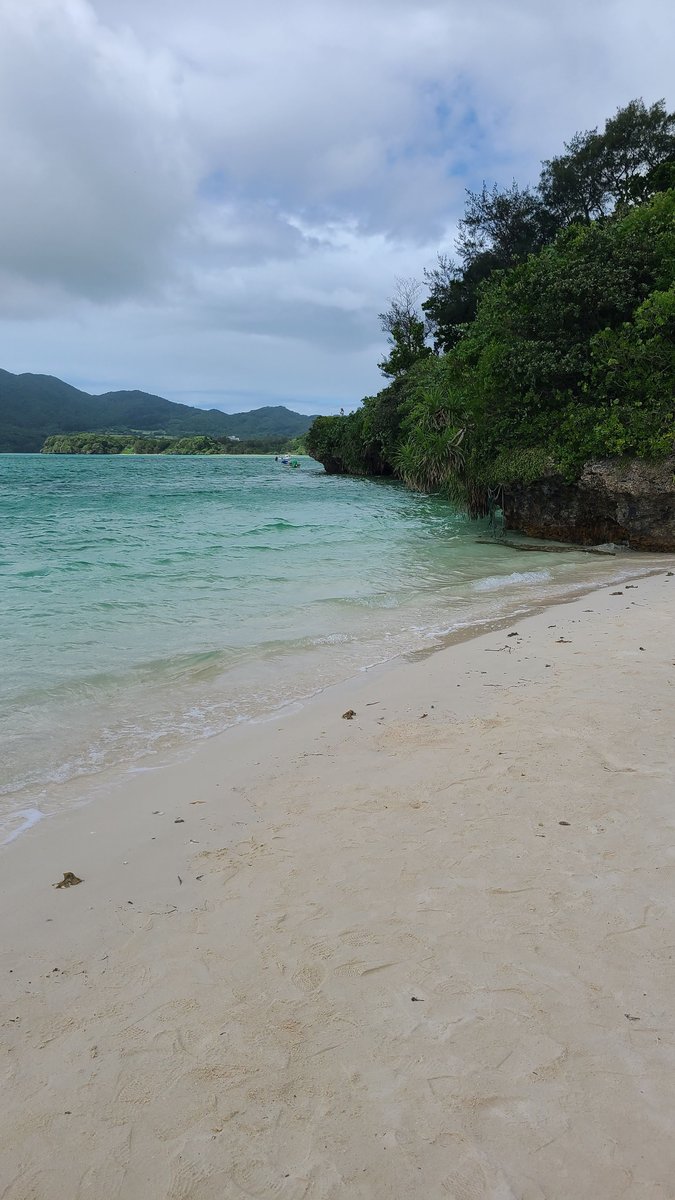
Kabira Bay, on the north-west coast of Ishigaki (Okinawa), is often called the most beautiful spot on the island: deep blue water, white sand and small green islands, 9 of which dot the mouth of the bay. Japan's national government designated it a Place of Scenic Beauty, together with nearby Mount Omoto, on September 11, 1997. It is also part of Iriomote-Ishigaki National Park, and the Ishigaki City Tourism Association notes that it has 3 stars in the Michelin Green Guide. Black pearls have been farmed in the bay since the Taisho era (1912-1926).
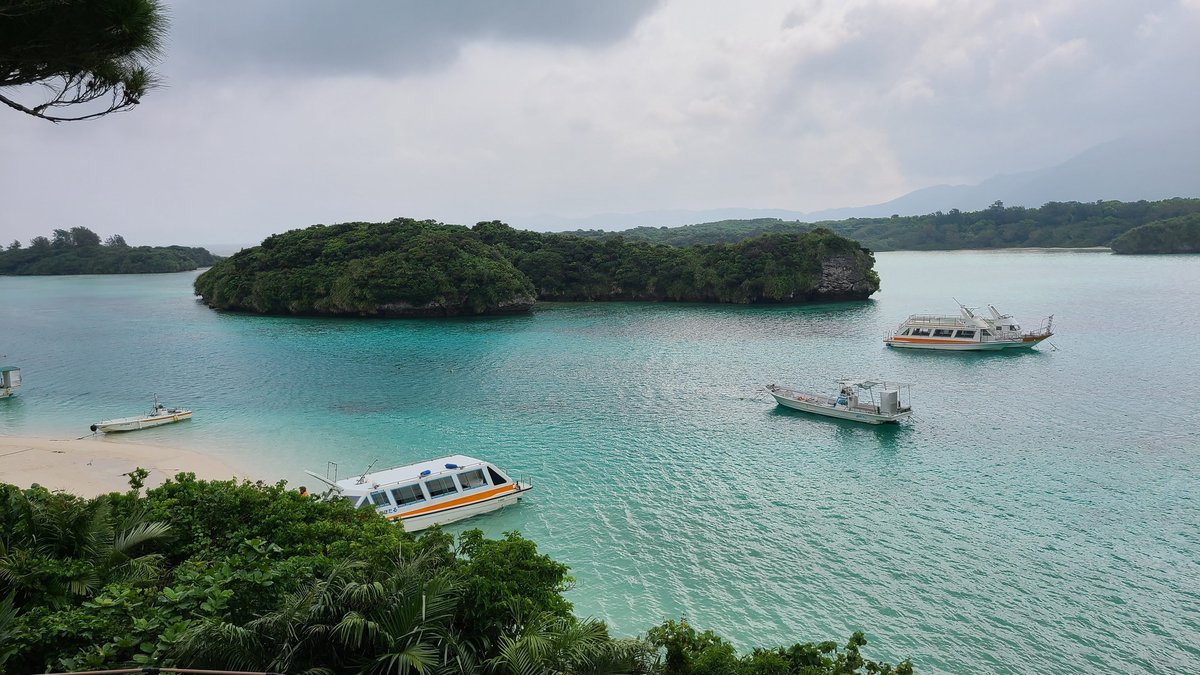
- No swimming: the Okinawa Convention & Visitors Bureau says the current inside the bay is fast, so swimming isn't allowed. The bay looks calm, but enjoy it from the shore or from a glass-bottom boat.
- The view from above: Ishigaki City says Kabira Park, by the bay, has high ground that looks out over the whole bay.
- By car: about 30 minutes from the ferry terminal and about 40 minutes from the airport, according to Kabira Marine Service.
- Parking: the city's Kabira Park Parking is open 24 hours and has 2 lots, for 46 and 32 cars. It costs 200 yen for the first hour and 100 yen for each hour after that. Since May 1, 2026, the city has streamed a live camera of the parking lot on its tourism YouTube channel, so you can see how full it is before you go.
- By bus: Azuma Bus runs local buses to Kabira, including the No. 9 Kabira Resort Line, from its bus terminal in Misaki-cho, the same district as the ferry terminal. Get off at Kabira Koen-mae (Kabira Park). On the timetable in force from February 2026, the ride takes about 45 minutes and buses are a few hours apart, so check the time of your bus back.
- Taxis: the tourism association notes that there is no taxi stand at sightseeing spots such as Kabira Bay, and suggests hiring a taxi by the hour.
Glass-bottom boats on Kabira Bay
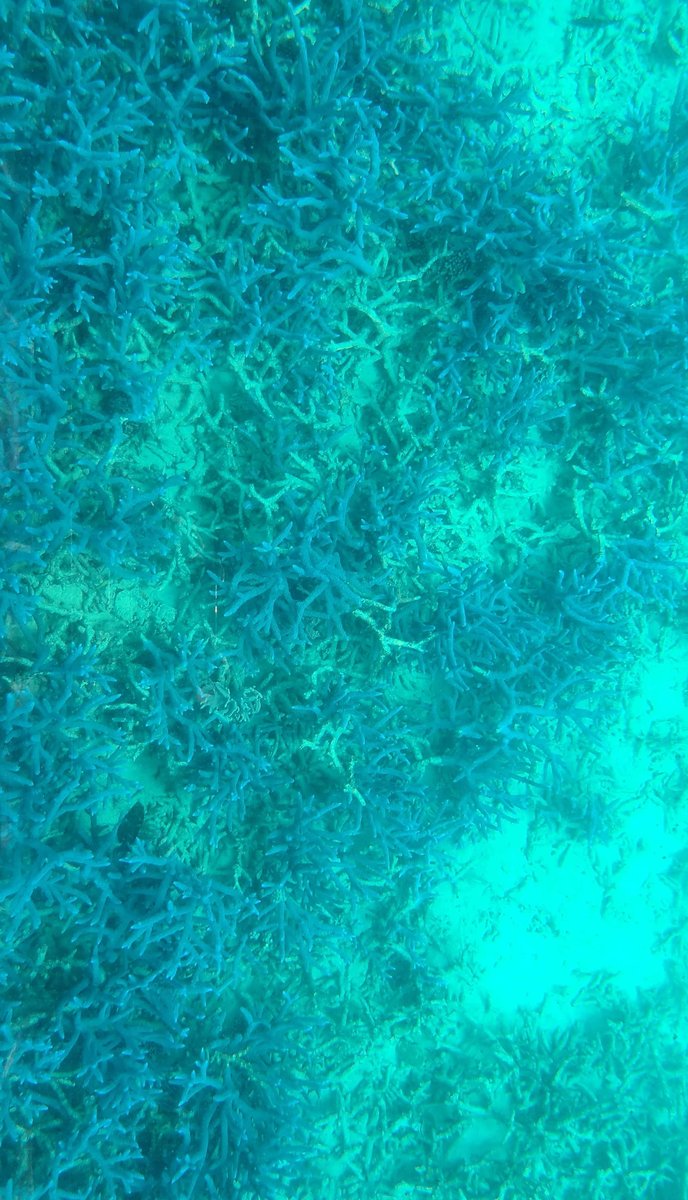
Since you can't swim in the bay, a glass-bottom boat is the way to see its coral: the Ministry of the Environment notes that the bay's underwater scenery can be enjoyed from one. Kabira Marine Service, a local company founded in 1985, describes its boats like this:
- Time: about 30 minutes on the boat.
- Boats: the first leaves at 9:00 and the last at 17:00, about every 15 minutes. Times can shift with conditions.
- Where to go: the company's counter inside the Kabira Community Facility.
- Booking: you can book and pay online in advance; the company's site links to booking pages in English, Korean and Traditional Chinese. By phone: +81-980-88-2335 (9:00-17:00).
- Weather: trips can be cancelled because of the sea conditions on the day, and there is no cancellation fee when the trip is called off for weather. You don't get wet on the boat, but bring rain gear on rainy days. Children can ride from 0 years old.
- Parking: the company has 10 free spaces for its customers. When they are full, use the city's paid parking.
Ishigaki Yaima Village and its squirrel monkeys
Ishigaki Yaima Village is a theme park on a hill above Nagura Bay, on the west side of Ishigaki. It recreates an old Yaeyama village: its red-tiled houses, all over 100 years old, are registered National Tangible Cultural Properties, and you can go inside them. One of them, the Makishi House, was built in 1923 and moved here and rebuilt in 1984; it hosts a show of Yaeyama folk songs and dances 4 times a day (10:00, 12:00, 14:00 and 15:30, about 20 minutes each). The village also has a mangrove walk partly on a wooden boardwalk, a pond for water buffalo, and a crested serpent eagle, a protected species, that can no longer fly after breaking a wing in a traffic accident.

- Hours: 9:00-17:30 (last entry 17:00), open every day, but it may close or change hours for typhoons.
- Admission: adults (junior high school age and older) 1,200 yen; children (from 3 years old to elementary school age) 600 yen. You can go in and out as often as you like on the day. Tickets bought online in advance are 10% off.
- Getting there: at 967-1 Nagura: about 30 minutes by car from the airport and about 20 minutes from the ferry terminal. By local bus, get off at Moto-Nagura (1 minute's walk) or Yaimamura-iriguchi (7 minutes' walk); buses are few, so check the time of your bus back. Phone: +81-980-82-8798.
The Squirrel Monkey Forest is home to more than 60 Bolivian squirrel monkeys, all born on the island, living in subtropical woodland. They are small enough to sit on your hand, and they sometimes climb onto visitors' hands and shoulders. The village's rules for the forest:
- Leave your bags on the shelves before the entrance, and hold valuables such as your wallet and phone in your hand.
- Empty your pockets: the monkeys put their hands in them.
- Your clothes may get dirty, especially on rainy days.
- Don't chase or grab the monkeys. Wait for them to come to you.
Note that feeding the squirrel monkeys stopped on July 20, 2026: the village says it couldn't keep running the feeding in its old form with the monkeys' safety first. You can still go into the forest, and the village says that if you stay still, the monkeys may climb onto you. Pets can't go near the forest. If you want photos, the village says personal photos need no application, but it bans drones, climbing the stone walls and photographing other visitors, and shooting for business needs permission in advance.
Yaeyama soba
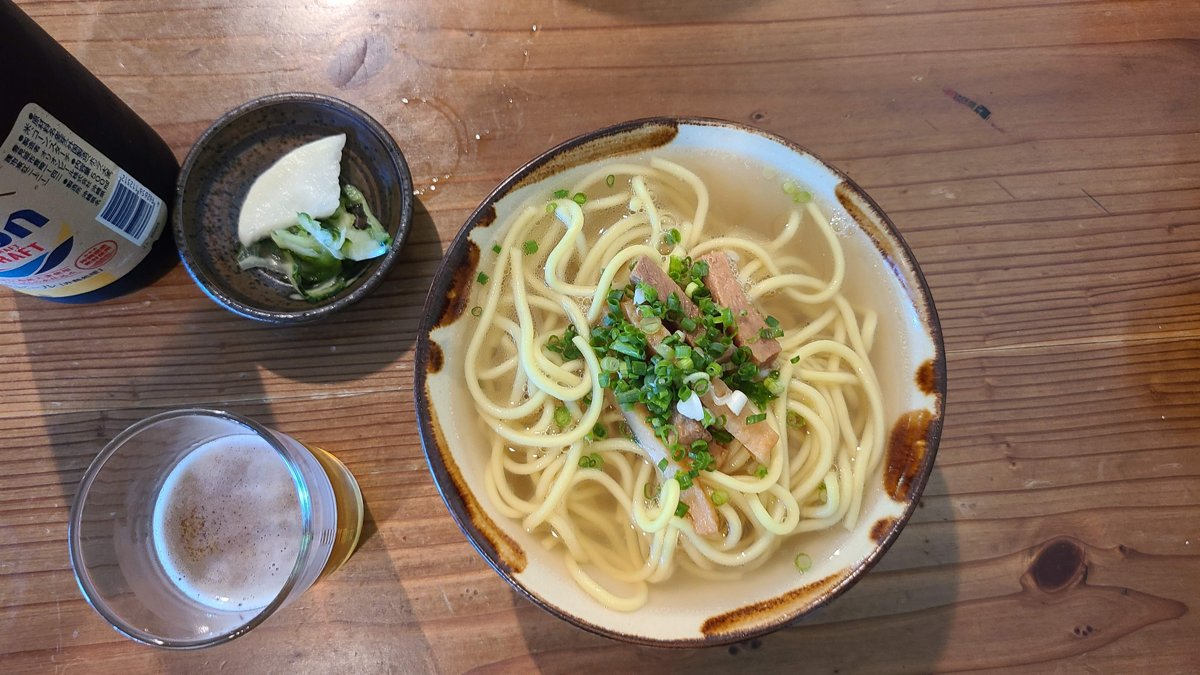
Okinawa soba isn't made from buckwheat: according to Japan's Ministry of Agriculture, Forestry and Fisheries, the noodles contain no buckwheat flour, and the soup is made from pork and bonito broth. The ministry notes that each area has its own style, such as "Miyako soba" from the Miyako Islands and Yaeyama soba from the Yaeyama Islands, the area around Ishigaki and Taketomi. It is an everyday dish, eaten at home and in restaurants.
Where to eat on Ishigaki: tuna and miso soba
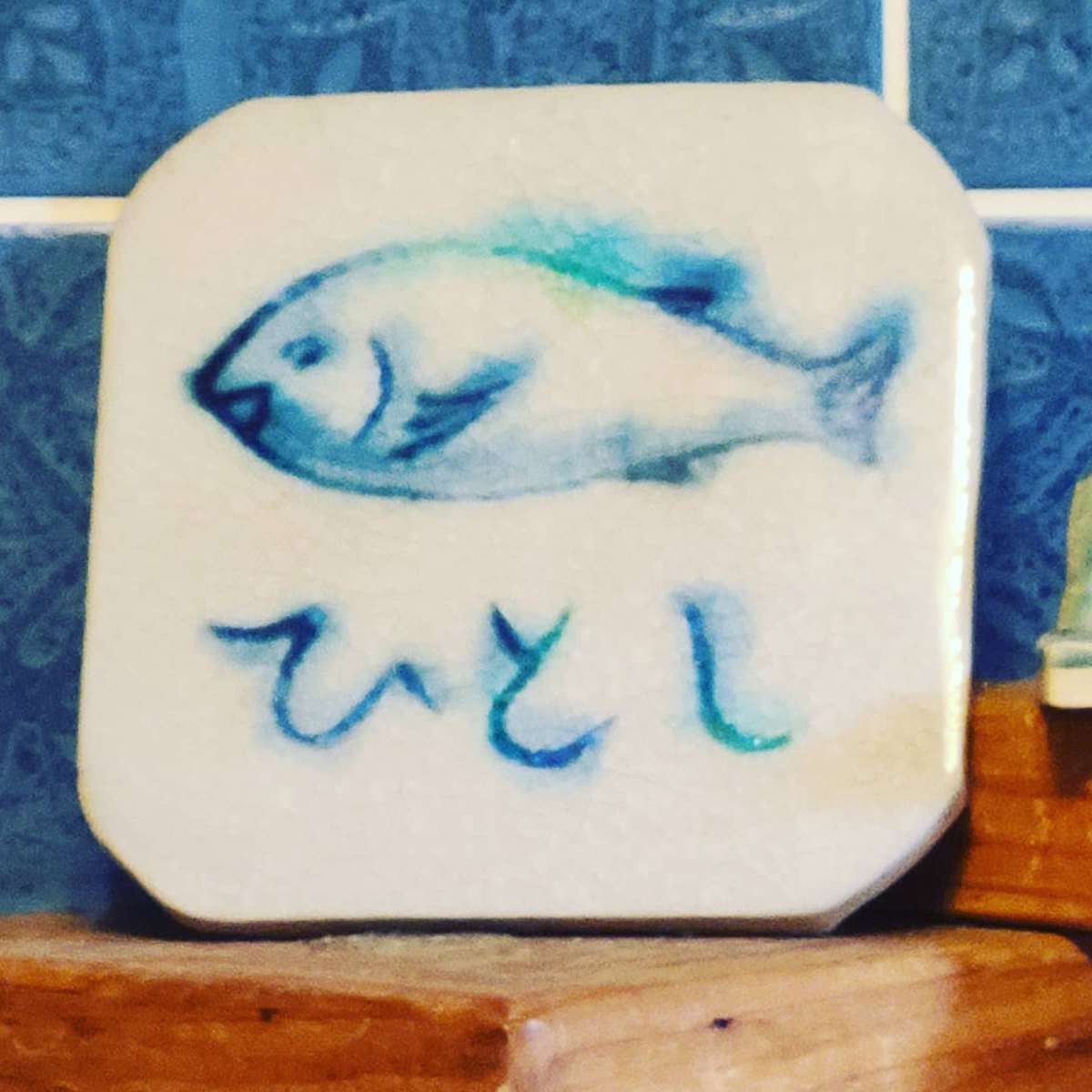
Hitoshi is a well-known izakaya (a Japanese pub where you order small dishes to share with your drinks) in Ishigaki's town, specializing in tuna. Restaurant guides list its main branch (honten) in the Shinei-cho area and its Ishiganto branch in the Okawa area. It is very popular, and restaurant guides say you need a reservation. Opening hours differ between guides, and the main branch is listed as closing on irregular days, so call before you go. Main branch: +81-980-83-9610 (0980-83-9610 inside Japan). If you don't speak Japanese, your hotel's front desk may be able to call for you.
Kimi Shokudo is a small, casual diner (shokudo) in the Tonoshiro area of Ishigaki's town that has been open for more than 50 years, according to the travel guide Rurubu. It is known for its miso soba: noodles in a broth of chicken and pork bones with homemade Miyako miso (miso made the way it is on the Miyako Islands, another group of islands in Okinawa). Travel guides list it as open from 10:00 to 16:00, closing earlier when the soba sells out, and closed on Thursdays. Hours can change, so call to check before you go: +81-980-82-7897 (0980-82-7897 inside Japan).
My visit
In May 2021, I ate at Hitoshi's main branch, and the tuna was as good as ever. Hitoshi is a place where a reservation is a must. On March 30, 2021, I had miso soba at Kimi Shokudo. Back then, an obaa (Okinawan for "grandma") was running the shop all by herself, and the soba was delicious. In my photo, it came topped with a fried egg, green onions and lettuce.
Hateruma Island and the Southern Cross
Hateruma is Japan's southernmost inhabited island, about 53 km south-west of Ishigaki, according to the travel guide Rurubu. Anei Kanko runs high-speed boats from Ishigaki Port: about 60 to 70 minutes on its small high-speed boats, or 80 to 90 minutes on its larger boat, the Paijima 2. Boats can be cancelled in rough weather, so check Anei Kanko's operation status on the day and leave some room in your plans in case you can't get back when you expected.
Hateruma is also known as one of the few places in Japan where you can see the Southern Cross. According to an article on the Ishigakijima Astronomical Observatory, it can only be seen from the far south of Japan, such as the Yaeyama Islands; all 4 stars appear low over the southern horizon from around December to around June, and in May the best time is around 21:00 to 22:00. A deputy director of the National Astronomical Observatory of Japan has written that even from Hateruma it rises only about 2 degrees above the horizon, so clouds near the horizon can easily hide it. Northern Ishigaki and all of Taketomi Town, which includes Hateruma, are part of Iriomote-Ishigaki National Park, which the International Dark-Sky Association certified as a Dark Sky Park in 2018. Some guides say the island's star-watching tower has been closed, so check before you plan around it.
My visit
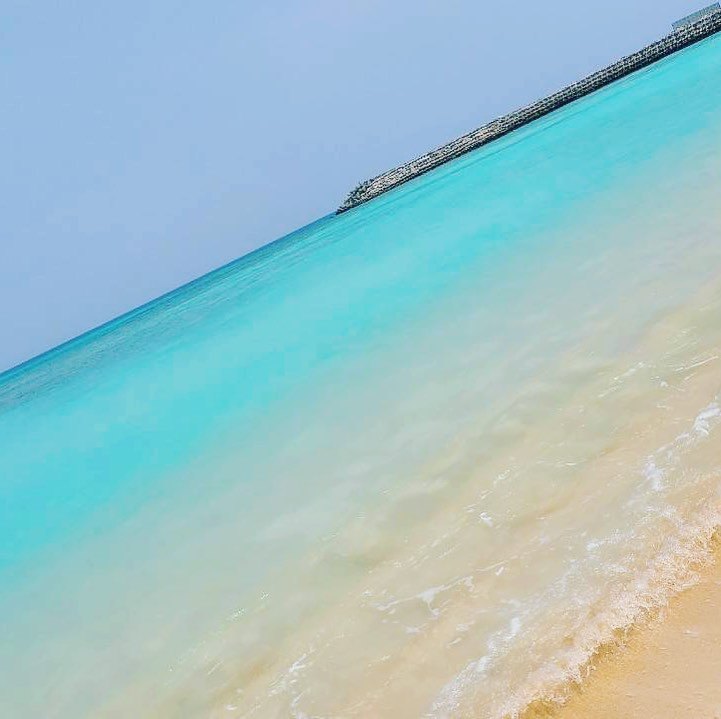
I went to Hateruma to see the Southern Cross and stayed 1 night, on March 31, 2021. The sea around the island is called "Hateruma Blue", and it was truly beautiful. In the evening I went to an izakaya on the island and drank Awanami, Hateruma's own awamori (Okinawa's rice liquor), which is very easy to drink. I also bought bottles at a liquor shop on the island. It comes from a small distillery that makes only a little, so off the island, in the rest of Okinawa and on Japan's main islands, it sells for a much higher price. I didn't take photos of the night sky on Hateruma.
Stargazing at Hirakubo-zaki, Ishigaki's northern tip
Hirakubo-zaki is the cape at the northern tip of Ishigaki, with a white lighthouse on a hill that looks out over the East China Sea on one side and the Pacific Ocean on the other. A tourism guide supervised by the Ishigaki City Tourism Association says it is about 40 minutes by car from Ishigaki Airport, free and open at any time, with a toilet, and that the parking lot is small, so at busy times you may have to wait for a space. The same guide says the stars at night are beautiful here. It is windy by the sea, so hold on to hats and parasols.
My visit
On the night of May 16, 2021, I went to the lighthouse near Hirakubo-zaki, a spot for seeing the stars, and the Big Dipper was clearly visible.

A simple day plan
- Morning: take a morning boat from Ishigaki, buy your entry ticket and walk to Yugafukan for its short film.
- Retty: Hitoshi main branch (Japanese)
- Tabelog: Hitoshi Ishiganto branch (Japanese)
- Rurubu: Yaeyama soba on Ishigaki, including Kimi Shokudo (Japanese)
- Nap Camp Magazine: noodle shops on Ishigaki, including Kimi Shokudo (Japanese)
- Anei Kanko: Ishigaki-Hateruma timetable (Japanese)
- Rurubu: Hateruma Island (Japanese)
- Nippon.com: Ishigakijima Astronomical Observatory and the Southern Cross (Japanese)
- Junichi Watanabe, National Astronomical Observatory of Japan: the Southern Cross (Japanese)
- Ryukyu Shimpo: Iriomote-Ishigaki National Park certified as a Dark Sky Park (Japanese)
- GOOD LUCK TRIP (supervised by the Ishigaki City Tourism Association): Hirakubo-zaki (Japanese)
- Late morning: see the village by water buffalo cart, bicycle or on foot, staying on the roads and outside the stone walls.
- Afternoon: a beach, then back to the port. The last boats back leave at 17:50, but an earlier boat leaves time for more on Ishigaki.
- Late afternoon: the cave is open until 18:30 (last entry 18:00), and Yaeyama soba makes an easy meal.
My visit
I spent March 31 to April 1, 2021, on Taketomi Island, walking around the village and along the beaches. In my photos from that trip, red-tiled roofs peek over the coral stone walls, bright pink bougainvillea hangs over the white sand roads, and off the beach the sea stays pale blue and shallow far out from the shore. On April 2, 2021, I visited Ishigaki Yaima Village, and in the Squirrel Monkey Forest 3 squirrel monkeys came right up to the feet of the person I was with. I went to Kabira Bay 3 times, on March 30, April 3 and May 17, 2021. On the first visit I took a glass-bottom boat, and through the glass the sea floor was covered with blue branching coral. In May 2021, I also went into Ishigaki-jima Shonyudo cave and had a bowl of Yaeyama soba on Ishigaki.
Quick checklist
- Check the ferry's operation status on the day, especially when a typhoon is near.
- Bring cash: Taketomi Port takes cash only for ferry tickets.
- Have 300 yen per person for the entry fee.
- Pack something to wear over swimwear, a hat and sunscreen, and a bag for your trash.
- Staying a night or two? See our guide to where to stay in Ishigaki.
Last reviewed: October 15, 2026. Timetables, fares and rules can change. Please check the official pages below before you go.
References
- Yaeyama Kanko Ferry: routes, timetables and fares (Japanese)
- Yaeyama Kanko Ferry: buying tickets (Japanese)
- Yaeyama Kanko Ferry: English page
- Anei Kanko: Ishigaki-Taketomi timetable and fares (Japanese)
- Anei Kanko: booking (Japanese)
- Anei Kanko: operation status (Japanese)
- Taketomijima Regional Foundation: entry fee (Japanese)
- Taketomijima Regional Foundation: about the foundation (Japanese)
- Taketomijima Regional Foundation: Former Yonaguni Family House (Japanese)
- Taketomi Island Visitor Center Yugafukan: requests to visitors (Japanese)
- Taketomi Island Visitor Center Yugafukan: about the center (Japanese)
- Taketomi Town: responsible tourism (Japanese)
- Ishigaki-jima Shonyudo: official site (Japanese)
- Agency for Cultural Affairs, Cultural Heritage Online: Kabira Bay and Mount Omoto (Japanese)
- Ministry of the Environment: Iriomote-Ishigaki National Park sights (Japanese)
- Okinawa Convention & Visitors Bureau: Kabira Bay (Japanese)
- Ishigaki City Tourism Association: about Ishigaki (Japanese)
- Ishigaki City Tourism Association: notes on taxis and buses (Japanese)
- Ishigaki City: Kabira Park (Japanese)
- Ishigaki City: Kabira Park Parking (Japanese)
- Ishigaki City: live camera of Kabira Park Parking (Japanese)
- Azuma Bus: routes and timetables (Japanese)
- Kabira Marine Service: glass-bottom boats (Japanese)
- Kabira Marine Service: FAQ (Japanese)
- Ishigaki Yaima Village: official site, including the notice on squirrel monkey feeding (Japanese)
- Ishigaki Yaima Village: hours, admission and access (Japanese)
- Ishigaki Yaima Village: Squirrel Monkey Forest and folk song show (Japanese)
- Ishigaki Yaima Village: photography rules (Japanese)
- Ministry of Agriculture, Forestry and Fisheries: Okinawa soba