Omamori: How to Choose, Carry and Return a Japanese Shrine Charm, and Can You Give One as a Gift?
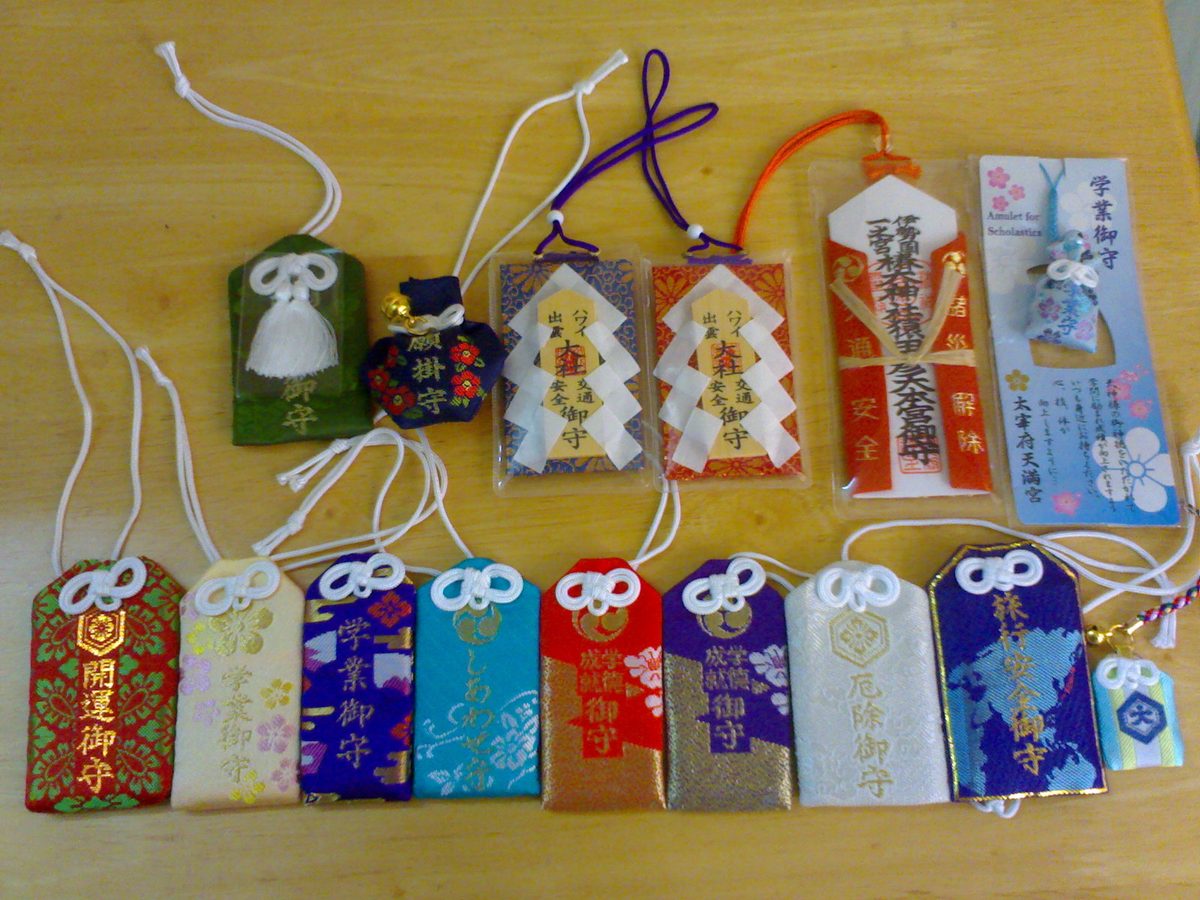
Almost every shrine in Japan has a counter with rows of small, colorful cloth bags: omamori, charms for safe travel, health, exams, love and more. They are one of the most popular things travelers take home. But once you have one, questions come up. Where do you keep it? Can you look inside? Is it all right to carry charms from different shrines together? What do you do with it after a year, especially when you live far from Japan? And can you give one to a friend? This column answers each question with what the Association of Shinto Shrines (Jinja Honcho), the Tokyo Prefectural Shinto Association and major shrines say.
- The short answer: choose, carry, don't open, return
- What an omamori is, and how it differs from an ofuda
- Carrying charms from different shrines together
- Returning it after about a year, even from abroad
- Can an omamori be a souvenir or a gift?
The short answer
Pick the omamori that matches your wish, keep it with you in a bag or pocket, and don't open it. Shrines suggest receiving a new one each year and returning the old one to a shrine, though you may keep it until your wish comes true. Carrying charms from several shrines at once is fine: shrines say the kami don't quarrel. Never throw an omamori in the trash.
What an omamori is
The Tokyo Prefectural Shinto Association explains that an omamori is a small version of an ofuda, the paper or wooden talisman that people keep on the household altar (kamidana) at home. Inside the bag is a slip of wood or paper with the shrine's name. A priest purifies and blesses the charms before the shrine gives them out, so they are treated as holding a share of the kami's spirit. That is why the shrine counter is called the juyosho, the place where charms are "given," and why Jinja Honcho describes an omamori as something you keep with you at all times for the kami's protection, while an ofuda protects the home.
Kinds of omamori. The Tokyo Prefectural Shinto Association lists, among many others, charms for protection from bad luck, a good match in love, safe childbirth, traffic safety and success in study, plus the hada-mamori, worn close to the body. According to a sign that Meiji Jingu in Tokyo prepared with the Japan Tourism Agency, its charms cover traffic safety, health and education, and it also offers a charm for couples scented with the shrine's camphor trees. Each shrine has its own designs, so read the labels at the counter and choose the one that matches your wish.
How to carry it, and why not to open it
The same Meiji Jingu sign says omamori are usually attached to or put into a bag, purse or pocket, and kept until they have fulfilled their purpose, and that they should not be opened. The slip inside is the blessed part of the charm, so leave the bag closed, even if you are curious.
This guide follows shrine guidance. If you receive a charm at a Buddhist temple, ask the temple about its own way.
Can you carry charms from different shrines together?
Yes. Many people worry that kami from different shrines will quarrel. Jinja Honcho answers that Japan has countless kami, each with their own virtues, and that they work together to protect us, so there is no need to worry. Ise Jingu in Ise (Mie) goes further: it says the "quarreling kami" story is a folk belief that grew out of an old warning that people with too many charms stop taking care of them, and that carrying several charms means receiving protection from each kami. Ise Jingu even suggests carrying charms from both its Inner Shrine and Outer Shrine together.
Returning it after about a year
Jinja Honcho says omamori, like ofuda, are returned to a shrine at the end of the year to be burned (otakiage), and a new one is received, but it is also fine to keep carrying one until your wish comes true. Meiji Jingu's sign says charms are usually returned once they have served their purpose or are more than a year old, often around the New Year.
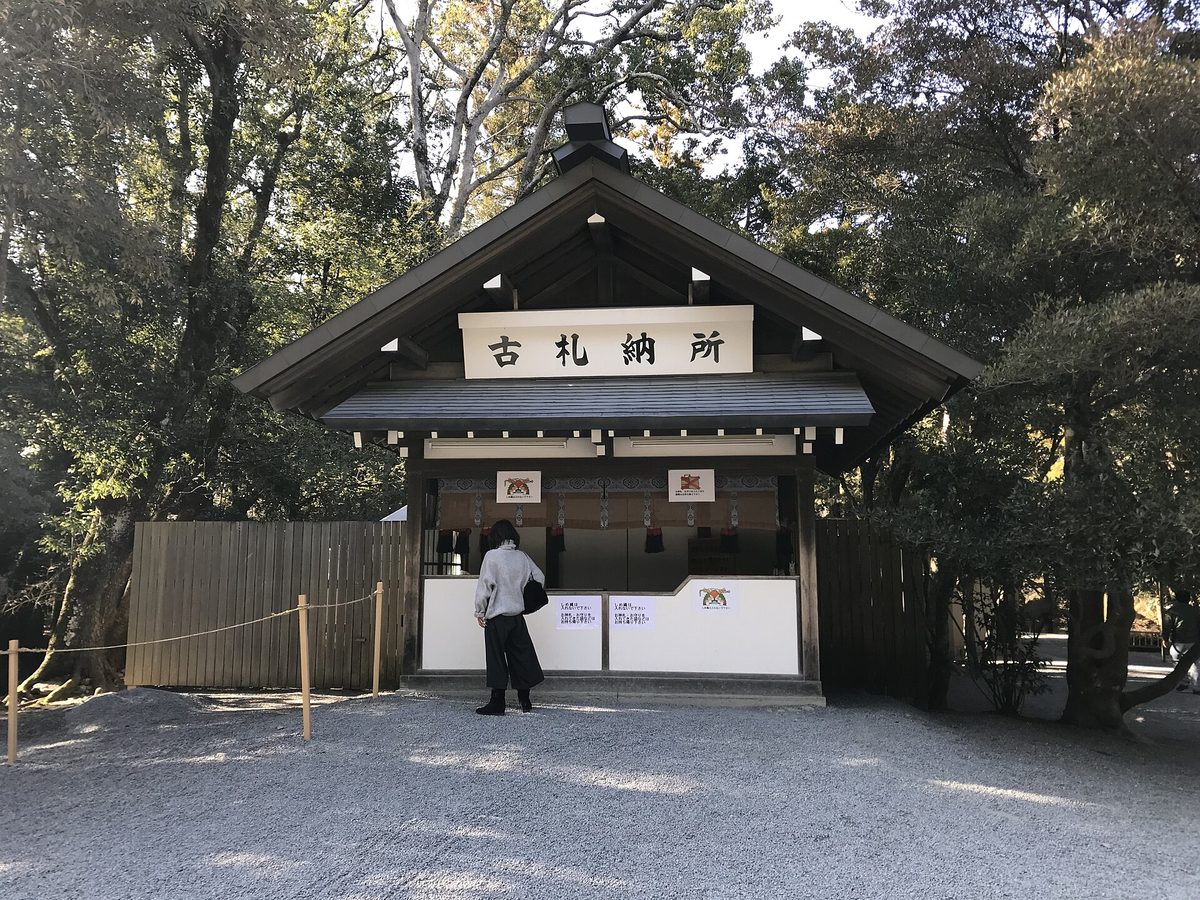
- Where: many shrines have a box or small building for old charms, called a kosatsu osamesho or a similar name. Meiji Jingu's sign asks people to use it only for old charms and talismans, not for trash.
- Which shrine: the Tokyo Prefectural Shinto Association says it is best to return a charm to the shrine where you received it, but charms from a far-away place you traveled to may be returned to a shrine near you, even a different one.
- What happens next: returned charms are burned in a sacred fire. Jinja Honcho notes that many shrines hold fire rites called sagicho or dondo-yaki between New Year's Eve and January 15, the "Little New Year," where New Year decorations, old talismans and charms are burned together.
If you live outside Japan. Jinja Honcho's FAQ says that if you can't go back to the shrine where you received a charm, you can ask a shrine near you, or send it to the shrine where you received it, with a note of thanks. For talismans from a distant shrine, Jinja Honcho also suggests asking the nearby shrine first whether it can take them. So before you mail anything, check the shrine's website or contact it to see whether it accepts charms by post.
Can an omamori be a souvenir or a gift?
As a memory of your own visit, yes. Ise Jingu describes its talismans and charms as given out as a "sign" of your visit, wishing you health and happiness. Taking one home from a shrine that meant something to you fits that well.
As a gift for someone else. We did not find an official shrine page that rules on this either way, so this guide doesn't make a rule up. What the shrines do say gives a few practical hints. An omamori is made for a particular wish and is meant to be carried by the person it protects, so choose one for the other person's wish, such as an exam or safe travel, rather than a design you happen to like. And pass on the basics with it: keep it with you, don't open it, and return it to a shrine when the time comes.
What to do on your trip
- At the counter: read the labels and choose the charm for your wish. Ask the staff if you aren't sure.
- After you receive it: keep it in your bag, purse or pocket, and don't open it.
- Several charms: carrying charms from different shrines together is fine.
- Old charms from a past trip: if you are back in Japan, bring them to a shrine's box for old charms. From abroad, check the shrine's website before sending one by post.
- Never: throw a charm in the trash, or put trash in the return box.
Before you choose a charm, say thank you at the hall. Here is why some visitors only give thanks at a shrine, and our guide to praying at shrines and temples.
Last reviewed: October 18, 2026. Each shrine can set its own way of giving out and taking back charms. Follow the shrine's signs and the official pages below.
References
- Jinja Honcho (Association of Shinto Shrines): Ofuda and omamori (Japanese)
- Jinja Honcho: How to keep ofuda, and when to replace them (Japanese)
- Jinja Honcho: FAQ (Japanese)
- Tokyo Prefectural Shinto Association Q&A: The difference between ofuda and omamori (Japanese)
- Tokyo Prefectural Shinto Association Q&A: What to do with old ofuda and omamori (Japanese)
- Japan Tourism Agency multilingual descriptions: Meiji Jingu, the charm counter (English)
- Japan Tourism Agency multilingual descriptions: Meiji Jingu, the box to return old amulets (English)
- Ise Jingu: A first visit, and questions about ofuda and omamori (Japanese)