Why Are 4 and 9 Unlucky in Japan? Room Numbers, Gifts and the Lucky Number 8
In Japan you may notice a building where the room numbers skip 4 or 9, or hear people count "yon" instead of "shi" for four. It's not a secret rule, just wordplay: in Japanese, four and nine can sound like the words for "death" and "suffering." This guide explains where the idea comes from, where you may meet it, the one situation where a visitor should take it seriously (a gift for someone who is ill), and the number that is considered lucky instead.
- Four can be read shi, like "death," and nine can be read ku, like "suffering"
- Some buildings skip room numbers ending in 4 and 9, but many don't
- For a hospital visit, skip potted plants and cyclamen
- Eight is seen as lucky, because its kanji spreads wider toward the bottom
The short answer: it's a pun
Most kanji have more than one reading. Japan's official list of kanji for everyday use, the Joyo Kanji table published by the government, gives 四 (four) the readings shi and yon, and gives 死 (death) the reading shi. It gives 九 (nine) the readings kyu and ku, and 苦 (suffering) the reading ku. So four and nine can sound like "death" and "suffering." That's all there is to it. How much people care about it differs from person to person.
The "unlucky" readings are not banned. The same table lists ku as the normal reading in 九月 (kugatsu, September), and it lists yon for words like 四階 (yonkai, fourth floor). In everyday counting you'll hear both.
Where you may see it: room numbers and floors
- Some buildings skip numbers. A list of city-owned housing published by the city of Kochi (Kochi Prefecture) shows one building numbered from 1 to 37 with "numbers ending in 4 and 9 left out." The list doesn't give a reason.
- Many buildings don't. In that same list, most buildings are numbered straight through. The room list of Kagawa Prefectural Central Hospital includes rooms such as 509 and 919 on a ninth floor.
- Hotels. Forbes JAPAN published a piece in 2024 by a former hotel employee, who says some hotels, apartments and hospitals don't create rooms numbered 4 or 9, and some buildings have no fourth or ninth floor. The writer's explanation: many guests still care, and requests to change rooms create extra work.
If your hotel room number contains a 4 or a 9, there is nothing you need to do. If the numbers jump, now you know why.
Gifts: a hospital visit is where it matters
The place where this wordplay really counts is a visit to someone who is ill. The department store Takashimaya's gift etiquette guide says people often care about good luck for these visits, and suggests avoiding:
- Cyclamen, because its name (shikuramen) calls to mind shi and ku, death and suffering
- Potted plants, because "taking root" (netsuku) sounds like "being stuck in bed"
- Camellias and sasanqua, whose flower heads drop off whole
- White flowers (loneliness) and deep red flowers (blood)
The same guide notes that many hospitals now don't allow fresh flowers at all, to prevent infection, and that food gifts need a check on the patient's diet first.
Money gifts at a wedding: odd numbers
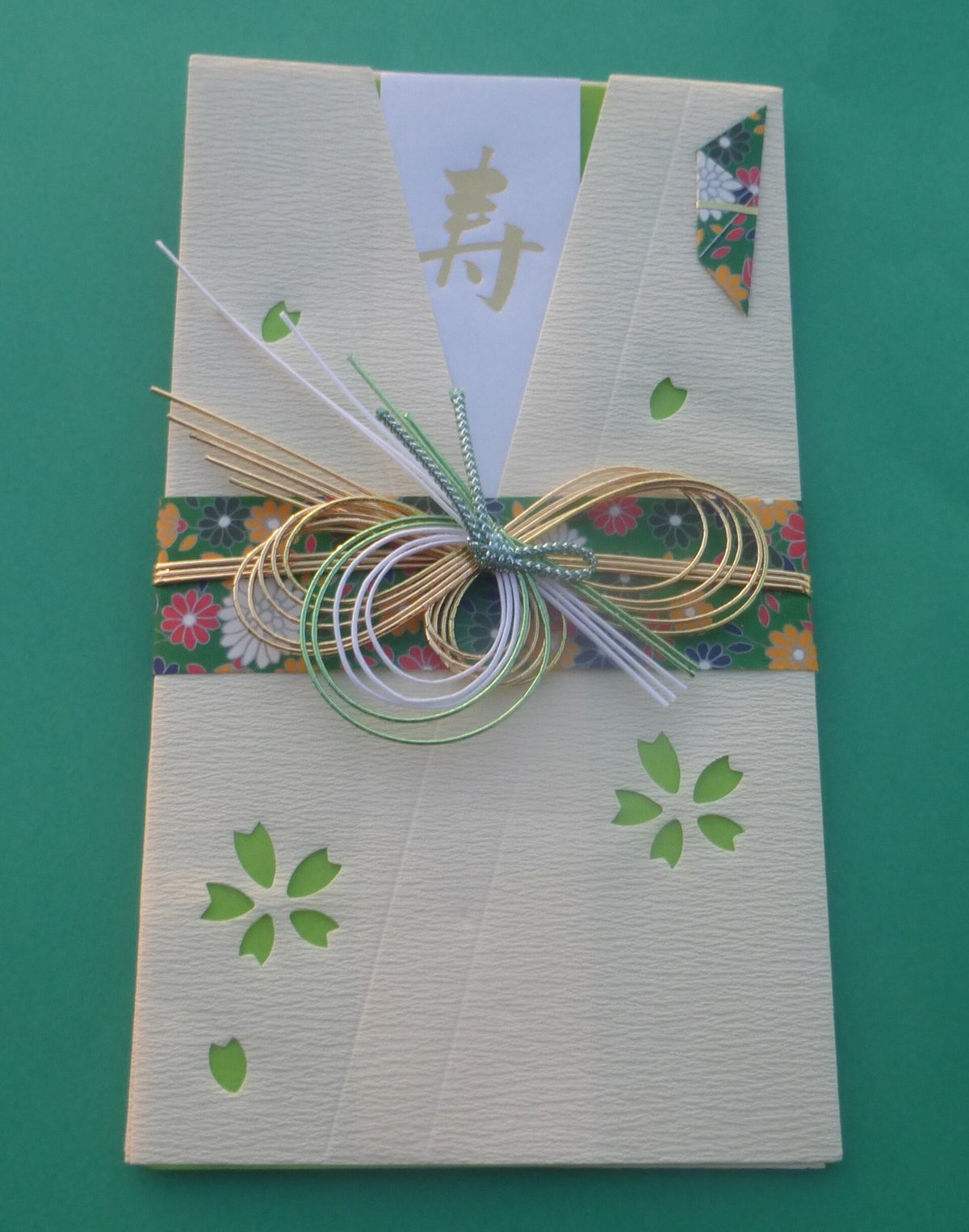
If you're invited to a wedding in Japan, the gift is usually cash in a special envelope. Mitsukoshi Isetan's etiquette guide says odd numbers (1, 3, 5 and so on) are traditional for celebrations, because in yin-yang thinking odd numbers are "yang," a lucky sign. It gives 30,000 yen as a typical amount for a friend or colleague, and 50,000 yen or more for a relative or someone close, and notes that 20,000 or 80,000 yen are also seen today.
The lucky side: eight
Eight has the opposite image. As Shizuoka Shimbun explained in August 2026, the kanji 八 spreads wider from top to bottom, a shape called suehirogari ("widening toward the end"), so eight is seen as a lucky number. For August 8, 2026, the city of Numazu (Shizuoka) prepared commemorative photos for couples registering their marriage at city hall, and Oigawa Railway sold a commemorative ticket set from stations named Kadode ("setting out") and Gokaku ("passing"), limited to 888 sets.
What to do as a traveler
- Hotel rooms and floors: nothing to do. A missing 4 or 9 is just this old wordplay.
- Visiting someone in hospital: ask whether flowers are allowed, skip potted plants and cyclamen, and check diet limits before bringing food.
- A gift in a set: choosing a count other than four or nine is an easy way to avoid any worry.
- Wedding money: an odd amount, in a proper envelope, follows the tradition.
- Counting out loud: yon and kyu are always fine.
More Japanese customs explained: why shoes come off indoors and souvenirs to take home.
Last reviewed: October 18, 2026. Customs differ by family and region; when in doubt, ask.
References
- Agency for Cultural Affairs: Joyo Kanji table (Japanese, PDF)
- Kochi City: List of city housing for smoke alarm replacement (Japanese, PDF)
- Kagawa Prefectural Central Hospital: Room charges (Japanese, PDF)
- Forbes JAPAN: A former hotel employee on missing room numbers 4 and 9 (Japanese)
- Takashimaya: Gift etiquette for visits to the sick (Japanese)
- Mitsukoshi Isetan: Etiquette for money gifts (Japanese)
- Shizuoka Shimbun: Lucky eights on August 8, 2026 (Japanese)