Where to Stay in Tokyo for the First Time: 5 Areas Compared by Airport Access, Evenings and the Hotel Tax
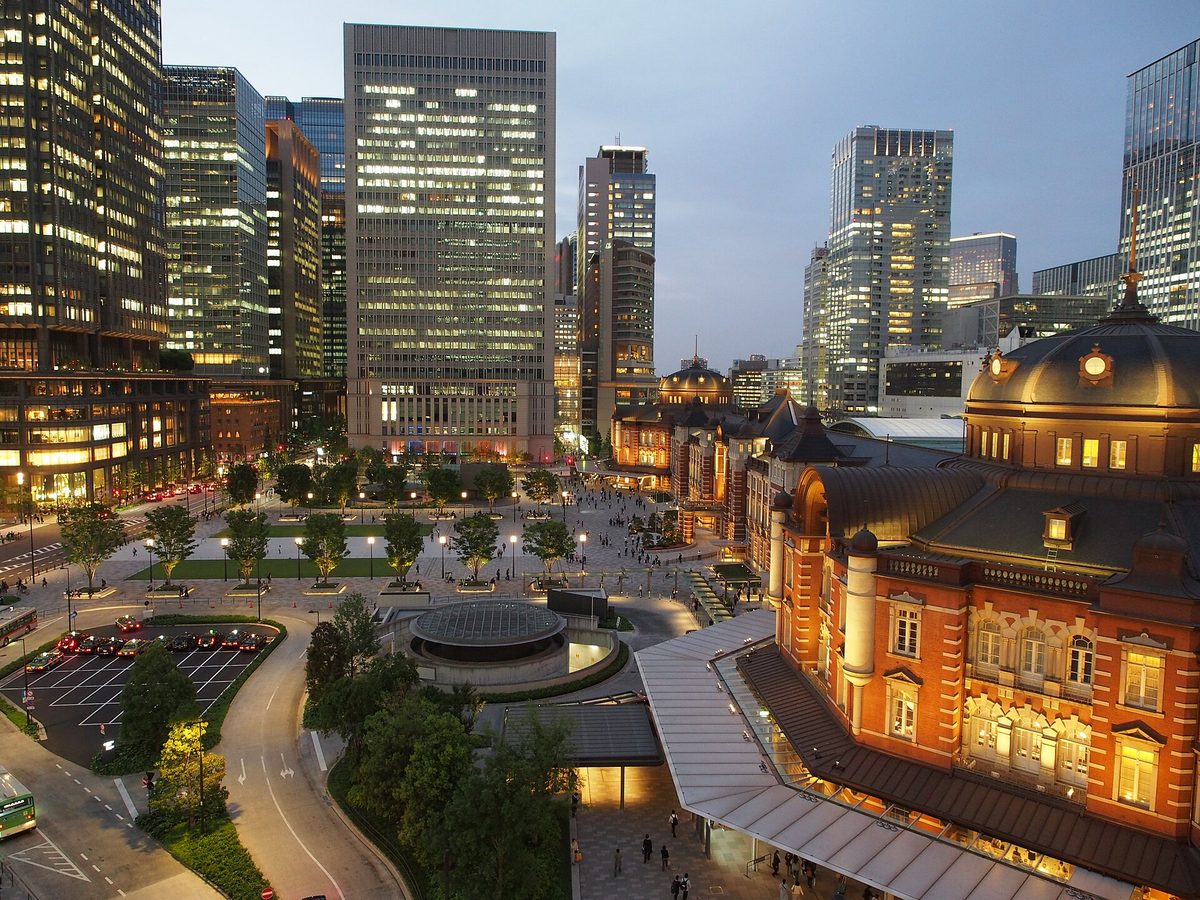
Tokyo is huge, and "which area should I stay in?" is usually the first question on a first trip. For most visitors the answer is one of five areas: Shinjuku (Tokyo), Shibuya (Tokyo), the Tokyo Station and Ginza (Tokyo) area, Ueno and Asakusa (Tokyo), or Shinagawa. This guide compares them by who they suit, how easy they are to reach from Narita Airport and Haneda Airport, what the evenings are like and what to watch out for. It also explains Tokyo's accommodation tax, which changes on April 1, 2027. Fares and times come from the official pages of the airports and railway companies.
Looking at a map of Tokyo with dozens of stations, it's normal to feel a little lost. You don't need the perfect area: a hotel a few minutes' walk from a big station on a line you'll use makes almost any plan easy.
This page may contain affiliate links. If you buy through them, we may earn a commission at no extra cost to you.
- First trip, and you want the most choice and lively evenings: Shinjuku (Tokyo) or Shibuya (Tokyo)
- Landing at Narita Airport or going on by Shinkansen: Ueno for the Skyliner, Tokyo Station and Ginza (Tokyo) for the N'EX
- Temples and an older-town feel: Asakusa (Tokyo) and Ueno
- Landing at Haneda Airport: Shinagawa is about 15 minutes away by train
- Tokyo's accommodation tax is 100 or 200 yen per person per night on rooms of 10,000 yen or more, and becomes 3% from April 1, 2027
The five areas on one map
Most first-time visitors spend their days around the JR Yamanote Line, the loop line that links Shinjuku Station, Shibuya Station, Shinagawa, Tokyo Station and Ueno. Staying near one of its big stations keeps most sights within a short ride. Asakusa (Tokyo) is just outside the loop, near Ueno.
Shinjuku (Tokyo): the most choice, busy until late
- Who it suits: first-time visitors who want a big choice of hotels, restaurants and shops, and lively evenings.
- From the airports: the N'EX runs direct from Narita Airport to Shinjuku Station for 3,330 yen, and the Airport Limousine bus to the Shinjuku Station area is 3,600 yen (see Narita Airport to Tokyo). From Haneda Airport, the airport estimates about 50 minutes by train.
- Evenings: very busy. In the Kabukicho (Tokyo) nightlife area, ignore street touts who invite you to a bar: read bar scams and touts in Tokyo before a night out.
- Good to know: Shinjuku City (Tokyo) bans smoking on the street across the whole ward, so smokers need a designated smoking area.
Shibuya (Tokyo): young, busy and central for the west side
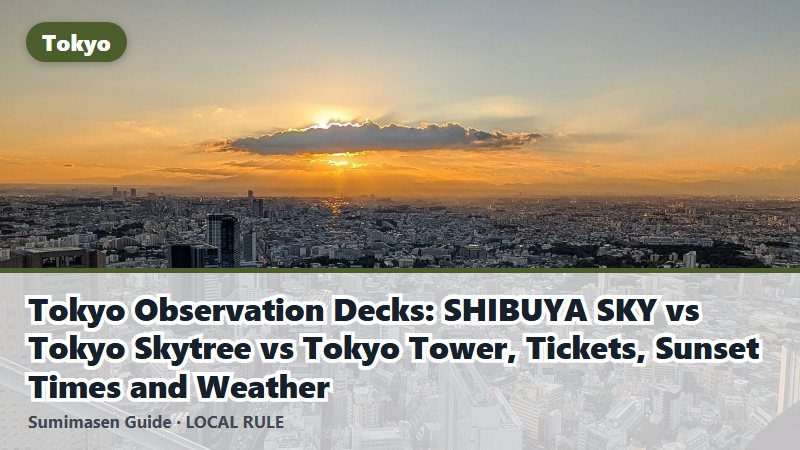
- Who it suits: visitors who want fashion, cafés, nightlife and the views from SHIBUYA SKY (compare it in our guide to Tokyo's observation decks).
- From the airports: the N'EX from Narita Airport to Shibuya Station is 3,330 yen. From Haneda Airport, the airport estimates about 45 minutes.
- Evenings: crowded late into the night. Around Halloween and New Year's Eve, Shibuya City (Tokyo) has special rules on drinking in the street: see the Halloween and New Year's Eve rules in Shibuya (Tokyo).
- Good to know: Shibuya City (Tokyo) can fine you 2,000 yen on the spot for smoking on the street (details in Tokyo's ward-by-ward smoking rules).
Tokyo Station and Ginza (Tokyo): easy for trains and day trips
- Who it suits: visitors who want easy airport and Shinkansen connections, and shopping in Ginza (Tokyo). The Tokaido Shinkansen to Kyoto starts at Tokyo Station, which helps if you go on to Kyoto or Osaka.
- From the airports: the N'EX reaches Tokyo Station from Narita Airport in as little as 53 minutes for 3,140 yen. On a budget, Keisei's Access Express from Narita Airport runs direct toward Higashi-Ginza Station without a limited express fare, but it's slower and the seats aren't reserved. From Haneda Airport, the airport estimates about 30 minutes to Tokyo Station.
- Evenings: a business and shopping district; in our view, calmer late at night than Shinjuku (Tokyo) or Shibuya (Tokyo).
- Good to know: Chiyoda City (Tokyo), home to the red-brick side of Tokyo Station, can fine you 2,000 yen on the spot for street smoking. In Chuo City (Tokyo), which includes Ginza (Tokyo), smoke only at designated spots.
Ueno and Asakusa (Tokyo): temples, museums and the Skyliner
- Who it suits: visitors who want Senso-ji temple, Ueno Park and its museums, and an older-town feel. Arriving at Narita Airport, the Skyliner stops at Ueno.
- From the airports: the Keisei Skyliner runs from Narita Airport to Ueno in 41 minutes for 2,580 yen (adult, paper ticket). From Haneda Airport, the airport estimates about 40 minutes to Ueno or Asakusa (Tokyo).
- Evenings: in our view, quieter than Shinjuku (Tokyo) and Shibuya (Tokyo), with more small local restaurants.
- Good to know: in Taito City (Tokyo), which covers Asakusa (Tokyo) and Ueno, you can't smoke anywhere outdoors from 7 to 9 a.m. except in public smoking areas.
Shinagawa: closest to Haneda Airport
- Who it suits: visitors arriving or leaving through Haneda Airport, or taking the Shinkansen. The Tokaido Shinkansen stops at Shinagawa as well as Tokyo Station.
- From the airports: Haneda Airport estimates about 15 minutes by train to Shinagawa. The N'EX from Narita Airport also stops at Shinagawa Station, for 3,330 yen.
- Evenings: in our view, a practical base for sleeping rather than a nightlife area; the busier districts are a short train ride away.
- Good to know: from Haneda Airport, the airport estimates about 20 minutes to Hamamatsucho, so hotels near Hamamatsucho and Tokyo Station are also easy from Haneda Airport.
Tokyo's accommodation tax
Tokyo charges its own accommodation tax on top of the room price. According to the Tokyo Metropolitan Government's tax bureau, it works like this:
- Until March 31, 2027: for stays at hotels and ryokan (traditional Japanese inns), a room charge of under 10,000 yen per person per night is not taxed; 10,000 yen to under 15,000 yen is taxed 100 yen; 15,000 yen or more is taxed 200 yen.
- From April 1, 2027: the tax becomes 3% of the room charge per person per night, and stays under 13,000 yen are not taxed. It will also cover simple lodgings (kan'i shukusho, a license type many hostels use) and minpaku (private homes rented to travelers). For example, a room charge of 20,000 yen per person per night would be taxed 600 yen.
- What counts as the room charge: the bureau's page for hotels includes service charges but not meals or consumption tax.
The hotel collects the tax for the city, and the bureau notes that you may be asked to pay it at the front desk separately from the price you paid when booking. For a sense of scale, the Japan Tourism Agency's survey found that leisure visitors spent 12,436 yen per person per night on rooms in April to June 2026 (see how much a day in Japan costs), which falls in the 100 yen band. Kyoto and Osaka have their own taxes: see Kyoto's accommodation tax and Osaka's accommodation tax.
Getting around with your luggage
Wherever you stay, the first ride from the airport is the hardest part. A Welcome Suica IC card, sold at airport stations, saves buying a ticket for every ride: see cash and IC cards in Japan. Tokyo's trains are packed at rush hour, so if you can, avoid moving big suitcases on weekday mornings, and read train and bus manners for where luggage can go.
Changing hotels, or flying home from the other airport? Klook lists a luggage delivery service between Tokyo hotels and Haneda Airport, Narita Airport or another hotel (affiliate link), so you can sightsee on your last day without your bags. Check the same-day drop-off times and size limits on the listing before you book.
Before you book
- Start from your airport: Narita Airport suits Ueno or Tokyo Station, and Haneda Airport suits Shinagawa.
- Pick a hotel a few minutes' walk from a big station on the line you'll use most.
- Budget for Tokyo's accommodation tax, and ask whether it's paid at the front desk.
- Plan how your suitcases move between hotels and the airport.
More ideas for your days are on our Tokyo page. Going on to Kansai? See where we stayed in Kyoto and in Osaka.
Last reviewed: October 17, 2026. Fares, times and tax rules change; please check the official pages below before you book.
References
- Tokyo Metropolitan Government Bureau of Taxation: Accommodation tax (Japanese)
- Tokyo Metropolitan Government Bureau of Taxation: Accommodation tax for hotels and other operators (Japanese)
- Haneda Airport: Train and monorail (English)
- Keisei Electric Railway: How to purchase Skyliner tickets and fares (English)
- Keisei Electric Railway: Access Express (English)
- JR East: N'EX tickets and fares (English)
- Airport Limousine: Narita Airport to the Shinjuku Station area (English)
- JR Central: Tokaido Shinkansen stations (free Wi-Fi page, English)
- Shinjuku City (Tokyo): Street smoking banned across the ward (Japanese)
- Shibuya City (Tokyo): Smoking rules (Japanese)
- Chiyoda City (Tokyo): Living Environment Ordinance (Japanese)
- Taito City (Tokyo): Smoking rules under the ordinance (Japanese)
- Japan Tourism Agency: Inbound Consumption Survey, April to June 2026, second preliminary figures (Japanese, PDF, September 30, 2026)