How Much Does a Day in Japan Cost in 2026? Daily Budget for Rooms, Food, Transport and Sights, From Official Data
How much money do you need for a day in Japan? The best answer comes from the Japan Tourism Agency (JTA), which surveys visitors leaving the country every quarter. In its latest results, for April to June 2026, visitors on holiday spent an average of 34,075 yen per person per night, and 24,822 yen of that went on rooms, food, transport and fun, before any shopping. This guide breaks those numbers down, shows what visitors from South Korea, Taiwan, Hong Kong and the United States spent, gives real prices for trains and sights from official pages, and adds the new money rules of 2026: the higher departure tax, accommodation taxes in Kyoto and Osaka, and the new way tax-free shopping works from November 1, 2026.
Planning a budget for a country you've never visited can feel like guesswork, especially with a weak or strong yen in the news. Starting from what other travelers actually spent makes it much easier.
This page may contain affiliate links. If you buy through them, we may earn a commission at no extra cost to you.
- What visitors actually spend per night, by category
- Averages for visitors from South Korea, Taiwan, Hong Kong and the United States
- Three example days: saving, middle and comfort
- Train fares, entry fees and the new taxes of 2026
The average day: about 34,000 yen, including shopping
The JTA's Inbound Consumption Survey (renamed in 2024 from the Consumption Trend Survey for Foreigners Visiting Japan) counts what visitors pay while they are in Japan, plus the part of package-tour prices that is spent in Japan. It does not include international flights paid to Japanese airlines, and it doesn't include people who live in Japan. Its quarterly report for April to June 2026 (second preliminary figures, published September 30, 2026) also gives spending per person per night. For visitors who came for sightseeing and leisure:
Two things stand out. Rooms are the biggest single cost, and shopping is the second biggest. Shopping is also the easiest part to control, which is why this guide treats it separately. The full-year picture for 2025 (confirmed figures, published March 31, 2026) looks the same: the average visitor (all purposes) spent 228,782 yen per trip and stayed 9.5 nights, and across all visitors, rooms made up 36.6% of spending, shopping 27.0% and food and drink 21.9%.
What visitors from South Korea, Taiwan, Hong Kong and the US spend
Spending per night differs a lot depending on where visitors come from. The same survey gives these averages for leisure visitors:
| Visitors from | Per trip | Average nights |
|---|---|---|
| All countries and regions | 244,519 yen | 7.2 |
| South Korea | 96,771 yen | 3.3 |
| Taiwan | 196,092 yen | 5.5 |
| Hong Kong | 224,990 yen | 5.9 |
| United States | 391,026 yen | 10.4 |
Leisure visitors, April to June 2026. The survey counts nights from the dates of entry and departure.
- From South Korea: trips are short, 3.3 nights on average, so the total per trip is the lowest of the group, but a night still came to 29,358 yen. Per night, visitors from South Korea spent 8,977 yen on rooms, 8,339 yen on food and drink and 8,805 yen on shopping.
- From Taiwan: 5.5 nights and 35,955 yen per night, of which 12,806 yen was shopping, the highest shopping figure of the groups here.
- From Hong Kong: 5.9 nights and 38,331 yen per night, with 9,257 yen on food and drink.
- From the United States: the longest stays, 10.4 nights, and 15,631 yen per night on rooms.
These are averages, and many people spend much less or much more. Use them as a starting point and adjust for how you like to travel.
Three example days: saving, middle and comfort
The middle box below is the survey average. The other two are examples of choices people make, built from official prices quoted later in this guide; they are not averages. Accommodation taxes are shown for Kyoto and Osaka, two cities where they apply (see below).
The room is where your budget moves most, so choose it first. If you plan to stay at a ryokan (a traditional Japanese inn), remember that Kyoto and Osaka work out the accommodation tax on the room part only, without meals. For food, chain restaurants are an easy way to save: Yoshinoya's regular beef bowl (gyudon) costs 498 yen to eat in. More ideas are in our guide to beef bowl chains.
Getting around: real fares
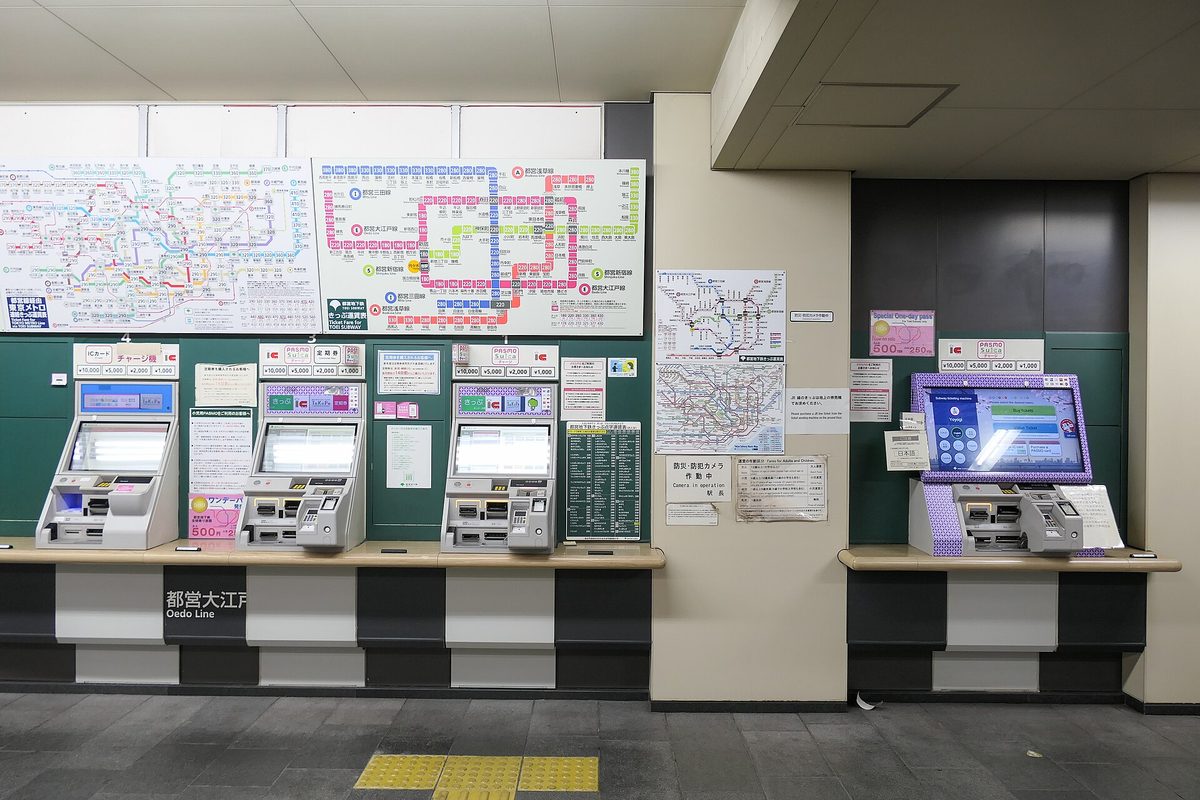
- From Narita Airport: the Keisei Skyliner to Ueno or Nippori costs 2,580 yen for an adult with a paper ticket, made up of the 1,280 yen fare (1,267 yen with an IC card) and the 1,300 yen Skyliner charge. Other options are compared in Narita Airport to Tokyo.
- Tokyo Metro: an adult ride of up to 6 km costs 180 yen with a paper ticket or 178 yen with an IC card, rising to 330 yen for the longest distances.
- Japan Rail Pass: the 7-day ordinary pass costs 50,000 yen on the official website and 53,000 yen through overseas agencies. For many first trips, single Shinkansen tickets cost less: see whether the JR Pass pays off.
An IC card (a rechargeable travel card) makes short rides easy, and some small shops and temple counters still take cash only. Our guide to cash, cards and IC cards explains which to carry.
Sights: a few entry fees
- Todaiji in Nara: the Great Buddha Hall is 800 yen for adults and 400 yen for children aged 6 to 12; a joint ticket with the Todaiji Museum is 1,200 yen. See visiting Todaiji.
- Tokyo Tower: the Main Deck at 150 m is 1,500 yen for adults; the Top Deck Tour is 3,300 yen online or 3,500 yen at the counter.
- Tokyo Skytree: adult tickets for the Tembo Deck start at 1,800 yen and change by date; buying at the tower adds 500 yen. Compare the towers in Tokyo observation decks.
New money rules in 2026
Three changes affect what a trip costs this year. None of them is large, but each can surprise you at the airport or at check-in.
- Departure tax is 3,000 yen: since July 1, 2026, everyone leaving Japan by plane or ship pays the International Tourist Tax of 3,000 yen per departure, up from 1,000 yen. It's usually already in your ticket price. Details: Japan's departure tax.
- Kyoto's accommodation tax went up: since March 1, 2026, Kyoto City charges 200, 400, 1,000, 4,000 or 10,000 yen per person per night, depending on the room charge. A room under 6,000 yen per person is 200 yen; 6,000 to under 20,000 yen is 400 yen. Details: Kyoto's accommodation tax.
- Osaka's accommodation tax: Osaka Prefecture charges 200, 400 or 500 yen per person per night, and nothing when the room charge is under 5,000 yen per person. Details: Osaka's accommodation tax.
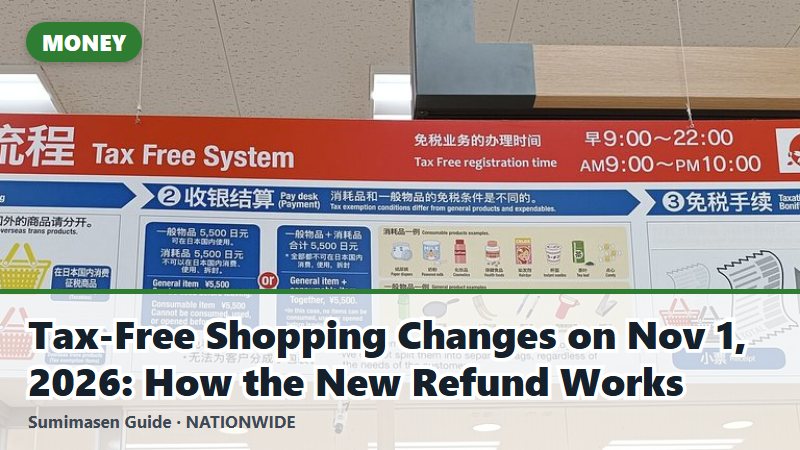
- Tax-free shopping becomes a refund on November 1, 2026: for purchases from that day, you pay the full price including consumption tax, and get the tax back only after customs confirms at departure that the goods are leaving Japan. Purchases must total 5,000 yen or more, before tax, per store per day, and you must leave within 90 days. Plan for the full price in your budget until the refund arrives. Details: how the new refund works.
Things you don't need to budget for
You don't need money for tips. Japan doesn't have a tipping custom, and some restaurants add a service charge that is shown on the menu instead. See tipping in Japan.
Set your own daily budget in four steps
- Start from the survey average without shopping, 24,822 yen per person per night, or the figure for visitors from your country above.
- Replace the room line with the price of the room you want, per person.
- Add the big one-off costs: the airport train, any Shinkansen rides and the sights you've chosen.
- Add the local accommodation tax for each night, and set aside a shopping budget at the full price.
Want a ready-made route to price out? Our first trip to Japan in 7 days goes from Tokyo to Kyoto, Nara and Osaka, with what to have ready each day.
Last reviewed: October 17, 2026. Survey figures are averages and are revised as the JTA publishes new results; prices, fares and tax rates can change. Please check the official pages below before you go.
References
- Japan Tourism Agency: Inbound Consumption Survey, results page (Japanese)
- Japan Tourism Agency: Inbound Consumption Survey, April to June 2026, second preliminary figures (Japanese, PDF, September 30, 2026)
- Japan Tourism Agency: Inbound Consumption Survey, 2025 confirmed figures (Japanese, PDF, March 31, 2026)
- Japan Tourism Agency: Inbound Consumption Survey, 2025 annual report (Japanese, PDF)
- National Tax Agency: Tax Answer No.7195, Outline of the International Tourist Tax (Japanese)
- Kyoto City: FAQ on the accommodation tax rate change from March 2026 (Japanese)
- Osaka Prefecture: Accommodation tax rates and exemptions (Japanese)
- Japan Tourism Agency: Special page for travelers, refund method (English)
- Keisei Electric Railway: How to purchase Skyliner tickets and fares (English)
- Tokyo Metro: Fares (English)
- JAPAN RAIL PASS (official): Types and prices
- Todaiji (official): Admission
- Tokyo Tower (official): Fees and business hours (Japanese)
- TOKYO SKYTREE (official): Tickets and prices
- Yoshinoya: Gyudon menu (Japanese)