Do You Have to Carry Your Passport in Japan? Yes, Here's Why
In many countries, travelers are told to lock their passport in the hotel safe and walk around with a copy. Japan works the other way. Under Japan's immigration law, a foreign visitor is expected to have the actual passport on them whenever they are out and about, and to show it if an authorized official asks. Most visitors are never asked, and nobody expects you to be nervous about it. But knowing the rule, who can ask, and how to keep the passport safe while you carry it makes the whole trip calmer. This guide explains it using the law itself and official government pages.
This page may contain affiliate links. If you buy through them, we may earn a commission at no extra cost to you.
- What the law says, and who it applies to
- Who can ask to see your passport, and how to know they are real
- Where you will actually be asked for it during a normal trip
- How to carry it safely, and what to do if you lose it
Please read this first. This page is a plain-English guide, not legal advice. The rule comes from the Immigration Control and Refugee Recognition Act (Japanese, e-Gov), and the official explanation is on the Immigration Services Agency of Japan website (Japanese). Laws can change, so please check the official pages linked at the end.
The short answer: the passport itself, at all times
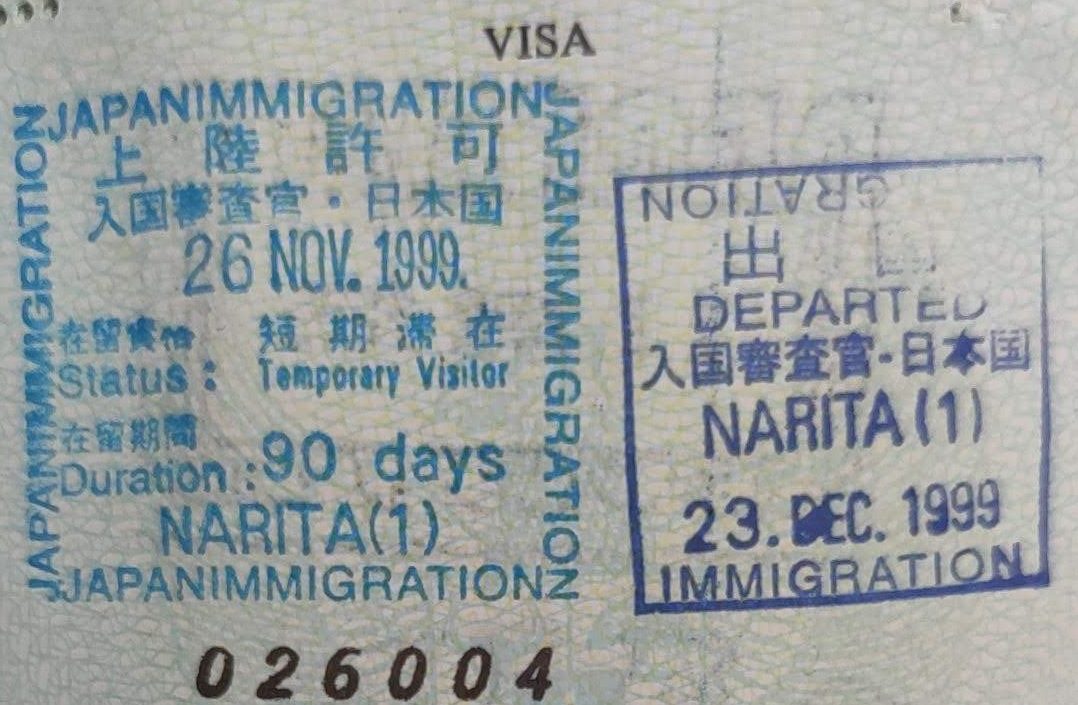
Article 23 of the Immigration Control and Refugee Recognition Act says that a foreign national staying in Japan must always carry their passport. The Immigration Services Agency explains the reason: your passport holds your landing permission and status, so officials need to be able to confirm on the spot that your stay is legal.
- Tourists and other short-term visitors: carry your passport.
- Mid- to long-term residents: people who were issued a residence card must carry that card instead. When they carry it, they don't also have to carry the passport.
- Children under 16 are not required to carry a passport or residence card.
Not carrying your passport, or refusing to show it when an authorized official asks, can be punished with a fine of up to 100,000 yen under Article 76 of the same law. The point of this guide is simply that you have it with you if you are ever asked.
Who can ask to see it, and how to know they're real
The law lists who may ask: immigration inspectors, immigration control officers, police officers, coast guard officers, and certain other national or local officials named by the Ministry of Justice, while they are carrying out their duties. Shop staff, a stranger on the street or someone who calls you on the phone are not on that list.
The same article also protects you. An official who asks for your passport must carry an identification card showing their official status, and show it if you ask. Asking to see it is completely acceptable, and a polite request is enough: "Could I see your ID, please?"
This matters because fake "police" scams aimed at visitors have been reported. If anything feels wrong, for example someone in plain clothes asks for your passport and money, you can suggest going together to the nearest koban (police box), or call 110. Our guide to fake official sites and fake police explains the warning signs.
Where you'll actually show it on a normal trip
For most visitors, the passport comes out far more often for everyday things than for police checks:
- Hotel check-in. Since April 1, 2005, the Ministry of Health, Labour and Welfare has asked hotels and inns to record the nationality and passport number of guests who have no address in Japan, to ask to see the passport, and to keep a copy. If a guest refuses, the ministry tells the hotel to explain that this is national guidance and, if the guest still refuses, to consider contacting the police. So when the front desk photocopies or scans your passport, they are following the rules, not being nosy. Registered private lodgings (minpaku) follow similar Japan Tourism Agency guidance.
- Tax-free shopping. You show your passport at the shop. The way the refund works changes on November 1, 2026; see our guide to the new tax-free refund.
Carrying it without worrying about it
Carrying a passport all day can feel risky if you are used to leaving it locked up. A few simple habits help:
- Use a zipped inside pocket or a slim pouch under your clothes, not a back pocket or an open tote bag.
- Keep a copy separately. JNTO (Japan's national tourism organization) suggests making a couple of copies of your passport, keeping one with you and leaving one at home. A copy is a backup for replacing a lost passport. It is not a substitute for the original, because the law asks you to carry the passport itself.
- Save your embassy's contact details before you arrive. JNTO notes that you will need your embassy if you need a replacement passport.
- Before you leave a restaurant, train or taxi, touch the pocket where your passport is. It takes one second.
If you lose it
- Report it to the police. Go to the nearest koban or police station. JNTO explains that a police report is required to have your passport reissued, and that hotel front desks can help you find one. Japan's National Police Agency asks people who lose belongings to file a lost property report right away.
- Contact your embassy or consulate in Japan for a new passport or an emergency travel document.
- Need help in English, Chinese or Korean? The Japan Visitor Hotline (JNTO) is open 24 hours, 365 days: 050-3816-2787 (from overseas +81-50-3816-2787).
Your one-minute checklist
- Passport in a zipped pocket every time you go out (residence card instead, if you have one).
- A copy kept separately, and one left at home.
- Embassy contact details saved on your phone.
- If someone asks for it, it's fine to ask to see their official ID first.
- If it goes missing: koban first, then your embassy.
That's all there is to it. Once the passport has a regular pocket, you will stop thinking about it, which is exactly the point.
Last reviewed: October 4, 2026. Rules can change. Please confirm the latest information on the official pages below before you travel.
References
- e-Gov: Immigration Control and Refugee Recognition Act, Articles 23 and 76 (Japanese)
- Japanese Law Translation: Immigration Control and Refugee Recognition Act (older English translation, for reference)
- Immigration Services Agency of Japan: Carrying your passport, Article 23 of the Immigration Control Act (Japanese)
- Ministry of Health, Labour and Welfare: Notice on guest registers at hotels and inns, December 19, 2014 (Japanese)
- Kanagawa Prefecture: Guest registers, with the ministry's notice to foreign guests (Japanese and English, PDF)
- Japan Tourism Agency: Identity confirmation of guests at private lodgings (PDF)
- JNTO: Staying Safe in Japan
- National Police Agency: If you have lost your belongings
- JNTO: Japan Visitor Hotline