Kyoto City (Kyoto)'s Accommodation Tax Since March 2026: 200 to 10,000 Yen a Night, Explained
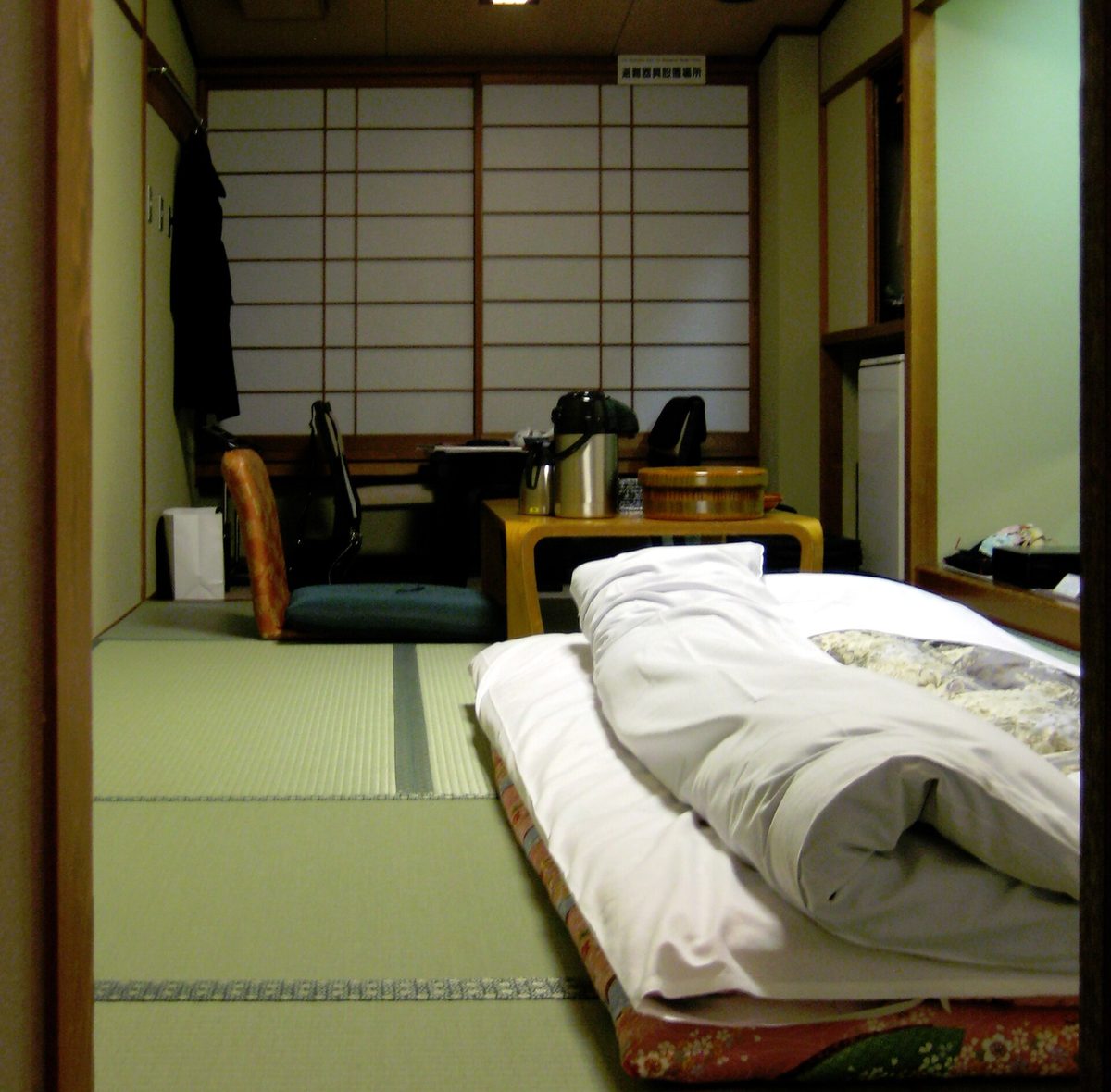
Every overnight stay in Kyoto City (Kyoto) comes with the city's Accommodation Tax (宿泊税, shukuhaku zei), charged per person, per night since October 1, 2018. On March 1, 2026, Kyoto City (Kyoto) changed it from three bands to five, and raised it sharply at the top: a night costing 100,000 yen or more per person now carries 10,000 yen of tax. For most travelers the change is a few hundred yen a night. This guide shows the new rates, what counts as the room charge, and the cases where people get surprised, using Kyoto City (Kyoto)'s official pages.
This page may contain affiliate links. If you buy through them, we may earn a commission at no extra cost to you.
- The rates before and after March 1, 2026
- What counts as the room charge, and what doesn't
- Booked before the change? Children? Points?
- How you pay, and who doesn't
The rates
- Where: every type of accommodation in Kyoto City (Kyoto), from hotels and ryokan to guesthouses and private rentals.
- Any price: even a very cheap stay is taxed; if a room charge is paid at all, the tax applies.
- Any age: the city says the tax applies regardless of the guest's age, so children and infants are included when a room charge is paid for them.
What counts as the room charge
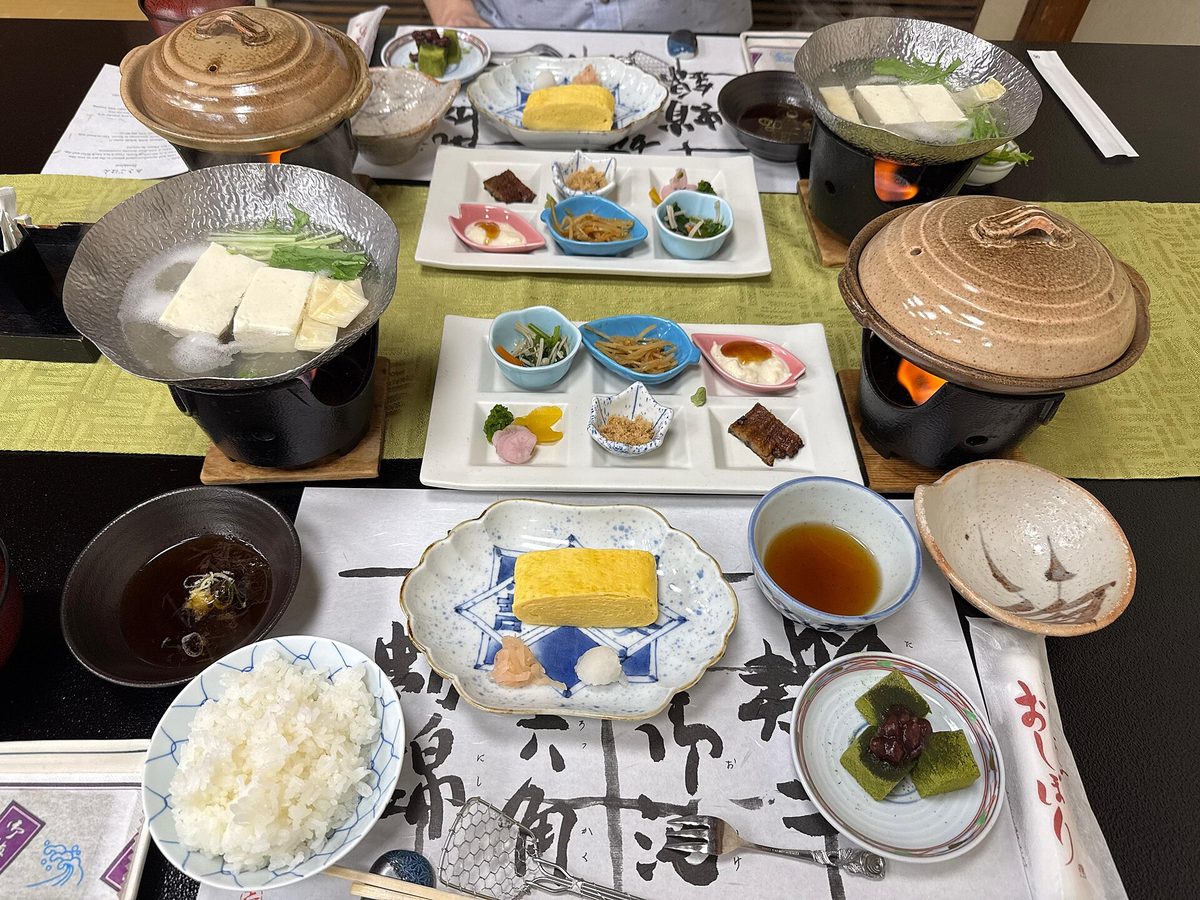
The tax band is based on the room charge per person per night, excluding tax. Kyoto City (Kyoto) defines it as the room price including service charges, but not meals or consumption tax:
- Included: cleaning fees, bedding, bath and nightwear charges, service charges.
- Not included: meals, consumption tax and similar taxes.
So a ryokan plan with dinner and breakfast is banded on the room part only. If you're not sure which band your stay falls into, ask the accommodation; they calculate it.
Booked before the change? Points? Discounts?
- Booked before the change: the amount depends on the date of the stay, not the date you booked. A night on or after March 1, 2026 is taxed at the new rate, even if you booked months earlier. If you prepaid the old amount, the accommodation collects the difference.
- Discounts: if the accommodation itself lowers the price, the tax is based on the lower price.
- Points and vouchers from others: if you pay partly with points from a booking site, the tax is based on the price before the points.
How you pay
According to the city's multilingual leaflet, you pay the tax at the accommodation. If you've already paid it through a booking website or a travel agency, you don't pay it again at the accommodation. The city's overview page notes that it may be included in what you paid the booking site, and suggests confirming with the accommodation. When you book, check whether the price shown includes the accommodation tax of Kyoto City (Kyoto), so you know what to expect at check-in.
Who doesn't pay
- Pupils on school trips and whole-grade school events from Japan's kindergartens, elementary, junior high and high schools, special-needs schools and colleges of technology, and children aged 3 and over at nursery-school events, plus their teachers and helpers, with a certificate from the school. Kyoto City (Kyoto)'s FAQ says universities, vocational schools and overseas schools are not covered, and nor are club training camps or the tour company's escorts and photographers.
So if you're visiting with a school group from outside Japan, the tax applies as usual.
Where the money goes
Kyoto City (Kyoto) says the tax is used to make the city more attractive as an international cultural tourist city and to promote tourism. Its leaflet gives examples: safety improvements such as platform gates at subway stations, tackling congestion and litter, preserving cultural properties and the cityscape, carrying on Kyoto (Kyoto)'s traditional culture and industries, and promoting less-visited areas.
Quick checklist
- Find your room charge per person, per night, without meals and tax.
- Find the band: 200, 400, 1,000, 4,000 or 10,000 yen.
- Multiply by people and nights. Children count.
- Check whether your booking already includes it.
Staying in Osaka (Osaka) too? Osaka Prefecture's tax works differently, with no tax under 5,000 yen: see Osaka Prefecture's accommodation tax. Other travel charges: the 3,000 yen departure tax and the Miyajima Visitor Tax. Out and about in the city, see eating while walking in Kyoto (Kyoto) and our Kyoto (Kyoto) destination page.
Last reviewed: October 4, 2026. For questions, Kyoto City (Kyoto)'s accommodation tax desk is at 075-222-3156 (weekdays, 8:45 a.m. to 5 p.m., Japanese).
References
- Kyoto City (Kyoto): About the accommodation tax, overview and rate review (Japanese)
- Kyoto City (Kyoto): FAQ for guests, what is taxed (Japanese)
- Kyoto City (Kyoto): FAQ on the rate change from March 2026 (Japanese)
- Kyoto City (Kyoto): FAQ for guests, exemptions (Japanese)
- Kyoto City (Kyoto): Guide to the Accommodation Tax from March 1, 2026 (Japanese, English, Chinese, Korean, PDF)
- Kanko Navi (official site of Kyoto City (Kyoto)): Notice of the accommodation tax revision (Japanese)
- Kyoto City (Kyoto): Videos on how the tax is used (Japanese, with other languages)