Gion (Kyoto): Private Lanes, Photo Rules and How to See Maiko Respectfully
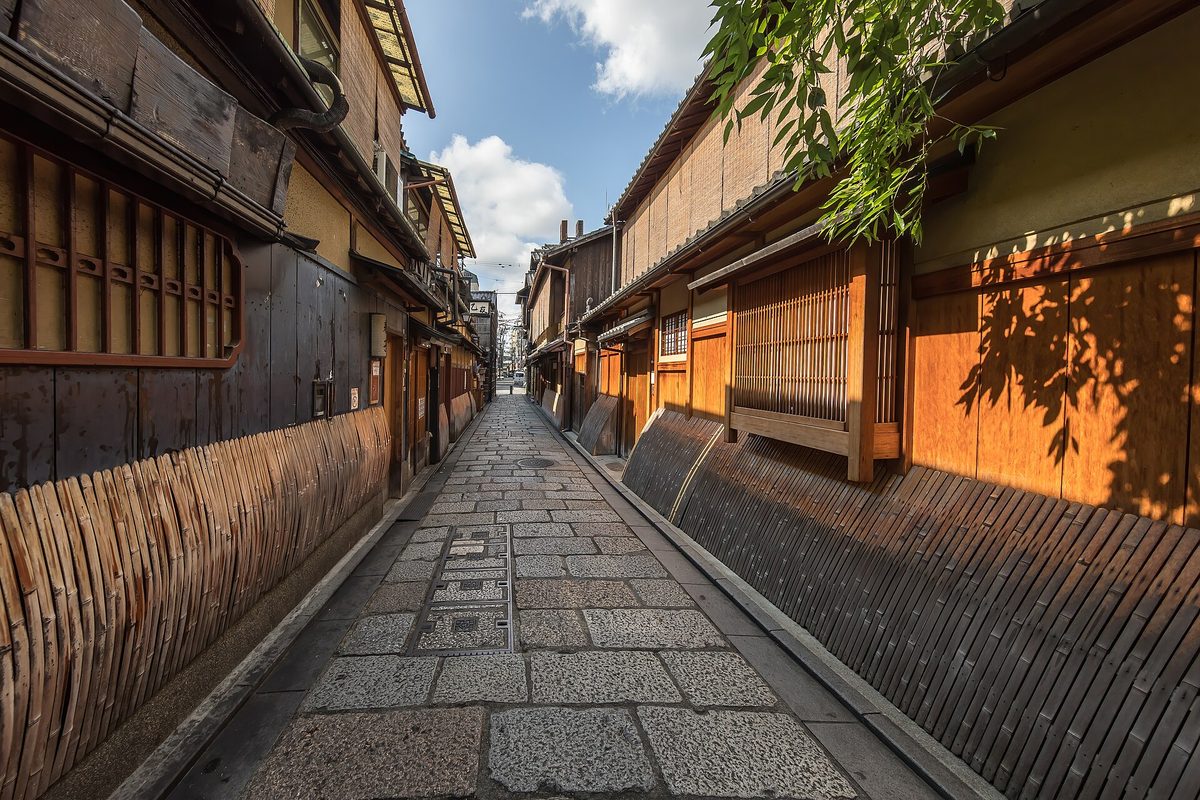
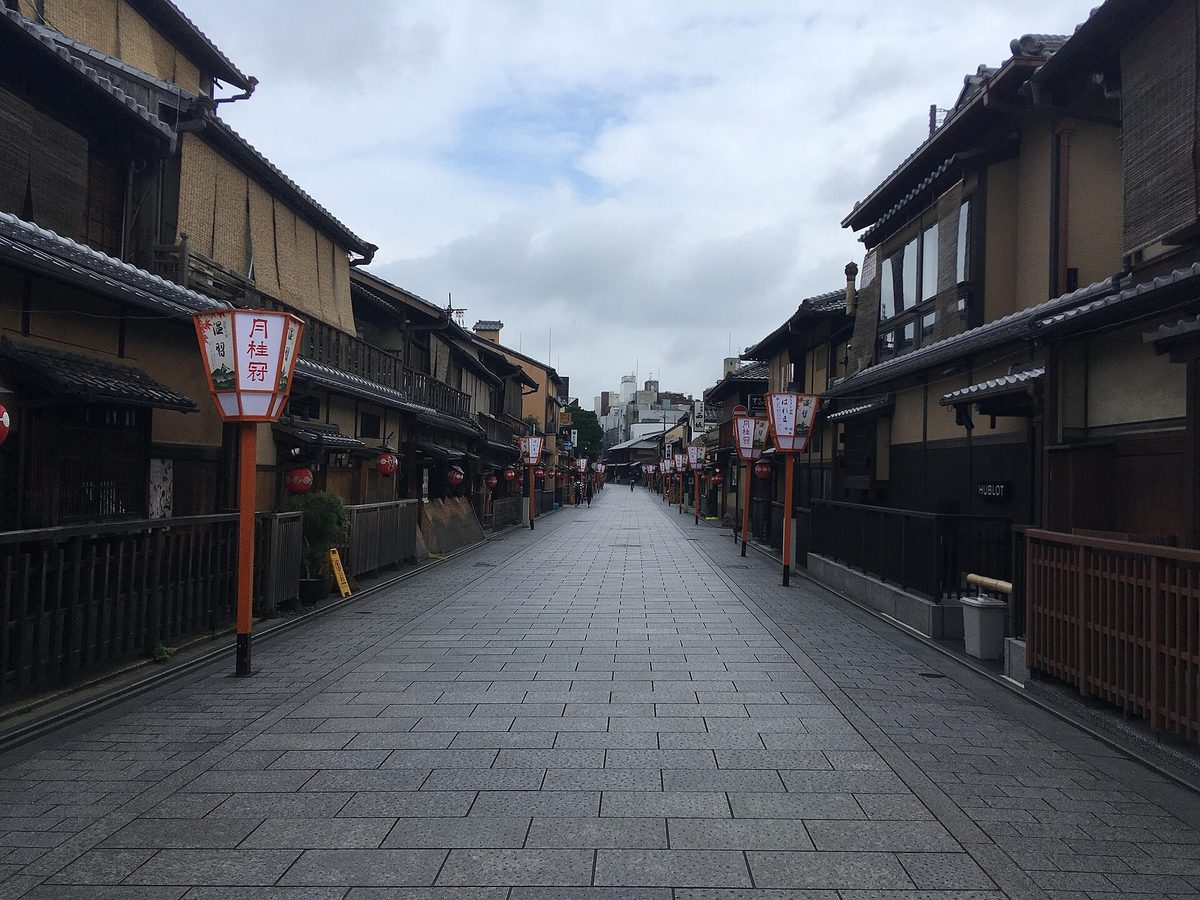
Gion (Kyoto) is the part of Kyoto (Kyoto) most people picture: stone-paved lanes, wooden teahouses, and, if you are lucky, a geiko or maiko walking to an appointment. It is also a neighborhood where people live and work, and in recent years residents have asked visitors, firmly, to change a few habits. Signs now mark lanes you shouldn't enter or photograph, and Kyoto City (Kyoto) has sent guides to the main street to explain the rules. This guide separates what is law, what is a local rule set by the neighborhood, and what is simply good manners, using Kyoto City (Kyoto)'s own documents, so you can enjoy Gion (Kyoto) without being the person residents are worried about.
This page may contain affiliate links. If you buy through them, we may earn a commission at no extra cost to you.
- What Gion (Kyoto) residents have asked visitors to stop doing
- Private lanes: the signs to look for
- Photographing geiko and maiko: the line not to cross
- The city-wide rules (street smoking, littering) that also apply here
Please read this first. This guide is based on Kyoto City (Kyoto)'s published requests and manner materials (checked October 2026). Local signs in Gion (Kyoto) can change, and the sign in front of you always takes priority. This is not legal advice.
Why Gion (Kyoto) asks for more than other places
In November 2025, Kyoto City (Kyoto) published a request to tour operators, guides and visitors. It says residents of the Gion-machi Minamigawa district (the area south of Shijo-dori around Hanamikoji-dori) issued a "message" asking visitors to respect their daily lives and never to cause nuisance, and that they are strongly concerned about:
- tour groups spreading across the road while walking,
- entering teahouses (ochaya) and similar places without permission,
- photographing geiko and maiko without permission, and
- guides stopping to explain things in a way that blocks the road, or talking loudly, especially at quiet times such as night.
The same document notes that in Kyoto City (Kyoto)'s 2024 survey, about half of residents said they had been bothered by visitors' poor manners. None of this is about any one nationality; it's about numbers in narrow streets.
Law, local rule, or manners?
| What | Which kind of rule | Source |
|---|---|---|
| Entering private property (houses, machiya, private grounds) without permission | Law. Kyoto City (Kyoto) says serious violations such as trespassing and damaging property break Japanese law and Kyoto Prefectural Police respond. | Kyoto City (Kyoto) / "MIND YOUR MANNERS" |
| Smoking on the street, dropping litter | City ordinance. Kyoto City (Kyoto) says both are prohibited throughout the city by its ordinances. A 1,000 yen fine applies to street smoking in designated busy areas. | Kyoto City (Kyoto) |
| Entering or photographing in Gion (Kyoto)'s private lanes | Local rule set by the neighborhood council on its own lanes, shown on signs. | Gion-machi Minamigawa district council (described by Kyoto City (Kyoto)) |
| Photographing geiko and maiko without permission | Strong local request; Kyoto City (Kyoto) lists it among the main nuisance behaviors. | Kyoto City (Kyoto) |
| Spreading across narrow roads, blocking traffic | Manners that Kyoto City (Kyoto) asks everyone to follow. | Kyoto City (Kyoto) |
Private lanes: look for the signs
Hanamikoji-dori itself is the street everyone walks along. The narrow stone-paved lanes that branch off it are not all public. Kyoto City (Kyoto) says the Gion-machi Minamigawa district council, using a city subsidy program, is putting up traditional notice boards (kosatsu) that warn against taking photos in, and entering, private lanes. Where you see one, the simple rule is: don't go in, and don't photograph from the entrance either.
You may read online that a "10,000 yen fine" applies. That figure comes from the neighborhood's own signs as reported in the news; we could not find it in any Kyoto City (Kyoto) ordinance or official document, so we don't treat it as a legal fine. It doesn't change what to do: if the lane is marked private, stay out.
Kyoto City (Kyoto) has also placed manner guides on Hanamikoji-dori on weekdays during busy autumn periods (for example, November 19 to December 12, 2025). If one speaks to you, they're there to help, not to fine you.
Geiko and maiko: what's okay, what isn't
Geiko and maiko in Gion (Kyoto) are working professionals on their way to appointments. Kyoto City (Kyoto)'s list of main nuisance behaviors starts with photographing geiko and maiko in places where it isn't permitted, and residents have described people following them or crowding around them.
- Don't follow, surround, block the way, or touch them.
- Don't ask them to stop for a photo.
- If you'd like to meet a maiko or see a dance, book a show or an event that offers it. That way the photo is part of the plan, not an interruption.
Rules of Kyoto (Kyoto) that also apply in Gion (Kyoto)
- Street smoking and littering are prohibited throughout Kyoto City (Kyoto) by ordinance, according to the city. Details and the 1,000 yen fine areas are in our guide to smoking rules in Japan.
- Eating while walking: Kyoto City (Kyoto) asks visitors not to eat while walking in crowded sightseeing areas, or in temples, shrines and other places that prohibit food. At Nishiki Market, the shopping street's own association has put up signs saying not to eat while walking.
- Big suitcases: Kyoto City (Kyoto) asks visitors to use hands-free luggage delivery to their hotel rather than taking suitcases on crowded city buses.
A respectful Gion (Kyoto) walk in five steps
- Go early in the morning or on a weekday if you can; Gion (Kyoto) is calmer and you'll see more.
- Stay on Hanamikoji-dori and the clearly public streets. If a side lane has a "private" sign, enjoy it from where you are, camera down.
- Walk in single file on narrow streets; don't stop in the middle.
- Let geiko and maiko pass. No following, no photos without permission.
- Keep cigarettes and snacks for the designated places.
What residents ask for comes down to treating Gion (Kyoto) as a neighborhood rather than a set. That is easy to do, and it's part of what keeps Gion (Kyoto) looking the way it does.
Last reviewed: October 4, 2026. Local signs and campaigns change. Please follow the signs on site and check Kyoto City (Kyoto)'s pages below.
References
- Kyoto City (Kyoto): Request for cooperation on tourism manners (November 7, 2025, Japanese, PDF)
- Kyoto City (Kyoto): Tourism manner measures for autumn 2025, including Gion (Kyoto) (Japanese, PDF)
- Kyoto City (Kyoto): Manner awareness efforts for foreign visitors (Japanese, February 2026)
- Kyoto City Tourism Association: List of manner initiatives (Japanese)
- Kyoto City (Kyoto): Public smoking areas and fine-collection areas