Kyoto in 1 or 2 Days: An Itinerary from Fushimi Inari and Kiyomizu-dera to the Geisha District, the Bamboo Grove and Kinkaku-ji
One or two days is how long many visitors give Kyoto, often as a stop between Tokyo and Osaka or as a day trip. The famous sights sit on opposite sides of the city, so the trick is to keep each day on one side. Day 1 is the east: Fushimi Inari Taisha early in the morning, then Kiyomizu-dera and the old slopes of Higashiyama, and Gion (Kyoto) in the evening. Day 2 is the west and north: Arashiyama (Kyoto) in the morning and Kinkaku-ji, the Golden Pavilion, in the afternoon. If you only have one day, do day 1.
For every stop you'll find the nearest station, line or bus, when to go, how to avoid the worst crowds, a plan for rain, and a link to our detailed guide.
This page may contain affiliate links. If you buy through them, we may earn a commission at no extra cost to you.
- Day 1: the torii paths of Fushimi Inari never close, so go first thing. Kiyomizu-dera opens at 6:00. End the day on Hanamikoji in Gion (Kyoto), keeping to the public streets.
- Day 2: Arashiyama (Kyoto) is about 11 minutes from Kyoto Station on the JR Sagano Line. Tenryu-ji's garden opens at 8:30 and Kinkaku-ji at 9:00, both until 17:00.
- Photos: Kinkaku-ji allows small-camera snapshots for your own enjoyment only, and asks you not to film for posting to social media.
- Money: Kyoto City adds an accommodation tax to every night, and from November 1, 2026 tax-free shopping works as a refund.
Day 1: Fushimi Inari, Kiyomizu-dera, Higashiyama and Gion (Kyoto)
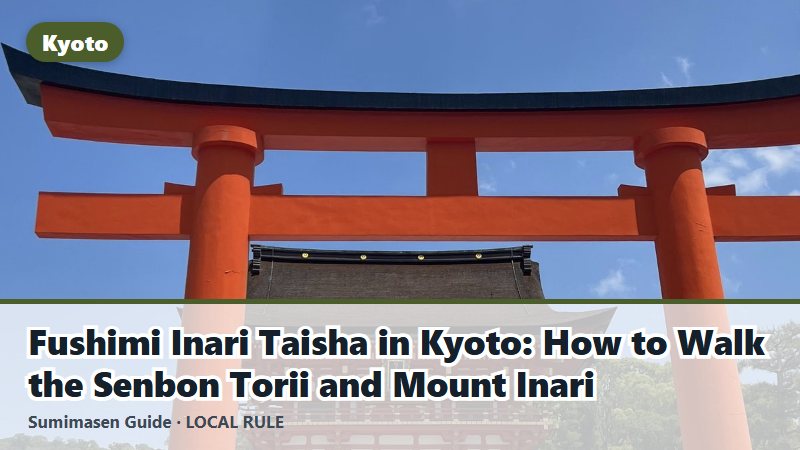
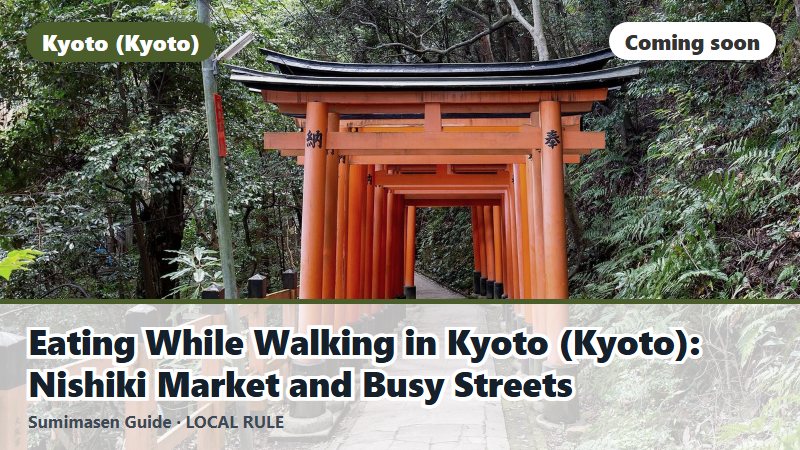
Early morning: Fushimi Inari Taisha. JR Inari Station on the JR Nara Line is right in front of the shrine, two stations and about 5 minutes from Kyoto Station. The torii paths never close, so the quietest time is early in the morning, before the tour groups.
- How long: the Senbon Torii start just behind the main hall. The full walk around Mount Inari is about 4 km and takes about 2 hours, but you can turn back at any point. If you want to fit everything into one day, walk up to Okusha Hohaisho and come back down.
- Rules: eat and drink only in the marked rest areas, and don't block the narrow paths for photos.
- Amulets: the office that hands them out is open 8:00 to 18:00.
- See walking the Senbon Torii, and for how to pray, shrine and temple etiquette.
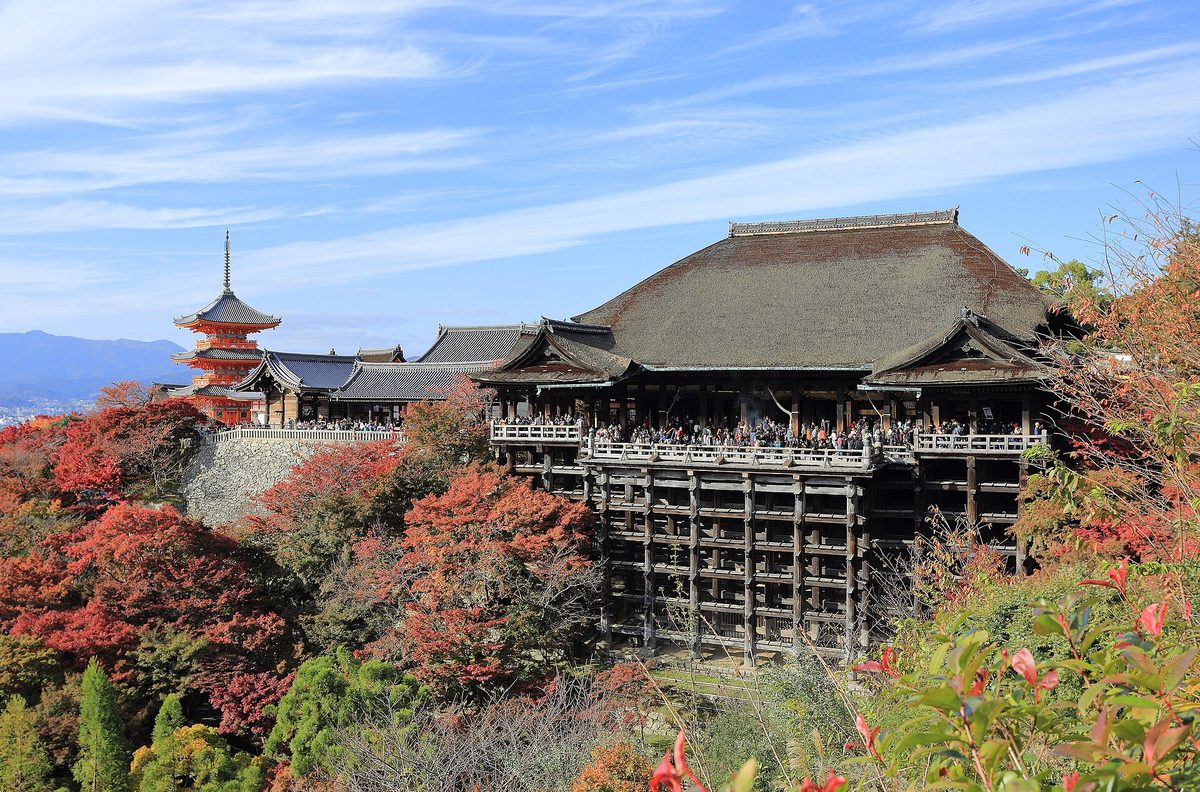
Late morning: Kiyomizu-dera. From Keihan Fushimi-Inari Station (KH34), about 5 minutes on foot from the shrine, ride the Keihan Main Line north to Kiyomizu-Gojo Station (KH38); the temple is about 25 minutes uphill on foot. From Kyoto Station, Kyoto City Bus 206 or 100 runs to the Gojozaka stop, about 10 minutes' walk from the temple.
- Hours: the temple opens at 6:00. In 2026 it closes at 18:00 from September 1 to November 20 and in December. For the autumn night viewing, November 21 to 30, it stays open until 21:30 (last entry 21:00).
- Photos: tripods, monopods and drones aren't allowed, and the temple asks you not to block other visitors with picnics or group photos.
- Getting there faster on a weekend: on Saturdays, Sundays and holidays, the EX100 sightseeing express bus leaves Kyoto Station from stop D1 and reaches Gojozaka in about 12 minutes, for 500 yen. Kyoto City's travel guide suggests walking up Chawanzaka from there, a quieter slope than the main shopping street.
Afternoon: Sannenzaka, Ninenzaka and the Yasaka Pagoda. Walking down from Kiyomizu-dera, you reach the stone-paved slopes of Sannenzaka and Ninenzaka, with the five-story pagoda of Hokan-ji, the Yasaka Pagoda, rising above the rooftops. Kyoto City's travel guide points out that this is a residential area: be considerate with photos, don't use tripods, and don't block the road.
- Snacks: the Kyoto City Tourism Association names the approach to Kiyomizu-dera as a street not to block. Eat in front of the shop where you bought the food, not while walking. See eating while walking in Kyoto.
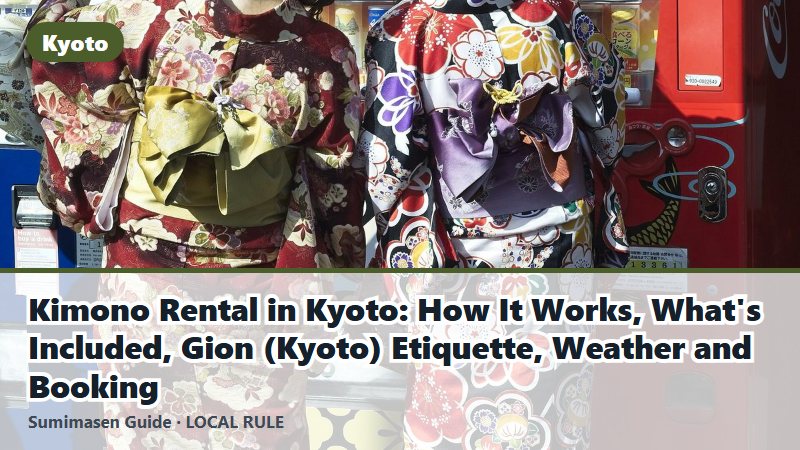
- Kimono: how rentals work, sizes and return times are in kimono rental in Kyoto.
- On to Gion (Kyoto): keep walking north to Yasaka-jinja, whose grounds are open at all times. Its west gate opens onto the streets of Gion (Kyoto).
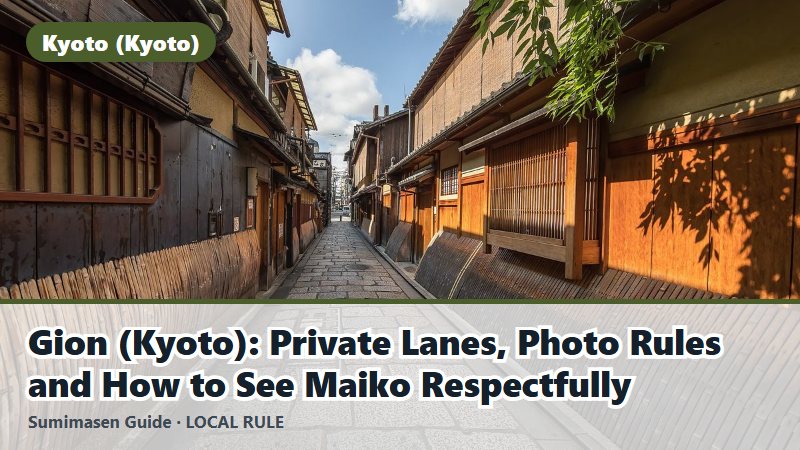
Evening: Gion (Kyoto) and Hanamikoji. The nearest Keihan Main Line station (Gion-Shijo, KH39) is about 5 minutes on foot from Gion (Kyoto), so it's an easy place to finish the day. This is a neighborhood where people live and work, and it has the clearest rules in Kyoto:
- Private lanes: where a notice board marks a side lane as private, don't go in and don't photograph from the entrance. Hanamikoji-dori itself is public.
- Geiko and maiko: don't follow, surround, touch or stop them for photos. If you'd like to see a maiko, book a show.
- Smoking: street smoking is prohibited throughout Kyoto City, with a 1,000 yen fine in designated busy areas. See smoking rules in Japan.
- See Gion (Kyoto): private lanes and photo rules.
Day 2: Arashiyama (Kyoto), Tenryu-ji and Kinkaku-ji
Morning: Arashiyama (Kyoto). Kyoto City's travel guide recommends the JR Sagano Line: rapid and local trains reach Saga-Arashiyama Station in about 11 minutes from Kyoto Station. It says buses from Kyoto Station are crowded and slow, and that the front cars of the train fill up, so board from the back of the platform. Randen trains also run to Randen Arashiyama Station, right in the middle of the area.
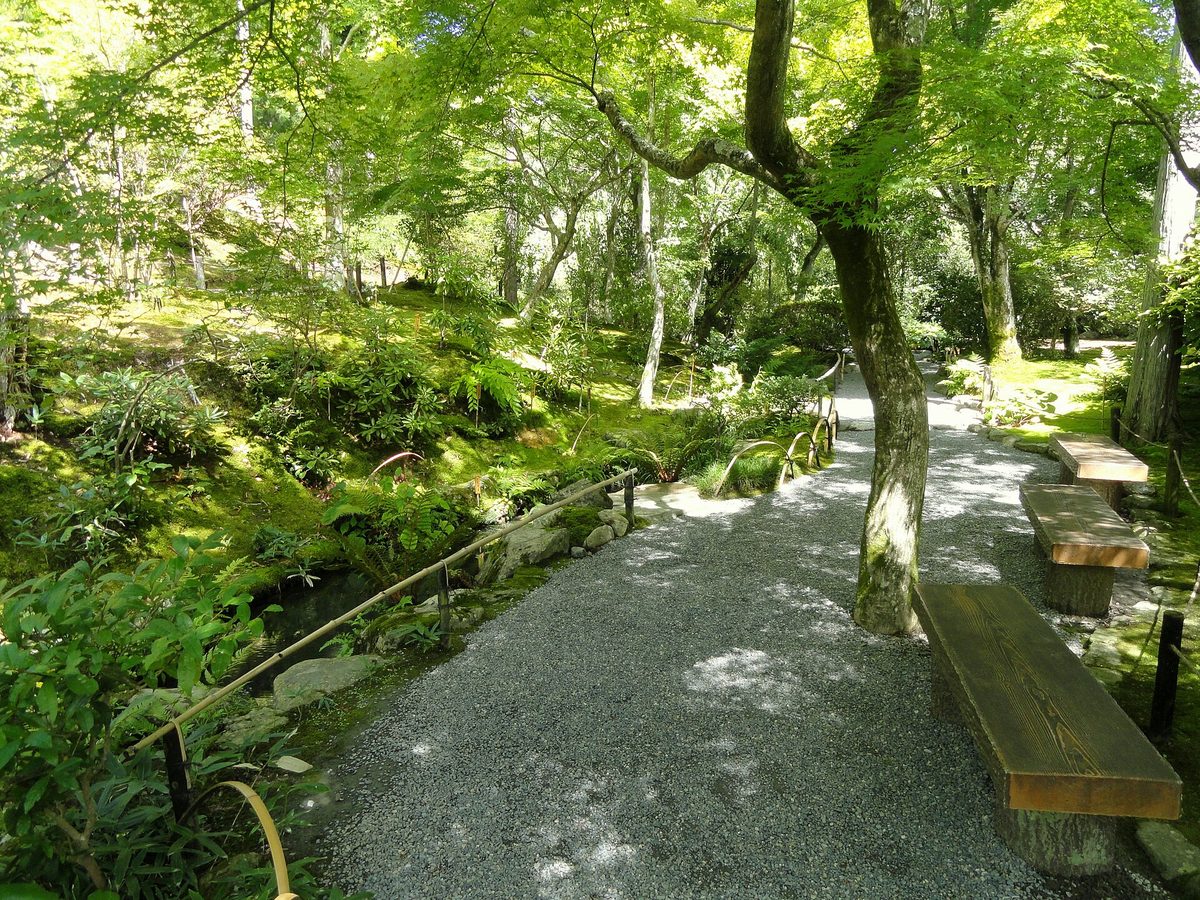
- Tenryu-ji: the garden is open 8:30 to 17:00 (last entry 16:50) and costs 500 yen for high school students and older, 300 yen for elementary and junior high school students; the buildings are 300 yen more. From November 14 to 30, 2026, the garden opens early, at 7:30. It's about 13 minutes on foot from JR Saga-Arashiyama Station and right by Randen Arashiyama Station.
- The bamboo grove: Kyoto City's travel guide describes it as always crowded with people taking photos, so the earlier you go, the better. Please don't touch, scratch or carve the bamboo: the city says damaged bamboo can't be restored and has to be cut down.
- Busy days: autumn leaves and weekends bring the biggest crowds. Kyoto City's travel site has a crowd forecast and live cameras for the area.
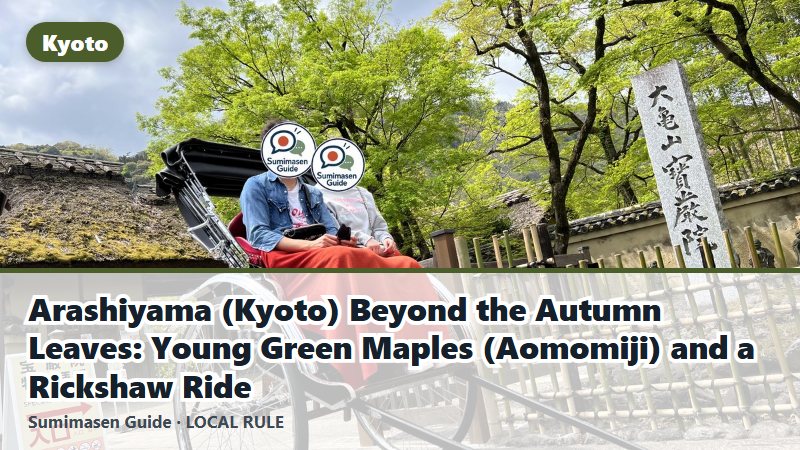
- For the young green maples of spring and a rickshaw ride, see Arashiyama (Kyoto) beyond the autumn leaves (affiliate link).
Afternoon: Kinkaku-ji, the Golden Pavilion. From Saga-Arashiyama, ride the JR Sagano Line toward Kyoto Station as far as Emmachi Station, then take Kyoto City Bus 204 or 205 to the Kinkakuji-michi stop. The temple's own access page lists buses 12, 59, 205 and M1 to the same stop.
- Hours and tickets: open every day, 9:00 to 17:00. Admission is 500 yen for adults and 300 yen for elementary and junior high school students.
- Photos: the temple allows snapshots with a small camera for your own enjoyment only. It declines filming to show to others, including on social media, as well as commercial filming, group photos, live streaming and drones. That's why this guide has no photo of it.
- Bags and food: there are no lockers or luggage storage, and no place in the garden to eat. Leave big bags at a station or your hotel.
- Steps: the path is step-free as far as the pavilion, but there are steps after it.
- Getting back: Bus 205 runs straight to Kyoto Station. Kyoto City's travel guide suggests the less crowded route via the subway: Bus 204 or 205 to Kitaoji, then the Karasuma Line, about 15 minutes to Kyoto Station.
Coming for the day from Osaka or Nara
- From Osaka: Kyoto City's travel guide gives about 30 minutes from Osaka Station to Kyoto Station by JR Special Rapid Service. Keihan trains from Yodoyabashi Station in Osaka stop at the stations for day 1 (Fushimi-Inari, Kiyomizu-Gojo and Gion-Shijo), so day 1 works well on Keihan: start at Fushimi-Inari Station and take the train home from the station in Gion (Kyoto). See Osaka in 2 or 3 days (affiliate link).
- From Nara: Nara Prefecture's travel guide gives about 34 minutes from Kintetsu-Nara Station to Kyoto Station by Kintetsu Limited Express, or about 41 minutes from JR Nara Station by JR Rapid Express. The JR route is the JR Nara Line, the same line as Inari Station, but check that your train stops there. See the deer of Nara.
- Luggage: Kyoto City asks visitors not to bring big suitcases onto city buses. Leave them at a station locker or send them to your hotel; see luggage forwarding and coin lockers.
Getting around: buses and passes
- City bus fare: 230 yen for adults and 120 yen for children in the flat-fare area. On regular routes you board at the rear, get off at the front and pay when you get off. IC cards work; credit cards don't. See cash, cards or IC card.
- Sightseeing express bus: 500 yen for adults (250 yen for children), on weekends and holidays only.
- Subway & Bus 1-Day Pass: 1,100 yen for adults, for unlimited subway and city bus rides that day. With several bus rides on day 2, it can pay off.
Money rules to know in Kyoto
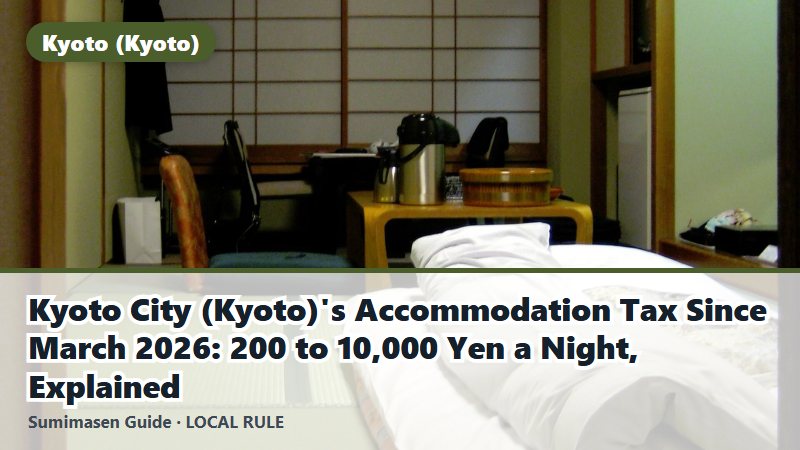
- Accommodation tax: since March 1, 2026, Kyoto City charges 200 to 10,000 yen per person per night, depending on the room charge, for every age. Check whether your booking already includes it. See Kyoto's accommodation tax.
- Littering: Kyoto City has 43 "Beautification Promotion Areas", including Arashiyama (Kyoto) and Fushimi Inari Taisha, where violations can mean a fine of up to 30,000 yen. Carry a small bag for your rubbish.
- Tax-free shopping: from November 1, 2026, shops charge the full price, and the tax is refunded after Japan Customs checks the goods when you leave. It applies to 5,000 yen or more per store per day, and the goods must leave Japan within 90 days. See the new tax-free refund.
If it rains
- Day 1: the paths of Mount Inari are stone steps. Walk the Senbon Torii and turn back. Nishiki Market is a covered street of about 390 meters, and a tea ceremony or a zazen session keeps you indoors: see matcha tea ceremony experiences and zazen meditation.
- Day 2: Tenryu-ji's buildings (300 yen more than the garden) are indoors, and the Cloud Dragon painting in its Dharma Hall is shown on Saturdays, Sundays and holidays (500 yen, separate ticket). Kinkaku-ji's garden is outdoors, so bring an umbrella.
Where to stay and how to arrive
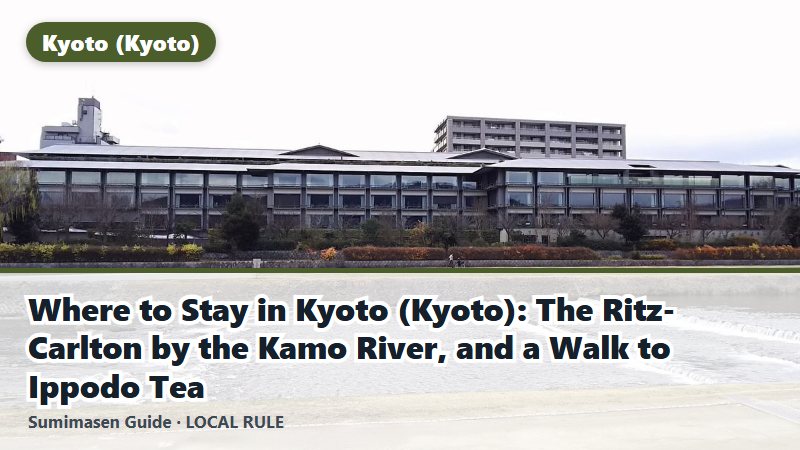
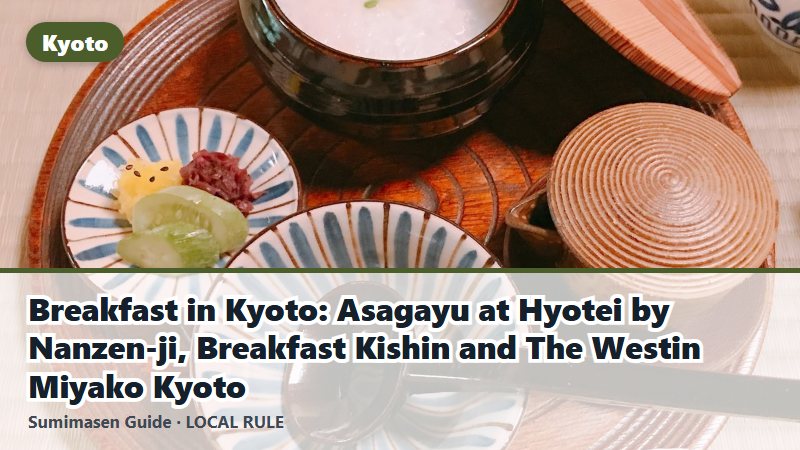
For this plan, a hotel near Kyoto Station makes both days easy, since the JR lines to Inari and Arashiyama (Kyoto) start there; downtown or near Gion (Kyoto) is better for evenings. Compare the areas in where to stay in Kyoto, and for an early start, see breakfast in Kyoto. From Kansai International Airport, JR's Haruka reaches Kyoto Station in about 80 minutes: see Kansai Airport to Osaka and Kyoto. Planning a longer trip? Our 7-day first trip adds Tokyo, Nara and Osaka.
Pick your start time for Fushimi Inari, book anything you'd like to do in Gion (Kyoto) or Arashiyama (Kyoto), and the rest of the two days falls into place. More ideas are on our Kyoto destination page.
Last reviewed: October 18, 2026. Fares, hours and rules change. Please check the linked guides and the official pages below before you travel.
Official sources (checked October 2026)
- Kiyomizu-dera (official): Location, access and opening hours (English)
- Kiyomizu-dera (official): FAQ (English)
- Kyoto City official travel guide: The limited express bus from Kyoto Station to Kiyomizu-dera (English)
- Kyoto City official travel guide: Higashiyama at dawn (English)
- Keihan Railway: Sightseeing along the Keihan line (English)
- Kyoto City official travel guide: Comfortable access to Saga and Arashiyama (Kyoto) (English)
- Kyoto City official travel guide: Saga and Arashiyama (Kyoto) (English)
- Tenryu-ji (official): Admission and access (English)
- Tenryu-ji (official): Visiting and access, including the early opening in November 2026 (Japanese)
- Kinkaku-ji (official): Access, hours and admission (English)
- Kinkaku-ji (official): FAQ (English)
- Kinkaku-ji (official): FAQ, including the photo rules (Japanese)
- Kyoto City official travel guide: Easy and less crowded access to Kinkaku-ji from Kyoto Station (English)
- Kyoto City Transportation Bureau: City bus fares (English)
- Kyoto City official travel guide: Getting to Kyoto (English)
- Nara Prefecture official travel guide: Travel to Nara (English)