Getting Around Nagoya (Aichi): Subways, Buses and IC Cards
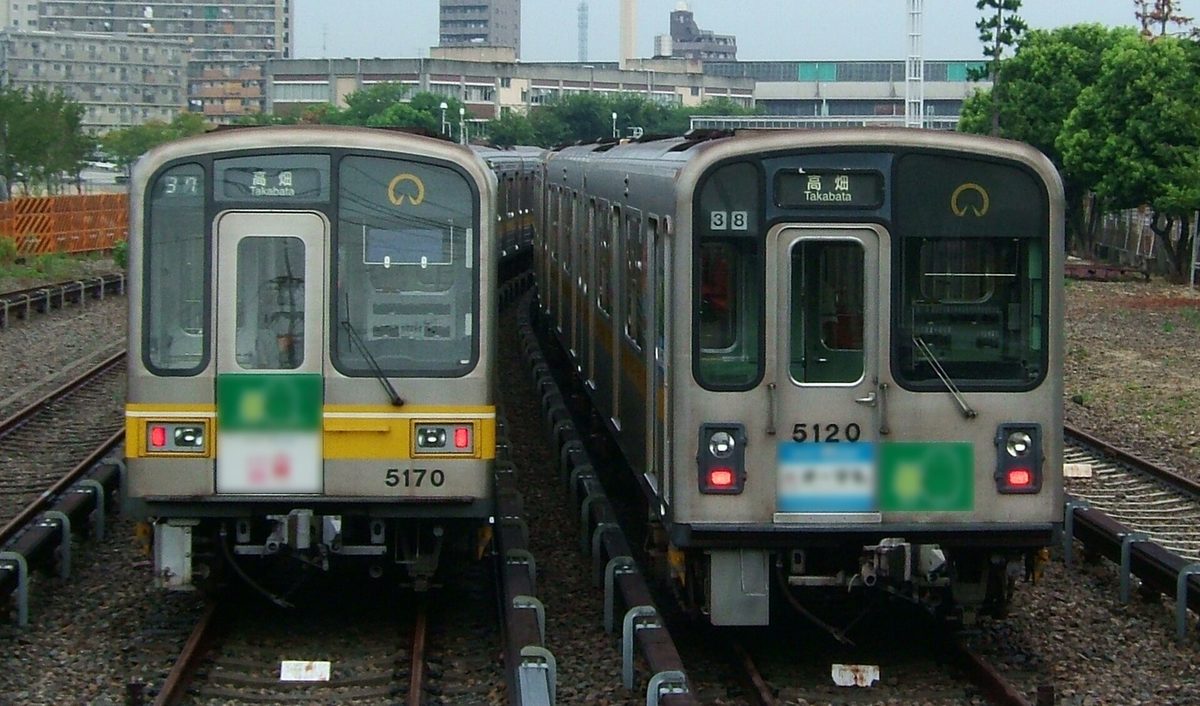
Most of the places visitors go in Nagoya (Aichi), such as Nagoya Castle, the Osu shopping streets and Atsuta Jingu, are near a subway station or a city bus stop. Both are run by the Nagoya City Transportation Bureau, and the ways to pay are simple once you know them: an IC card you tap, a contactless credit card on the subway (new since September 3, 2026), or a one-day ticket. This guide explains the fares, how to ride a city bus, when a one-day ticket pays off, and the few places where these tickets don't work, using the bureau's official pages.
- Subway fares by zone, and a flat fare on city buses
- Any of Japan's main IC cards work; manaca adds a transfer discount
- Tap-to-pay credit cards on the subway since September 3, 2026
- One-day tickets, including a cheaper weekend ticket
Three ways to pay
Nagoya (Aichi) has six subway lines, and the Meijo Line runs in a loop that meets the other lines, according to the city's official tourist guide. You can ride all of them, and the city buses, without buying a paper ticket each time.
- An IC card. The local card is manaca, but the bureau's manaca page explains that transportation IC cards are compatible across Japan, so a Suica, PASMO or ICOCA you already have works on the subway and city buses here too.
- A contactless credit card (subway only). See the section below.
- A one-day ticket, if you will ride many times in one day.
Subway fares
Subway fares go up by distance in five zones. The bureau's ticket page lists:
| Zone 1 | Zone 2 | Zone 3 | Zone 4 | Zone 5 | |
|---|---|---|---|---|---|
| Adult | 210 yen | 240 yen | 270 yen | 310 yen | 340 yen |
| Child | 100 yen | 120 yen | 130 yen | 150 yen | 170 yen |
"Child" means elementary school children. With an IC card you don't need to work out the zone: tap in, tap out, and the gate shows the fare and your remaining balance.
Paying with a credit card on the subway
Since September 3, 2026, you can tap a contactless Visa, Mastercard, JCB, American Express, Diners Club, Discover or UnionPay card, or a phone or watch with one of these cards set up, at the subway gates. The bureau's tap-to-pay page (Japanese) covers all subway stations, with readers being fitted gate by gate; where a gate doesn't have one yet, tell the staff at the window. Things to know:
- No registration or top-up is needed. Look for the reader with card-brand stickers at the front of the gate, and hold your card there until the light turns green.
- Tap the same card or device when you leave. You can't enter with a card and exit with the phone that has the same card in it.
- It always charges the adult fare. Child fares and the transfer discount don't apply, so for children, use child tickets or a child IC card.
- One card per person. You can't pay for a friend with your card.
- The fares for each day are charged together the next day, so the notice from your card company may come a day later.
- Meitetsu trains accept card taps at only 13 stations, so if your trip continues onto Meitetsu, use an IC card or a ticket.
The service is for the subway. On city buses, use an IC card, cash or a one-day ticket.
City buses: get on at the front
Nagoya (Aichi)'s city buses charge a flat fare: 210 yen for adults and 100 yen for children, however far you ride. Express and late-night buses cost extra. On most routes you get on at the front door and pay as you board, then get off at the back. The bureau's manaca page notes one exception: on the Trunk Shindekimachi route, you get on at the back and pay when you get off at the front.
Paying for two people with one IC card? Tell the driver how many people before you tap. If your card runs low, you can top up on the bus with 1,000-yen bills only.
One-day tickets: when they pay off
The bureau's one-day ticket page (Japanese) lists four adult tickets:
- Bus and subway one-day ticket: 870 yen (children 430 yen). Unlimited city buses and subway from the first train to the last.
- Donichi Eco Kippu (weekend ticket): 620 yen (children 310 yen). The same, but only on Saturdays, Sundays, holidays and the 8th of every month.
- Bus one-day ticket: 620 yen (children 310 yen).
- Subway 24-hour ticket: 760 yen (children 380 yen). Valid for 24 hours from the time you first put it through a gate.
A simple way to decide: one short ride costs 210 yen, so five short rides (1,050 yen) cost more than the 870 yen ticket, and on a weekend, three short rides (630 yen) already cost more than the 620 yen Donichi Eco Kippu. The page also notes that showing a valid one-day ticket gets you discounts at some shops and sights.
- Tickets from the ticket machines can be used only on the day you buy them (for the 24-hour ticket, start using it by the last train that day). To buy one for another day, go to a ticket window or a Transportation Bureau service center.
- Paper one-day tickets bought from a machine: on a bus, show it to the driver instead of putting it in the card slot.
manaca and the 80-yen transfer discount
If you'll be in Nagoya (Aichi) for a few days, a manaca has one extra: when you change from a city bus to the subway, or from bus to bus, within 90 minutes using the same manaca, the second ride is 80 yen cheaper for adults (40 yen for children). The bureau says this discount is for manaca only, not for other IC cards, and it doesn't apply when one card is used for two people.
- Unregistered manaca cards are sold at subway ticket machines for 1,000, 2,000, 3,000, 5,000 or 10,000 yen, each including a 500 yen deposit. City buses sell only the 2,000 yen card.
- Top up at subway machines, on the bus, or at convenience stores. The balance can go up to 20,000 yen.
- When you no longer need the card, it can be returned for the 500 yen deposit.
If you already have a Suica or ICOCA, it's fine to just use it. You only miss the transfer discount.
Where these tickets don't work
The one-day tickets are for the bureau's own buses and subway. According to the bureau, they can't be used on Meitetsu trains or Meitetsu buses, the Aonami Line, or the elevated section of the Yutorito Line. Some subway lines run through onto Meitetsu tracks: if you ride past the last subway station onto Meitetsu with a one-day ticket, pay the Meitetsu fare at the staffed window when you get off. With an IC card, you simply tap in and out as usual.
Going on to Osaka (Osaka)? See our guide to the Hinotori limited express. For more about IC cards and paying across Japan, see cash, cards or IC card, and for manners on trains and buses, trains and buses in Japan.
Quick checklist
- Tap an IC card (any main one), or a contactless credit card on the subway.
- On a city bus, get on at the front and pay 210 yen as you board.
- Riding five times or more in a day? Buy the 870 yen one-day ticket; on weekends and the 8th, the 620 yen ticket.
- Traveling with children? Use child tickets or child IC cards, not a credit card.
Also in Nagoya (Aichi): the Osu shopping streets, visiting Atsuta Jingu and street smoking rules. More on our Nagoya (Aichi) page.
Last reviewed: October 4, 2026. Fares and ticket rules change; please confirm on the official pages below before you travel.
References
- Nagoya City Transportation Bureau: Tickets (fares, one-day tickets)
- Nagoya City Transportation Bureau: One-day tickets and the subway 24-hour ticket (Japanese)
- Nagoya City Transportation Bureau: City bus fares (Japanese)
- Nagoya City Transportation Bureau: Manaca
- Nagoya City Transportation Bureau: Transfer discount (Japanese)
- Nagoya City Transportation Bureau: Riding with a contactless credit card (Japanese)
- City of Nagoya (Aichi): Start of tap-to-pay credit card rides on the subway (press release, August 17, 2026, Japanese)
- Nagoya Convention & Visitors Bureau: Getting around the city