Rental and Share Bikes in Japan: Where to Ride, Where to Park, and What Mistakes Cost
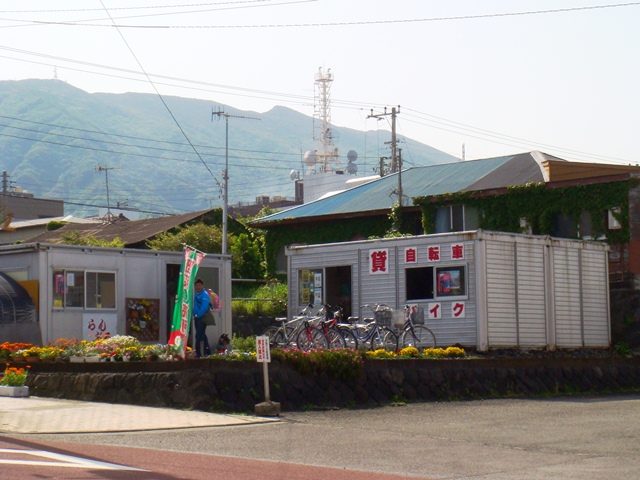
A rented bicycle is one of the best ways to see Japan's cities at your own pace: temple to temple, café to riverbank, without waiting for a bus. Most of the stress comes from two questions visitors ask once they are already on the bike: "Am I allowed to ride here?" and "Can I leave the bike here for five minutes?" This guide answers both with the National Police Agency's rules and the official pages of Kyoto City (Kyoto), which has some of the clearest guidance for visitors, and shows what it costs if you get it wrong.
This page may contain affiliate links. If you buy through them, we may earn a commission at no extra cost to you.
- Road or sidewalk? The rule and its exceptions
- Parking: why "just a minute" can end with your bike removed
- Bicycle insurance in Kyoto (Kyoto), even for visitors
- Share bikes: what to check before you start
Please read this first. This is a plain-English guide, not legal advice. Rules on riding come from the National Police Agency (NPA); rules on parking and insurance are set by each city and prefecture, so they change from place to place. Amounts below were checked in October 2026.
Road or sidewalk?
The NPA puts the rule simply: where there is a roadway and a sidewalk, bicycles use the roadway, and they keep to the left. The sidewalk is allowed only when a sign or marking says bicycles may use it, when the rider is under 13, 70 or over, or has a physical disability, or when it is unavoidable for safety because of the road or traffic. On a sidewalk you must ride slowly on the road side and stop if you would get in a pedestrian's way.
The NPA's other basic rules: obey signals and stop signs at intersections, use a light at night, never ride after drinking, and wear a helmet. Since April 1, 2026, riders aged 16 and over can get a "blue ticket" with a fixed fine. See Japan's new bicycle fines for the amounts.
Parking: the mistake that costs the most time
In many Japanese cities, a bicycle left on the street is removed, even for a short stop. Kyoto City (Kyoto) is a clear example:
- The city has designated almost the whole city as an area where bicycles left on the street are removed, with priority enforcement.
- Its official visitor site says bikes parked on the road are removed as abandoned bicycles even if "other bikes are already there," "it's only for a short time" or "it's only sticking out a little."
- To get your bike back you pay a removal and storage fee of 3,500 yen per bicycle (5,000 yen for a moped, including an electric kick scooter). The city says cashless payment is not accepted.
- Removed bikes are kept for four weeks from the day after removal and then disposed of. A passport alone is enough as ID at the storage site.
If the bike was a rental, the shop will usually have to deal with this too, so it can also mean extra charges from the shop. Use a paid bicycle parking lot (駐輪場, churinjo) or your share-bike service's port.
Bicycle insurance in Kyoto (Kyoto)
Kyoto Prefecture's cycling ordinance requires adult cyclists to have insurance that covers damage they cause to others. The prefecture's Q&A says this applies to everyone who rides in the prefecture, including visitors, though there is no penalty for not having it. It also says rental operators must have this insurance for the bikes they lend, paid or free, and must explain what it covers. Ask the shop: "Does the rental include liability insurance?" Other prefectures have similar rules, so it's a good question anywhere.
Share bikes
Kyoto City (Kyoto) lists four share-cycle services it has partnership agreements with: CLEW, LUUP, HELLO CYCLING and Charichari, and publishes a port map. The city also offers a search for rental shops it has certified. Before you start a share bike:
- Check where the return ports are near your destination.
- Test the brakes, bell and light.
- End the ride only at a port, never on the street.
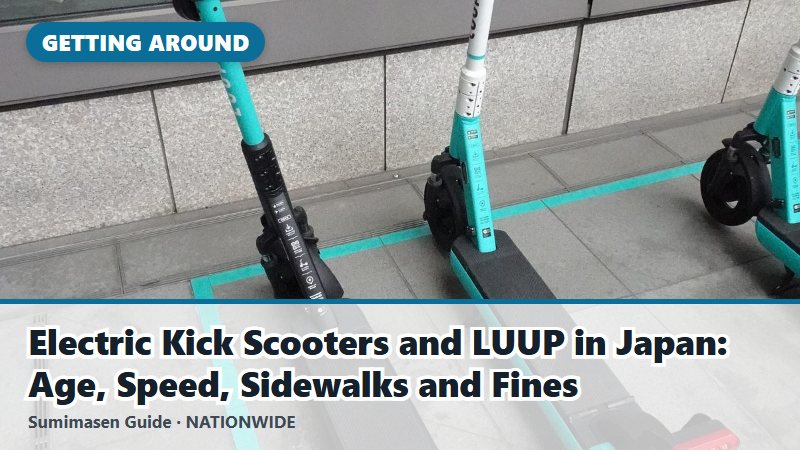
Kyoto City (Kyoto)'s English cycling leaflet adds that in some parts of the city cycling is not allowed at certain times of day, so look for signs on busy shopping streets. For e-scooters, which follow different rules, see electric kick scooters and LUUP.
Before you ride off
- Test brakes and light at the shop. Ask about insurance.
- Keep left on the road; sidewalks only where signs allow.
- Phone in a mount, never in your hand.
- Park only in a bicycle parking lot or a port.
- No riding after drinking.
Last reviewed: October 4, 2026. Local rules and fees change. Please confirm on the official pages below.
References
- National Police Agency: Five rules for safe cycling (Japanese)
- National Police Agency: Bicycle rulebook (Japanese, PDF, September 2025)
- Kyoto Prefectural Police: Bicycle rules (English)
- Kyoto City (Kyoto): Removal of bicycles and fees (Japanese)
- Kyoto City (Kyoto) official travel site: Bicycle rules (Japanese)
- Kyoto City (Kyoto): Cycling manners leaflet (English, PDF)
- Kyoto City (Kyoto): Share cycles (Japanese)
- Kyoto Prefecture: Q&A on bicycle insurance (Japanese)