Buying Matcha in Japan: Where to Shop, Purchase Limits, and Taking It Home to the U.S.
Quick answer
- Marukyu Koyamaen's shops limit matcha to one 20 g can and one 40 g can per person, posted from November 11, 2024.
- APHIS lets travelers bring any quantity of products made only of tea leaves into the U.S., but all agricultural products must be declared.
- Ippodo's Global Online Shop ships to the U.S.A. from its main store in Kyoto (Kyoto); duties and taxes on arrival are paid by the recipient.
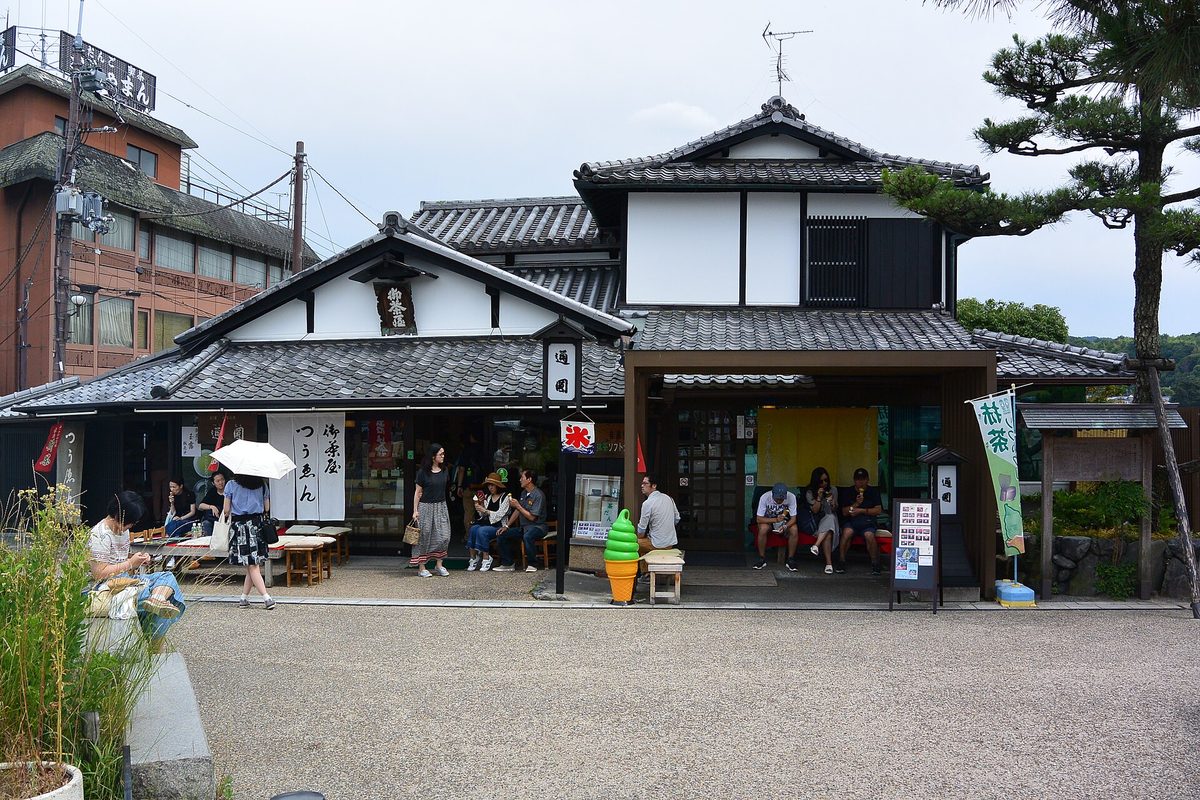
Many visitors want to bring matcha home from Japan, and some makers now limit how much each person can buy. This guide lists official shops in Kyoto (Kyoto), Uji (Kyoto), Nishio (Aichi) and Nagoya (Aichi), sets out the purchase limits and shop rules the makers have posted, and explains what the U.S. authorities say about bringing tea into the country. It also covers the official ways to order after you get home.
Finding a favorite tin is one of the nicest souvenirs of a trip. A little planning helps you come home with it.
- Official shops: Ippodo and Marukyu Koyamaen in Uji and Kyoto (Kyoto); Aiya's Saijoen in Nishio and Nagoya (Aichi)
- Marukyu Koyamaen's posted limit: one 20 g can and one 40 g can of matcha per person
- Into the U.S.: tea made only from tea leaves is allowed in any quantity, but declare it
- From home: Ippodo's Global store ships to the U.S.A.; Marukyu's own online shop ships within Japan only
Official shops in Kyoto (Kyoto) and Uji (Kyoto)
Ippodo Tea's main store in Kyoto (Kyoto): on Teramachi Street, at 52 Tokiwagi-cho, Nakagyo-ku. Ippodo's English store page gives the hours as 10:00 to 17:00 for the store and the Kaboku Tearoom (last order 16:30), closed on the 2nd Wednesday of each month. It's a 5-minute walk from Exit 11 of the city hall station (Shiyakusho-mae) on the Tozai subway line. The store also sells tea to take out; matcha is 972 yen on the take-out menu.
Marukyu Koyamaen lists five shops of its own in its notices:
- Nishinotoin Tea Shop and Motoan Tea House, Kyoto (Kyoto): west side of Nishinotoin Street, south of Oike. Shop 9:30 to 18:00, tea house 10:30 to 17:00 (last order). Closed Wednesdays and the 3rd Tuesday; open on national holidays.
- Isetan department store at Kyoto Station and Takashimaya department store in Kyoto (Kyoto), both on basement floor 1: counters that follow the department store's hours.
- Main Shop at the head office in Uji (Kyoto): 9:00 to 17:00, closed Sundays, national holidays and some Saturdays (still to come in 2026: October 17 and 24, November 7 and 14, December 19).
- Makishima Factory Shop in Uji (Kyoto): 9:30 to 17:00, closed Wednesdays, Saturdays, Sundays and national holidays.
Nishio (Aichi) and Nagoya (Aichi)
Aiya, a matcha maker founded in 1888 in Nishio (Aichi), runs the Saijoen brand. Its Saijoen Matcha Cafe Nishio main store sits next to the Saijoen Aiya main store at 15 Kamimachi Yokomachi Yashiki, Nishio, the same address as its matcha museum, with a free car park for 55 cars. If you don't have time for Nishio, Saijoen also runs a take-out shop on basement floor 1 of a building by Nagoya Station, which it describes as a 1-minute walk from the station. From Nagoya (Aichi), Meitetsu trains run to Nishio Station by way of Shin-Anjo on the Nishio Line; for visiting the museum, see our guide to matcha experiences.
Purchase limits: what the makers say
Marukyu Koyamaen posted in November 2024 that demand for matcha had far outrun its production, and that from November 11, 2024, "for the time being," each customer at its five shops could buy one 20 g can and one 40 g can of matcha at most. Each tea is sold in limited numbers per shop per day until it runs out, matcha can't be reserved, and four of its teas (Tenju, Chigi no Shiro, Isuzu and Aoarashi) were paused at its three shops in Kyoto (Kyoto). Other teas, such as gyokuro, sencha and hojicha, and sweets have no limit. Its factory page in October 2026 still says purchases of matcha are limited at the factory shop.
Ippodo's Global Online Shop says it is currently limiting purchases of matcha products, with limits shown on each product page (for example up to 10, or up to 2, of an item per order), and that limits may change without notice. We didn't find a posted limit for Ippodo's main store, so ask at the counter.
Two more rules from Marukyu Koyamaen's June 2026 notice to shop visitors:
- No video recording, live streaming or video calls inside the shops, and keep other customers and staff out of your photos.
- Long phone or video calls to shop for other people can disturb others; staff may ask you to step outside. Buying to resell is refused.
Tax-free shopping
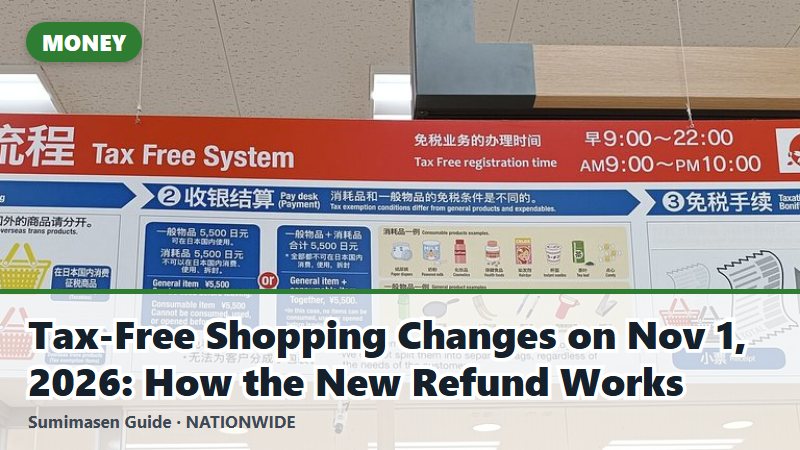
We couldn't confirm from the makers' official pages which of these shops offer tax-free sales, so ask before you pay. Japan's tax-free system changes on November 1, 2026; how it works now is in our tax-free shopping guide.
Sending your order to your hotel
Ippodo's Global Online Shop will deliver to a hotel in Japan, with the front desk receiving it for you. It asks you to order at least 7 days before the delivery date you want, use the hotel's name and address, write your check-in and check-out dates in the "Additional Instructions" box, and tell the hotel you're expecting a package. Consumption tax of 8% or 10% applies to deliveries within Japan. Marukyu Koyamaen's own online shop, Motoan, doesn't deliver to hotels, forwarding companies or logistics warehouses.
Bringing matcha into the U.S.
For travelers flying home to the United States:
- Tea is allowed. The U.S. Department of Agriculture's animal and plant health service (APHIS) says travelers may bring, without restriction, any quantity of products made only of tea leaves (Camellia sinensis, which includes green tea).
- Declare it anyway. APHIS says travelers must declare all agricultural products at entry, and U.S. Customs and Border Protection (CBP) says all agricultural items must be declared and may be inspected.
- Not declaring can cost you. CBP says undeclared prohibited items are confiscated, and civil penalties for failing to declare prohibited agricultural products may range up to $1,000 for a first offense with non-commercial quantities.
- Blends are different. APHIS has separate rules for herbal teas and blends with flowers, fruit or other plants; products such as matcha sweets also contain other ingredients. Check the APHIS page for anything that isn't pure tea.
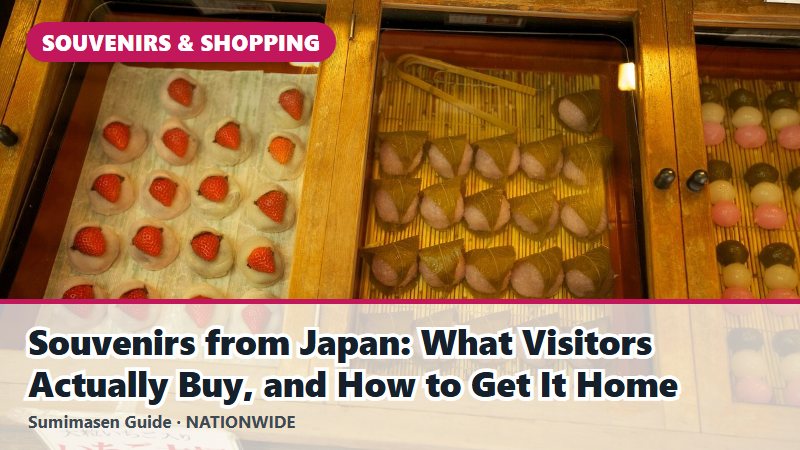
We don't list import duty rates here. They depend on the product and on current U.S. trade rules, which have changed often; CBP and the official U.S. tariff schedule are the places to check. Other countries have their own rules, so check with your own customs authority if you're not flying to the U.S. Packing tips for food souvenirs are in our souvenirs guide.
Ordering after you get home
- Ippodo Global Online Shop: its list of delivery countries (updated October 1, 2026) includes the U.S.A., Canada, the U.K., Australia, South Korea, Taiwan and Hong Kong SAR. Overseas orders ship from its main store in Kyoto (Kyoto). Shipping costs appear after you add items and enter your address, and import duties, VAT or other charges may be added on arrival; Ippodo says these are the recipient's to pay and suggests checking your own country's rules before ordering. Ippodo also links to a separate USA & Canada Online Shop from its site.
- Marukyu Koyamaen: its Motoan online shop ships within Japan only. For overseas shoppers, the company publishes a list of unauthorized resellers and proxy shoppers, and says it takes no responsibility for products bought through them. Warning signs it lists include photos of mixed brands or matcha stored on the floor, copied logos or official photos, orders taken through personal social media accounts, and claims that items were bought at its own shops.
Being unlisted doesn't make a seller official, and an unauthorized seller isn't automatically selling fakes; when in doubt, start from the maker's own website.
Matcha sweets while you're in Japan
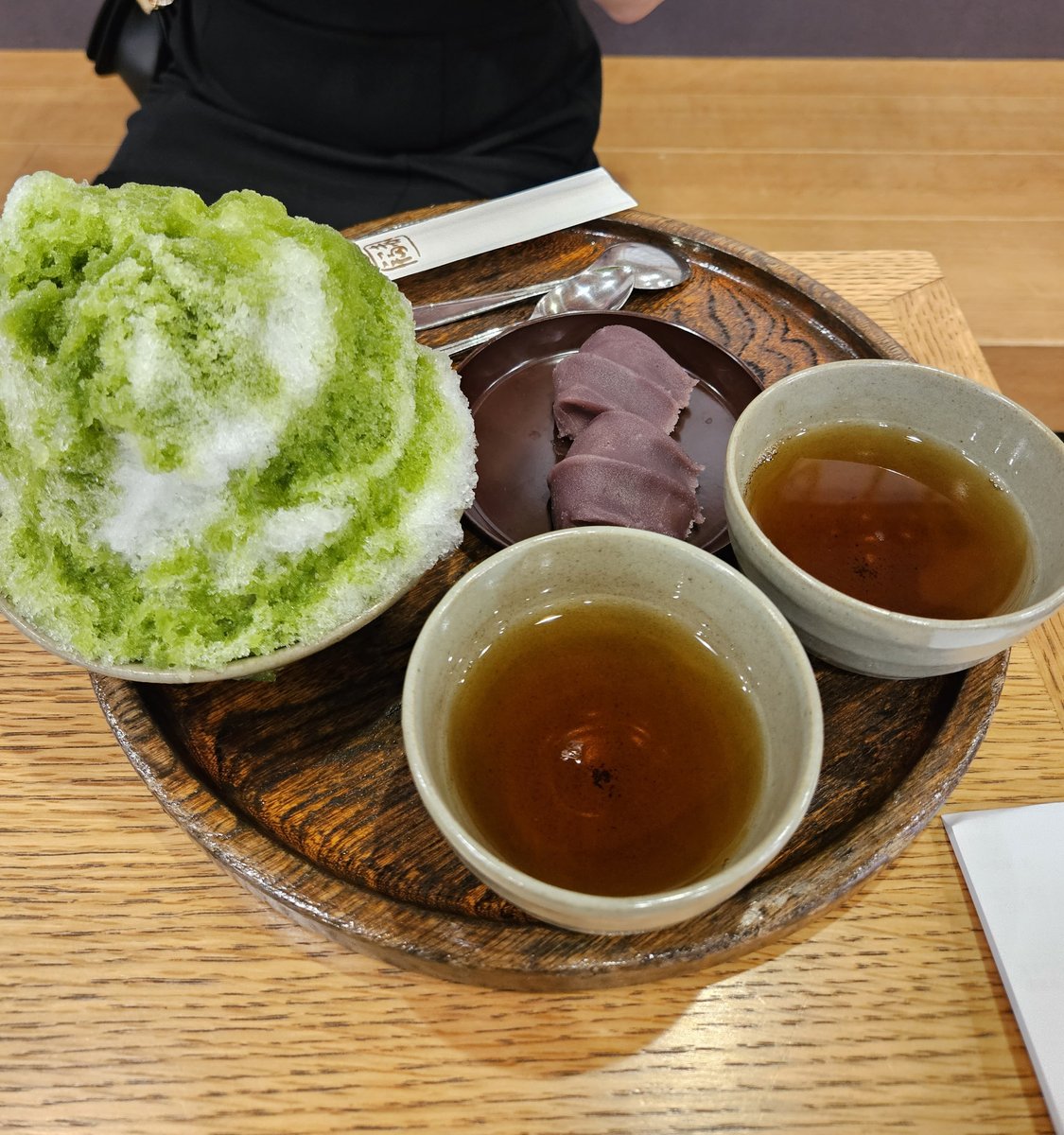
Matcha isn't only for drinking, as the shaved ice in the photo shows. The makers' own cafes are an easy place to start: Ippodo's Kaboku Tearoom and Marukyu Koyamaen's Motoan tea house in Kyoto (Kyoto), and Saijoen's matcha cafes in Nishio (Aichi) and Nagoya (Aichi). For something quick, convenience stores change their sweets with the seasons; see our convenience store sweets guide. Back home, try our easy matcha recipes, and choose a tea with the taste chart in our guide to making matcha.
Last reviewed: October 14, 2026. Shop hours, purchase limits and customs rules change. Check the makers' notices and the official U.S. pages before you go.
References
- Ippodo Tea: Main store in Kyoto (Kyoto) and Kaboku Tearoom (English)
- Ippodo Tea Global: Sayaka-no-mukashi 20g, with purchase limit notice (English)
- Ippodo Tea Global: Delivery to a hotel in Japan (English)
- Ippodo Tea Global: Which countries do you ship to? (English)
- Ippodo Tea Global: Shipping cost (English)
- Ippodo Tea Global: Customs and other fees (English)
- Marukyu Koyamaen: Purchase limits on matcha at its shops (Japanese and English)
- Marukyu Koyamaen: Factory tour page and notice (Japanese)
- Marukyu Koyamaen: Notice to customers visiting its stores (Japanese, English, Chinese)
- Marukyu Koyamaen: Saturday closings and shop hours, October to December 2026 (Japanese and English)
- Marukyu Koyamaen: Company and shop information (Japanese)
- Marukyu Koyamaen Motoan online shop: Shipping (Japanese)
- Marukyu Koyamaen: Unauthorized reseller list (English, Japanese, Chinese)
- Saijoen: Shops and matcha cafes (Japanese)
- Meitetsu: Nishio Line and Gamagori Line stations (Japanese)
- USDA APHIS: International traveler, coffee, teas, honey, nuts and spices (English)
- CBP: Bringing agricultural products into the United States (English)
- CBP: Bringing food into the U.S. (English)