What Is Matcha? How It's Made, How to Read "Uji" and "Nishio", and Japan's Main Matcha Regions
Quick answer
- Matcha is tencha, tea shaded for about 2 to 3 weeks before picking, steamed and dried without rolling, then ground into a fine powder.
- MAFF ranks Kagoshima Prefecture 1st, Kyoto Prefecture 2nd and Shizuoka Prefecture 3rd in tencha production (fiscal 2025).
- "Uji tea" can use leaves from Kyoto Prefecture, Nara Prefecture, Shiga Prefecture and Mie Prefecture, finished in Kyoto Prefecture, so check each product's origin line.
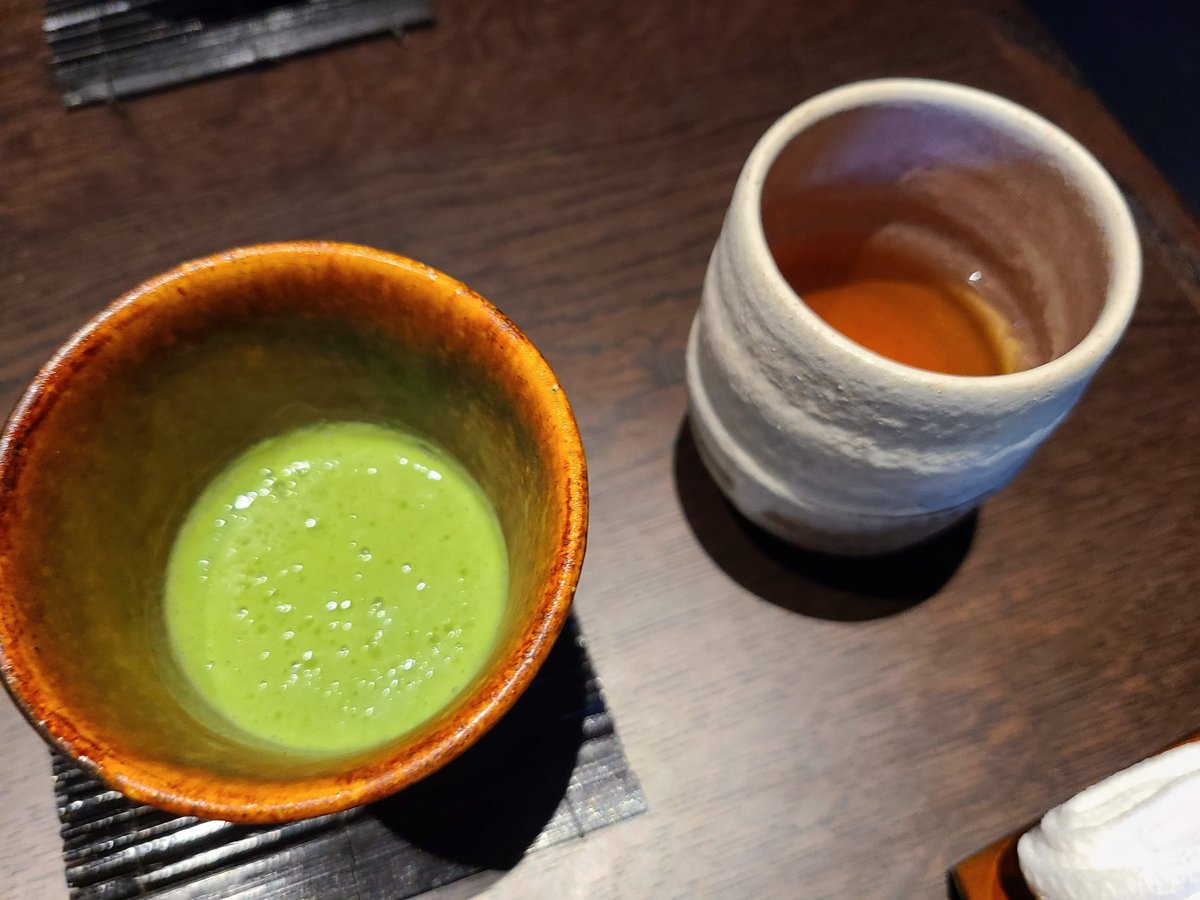
Matcha isn't just green tea ground into powder. It starts as tencha, a tea grown in the shade and dried without rolling, which is then milled into a fine powder. This guide explains how that works, using the explanations of Japan's tea ministry, Kyoto (Kyoto)'s tea industry body and the makers themselves, then introduces five tea regions you'll see on labels and shop signs, and shows what a region name such as "Uji" or "Nishio" does and doesn't tell you.
If you're planning to buy matcha in Japan or simply want to understand what's in your cup, this is the place to start.
- Matcha = tencha (shaded, steamed, dried without rolling) ground into powder
- Five regions to know: Kagoshima, Uji (Kyoto), Shizuoka, Nishio (Aichi) and Yame (Fukuoka)
- "Uji tea" can include leaves from four prefectures, finished in Kyoto Prefecture
- What to read on a package before you buy
From tencha to matcha
Japan's Ministry of Agriculture, Forestry and Fisheries (MAFF) describes the process in its July 2026 report on the tea industry. Tea bushes are covered with shade materials for about 2 to 3 weeks before picking. The leaves are steamed and then dried in a tencha drying furnace without being rolled, which is the big difference from sencha. The result is tencha, and tencha ground into a fine powder with a tea mill is matcha.
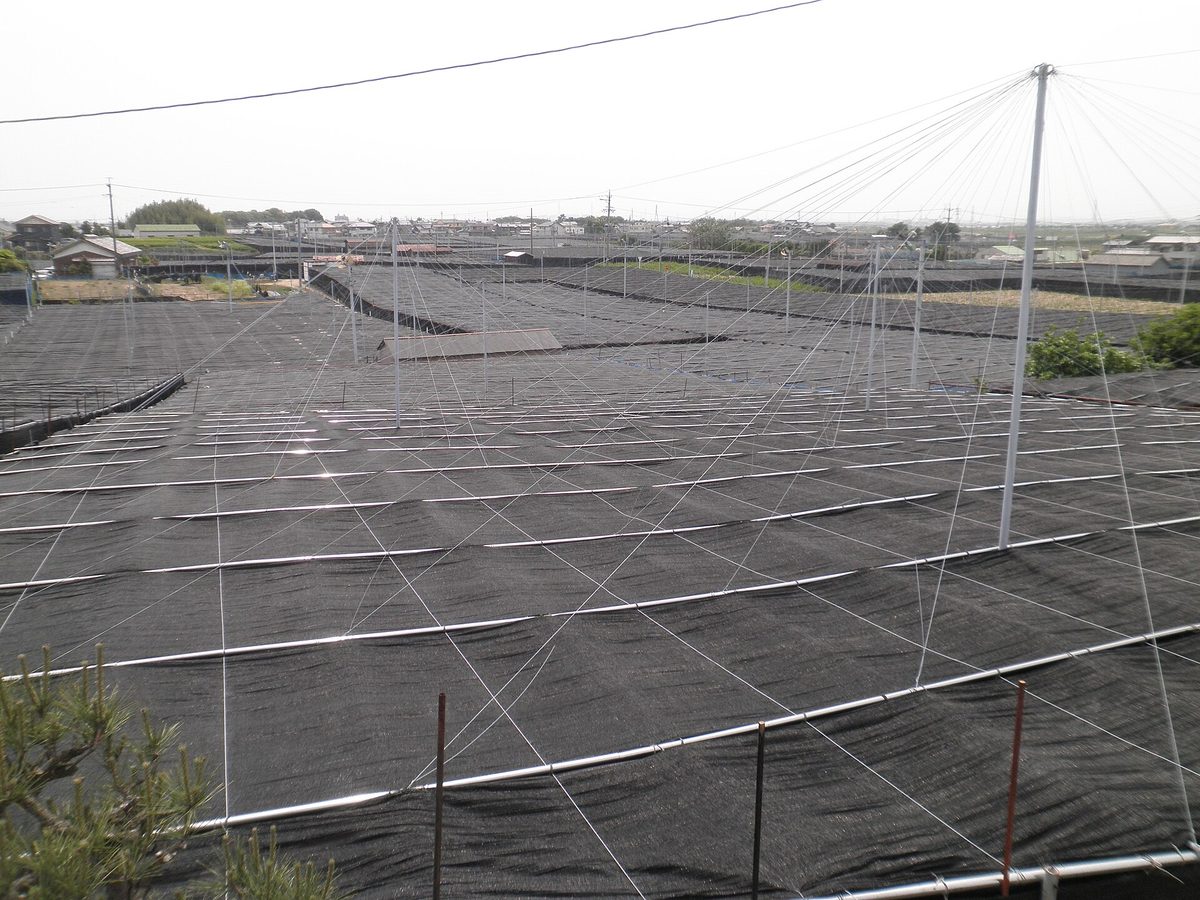
The makers add detail about their own work. Marukyu Koyamaen, a tea maker in Uji (Kyoto), says it spreads reed screens over its fields in mid-April and adds straw about 10 days later; that new shoots grow thin and rich in chlorophyll under the shade; that it picks by hand once a year, only the first flush; and that stems and leaf veins are removed by wind before the leaves are slowly ground with stone mills. Aiya, a maker in Nishio (Aichi), explains that shading keeps theanine, a source of umami, from turning into astringent tannins, and that one of its stone mills produces only about 40 g of ceremonial-use matcha an hour. These are each company's descriptions of its own process, not rules for every maker.
Matcha, powdered tea and konacha aren't the same
MAFF separates two kinds of green tea powder in its export figures. Matcha is tencha ground into a fine powder with a tea mill. Powdered tea (funmatsucha) is tea crushed into powder with a grinder, usually from other kinds of tea. A third word, konacha, means the small bits and dust sifted out when tea leaves are finished; MAFF counts it with leaf tea, not with powder, in its trade figures. On a Japanese package, look for the word 抹茶 (matcha) itself.
You'll also see "ceremonial grade" and "culinary grade" on many matcha packages sold outside Japan. In the official Japanese sources we checked, we didn't find a standard behind those terms. Japanese makers tend to describe their teas by use instead: Marukyu Koyamaen, for example, recommends its teas from "Kinrin" up for both koicha (thick tea) and usucha (thin tea), and those from "Wako" down for usucha only.
Japan's main matcha regions
Tencha is grown in several parts of Japan. In its July 2026 report, MAFF lists the prefectures that lead in tencha production (ranks for fiscal 2025): Kagoshima Prefecture 1st, Kyoto Prefecture 2nd and Shizuoka Prefecture 3rd. MAFF also says Japan's tencha output has grown to about 3.2 times its 2014 level as demand has risen. Two more names you'll often meet are Nishio (Aichi) and Yame (Fukuoka). The order below is just geographical, from south to north; production figures don't tell you which tea you'll like.
- Kagoshima Prefecture: 1st in tencha production in MAFF's list, with a wide range of tea varieties. In 2018 the prefecture drew up a plan to expand organic tea and tencha growing and matcha processing for export.
- Kyoto Prefecture, home of Uji: 2nd in tencha, and also 2nd in gyokuro. Uji (Kyoto), a city south of central Kyoto (Kyoto), gives its name to "Uji tea" (see below).
- Shizuoka Prefecture: the largest tea-growing area in Japan (11,600 hectares) and best known for sencha, especially deep-steamed sencha; MAFF lists it 3rd in tencha. Its registered geographical indication (GI) for tea, Fukamushi Kikugawa-cha, is a sencha.
- Nishio (Aichi): Nishio City says its tea history began when the founder of Jissoji temple, built in 1271, planted the first tea seeds there; production took off in the Meiji era, and tencha became the main crop in the late Taisho era. In 2009, "Nishio no Matcha" became the first matcha name registered as a regional collective trademark by the Japan Patent Office.
- Yame (Fukuoka): Fukuoka Prefecture is 3rd in gyokuro, another shaded tea, and "Yame Dento Hon Gyokuro" (traditional gyokuro from Yame) is a registered GI. The official pages we checked didn't give a figure for tencha from Yame, so we leave that out.
Reading "Uji" on a label
The Kyoto Prefectural Tea Chamber, the prefecture's tea industry body, decided its definition of Uji tea in 2004: tea grown in four prefectures, Kyoto Prefecture, Nara Prefecture, Shiga Prefecture and Mie Prefecture, that has been finished within Kyoto Prefecture by a business based there, with priority given to tea grown in Kyoto Prefecture. So "Uji" alone doesn't mean the leaves were grown in Uji (Kyoto) itself.
A maker's address and the origin of its leaves are two different questions. A company based in Uji (Kyoto) can blend leaves from several areas; a product's own origin line tells you more than the company's location. MAFF also notes that Chinese-made tea labeled "Uji matcha" has been on the market, one reason the Japanese tea industry sought a wider protected name (next section).
Reading "Nishio" on a label
"Nishio no Matcha" was also registered as a geographical indication in 2017, but MAFF's register shows the registration was removed in February 2020 after the producers' cooperative ended its production-control work. The regional collective trademark from 2009 is a different system. We couldn't find the trademark's exact conditions on an official page, so check each product's own origin information, as you would with Uji.
A new national name: "Japanese Tea" (GI)
On July 10, 2026, MAFF registered Nihon Cha (Japanese Tea) as a geographical indication covering green tea grown and processed in Japan, including sencha, gyokuro and matcha. Only registered products can use the name with the GI mark, and MAFF says the aim is to set Japanese tea apart from tea made elsewhere. It's new, so you may not see the mark on many packages yet.
What to read on a package
- Product name: 抹茶 (matcha). Sweetened products list sugar in the ingredients; Ippodo's Uji-Shimizu, for example, is matcha sweetened with sugar.
- Ingredients and origin: for example 緑茶(国産), "green tea (Japan)". Ippodo's Ikuyo-no-mukashi, for instance, lists exactly that.
- Maker or seller and their address: where the company is, not necessarily where the leaves grew.
- Best-before date and storage: matcha changes color and aroma as it ages (more in our guide to making matcha).
Next steps: where to buy matcha in Japan, places to try it in Uji (Kyoto), Kyoto (Kyoto) and Nishio (Aichi), and easy matcha recipes for home.
Last reviewed: October 14, 2026. Production ranks, labels and registrations change; check the official pages below for the latest.
References
- MAFF: Cha wo meguru josei (the tea industry), July 2026 (Japanese, PDF)
- MAFF: Registered geographical indications (Japanese)
- MAFF: GI No. 179, Nihon Cha (Japanese)
- MAFF: Removal of GI No. 27, Nishio no Matcha (Japanese)
- Kyoto Prefectural Tea Chamber: Uji tea Q&A, definition of Uji tea (Japanese)
- Kyoto Prefectural Tea Chamber: How tencha (matcha) is made (Japanese)
- Marukyu Koyamaen: About matcha, storage and how matcha is made (Japanese)
- Aiya: Matcha production process (Japanese)
- Nishio City: Nishio no Matcha hospitality ordinance (Japanese, PDF)
- Kagoshima Prefecture: Plan to promote organic matcha exports (Japanese)
- Ippodo Tea: Ikuyo-no-mukashi 20g (Japanese)